
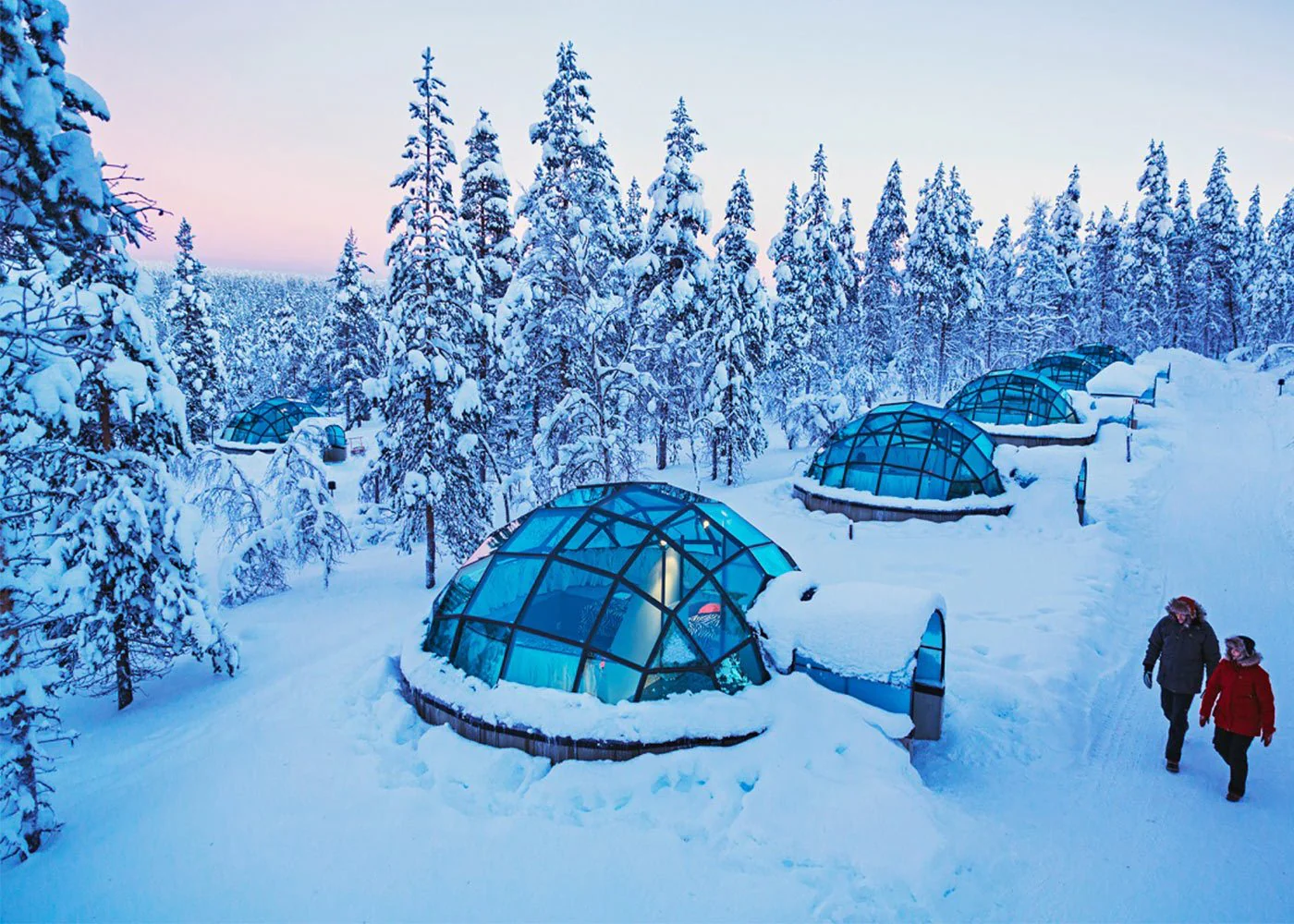
Best Winter trek Experience the Magic of Cold – Best Winter is a season that transforms ordinary landscapes into enchanting experiences. The drop in temperature, the arrival of snow, and the calmness that settles across mountains, forests, and lakes create a travel atmosphere unlike any other time of the year. Whether the goal is adventure, slow travel, photography, or simply a quiet break from routine, winter offers a unique opportunity to explore destinations at their most peaceful and authentic.
The charm of winter travel lies in its contrast. Days feel crisp, nights become deeper, and nature displays a gentle stillness that cannot be replicated during warmer months. This blog offers an in-depth look at why winter is one of the most rewarding seasons for explorers, along with must-visit destinations, experiences, preparation tips, and essential insights for safe, memorable travel.
Why Winter Travel Feels Different Best ( Best Winter trek Experience the Magic of Cold)
Winter brings a new texture to the world. Mountains wear a thick layer of snow, forests appear hushed and dense, and lakes turn into mirrors of ice. Even familiar places gain a new identity when cold air fills the environment. The experience is immersive, refreshing, and often deeply grounding.
One of the standout aspects of winter travel is the quality of solitude. Popular destinations become quieter, allowing travelers to explore without rush or crowd pressure. This slower pace leads to more meaningful experiences—long walks, deeper connections with locals, and a closer look at landscapes that are usually busy during peak seasons.
Winter also enhances the scenic value of destinations. Clear mountain skies produce sharp, stunning views, while snow-covered trails bring an unmatched sense of purity and calmness.
Best Winter Experiences for Travel Enthusiasts (Best Winter trek Experience the Magic of Cold )
Snow Trekking and Himalayan Expeditions
Exploring snow trails in regions like Uttarakhand, Himachal Pradesh, Kashmir, and Sikkim offers a unique blend of adventure and tranquility. Treks such as Dayara Bugyal, Brahmatal, Kuari Pass, and Kedarkantha present spectacular winter vistas and immersive outdoor experiences.
Winter Road Trips
Destinations like Spiti Valley, Leh region, and remote Himalayan villages offer dramatic landscapes during winter. Frozen rivers, snow walls, and empty roads create a surreal experience for those who enjoy offbeat travel.
Cozy Mountain Retreats
Hill stations turn peaceful and serene during winter. Staying in cabins, homestays, or boutique mountain lodges can be a relaxing escape with fireplaces, warm food, and long winter sunsets.
Frozen Lakes and Alpine Meadows
Locations such as Tsomgo Lake (Sikkim), Dodital (Uttarakhand), and high-altitude meadows become picture-perfect with snow. These areas offer exceptional photography opportunities and peaceful nature walks.
Wildlife in Winter
Certain regions offer wildlife experiences unique to winter, such as the Snow Leopard expeditions in Ladakh or bird-watching trails in the Himalayan foothills where migratory species arrive for the season.
Planning Your Winter Trip: Practical Guide (Best Winter trail 2026: Experience the Magic of Cold)
Selecting the Destination
Winter destinations vary from easy, family-friendly getaways to challenging, high-altitude expeditions. Travelers should consider altitude, weather patterns, accessibility, and physical fitness before selecting a route.
Accommodation
Winter accommodations must be chosen carefully. Look for places with reliable heating, insulated rooms, hot water, and experienced staff familiar with cold-season operations.
Clothing and Layering
Layering is essential for comfort. A standard winter setup includes thermals, fleece, an insulated jacket, waterproof outerwear, warm socks, gloves, caps, and buff-style face coverings.
Travel Safety
Road closures, snowfall, and temperature drops must be considered. Staying updated with local advisories ensures smoother travel. Hiring experienced drivers for mountain regions is ideal during the winter months.
Hydration and Nutrition
Cold weather reduces the sense of thirst, but hydration remains crucial. Warm liquids, high-energy snacks, and balanced meals keep you active throughout the journey.
Photography and Filming in Winter
Winter light is sharp, and the landscape is naturally dramatic. Photographers can capture crisp frames, clear horizons, and deep contrasts. However, cold temperatures can drain batteries faster, so extra battery packs, lens cleaning cloths, and proper gear protection are essential.
For creators, winter offers a cinematic environment filled with texture—snowfall, mist, glowing sunsets, and rugged terrains that naturally elevate visual storytelling.
Responsible Winter Travel
Winter ecosystems are delicate. Snow trails and mountain regions require responsible behavior to preserve their natural balance. Travelers should avoid littering, minimize plastic use, respect wildlife, and follow local guidelines for safe exploration.
Supporting local communities is another important part of responsible tourism. Choosing homestays, buying local products, and engaging respectfully with residents contributes positively to the region.
Why Winter Should Be on Your Travel Calendar
Winter travel widens the horizon of discovery. It encourages travelers to step beyond comfort zones, appreciate the purity of nature, and experience a side of destinations that many never witness. Whether it’s the thrill of walking on snow trails, the peaceful rhythm of mountain life, or the beauty of sunrise over frosted peaks, winter has something for every traveler.
This season invites you to slow down, explore deeper, and embrace landscapes transformed by cold, silence, and natural beauty. Winter is not just a season; it is an experience—one that stays with you long after the snow has melted.
