
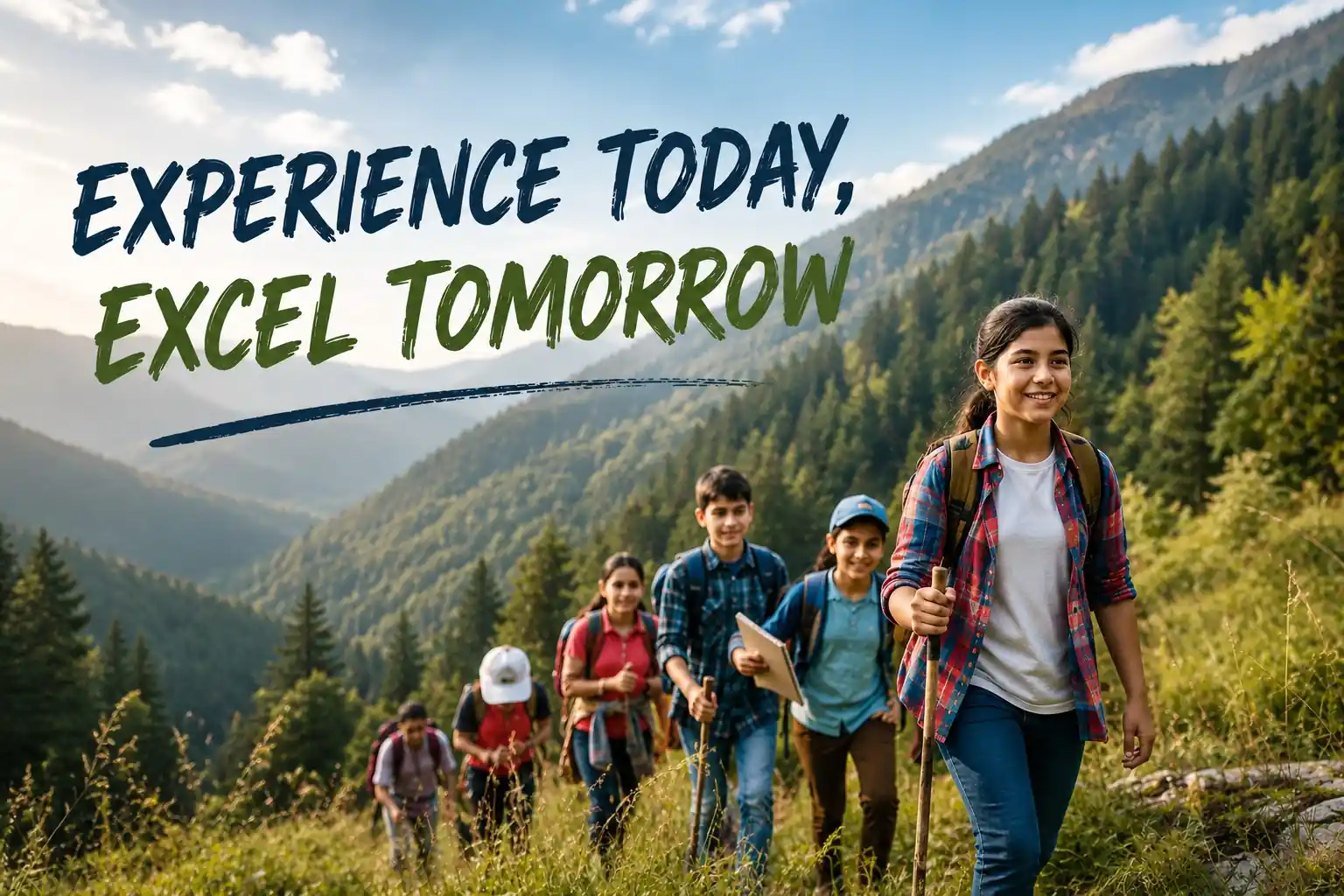
Experiential School Programs for Better Student Learning are transforming the way students gain knowledge, develop life skills, and prepare for future challenges. Unlike traditional classroom teaching, these hands-on learning experiences encourage students to apply concepts in real-world situations through outdoor education, educational camps, project-based activities, and collaborative learning. As schools increasingly adopt experiential education, understanding its impact on academic performance, leadership, confidence, teamwork, and critical thinking has become essential for educators and parents alike.
Schools across India are increasingly integrating experiential education because it develops not only academic understanding but also life skills such as communication, leadership, resilience, critical thinking, and collaboration. This guide explains why experiential school programs matter, how they benefit students, and what schools should consider while planning successful learning experiences.
What Are Experiential School Programs?
Experiential school programs are structured educational experiences where students learn through participation, observation, reflection, and practical application rather than only classroom instruction.
These programs may include:
- Adventure education camps
- Nature and environmental learning
- Leadership development camps
- Community service projects
- STEM field activities
- Outdoor survival skills
- Heritage and cultural tours
- Team-building exercises
- Science exploration camps
- Educational trekking expeditions
Instead of simply reading concepts from textbooks, students experience learning firsthand, making lessons more engaging and memorable.
Why Experiential School Programs Improve Student Learning
Students retain information better when they actively participate in learning.
Research consistently shows that hands-on learning improves:
- Knowledge retention
- Problem-solving ability
- Critical thinking
- Decision-making
- Emotional intelligence
- Collaboration skills
- Self-confidence
Experiential education connects classroom concepts with practical situations, allowing students to understand not just what they learn but also why it matters.
Benefits of Experiential School Programs for Better Student Learning
Better Academic Understanding
Students understand concepts faster when they experience them.
Examples include:
- Learning ecology during nature walks
- Understanding geography through trekking
- Applying physics in adventure activities
- Practicing mathematics during navigation exercises
Learning becomes relevant and easier to remember.
Builds Leadership Skills
Outdoor learning naturally creates leadership opportunities.
Students learn to:
- Take responsibility
- Make decisions
- Support teammates
- Solve group challenges
- Lead under pressure
Leadership develops through experience—not lectures.
Improves Teamwork and Communication
Most experiential programs involve group activities where students must communicate effectively to complete tasks.
They learn:
- Active listening
- Cooperation
- Conflict resolution
- Respect for diverse opinions
- Trust building
These skills prepare students for higher education and future careers.
Encourages Critical Thinking
Unlike classroom exercises with predefined answers, experiential learning often presents real-world challenges.
Students analyze situations, evaluate options, and develop creative solutions independently.
This improves:
- Logical reasoning
- Innovation
- Adaptability
- Strategic thinking
Boosts Confidence
Completing challenging activities such as obstacle courses, trekking, rock climbing, or public presentations helps students believe in their own abilities.
Every successful challenge builds confidence that extends into academics and everyday life.
Develops Emotional Intelligence
Experiential education teaches students to manage emotions while working with others.
Students develop:
- Empathy
- Patience
- Self-awareness
- Emotional resilience
- Respect for different perspectives
These qualities contribute to healthier relationships and stronger classroom environments.
Types of Experiential School Programs
Schools can choose programs based on learning objectives and student age.
Popular options include:
- Adventure camps
- School camping programs
- Environmental education camps
- Wildlife learning expeditions
- Leadership development camps
- STEM innovation workshops
- Community service learning
- Heritage and history tours
- Educational field trips
- Entrepreneurship workshops
- Outdoor survival training
- Sports leadership camps
A combination of activities provides the most comprehensive learning experience.
How Experiential Learning Supports Modern Education
Modern education focuses on developing competencies rather than memorization.
Experiential learning supports:
- Project-based learning
- NEP 2020 objectives
- Inquiry-based education
- Skill development
- Collaborative learning
- Practical assessment
- Holistic student development
Students become active learners rather than passive recipients of information.
Essential Components of Successful Experiential School Programs
Well-designed experiential programs include:
Clear Learning Objectives
Every activity should support measurable educational outcomes.
Examples include:
- Leadership development
- Environmental awareness
- Team collaboration
- Scientific observation
- Communication skills
Qualified Instructors
Experienced facilitators ensure activities remain educational, engaging, and safe.
Professional instructors also help students reflect on their experiences to maximize learning outcomes.
Safety Management
Safety should always remain the highest priority.
Effective programs include:
- Risk assessments
- Certified instructors
- Medical preparedness
- Emergency response plans
- Age-appropriate activities
- Proper equipment inspections
A safe learning environment allows students to participate confidently.
Reflection Sessions
Learning happens not only during activities but also afterward.
Reflection sessions encourage students to discuss:
- What they learned
- Challenges faced
- Solutions discovered
- Personal growth
- Future applications
Reflection transforms experiences into lasting knowledge.
Role of Teachers and Parents
Teachers and parents play an important role before, during, and after experiential programs.
Teachers should:
- Connect activities with classroom learning
- Encourage participation
- Observe student development
- Facilitate discussions
Parents can:
- Motivate children
- Prepare them emotionally
- Encourage independence
- Reinforce learning at home
Together, they create a supportive learning ecosystem.
Choosing the Right Experiential School Program
Schools should evaluate several factors before selecting a program.
Consider:
- Educational objectives
- Student age group
- Instructor qualifications
- Safety standards
- Learning outcomes
- Activity variety
- Student-to-instructor ratio
- Emergency preparedness
- Reviews and experience of organizers
- Customization options
Selecting the right partner ensures both safety and educational value.
Common Challenges and Solutions
Some schools hesitate because of common concerns.
| Challenge | Solution |
|---|---|
| Budget constraints | Choose customized day or residential programs |
| Safety concerns | Work with experienced providers following strict safety protocols |
| Time limitations | Plan programs during vacations or academic breaks |
| Parent concerns | Conduct orientation sessions before departure |
| Weather uncertainties | Have contingency plans and indoor alternatives |
Proper planning minimizes risks while maximizing learning opportunities.
Long-Term Impact on Students
Experiential school programs create lasting benefits beyond academics.
Students often demonstrate:
- Greater independence
- Better leadership
- Improved resilience
- Stronger communication
- Enhanced creativity
- Better decision-making
- Increased environmental awareness
- Higher self-confidence
These qualities remain valuable throughout higher education and professional careers.
Conclusion
Experiential school programs for better student learning are transforming education by combining academic knowledge with practical experience. They help students become confident, responsible, collaborative, and capable individuals prepared for future challenges. By integrating adventure education, environmental learning, leadership activities, and hands-on experiences into the curriculum, schools create meaningful opportunities for holistic development. When carefully planned with clear educational objectives, qualified instructors, and strong safety measures, experiential learning becomes one of the most effective ways to prepare students for lifelong success.
