
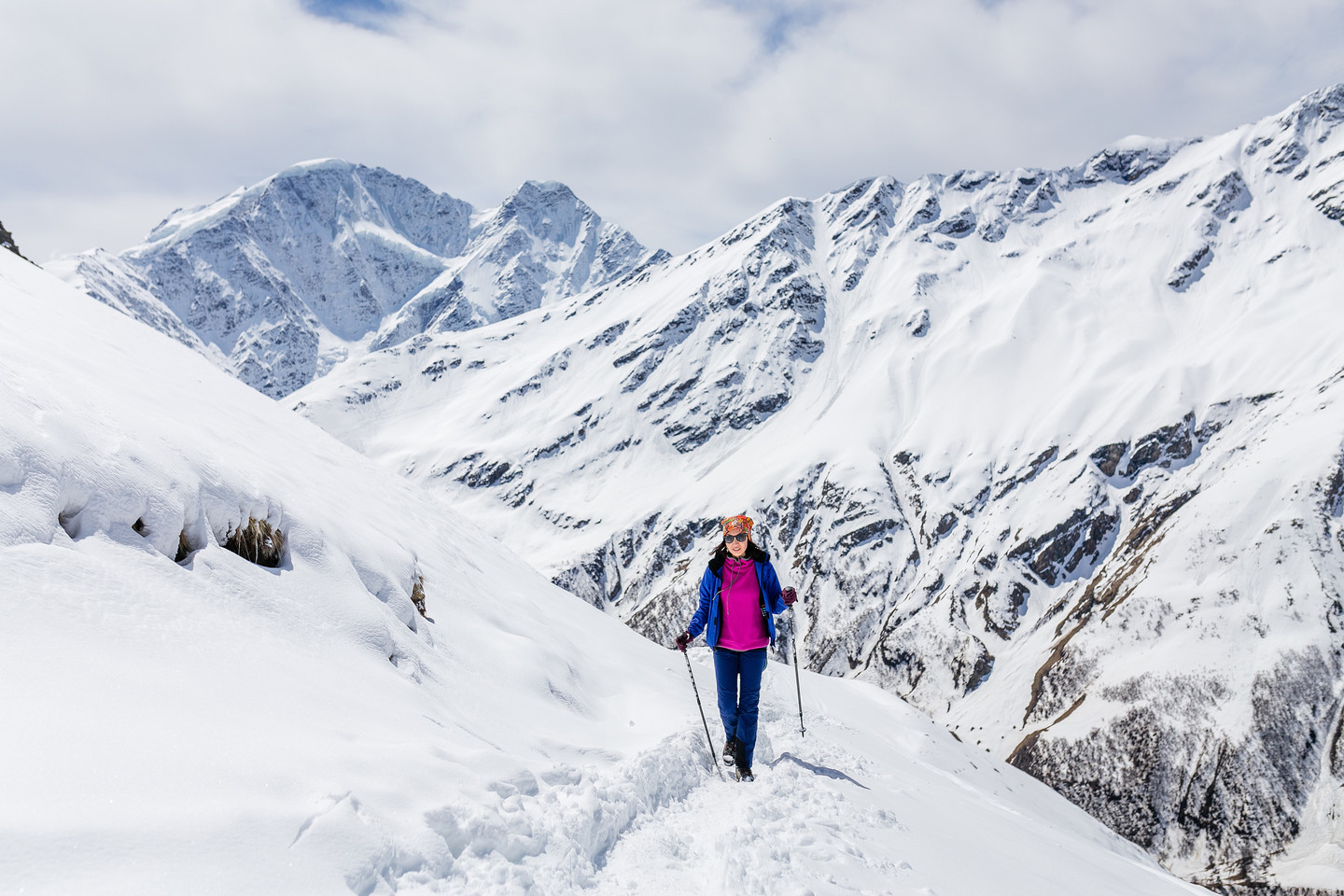
Snow winter trekking transforms ordinary mountains into extraordinary landscapes. Snow-covered forests, crystal-clear skies, frozen lakes, and silent alpine valleys create a setting that feels untouched, serene, and full of character. For many adventure seekers, winter is the best time to experience the Himalayas and high-altitude trails, as the mountains reveal a rare and captivating charm.
With adequate preparation, the right gear, and responsible trekking practices, winter trekking offers an unforgettable journey into nature’s most pristine form. This blog provides a detailed and professional guide that covers everything essential for planning a safe, comfortable, and meaningful winter trek.
The Appeal of Winter Trekking
Snow winter trekking is more than just a season-based adventure. It represents a shift in perspective. The trails become quieter, the views sharper, and the air fresher. Snow introduces a sense of purity and a unique visual texture that is hard to find in any other season.
Winter landscapes bring with them a heightened level of clarity. Peaks appear sharper against the blue sky, meadows turn into white open fields, and every step on the trail offers a fresh, crisp sensation. The absence of large crowds also enhances the experience, allowing trekkers to fully connect with the silence and beauty of their surroundings.
Best Winter Trekking Destinations
India offers a rich selection of winter trekking routes across Uttarakhand, Himachal Pradesh, Kashmir, and Sikkim. Each trail provides a distinct blend of scenic beauty, cultural elements, and adventure.
Kedarkantha Trek, Uttarakhand
A popular winter trek known for its summit climb, expansive snow trails, dense pine forests, and panoramic 360-degree views. Suitable for both beginners and moderately experienced trekkers.
Brahmatal Trek, Uttarakhand
Famous for frozen lakes, ridge-line trails, and stunning views of the Trishul and Nanda Ghunti peaks. The route receives consistent snowfall, making it a classic winter choice.
Kuari Pass Trek, Uttarakhand
Also known as the Lord Curzon Trail, this route offers exceptional views of Nanda Devi, Dronagiri, and Kamet. The snow-covered oak forests add to its beauty.
Dayara Bugyal, Uttarakhand
A high-altitude meadow that transforms into a winter wonderland. This trek is ideal for beginners, photographers, and families looking for an easy entry into snow trekking.
Hampta Snow Trek, Himachal Pradesh
A short but visually rich route. Winter brings frozen waterfalls, narrow valleys, and quiet mountain villages into the experience.
Snow Leopard Trek, Ladakh
A demanding but rewarding wildlife trek for experienced trekkers seeking to explore frozen Ladakh landscapes and possibly spot the elusive snow leopard.
Essential Gear for Winter Trekking
Winter trekking requires a higher level of preparedness compared to other seasons. The cold, snow, and altitude demand proper layering, reliable equipment, and consistent safety awareness.
Layered Clothing
The layering system ensures warmth, insulation, and breathability. It typically includes a thermal base layer, a fleece mid-layer, and an insulated waterproof outer jacket. Bottom layering should include thermal inners combined with water-resistant trekking pants.
Footwear and Accessories
Sturdy high-ankle boots with strong grip are necessary for snow walking. Woollen socks, gaiters, and microspikes improve traction and prevent snow from entering boots. Essential accessories include a headlamp, UV-protected sunglasses, trekking poles, and a reliable backpack with a rain cover.
Safety Gear
Carry a personal first-aid kit, basic medication, water-purification tablets, sunscreen, and a high-quality thermos. Winter trekking reduces the urge to drink water, so hydration must be monitored consistently.
Physical Preparation
Winter trekking demands stamina, strength, and balance. Proper training ensures comfort and reduces the risk of altitude-related issues.
Endurance Training
Walking or jogging for 30–40 minutes daily helps build stamina. Stair climbing with a backpack is also effective.
Strength Training
Focus on lower body strength through squats, lunges, calf raises, and core exercises. A stronger body handles snow trails more efficiently.
Flexibility and Recovery
Stretching and yoga improve flexibility, posture, and oxygen flow, making the trek experience smoother and safer.
Safety Guidelines for Winter Trekking
Snow trails, freezing temperatures, and changing weather conditions require a disciplined and responsible approach.
Acclimatization
Gradual acclimatization is essential for high-altitude treks. Spending time at intermediate camps before ascending reduces the risk of Acute Mountain Sickness (AMS).
Weather Awareness
Monitor weather updates, snowfall predictions, and wind conditions. Winter days are shorter, so early morning starts ensure safe returns before dark.
Stay on Marked Trails
Fresh snowfall can cover trail markers. Follow guidance from trek leaders and avoid shortcuts, as snow can hide crevasses or unstable sections.
Sustainable Trekking Practices
Avoid littering, respect local communities, and minimize environmental impact. Winter ecosystems are fragile and require thoughtful behaviour.
Winter Camping Experience
Camping offers a unique atmosphere filled with silence, crisp air, and breathtaking visuals.
Tents are pitched on thick snow beds, and warm meals become essential for energy and comfort. Nights can be extremely cold, but the starry skies, moonlit snowfields, and peaceful ambiance create a rewarding outdoor experience. The early morning light on snow-covered peaks is often the highlight of the entire trek.
Photography in Winter
Snow-winter trekking offers excellent opportunities for photography, particularly during the golden hours. The whiteness of snow reflects sunlight effectively, creating sharp contrasts and vibrant images. Adjusting exposure and white balance helps avoid blue-tinted snow in photos. Extra batteries are recommended, as cold temperatures drain power faster.
Guided Treks vs. Independent Treks
Trekking with a certified trek operator significantly improves safety and comfort. Guided treks provide professional leaders, technical assistance, camping support, equipment, and real-time weather updates. For beginners, guided groups are recommended. Experienced trekkers can explore independently, but only with solid mountain knowledge and proper gear.
Best Time for Winter Trekking
The ideal winter trekking season in India spans from December to February. Snow levels are highest, weather conditions stable, and landscapes visually spectacular.
Conclusion
Snow winter trekking is an extraordinary way to experience the mountains. It offers solitude, breathtaking scenery, and a sense of accomplishment that is difficult to match. The blend of adventure, discipline, and natural beauty makes winter trekking a transformative journey for both beginners and seasoned trekkers. With the right preparation, gear, and safety awareness, every trek becomes an opportunity to connect deeply with nature’s purest form.
