
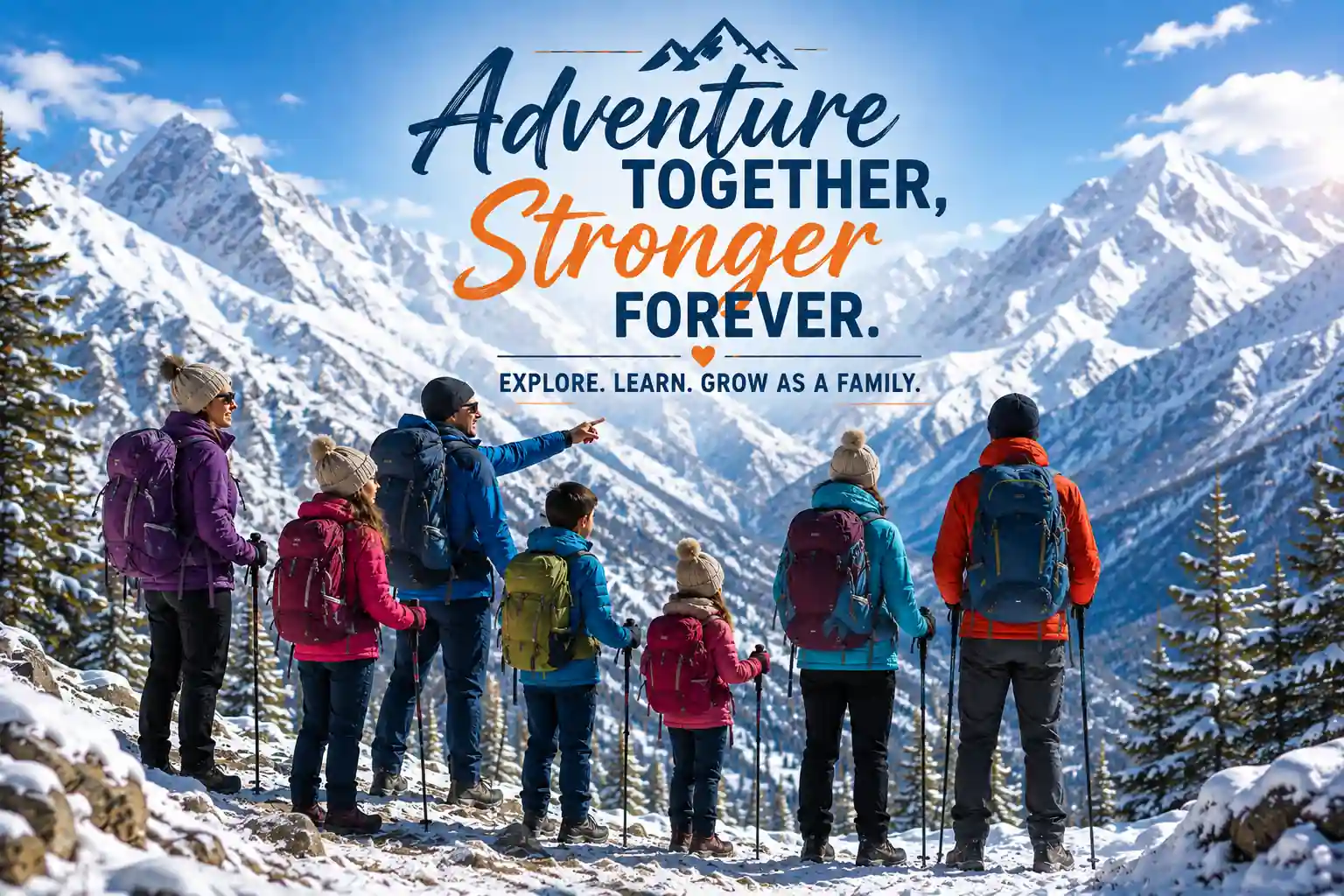
Choosing a family adventure program for your child is about much more than finding an exciting destination. The right program should help children explore, learn, become more confident, and enjoy meaningful time with their parents and siblings—all while remaining safe and age-appropriate. From family trekking and camping to outdoor learning, nature activities, and adventure camps, families today have many options. But how do you know which one is actually right for your child? This guide will help parents evaluate a family adventure program based on age, safety, activities, learning opportunities, physical readiness, and the overall family experience.
Understand Your Child’s Age, Interests and Personality
The first step in choosing a family adventure program for kids is understanding what your child is comfortable with. A six-year-old who loves animals and nature may enjoy a gentle camping and wildlife experience, while a teenager who enjoys challenges may prefer trekking, rock climbing, cycling, or an adventure expedition.
Consider:
- Your child’s age and developmental stage
- Physical fitness and stamina
- Interest in outdoor activities
- Comfort with new environments
- Fear of heights, water, insects, or unfamiliar surroundings
- Ability to participate independently
- Previous camping or trekking experience
The best family adventure activities for children should challenge them without making them feel overwhelmed.
Choose Age-Appropriate Adventure Activities
Adventure does not have to mean extreme physical activity. A well-designed family adventure program offers experiences according to different age groups and abilities. Younger children may enjoy:
- Nature walks
- Treasure hunts
- Camping
- Outdoor games
- Basic environmental activities
- Storytelling around a campfire
- Simple team-building exercises
Older children and teenagers may enjoy:
- Family trekking
- Cycling expeditions
- Rock climbing
- Rappelling
- River activities
- Orienteering
- Leadership challenges
- Outdoor survival skills
Parents should look for programs that provide age-appropriate adventure activities instead of treating every child in the same way.
Check the Safety Standards Before Booking
Safety should always come before excitement when selecting an adventure program for families.
Before making a booking, ask the organizer about:
- Instructor qualifications
- First-aid and emergency response training
- Participant-to-instructor ratio
- Medical and emergency procedures
- Equipment inspection
- Weather-related contingency plans
- Transportation arrangements
- Communication systems
- Child safeguarding procedures
- Emergency evacuation arrangements
A professional adventure company should be transparent about its child safety protocols and should not hesitate to answer parents’ questions.Remember: a great adventure is one where children return home with wonderful memories—not unnecessary risks.
Look for Experienced and Qualified Instructors
The quality of instructors can significantly influence your child’s adventure experience. Experienced outdoor educators do more than manage activities. They encourage children, explain safety procedures, recognize individual limitations, and turn challenges into learning opportunities. Look for programs led by instructors with relevant outdoor qualifications, first-aid training, rescue experience, and substantial field experience.
For families considering trekking or mountain programs, experience in the specific environment is particularly important.
Consider the Physical Difficulty of the Program
A common mistake is choosing an adventure based only on the destination or photographs. A beautiful Himalayan trek may look appealing online but could be unsuitable for a child who has never walked long distances.
Check:
- Daily walking distance
- Altitude gain
- Trek duration
- Terrain difficulty
- Weather conditions
- Accommodation arrangements
- Rest periods
- Availability of food and drinking water
For beginners, start with a family-friendly outdoor adventure that matches your child’s current fitness level. Gradually increasing difficulty can help children develop endurance and confidence.
Look Beyond Adventure: Focus on Learning
The best family adventure programs for children combine recreation with learning.
Outdoor experiences can encourage children to develop communication, teamwork, decision-making, problem-solving, leadership, adaptability, and environmental awareness. For example, navigating a trail can introduce basic decision-making. Setting up a campsite can develop cooperation. Completing a group challenge can teach children how to communicate and support others. This makes adventure travel more than a holiday—it becomes a transformational learning experience for children.
Evaluate the Family Participation Model
Ask whether parents are expected to participate actively or whether children spend most of the program with instructors. Both models can work, but the right choice depends on your family’s expectations.
A well-designed parent-child adventure program can create opportunities for families to:
- Solve challenges together
- Explore nature
- Share responsibilities
- Communicate without digital distractions
- Celebrate achievements
- Build stronger relationships
For many families, these shared experiences become more valuable than the destination itself.
Check the Group Size
Group size can have a major impact on a child’s experience. Smaller groups generally allow instructors to provide more individual attention and understand each child’s strengths and limitations. Ask the provider about the participant-to-instructor ratio and how children are grouped according to age and ability. A balanced group structure can make children feel more comfortable while allowing instructors to monitor them effectively.
Review Food, Accommodation and Comfort
Adventure does not mean families should ignore basic comfort. Before booking, understand what accommodation is provided and whether it is appropriate for children. Check sleeping arrangements, toilets, hygiene standards, drinking water, meals, and dietary requirements. For longer family camping programs, ask whether children are expected to carry equipment or perform physically demanding camp tasks. Small practical details can make a significant difference to the overall family experience.
Consider the Program’s Educational and Environmental Values
Children can develop a stronger relationship with nature when adventure programs incorporate environmental education.
Look for experiences that teach:
- Responsible tourism
- Leave-no-trace principles
- Wildlife awareness
- Waste management
- Local culture
- Conservation
- Respect for natural habitats
A responsible outdoor education program for families should leave children with greater appreciation for the environment rather than simply using nature as a backdrop.
Read Reviews and Ask the Right Questions
Online reviews can provide useful insights, but parents should look beyond star ratings. Pay attention to comments about instructor behaviour, safety, organization, communication, food, accommodation, and how children responded to the experience. Before booking, ask the adventure provider:
Who will supervise my child?
What happens during an emergency?
What level of fitness is required?
What equipment is provided?
How are children grouped?
What happens if my child becomes uncomfortable or wants to stop an activity?
The quality and transparency of the answers can tell you a lot about the organization.
Choose Experience Over Just Excitement
The most memorable family adventure programs are not necessarily the ones with the biggest thrills. For children, the real transformation may come from successfully completing their first trek, helping a sibling cross a challenging section, sleeping in a tent, making new friends, or discovering that they can do something they initially thought was impossible. Parents should therefore evaluate adventure programs based on the complete experience—safety, learning, confidence, connection, and enjoyment.
Final Thoughts: Make the Adventure Meaningful
Choosing the right family adventure program for your child requires thoughtful planning. Consider your child’s age, personality, fitness level, interests, safety requirements, and learning needs before selecting a program. The right experience can become much more than a family holiday. It can help children become more confident, independent, resilient, cooperative, and curious about the world around them. Ultimately, the best family adventure is one that gives children the confidence to say, “I did it!” while giving parents the joy of experiencing that transformation alongside them.