 Max Participants :
15
Max Participants :
15
 Trail Type :
Starting and ending at the same point
Trail Type :
Starting and ending at the same point

Itinerary Description
Deo Tibba Base Camp Trek – A Scenic Himalayan Adventure in Himachal Pradesh
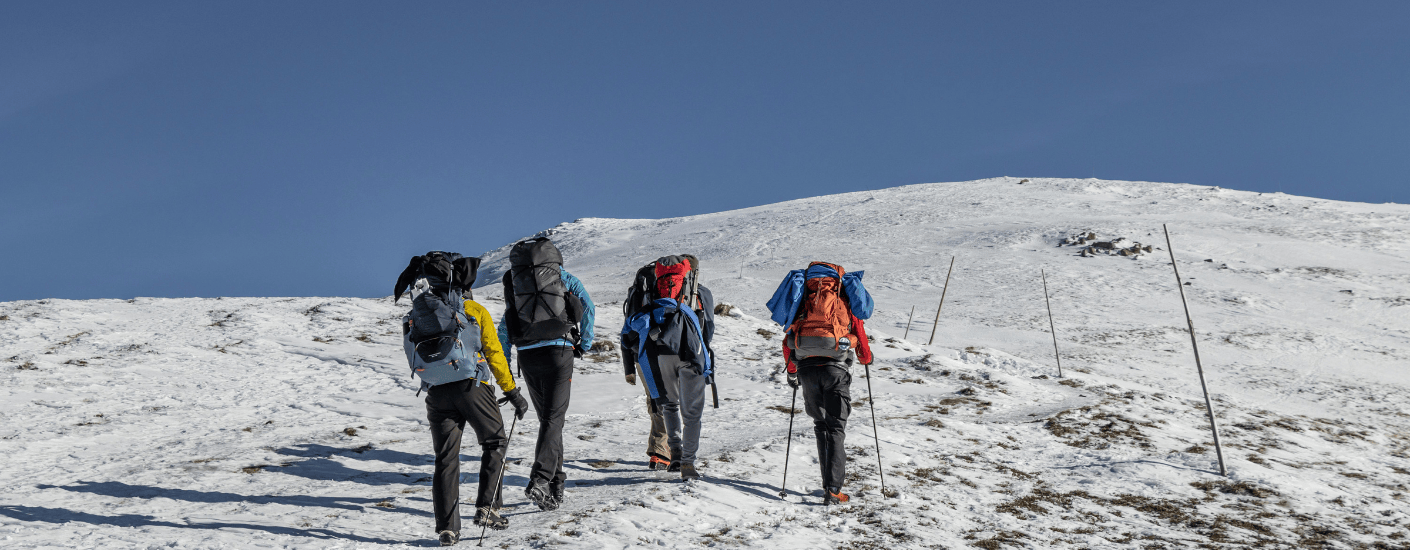
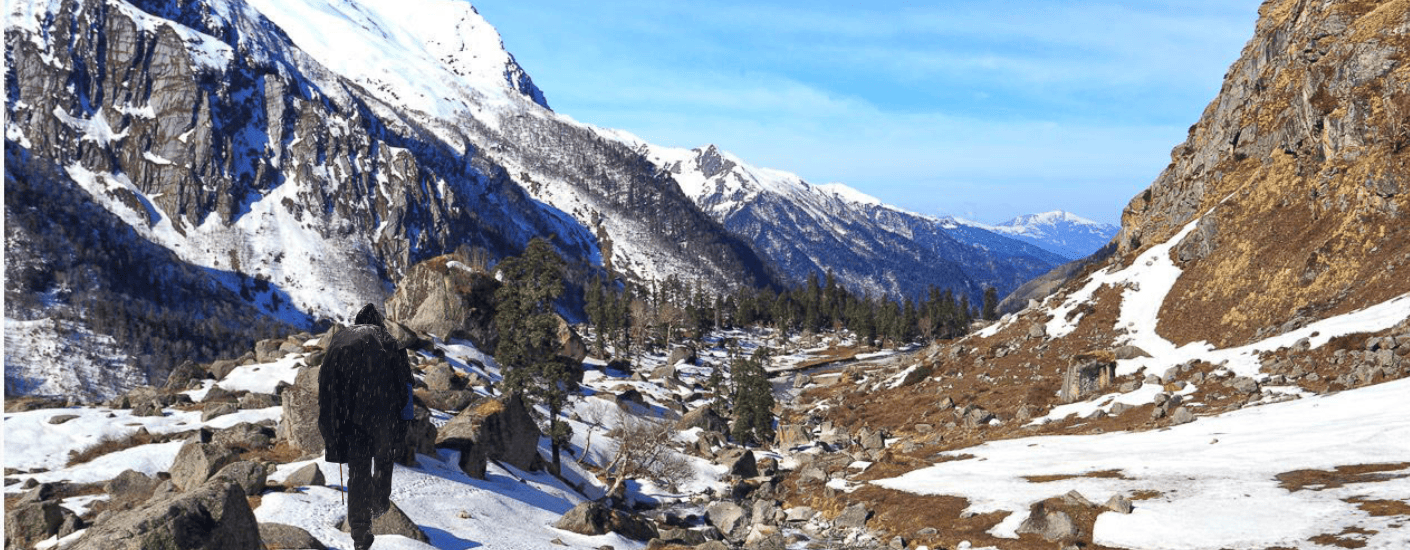
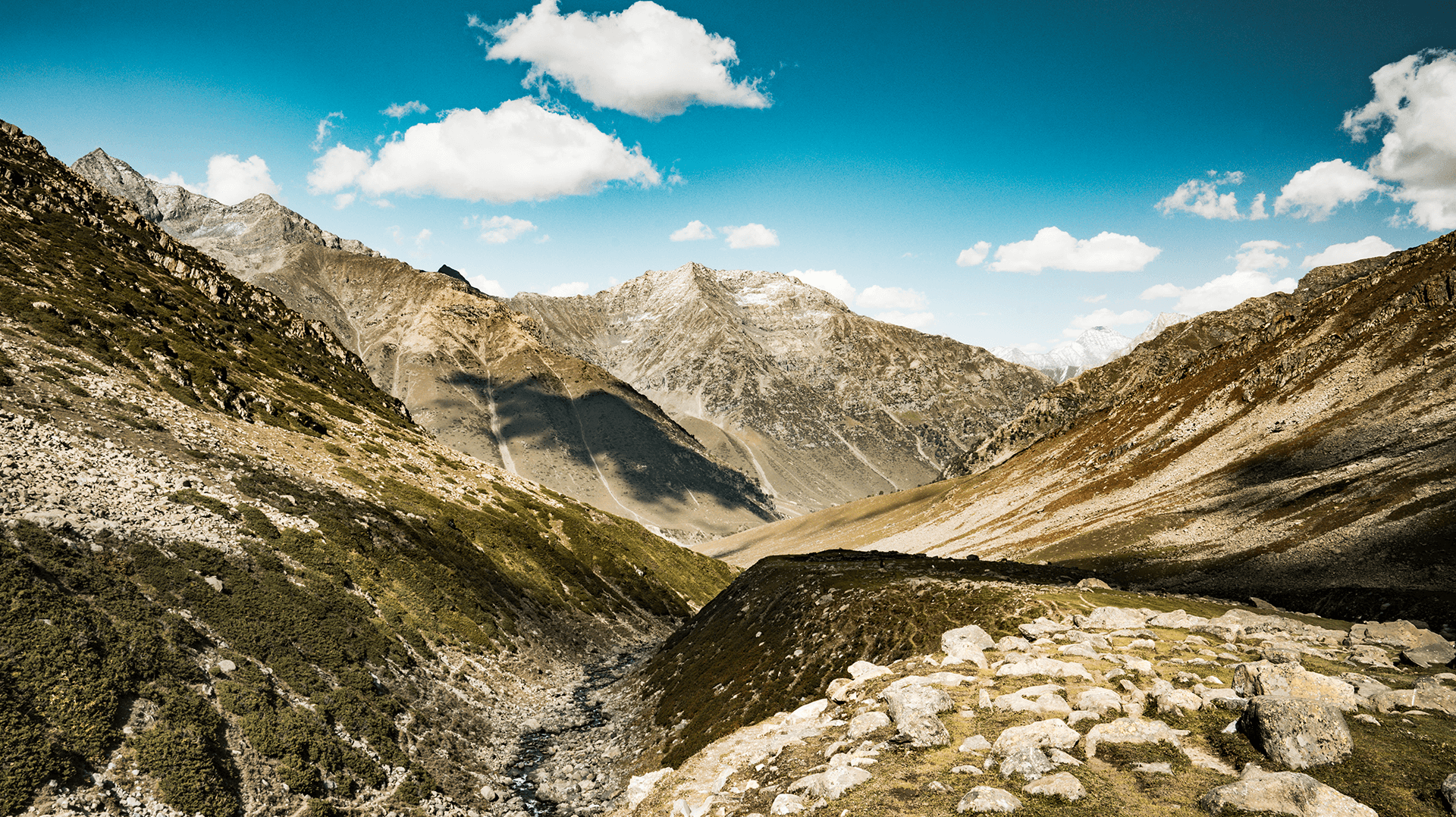
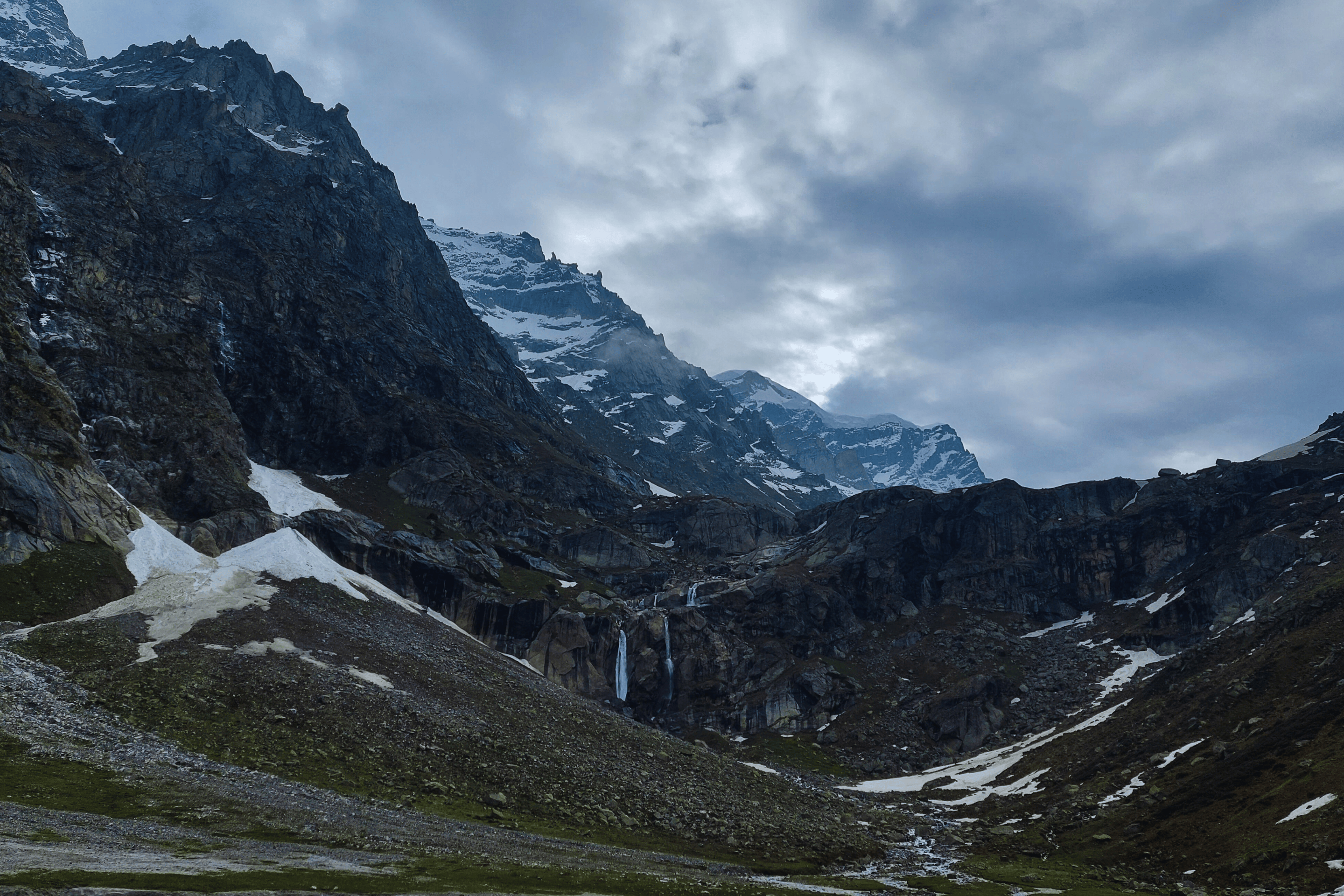
The Deo Tibba Base Camp Trek is one of the most beautiful high-altitude treks in Himachal Pradesh, offering the perfect blend of adventure, nature, and breathtaking Himalayan scenery. Located in the Pir Panjal Range near Manali, this spectacular Himalayan base camp trek takes you through lush forests, alpine meadows, crystal-clear rivers, wooden bridges, waterfalls, glacial streams, and magnificent mountain landscapes.
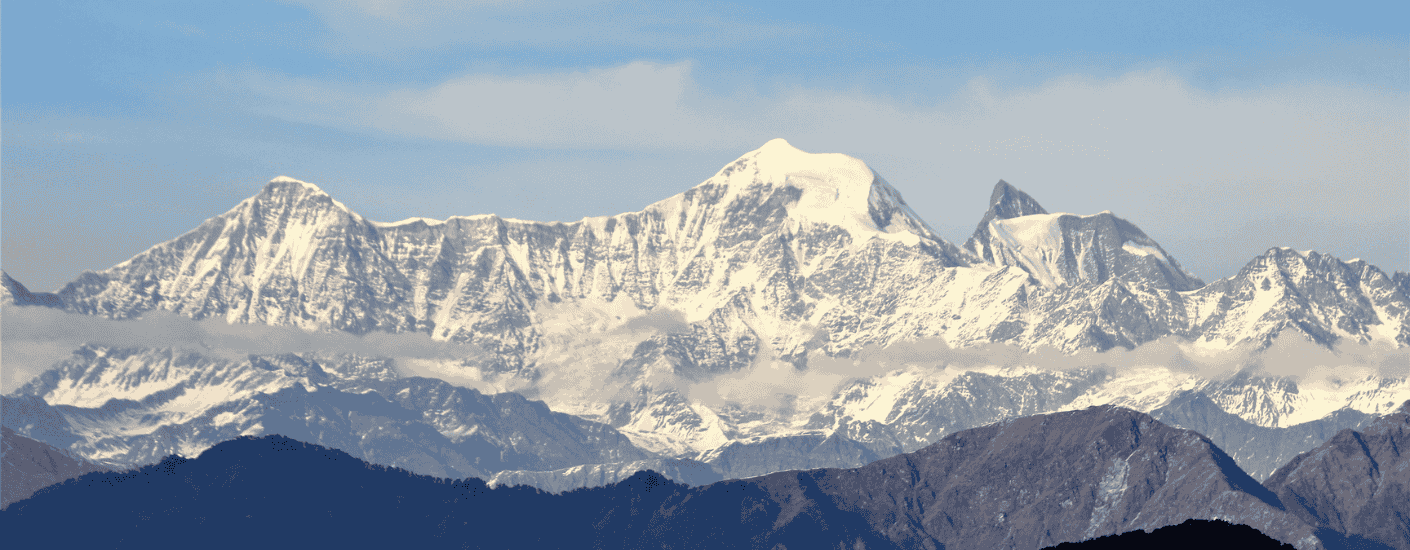
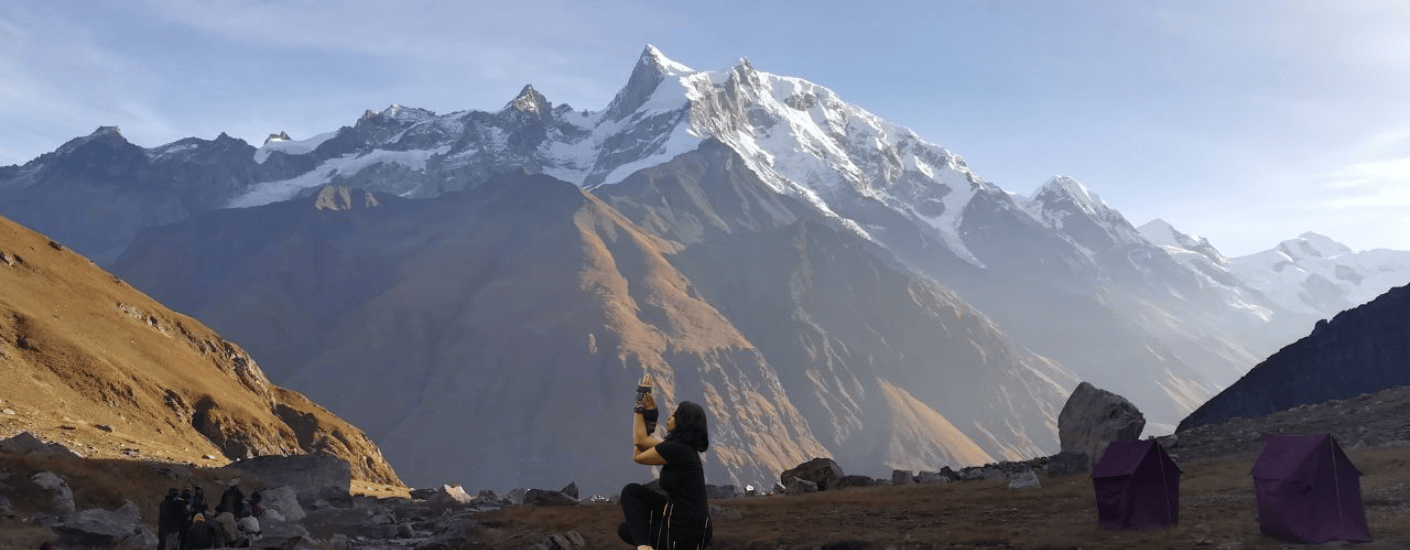
Standing beneath the towering Deo Tibba Peak (6,001 m), the trek rewards you with unforgettable views of Indrasan Peak, Jagatsukh Peak, Norbu Peak, hanging glaciers, and the famous Chota Chandratal Lake. Every day offers a new experience, making it one of the best trekking adventures in Himachal Pradesh for nature lovers, photographers, and adventure seekers.
Whether you're searching for the Deo Tibba Base Camp Trek package, Deo Tibba Base Camp Trek itinerary, Deo Tibba Base Camp Trek price, or a complete Deo Tibba Base Camp Trek guide, this unforgettable Himalayan journey promises an incredible adventure in the heart of the mountains.
Best Time to Trek
The best time for the Deo Tibba Base Camp Trek is from May to June and September to October, when the weather is pleasant, the trails are accessible, and the Himalayan views are crystal clear.
Summer (May–June)
Summer transforms the trail into a paradise of blooming wildflowers, green alpine meadows, flowing waterfalls, and snow-covered mountain peaks. The pleasant weather makes it one of the best seasons to enjoy camping in the Himalayas, glacier views, and peaceful mountain landscapes.
Autumn (September–October)
Autumn offers clear blue skies, cool temperatures, and spectacular panoramic views of Deo Tibba Peak, Indrasan Peak, and the surrounding Pir Panjal Range. This season is perfect for trekking, landscape photography, and enjoying the beauty of the Himalayas without the monsoon clouds.
Difficulty Level
The Deo Tibba Base Camp Trek is a moderate-level Himalayan trek, making it suitable for beginners with good fitness as well as experienced trekkers. The trail includes gradual ascents, forest paths, rocky sections, river crossings, glacier streams, and high-altitude camping.
Regular walking, cardio exercises, and basic fitness preparation are enough to enjoy this trek comfortably. With experienced trek leaders, proper acclimatization, and quality trekking equipment, the journey is safe, enjoyable, and rewarding for anyone looking to experience a classic Himalayan base camp trek.
Major Highlights of the Deo Tibba Base Camp Trek
- Trek to the spectacular Deo Tibba Base Camp at the foot of Deo Tibba Peak (6,001 m).
- Enjoy breathtaking views of Indrasan Peak, Jagatsukh Peak, Norbu Peak, and the Pir Panjal Range.
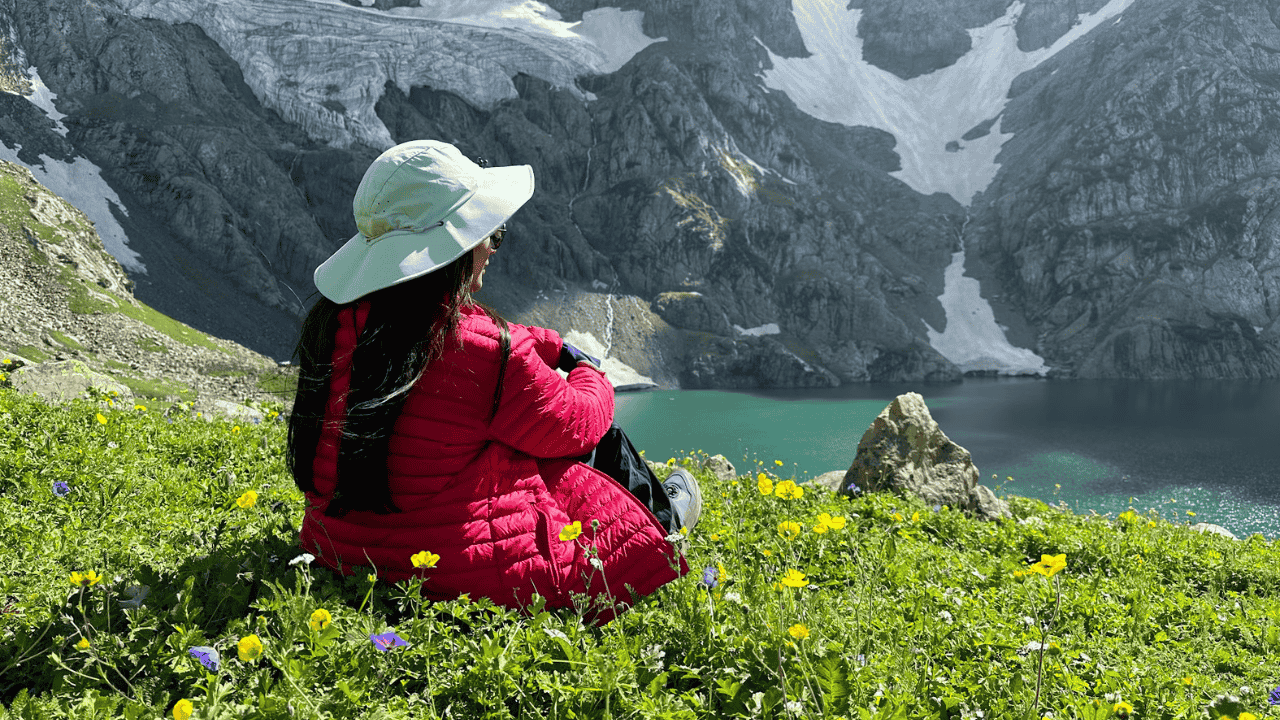
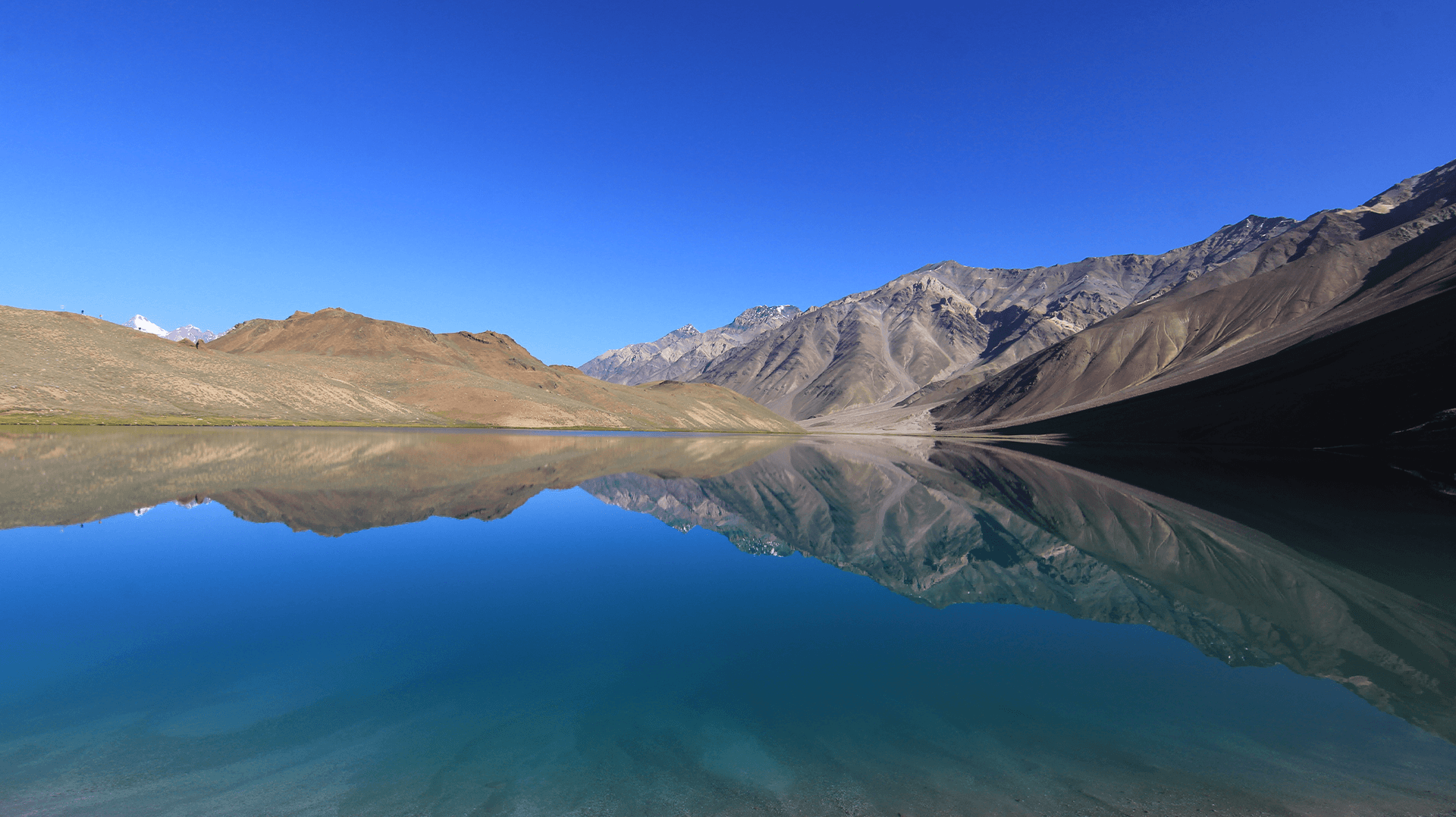
- Visit the beautiful Chota Chandratal Lake, a hidden alpine lake surrounded by snow-covered mountains.
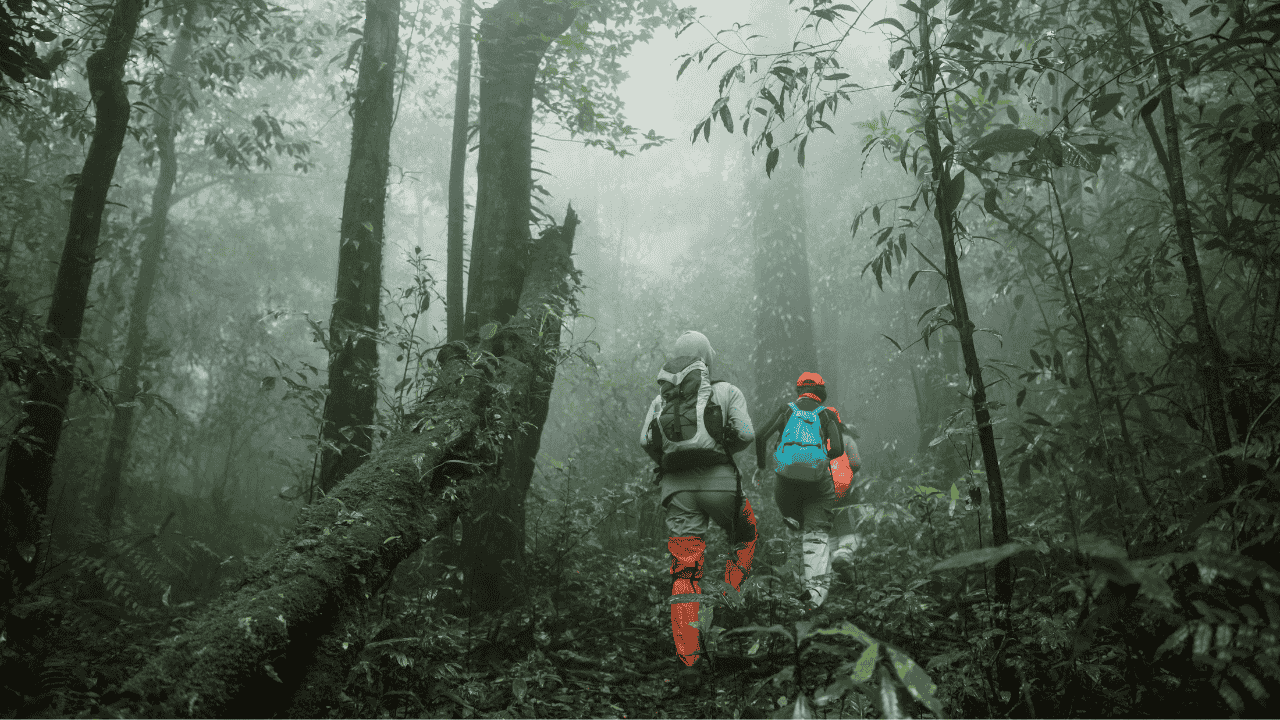
- Walk through dense pine, oak, and deodar forests filled with Himalayan flora and wildlife.
- Cross crystal-clear rivers, wooden bridges, waterfalls, and glacier-fed streams.
- Camp in beautiful alpine meadows beneath star-filled Himalayan skies.
- Experience one of the finest base camp treks in Himachal Pradesh with stunning glacier and mountain views.
- Capture incredible sunrise and sunset views over the snow-capped Himalayas.
- Perfect for photographers, families, first-time trekkers, and adventure enthusiasts.
- An ideal choice for anyone looking for an unforgettable Himalayan trekking adventure near Manali.
The Deo Tibba Base Camp Trek is more than just a trek—it's a journey into the heart of the Himalayas, where every trail leads to breathtaking landscapes, peaceful campsites, and unforgettable mountain experiences. If you're looking for one of the best treks in Himachal Pradesh, this adventure deserves a place on your bucket list.

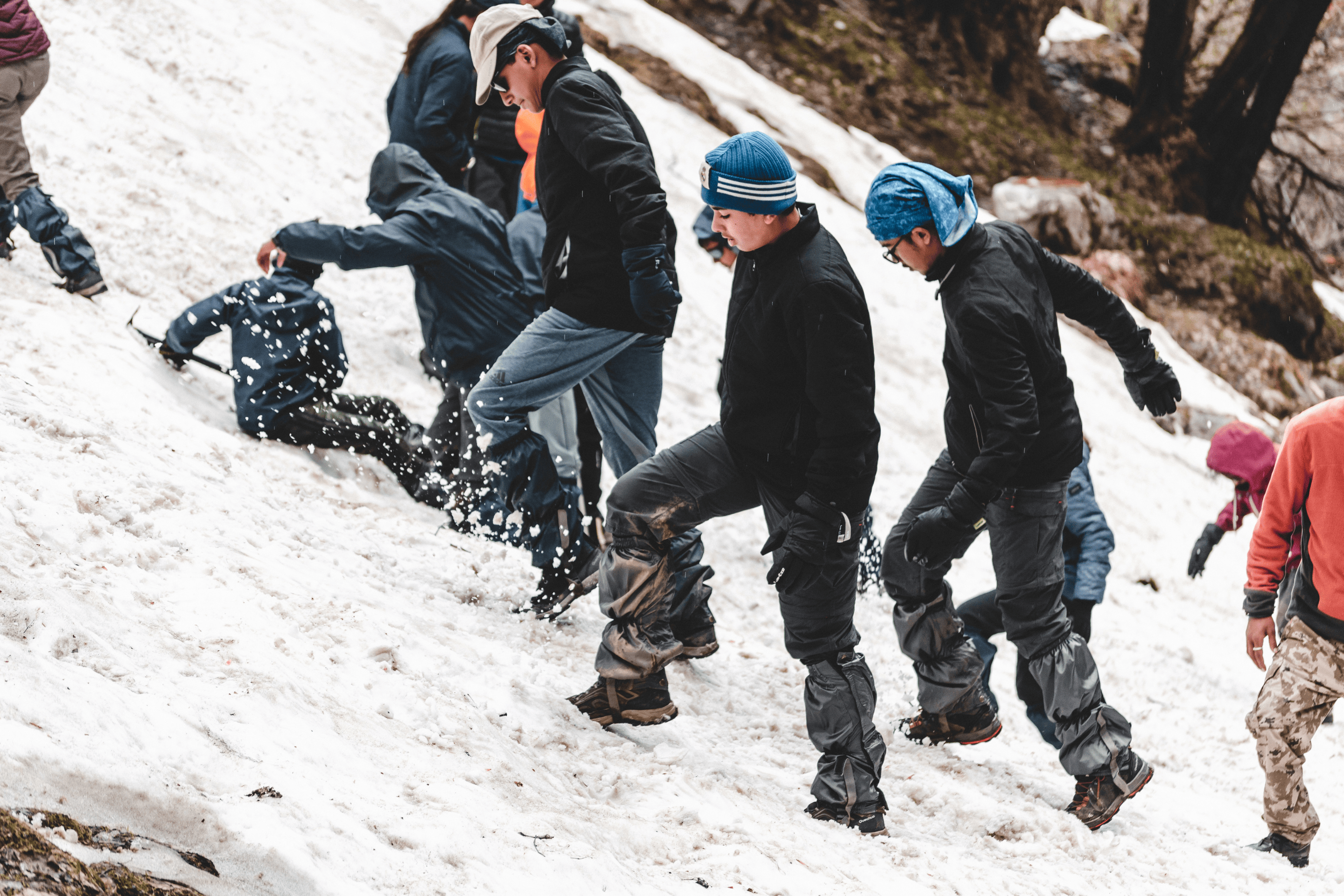
Short Itinerary
Drive Manali to Khanol (2700 mts) 15 km ( 1.5 hours) and Trek to Chikka (3200 mts) 5 km (2-3 hours)
Chikka (3200 mts) to Seri (3600 mts) 6 km ( 5 to 6 hours )
Seri (3600 mts) to Tainta (3900 mts) 3 km (3 to 4 hours )
Tainta (3900 mts) to Mini Chandratal (4480 mts)- Tainta (3900 mts) 10 km (6 to 7 hours)
Tainta (3900 mts) to Chikka (3200 mts) 9 km (5 to 6 hours)
Chikka (3200 mts) to Khanol (2700 mts) 5 km (2-3 hours) and Drive to Manali 15 km ( 1.5 hours)
Detailed Itinerary
Day 1
Drive Manali to Khanol (2700 mts) 15 km ( 1.5 hours) and Trek to Chikka (3200 mts) 5 km (2-3 hours)
Your Deo Tibba Base Camp Trek begins with a short drive from Manali to Khanol, the starting point of this beautiful Himalayan adventure. After a trek briefing and equipment check, begin your walk along the scenic trail that follows the crystal-clear Jagatsukh Nala.
The route passes through dense deodar, pine, and oak forests, wooden bridges, grazing meadows, and flowing mountain streams before reaching the peaceful campsite at Chikka.
Highlights
- Scenic drive from Manali
- Trek beside Jagatsukh Nala
- Dense deodar and pine forests
- Wooden bridges and waterfalls
- Beautiful riverside campsite
Day 2
Chikka (3200 mts) to Seri (3600 mts) 6 km ( 5 to 6 hours )
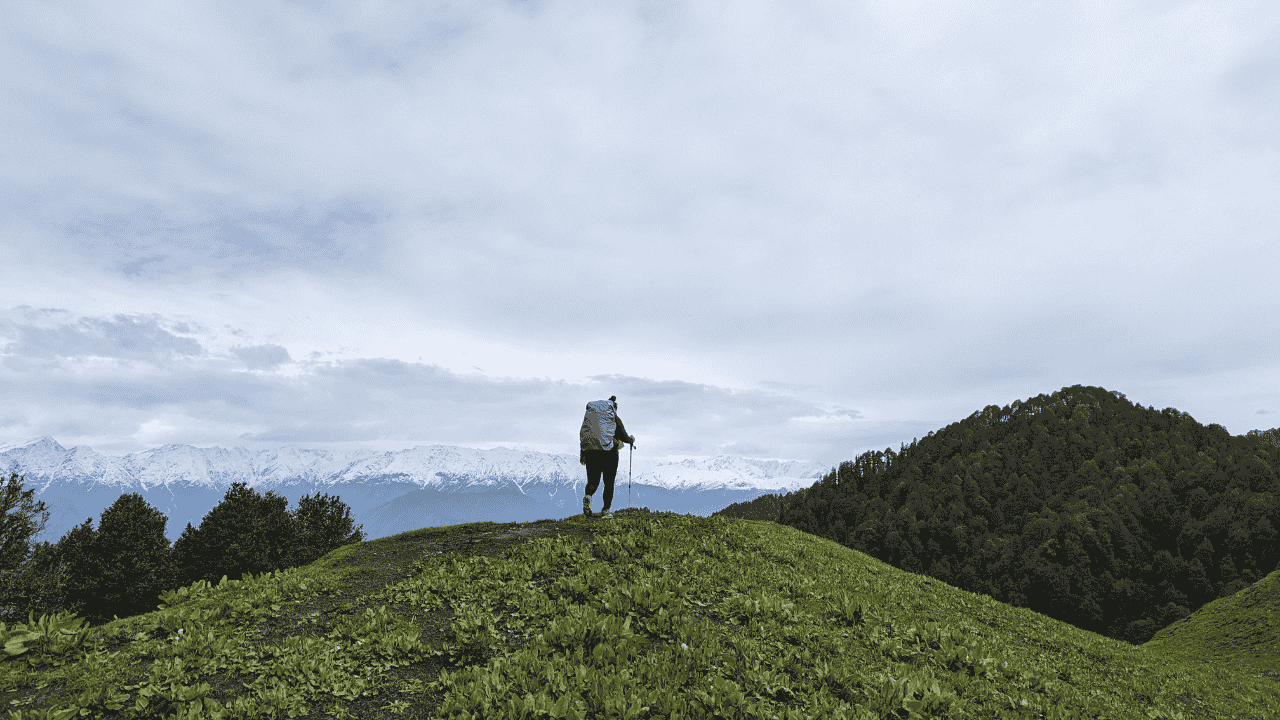
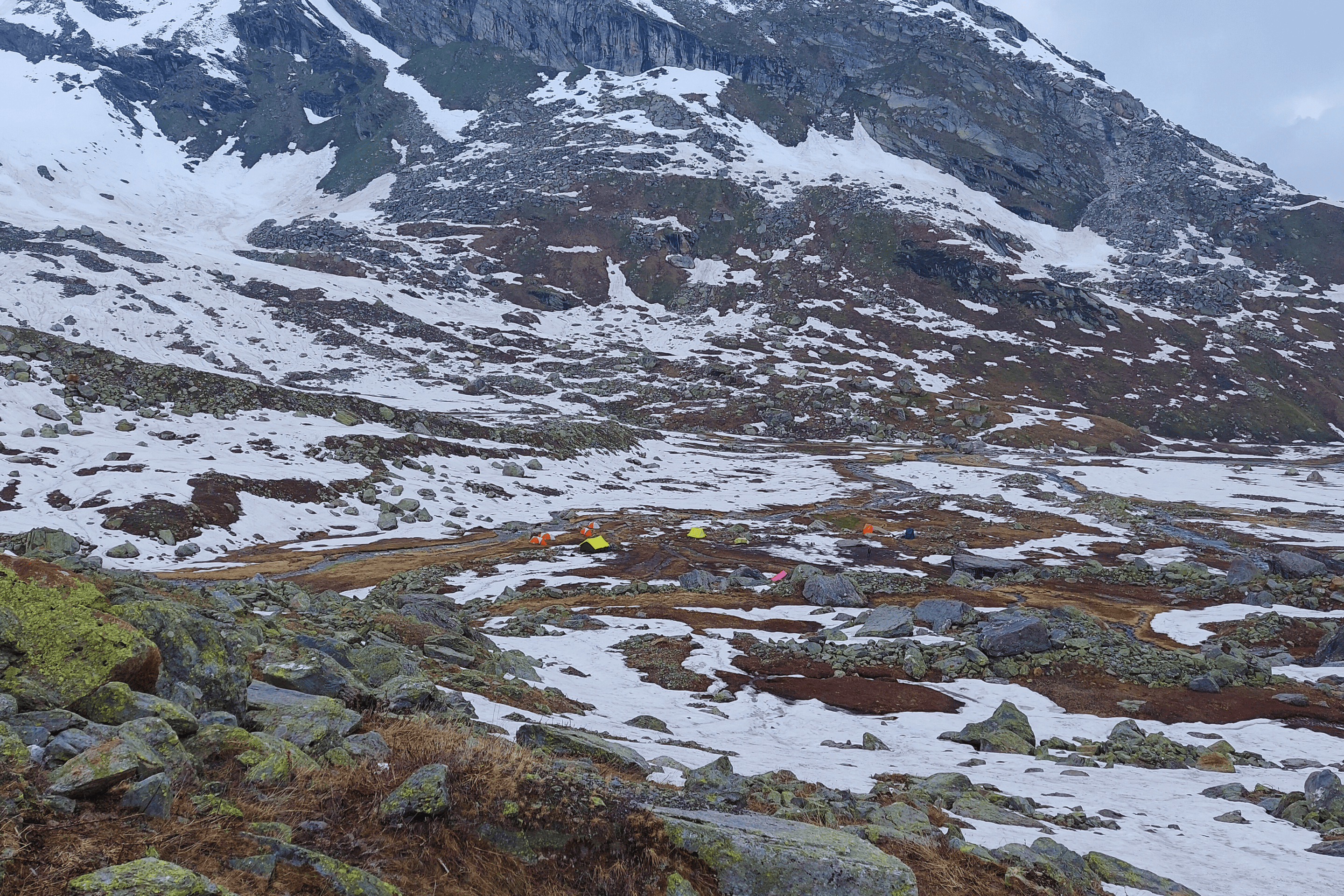
Today's trail gradually climbs into the heart of the Pir Panjal Range, leaving the forests behind and entering wide alpine meadows. As you gain altitude, enjoy breathtaking views of surrounding snow-covered mountains, glacier-fed streams, and untouched Himalayan landscapes.
Reach Seri, a beautiful open meadow surrounded by towering peaks, where you'll camp beneath a sky full of stars.
Highlights
- Alpine meadows
- Glacier-fed rivers
- Panoramic mountain views
- Wildflowers during summer
- High-altitude camping
Day 3
Seri (3600 mts) to Tainta (3900 mts) 3 km (3 to 4 hours )
Although the distance is short, today's trek is important for gradual acclimatization. The trail crosses rocky terrain, glacial streams, and scenic mountain ridges while offering increasingly dramatic views of the Deo Tibba massif.
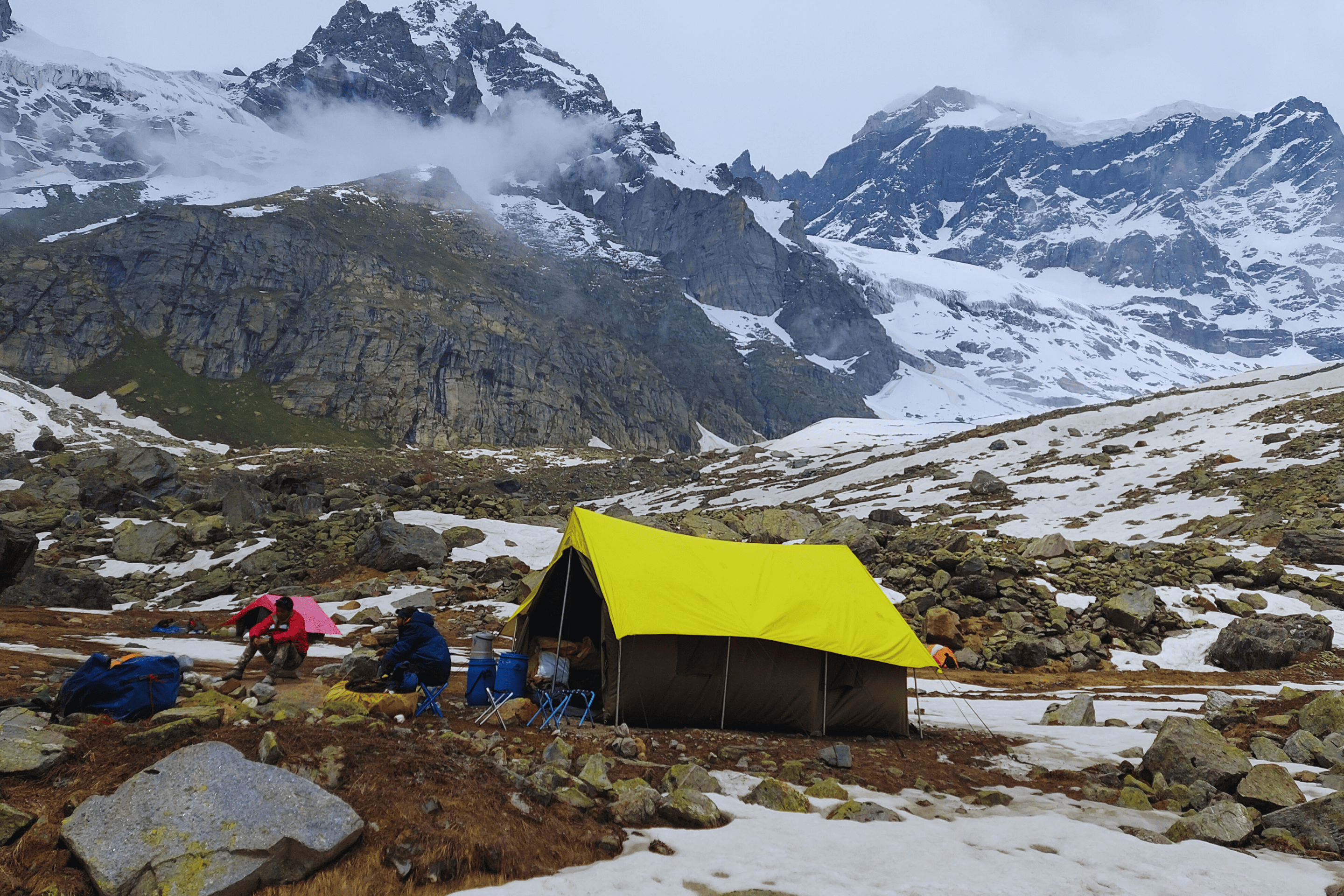
As you arrive at Tainta, you'll be surrounded by towering Himalayan peaks and pristine alpine landscapes, making it one of the most scenic camps of the trek.
Highlights
- High-altitude acclimatization
- Rocky mountain trails
- Glacial landscapes
- Spectacular campsite views
- Peaceful Himalayan wilderness
Day 4
Tainta (3900 mts) to Mini Chandratal (4480 mts)- Tainta (3900 mts) 10 km (6 to 7 hours)
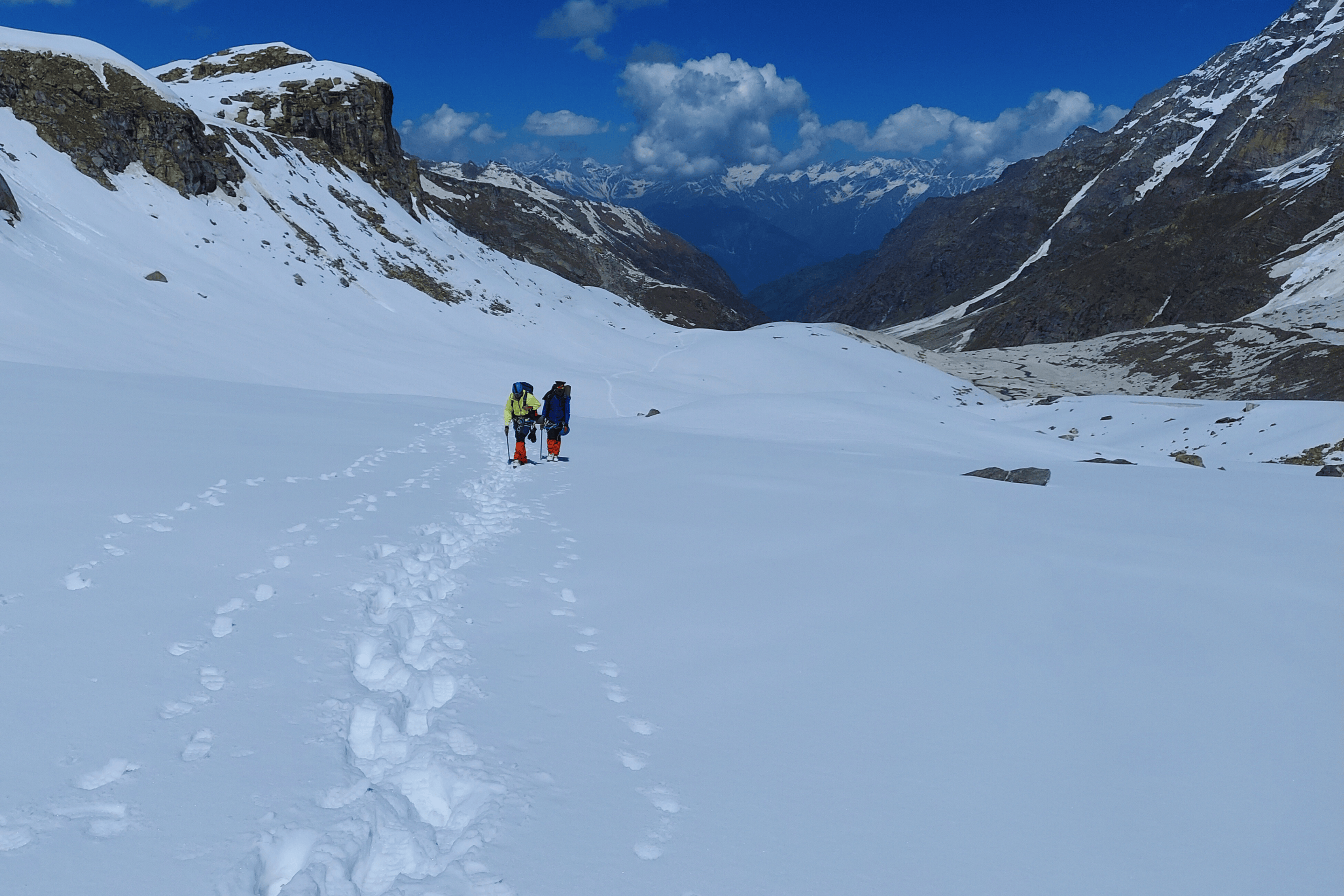
Today is the highlight of the Deo Tibba Base Camp Trek. Begin early and trek towards the breathtaking Mini Chandratal, a beautiful alpine lake located beneath the towering Deo Tibba Peak.
The trail passes across moraine fields, glacier-fed streams, and rocky mountain terrain before reaching this pristine lake, which perfectly reflects the surrounding snow-covered peaks on clear days.
Spend time soaking in the incredible scenery before returning to Tainta for your overnight stay.
Highlights
- Mini Chandratal Lake
- Deo Tibba Peak (6,001 m)
- Indrasan Peak views
- Glacier and moraine landscapes
- One of the best Himalayan base camp experiences
- Stunning mountain photography opportunities
Day 5
Tainta (3900 mts) to Chikka (3200 mts) 9 km (5 to 6 hours)
Begin your descent through scenic alpine meadows, glacial valleys, and flowing rivers. As you lose altitude, the rugged landscape gradually changes back into lush forests filled with deodar and pine trees.
Arrive at Chikka, where you can relax beside the river and celebrate the successful completion of your summit journey.
Highlights
- Scenic descent through alpine meadows
- Glacier-fed rivers
- Forest trails
- Mountain photography
- Riverside campsite
Day 6
Chikka (3200 mts) to Khanol (2700 mts) 5 km (2-3 hours) and Drive to Manali 15 km ( 1.5 hours)
The final day begins with an easy walk from Chikka back to Khanol, following the beautiful forest trail and mountain streams one last time.
From Khanol, enjoy a short drive back to Manali, carrying unforgettable memories of one of the finest base camp treks in Himachal Pradesh.
As your journey ends, you'll take home memories of lush valleys, alpine meadows, glacier-fed rivers, breathtaking campsites, and the incredible beauty of the Deo Tibba Base Camp Trek.
Highlights
- Easy forest trek
- Scenic drive to Manali
- Views of the Pir Panjal Range
- Completion of the Deo Tibba Base Camp Trek
- Return with unforgettable Himalayan memories
WHAT'S INCLUDED
- ●Meals during the trek (Day 1 Lunch till Day 6 Breakfast)
- ●Forest Permits/Camping Charges (only if availing transportation through The Wanderin Mans). Included only up to amount charged for Indian Nationals
- ●Transportation from Manali to Manali
- ●Tents, Sleeping bags, mattress
- ●Safety Equipment includes Helmet, Micro spikes, Safety kit and Gaiters if required
- ●Experience Trek guide, cook, helpers, porters & mules for carrying common luggage
- ●Experience and Mountaineering course Certified Trek Leader
WHAT'S NOT INCLUDED
- ●Meals during road journeys
- ●Offloading of personal bags
- ●Cost of any kind of Insurance. Since insurance is mandatory, kindly get yourself insured from our partners ASC360 through www.asc360.com
- ●Any expense of personal nature
- ●Emergency Evacuation Cost
- ●Any expense not specified in the inclusion list
Are you eligible for this adventure?
Annapurna Base Camp Trek takes you to a height of 4,130M and is rated a moderate level trek for its long trekking distances. For its elevation and distances, it is recommended for trekkers with some prior experience in the high-altitudes.
Grade
Moderate
Max Altitude
4480 mts
Distance
37 km

WMRS Level Required

Terrain

Prerequisite Skills

Fitness Benchmark
WMRS Level Required
WMRS 4
Annapurna Base Camp Trek is a level 4 adventure on the Bikat Rating Scale.
This makes it mandatory for you to have high-altitude experience of preferably multiple treks marked at level 3 on the WMRS. The altitude, the terrain, and the nature of the climb demand a certain level of endurance and a need for you to be aware of how your body reacts to the various features of the high-altitude environment.
If you do not know what level of WMRS trek would suit you best, worry not! Fill out this Form:
We will send you a progression chart to help you comfortably get out of your comfort zone in order to level up and ultimately reach your highest potential in the big, bad world of outdoor adventure.
Frequently Asked Questions
Packing List
This is a list of essential items for individuals going on a trek with Wanderin’ Man Adventures. This list contains only those items which the participants are required to bring with them. The list excludes those items which are provided by Wanderin’ Man Adventures on the trek. We have divided the items into five categories. All the items in the list are essential except for those marked as optional.
🟩 Trekking Gear
- Rucksack bag with rain cover
- Day Pack Bag - Recommended for treks with summit day
- Head Torch with spare Batteries
- UV protection sunglasses
- Water Bottles - 2 bottles of 1 liter each
🟩 Footwear
- Non-skid, deep tread, high-ankle trekking shoes - 1
- Pair of light weight Slipper/Sandals for the campsite - 1
🟩 Clothing
- Quick Dry Warm lower or Track Pants - 2
- Full sleeves T-shirts/Sweatshirts (1 for every 2 days of trekking)
- Pair of thick woolen socks (1 pair for every two days of trekking)
- Thermal Body warmer Upper & Lower - 1
- Undergarments (1 for each day of the itinerary)
- Warm jacket closed at wrist & neck - 1
- Full sleeves sweater - 1
- Rain wear (Jacket & Pants) - 1
- Pair of water-proof, warm gloves - 1
- Woolen cap - 1
- Sun shielding Hat - 1
- Multipurpose Buff - 2
🟩 Toiletries
- Personal toiletries kit (Small Towel, Toilet paper, paper soap, Bar soap, toothbrush, toothpaste, cold cream, etc.)
- Sun screen lotion small pack (SPF 30 & Above) - 1
- Lip Balm small pack - 1
🟩 Utensils
- Small size, Lightweight & Leak proof lunch box - 1
- Plate - 1
- Spoon - 1
- Tea/Coffee (plastic) Mug - 1
🟩 Miscellaneous
- Camera (Optional)
- Carry your medicines in plenty in case you have any specific ailment. Consult your doctor before joining the trek.
- Dry fruits, Nuts, Chocolate bars (Optional)
Note-
- For long treks, please carry a spare sunglasses.
- For winter trek please try to carry a thermal water bottle.
- For long winter treks, please carry an extra pair of warm pants.
Why Wanderin' Man?
(SET- Safety, Expertise & Trust )

Safety
- ●Small Group Size in the ratio of 6:1 (participant to leader)
- ●No compromise on safety and sustainability promise
- ●Experienced and Certified Mountaineering Professional Leaders
- ●Region Mapped with Emergency Evacuation Plan
- ●Certified Standard Equipment by UIAA (International Climbing and Mountaineering Federation certification) & other Similar Bodies
- ●Minimized Risk Management Standard Operating Procedure are applied for every Trek and tour
- ●Certified First Aid Support and Doctors* with constant availability of Safety Equipments like Medical Kit, Rescue Kit
- ●Constant communication is aided with the help of Communication Devices
- ●Certified and registered Transporter for transportation purpose

Expertise
- ●Founders of the company have extensive experience of 15 years having organized approx 2000+ trekking, Expeditions and other adventure activities.
- ●Wanderin’ Man Adventures operating expeditions above 8000 mts.
- ●Under the umbrella of Wanderin’ Man Adventures 15 + adventure activities Programs have been organized
- ●Founders have mountaineering certifications from the esteemed mountaineering institutes of India.
- ●Team is composed of experienced mountaineers and trek leaders with thorough understanding of norms and procedures.

Trust
- ●Trust has been the hallmark of our company since its inception be it any program on the list.
- ●Special emphasis is laid on the use of standard procedures and equipments as per the mountaineering norms
- ●95% of our clients have availed our service on repeat basis.
- ●Our business has expanded primarily based on the “word of mouth” from our existing clients to new ones
What Our Customers Say


Cancellation Policy
Cash Refund (All events including Friendship Peak Expedition except other Mountaineering Expeditions) - Cash refunds are only available for bookings made without any discounts, such as promotional codes or dynamic discounts. Additionally, cash refunds are not available for shifted batch bookings or if the booking status is "Booked". Add-ons are non-refundable. The amount of the refund will be determined based on the following guidelines:
Cancellations made up to 45 days before the departure date
Cancellations made up to 31 days before the departure date
Cancellations made between 30 and 21 days before the departure date
Cancellations made between 20 and 11 days before the departure date
Cancellations made less than 11 days before the departure date are not eligible for a cash refund.
Voucher Refund Policy
Voucher Refund: This option is available for all types of bookings including the bookings made under promotional offers. The Wanderin' Man Adventures would offer you a short-term voucher that would enable you with a flexibility to book any other Wanderin' Man Adventures event using the voucher.
The option of claiming a voucher is available till 7 days prior to the departure of the event. The refund of the amount would be processed as per deduction guidelines outlined below:
The amount for refund processing would always be calculated basis the net amount paid* for booking the event with respect to the Base Price of the event (excluding additional components like transport, rent, portage, etc.).
Please note that the voucher issued would not include the service tax amount paid while making the booking. However, when you use the voucher to book again on our website, service tax would not be applicable on the voucher amount.
Validity of the voucher would be 24 months from the date of issue.
*Net Amount Paid would be the amount paid to Wanderin' Man Adventures at the time of booking after adjusting for all rebates provided by applying vouchers.
Similar Adventures
Khopra Ridge Trek
Less popular, less crowded, more beautiful alternative to ABC
- Nepal
- 10 Days
- BRS 4
- 4767 m
Tarsar Marsar Trek
A Shorter and Easier Alternative to the Kashmir Great Lakes Trek
- Kashmir
- 7 Days
- BRS 4
- 4024 m

Hampta Pass Trek
An Enchanting Cross-Over from Manali to Spiti
- Himachal
- 5 Days
- BRS 4
- 4200 m
.png)