 Max Participants :
12
Max Participants :
12
 Trail Type :
Cross over trail, Start one valley, cross the pass, and end to another valley
Trail Type :
Cross over trail, Start one valley, cross the pass, and end to another valley

Itinerary Description
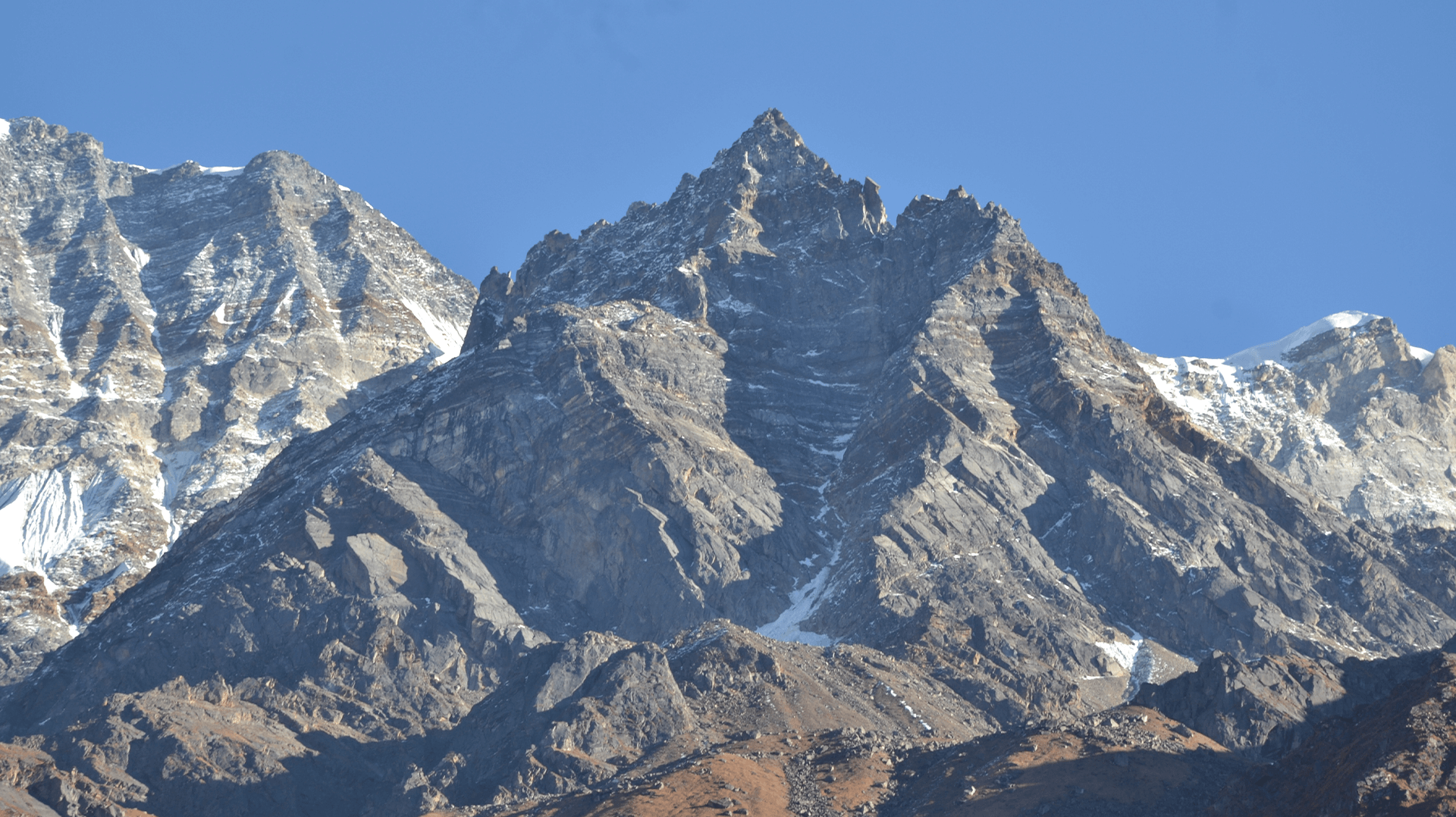
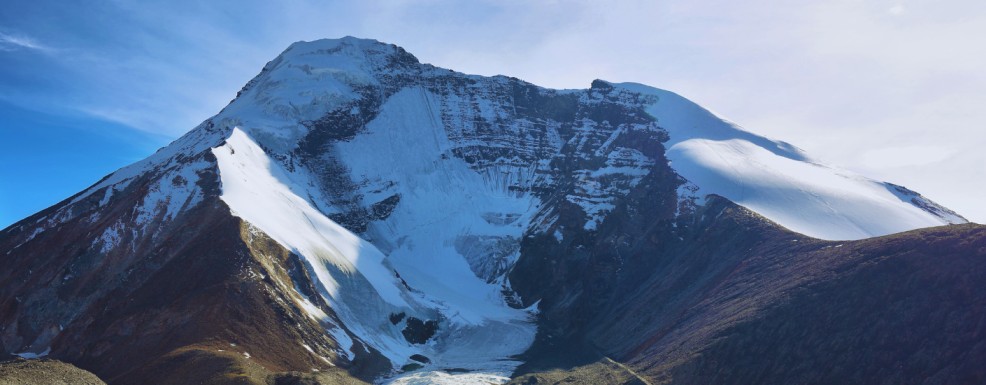
Kang Yatse Peak 1 is a prominent mountain located in the Markha Valley of Ladakh, India. Standing at around 6,400 meters (21,000 feet), it is the higher of the two Kang Yatse peaks. Known for its challenging climb and stunning panoramic views of the Zanskar and Ladakh ranges, it attracts experienced mountaineers. The trek usually begins from Chilling or Skiu, passing through scenic landscapes and remote villages. A permit is required, and acclimatization is crucial due to the high altitude.




Short Itinerary
Arrive in Leh (3500 mts)
Rest and Acclimatize in Leh (3500 mts). Visit Thiksay Monastery and Shanti Stupa
Drive to from Leh (3500 mts) to Skiu (3500 mts) 75 km (3 hours) and Trek to Sara (3600 mts) 11 km (5 to 6 hours)
Sara (3600 mts) to Markha (3750 mts) 10 km (5 to 6 hours)
Markha (3750 mts) to Thochuntse (4300 mts) 10 to 11 km (5 to 6 hours )
Thochuntse (4300 mts) to Kang Yatse Base Camp (5100 mts) 8 to 9 Km (6 to 7 hours )
Rest and Acclimatization at Base Camp (5100 mts)
Base Camp (5100 mts) to Advance Base Camp (5425 mts) and back 5 to 6 km (6 to 7 hours)
Base Camp (5100 mts) to Advance Base Camp (5425 mts)
Advance Base Camp (5425 mts) to Summit Camp (5700 mts)
Summit Camp (5700 mts) to KY 1 Summit (6400 mts) and back to Base Camp (5100 mts)
Base Camp (5100 mts) to Chukdo (3900 mts)via Kongmaru La (5200 mts) 16 km (8 hours)and drive to leh (3 hours )
Departure from Leh (3500 mts)
Reserve day
Detailed Itinerary
Day 1
Arrive in Leh (3500 mts)
Your expedition begins with a dramatic flight into Leh, the capital of Ladakh, nestled in the high-altitude desert. Upon arrival, you'll be met by your expedition representative and transferred to your hotel. The entire day is dedicated to rest at 3,500 meters; your body immediately begins the acclimatization process. A gentle evening walk to the local market is acceptable, but anything more strenuous is discouraged. In the evening, your expedition leader will conduct a gear check and a brief orientation, outlining the days ahead and emphasizing safety protocols. Overnight stay in Leh.
Day 2
Rest and Acclimatize in Leh (3500 mts). Visit Thiksay Monastery and Shanti Stupa
Today balances cultural exploration with crucial altitude adaptation. Begin the day with an early morning walk to Shanti Stupa, a gleaming white dome perched on a hilltop offering panoramic views of Leh and the surrounding mountains. The gentle ascent helps your body adjust while rewarding you with breathtaking vistas.
After breakfast, go sightseeing around Leh: the best option would be to visit Thiksay Monastery, one of Ladakh's largest and most impressive gompas. Perched dramatically on a hill, this 12-story monastery is often compared to Tibet's Potala Palace and houses numerous stupas, statues, and thangkas. The climb through its levels provides additional gentle acclimatization. Return to Leh for a detailed expedition briefing from your leader, covering the climb's technical aspects, safety protocols, and daily expectations. Overnight stay in Leh.
Day 3
Drive to from Leh (3500 mts) to Skiu (3500 mts) 75 km (3 hours) and Trek to Sara (3600 mts) 11 km (5 to 6 hours)
Depart Leh early, driving along the Indus River and passing the dramatic confluence where the Indus and Zanskar rivers meet. The landscape is stark and breathtaking: barren mountains in shades of brown, grey, and purple, with the turquoise rivers carving through the valley floor. After crossing the river near Chilling, you'll begin your trek to Sara. The trail follows the Markha River through a narrowing gorge, offering your first taste of the valley that will be your home for the next several days. Sara is a small settlement with basic campsites surrounded by greenery: a rare oasis in this arid landscape. Overnight in tents at Sara.
Day 4
Sara (3600 mts) to Markha (3750 mts) 10 km (5 to 6 hours)
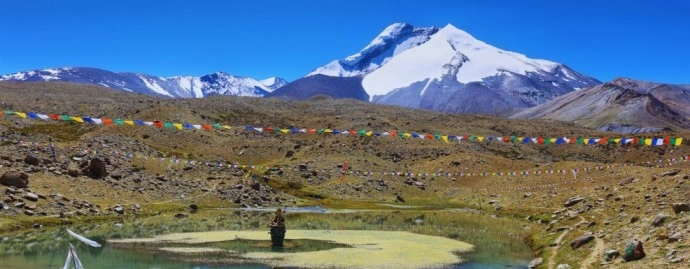
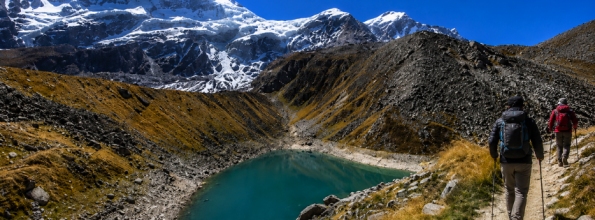
Today's trek takes you deeper into the Markha Valley, one of Ladakh's most celebrated routes. The trail follows the river, crossing it multiple times; these stream crossings can be waist-deep, depending on the season, and require careful navigation. The landscape is a striking contrast of barren rocky peaks and lush green pockets where villages cling to the riverbanks.
Upon reaching Markha Village, the largest settlement in the valley with over 25 houses, you'll see traditional mud-and-timber homes surrounded by cultivated fields. The village embodies the Tibetan Buddhist culture that thrives here: prayer flags flutter in the wind, mani walls line the paths, and the warmth of local hospitality is palpable. You'll stay in a homestay or tented camp for the night. Overnight at Markha.
Day 5
Markha (3750 mts) to Thochuntse (4300 mts) 10 to 11 km (5 to 6 hours )
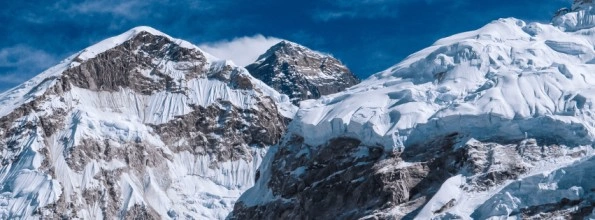
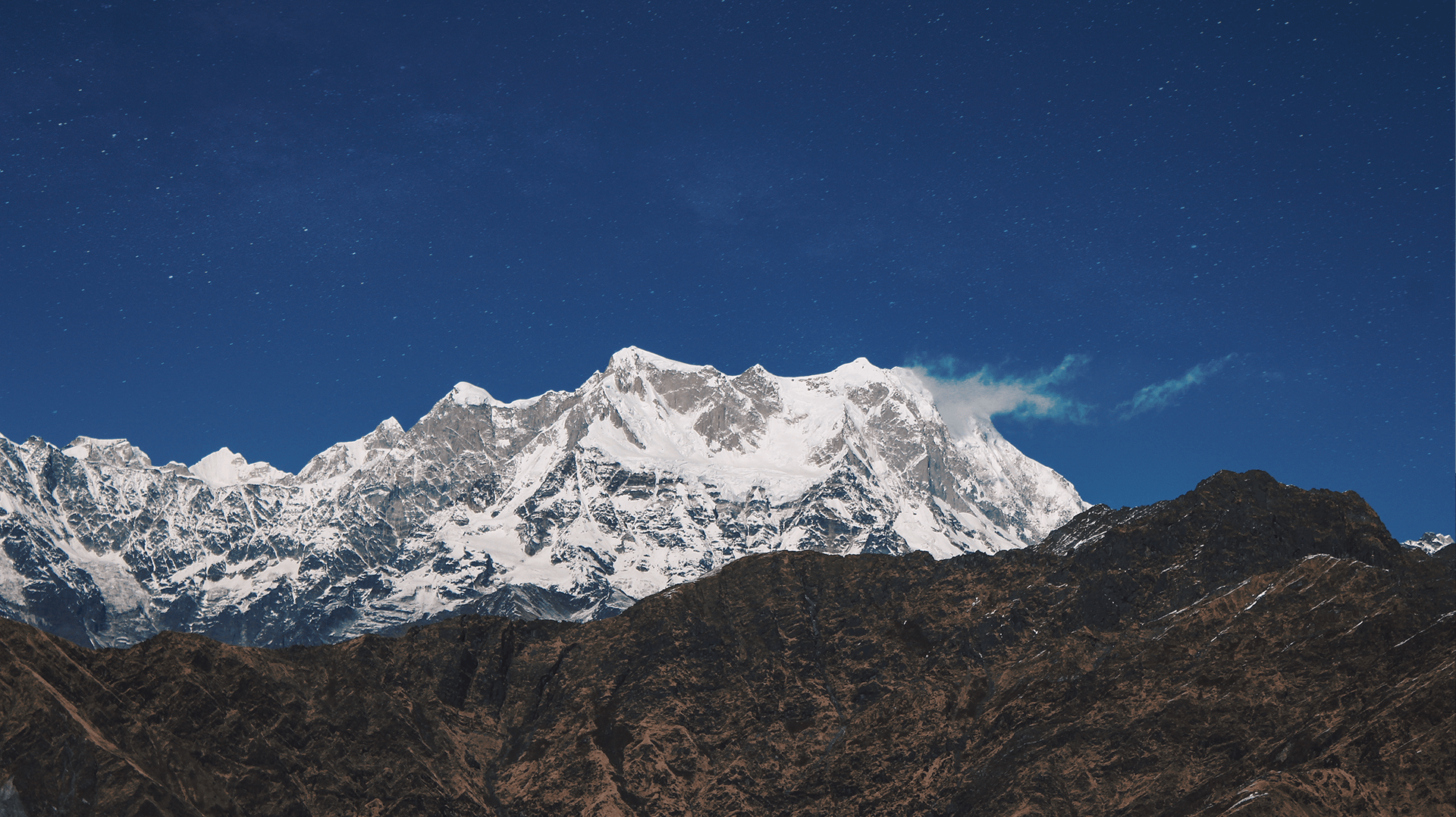
This is a day of firsts: your first truly significant altitude gain and, more memorably, your first view of Kang Yatse. The trail climbs gradually along the Markha River, passing through the small settlement of Umlung. As you ascend, the valley opens up, and the near-perfect pyramid of Kang Yatse (6,400 m) comes into view, towering over everything else. It's a sight that will stay with you forever and serves as a powerful reminder of the objective ahead.
You'll pass the picturesque village of Hankar, the last permanent settlement before base camp. Thochuntse is a camping ground with basic tea houses and green fields, nestled in the upper reaches of the valley. Overnight in tents at Thochuntse.
Day 6
Thochuntse (4300 mts) to Kang Yatse Base Camp (5100 mts) 8 to 9 Km (6 to 7 hours )
Today's trek is a significant ascent, bringing you to the foot of your objective. The trail climbs away from the valley floor, passing through increasingly rugged and rocky terrain as you approach the mountain. The views of Kang Yatse become ever more dramatic with each step: you're no longer just glimpsing the peak; you're entering its domain. The base camp at 5,100 meters is set amidst dramatic glaciers and ridgelines, offering an up-close view of the route ahead. The thin air is immediately noticeable, and every movement requires conscious effort. After setting up camp, you'll rest and hydrate thoroughly, preparing for the challenging days ahead. Overnight in tents at Base Camp.
Day 7
Rest and Acclimatization at Base Camp (5100 mts)
At 5,100 meters, your body needs time to adjust before pushing higher. This rest day is critical - not just about resting but also about preparing mentally and technically for the climb. The morning is dedicated to a comprehensive training session on rope work, crampon use, and ice axe techniques. Your guide will lead a short acclimatization hike to a nearby crampon point, allowing you to practice essential skills while gaining another 100-150 meters of elevation before returning to camp. This "climb high, sleep low" approach accelerates your body's adaptation. The evening briefing will cover the summit plan in detail, including the establishment of higher camps. Overnight in tents at Base Camp.
Day 8
Base Camp (5100 mts) to Advance Base Camp (5425 mts) and back 5 to 6 km (6 to 7 hours)
Today’s objective is to ferry equipment to Advanced Base Camp (ABC) at 5,425 meters and return to Base Camp to sleep: a classic acclimatization and logistical strategy. The terrain is steep with loose scree and moraine, making it a challenging but essential part of preparation. You'll carry personal climbing gear and supplies to ABC, depositing them there before descending back to Base Camp. The day's effort serves multiple purposes: it acclimatizes your body to the altitude you'll be camping at tomorrow, allows you to scout the route ahead, and reduces the load for subsequent days. The return to Base Camp ensures you recover well in better air density before the actual move higher. Overnight in tents at Base Camp.
Day 9
Base Camp (5100 mts) to Advance Base Camp (5425 mts)
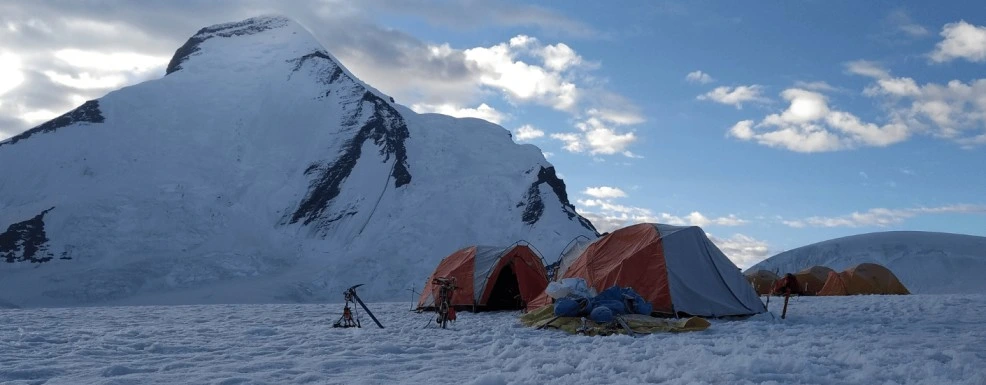
With your gear already deposited, today's move to ABC is relatively straightforward. You'll pack up your belongings and make the familiar ascent to the higher camp. Setting up camp at 5,425 meters, you'll spend the remainder of the day resting and allowing your body to adapt to the altitude. The views from ABC are spectacular: the Kang Yatse massif dominates the landscape, and the sheer scale of the terrain is humbling. This is the last major milestone before the summit push, and the team's focus intensifies. Overnight in tents at Advanced Base Camp.
Day 10
Advance Base Camp (5425 mts) to Summit Camp (5700 mts)
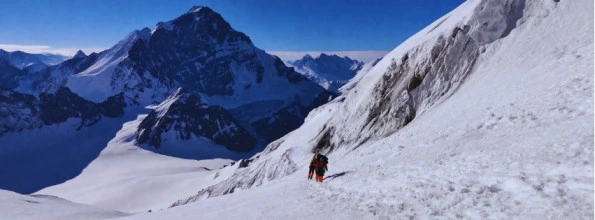
A short but significant move to Summit Camp at 5,700 meters: the final staging point before the summit attempt. The trail becomes more challenging, with steeper gradients and potentially exposed sections. At this altitude, every step is an effort; the air is thin, and the environment is harsh. You'll establish Summit Camp and spend the remainder of the day resting, hydrating, and mentally preparing for the summit push. Your guide will brief the team on the summit plan: wake-up time, climbing protocols, descent strategy, and safety procedures. Overnight in tents at Summit Camp.
Day 11
Summit Camp (5700 mts) to KY 1 Summit (6400 mts) and back to Base Camp (5100 mts)
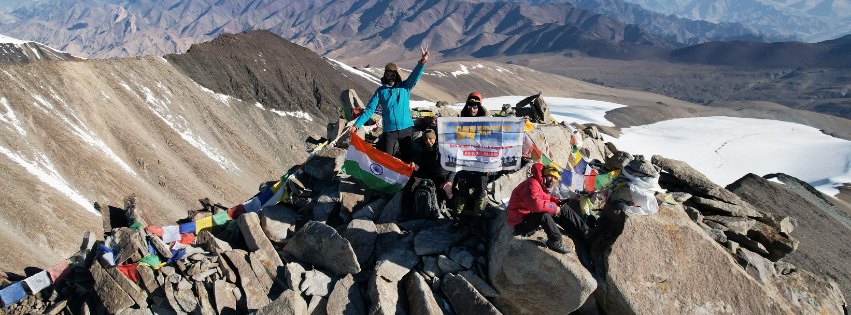
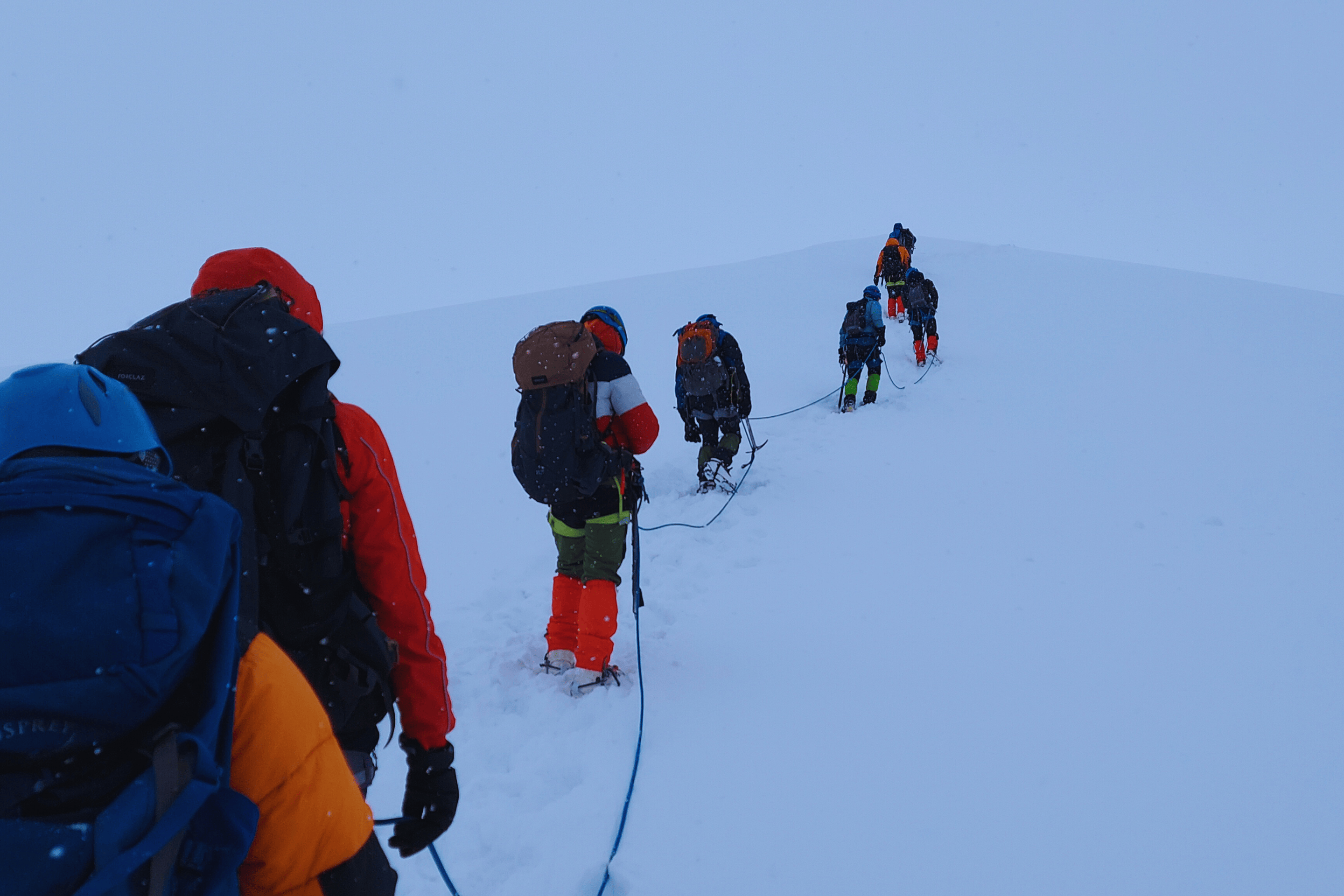
This is the day: the culmination of all your preparation, training, and acclimatization. You'll wake extremely early, typically around midnight, for a pre-dawn breakfast. Headlamps cutting through the darkness, you'll begin the ascent. The terrain is technical and demanding: you'll climb using fixed ropes and employ the crampon and ice axe skills you practiced. The final 500 meters are particularly steep, requiring full concentration. As dawn breaks, the surrounding Himalayan peaks emerge: Stok Kangri, Kun Peak, and, on exceptionally clear days, even K2 in Pakistan. The sense of achievement upon standing at 6,400 meters is overwhelming. After celebrating and capturing photos, you must begin the careful descent, statistically the most dangerous part of any climb due to fatigue. You'll return to Summit Camp, gather your remaining gear, and continue descending to Base Camp, where a warm tent and a hot meal await. Overnight in tents at Base Camp.
Day 12
Base Camp (5100 mts) to Chukdo (3900 mts)via Kongmaru La (5200 mts) 16 km (8 hours)and drive to leh (3 hours )
After the Herculean efforts of summit day, today's trek takes you out of the mountains via a different route. The trail ascends to Kongmaru La (5,200 m), a high pass adorned with prayer flags that marks the traditional exit point from the Markha Valley. The pass offers breathtaking views of the Indus Valley and Ladakh ranges, and one final look back at Kang Yatse, watching over you. The descent from the pass is steep and punishing on the knees, dropping through a narrow canyon before opening out to the village of Chokdo. Here, your vehicle awaits. The drive back to Leh is a time for reflection, as you wind down the mountain roads and carry the incredible memories of your summit success. Upon arrival in Leh, check into your hotel, enjoy a hot shower, and celebrate with a well-deserved dinner. Overnight stay in Leh.
Day 13
Departure from Leh (3500 mts)
After breakfast, you'll transfer to Leh airport for your onward flight. As the plane lifts off and the Himalayas recede beneath you, you'll carry with you the profound sense of achievement that comes from conquering one of Ladakh's most iconic peaks: a memory that will last a lifetime.
Day 14
Reserve day
This is a crucial safety buffer built into the itinerary to account for unpredictable mountain weather or individual acclimatization needs. The Himalayas are notorious for sudden changes in conditions, and this reserve day provides flexibility to wait for a clear weather window for the summit attempt or to allow additional rest if the team needs it. If not used during the expedition, it can be spent relaxing in Leh and exploring the town's cultural attractions.
WHAT'S INCLUDED
- ●Hotel stay Leh (Day 1,2 and 13 ) on double or triple sharing basis
- ●Meals during the trek (Day 3 Lunch till Day 13 Lunch)
- ●Forest Permits/Camping Charges, if any (Upto the amount charged for Indian nationals)
- ●Experience & Mountaineering course certified Expedition Leader with First Aid certification
- ●Experience Trek guide/Sherpa, cook, helpers, porters & mules for carrying common luggage
- ●Transport Leh to Leh
- ●Tents on twin sharing basis, Sleeping bags, mats
- ●Safety Equipment includes Helmet, Rope, Harness, Carabiners, Micro spikes/ Crampons, Safety kit and Gaiters, etc if required
- ●First aid medical kits and oxygen cylinder
WHAT'S NOT INCLUDED
- ●Meals in Leh
- ●Meals during road journeys
- ●IMF Permit Fee INR 5000 per person for foreign nationals and INR 1000 per person for Indian nationals.
- ●Cost of any kind of Insurance. Since insurance is mandatory, kindly get yourself insured from our partners ASC360 through www.asc360.com
- ●Portage of personal bags during the trek.
- ●Any Expense of personal nature.
- ●Any Expense not specified in the inclusions list.
- ●Leh Local Transport for Vist any place
- ●Inner line permit fee approx 600
Are you eligible for this adventure?
Annapurna Base Camp Trek takes you to a height of 4,130M and is rated a moderate level trek for its long trekking distances. For its elevation and distances, it is recommended for trekkers with some prior experience in the high-altitudes.
Grade
Challenging
Max Altitude
6400 mts
Distance
73 km

WMRS Level Required

Terrain

Prerequisite Skills

Fitness Benchmark
WMRS Level Required
WMRS 8
Annapurna Base Camp Trek is a level 4 adventure on the Bikat Rating Scale.
This makes it mandatory for you to have high-altitude experience of preferably multiple treks marked at level 3 on the WMRS. The altitude, the terrain, and the nature of the climb demand a certain level of endurance and a need for you to be aware of how your body reacts to the various features of the high-altitude environment.
If you do not know what level of WMRS trek would suit you best, worry not! Fill out this Form:
We will send you a progression chart to help you comfortably get out of your comfort zone in order to level up and ultimately reach your highest potential in the big, bad world of outdoor adventure.
Frequently Asked Questions
Packing List
This is a list of essential items for individuals going on a trek with Wanderin’ Man Adventures. This list contains only those items which the participants are required to bring with them. The list excludes those items which are provided by Wanderin’ Man Adventures on the trek. We have divided the items into five categories. All the items in the list are essential except for those marked as optional.
🟩 Trekking Gear
- Rucksack bag with rain cover
- Day Pack Bag - Recommended for treks with summit day
- Head Torch with spare Batteries
- UV protection sunglasses
- Water Bottles - 2 bottles of 1 liter each
🟩 Footwear
- Non-skid, deep tread, high-ankle trekking shoes - 1
- Pair of light weight Slipper/Sandals for the campsite - 1
🟩 Clothing
- Quick Dry Warm lower or Track Pants - 2
- Full sleeves T-shirts/Sweatshirts (1 for every 2 days of trekking)
- Pair of thick woolen socks (1 pair for every two days of trekking)
- Thermal Body warmer Upper & Lower - 1
- Undergarments (1 for each day of the itinerary)
- Warm jacket closed at wrist & neck - 1
- Full sleeves sweater - 1
- Rain wear (Jacket & Pants) - 1
- Pair of water-proof, warm gloves - 1
- Woolen cap - 1
- Sun shielding Hat - 1
- Multipurpose Buff - 2
🟩 Toiletries
- Personal toiletries kit (Small Towel, Toilet paper, paper soap, Bar soap, toothbrush, toothpaste, cold cream, etc.)
- Sun screen lotion small pack (SPF 30 & Above) - 1
- Lip Balm small pack - 1
🟩 Utensils
- Small size, Lightweight & Leak proof lunch box - 1
- Plate - 1
- Spoon - 1
- Tea/Coffee (plastic) Mug - 1
🟩 Miscellaneous
- Camera (Optional)
- Carry your medicines in plenty in case you have any specific ailment. Consult your doctor before joining the trek.
- Dry fruits, Nuts, Chocolate bars (Optional)
Note-
- For long treks, please carry a spare sunglasses.
- For winter trek please try to carry a thermal water bottle.
- For long winter treks, please carry an extra pair of warm pants.
Why Wanderin' Man?
(SET- Safety, Expertise & Trust )

Safety
- ●Small Group Size in the ratio of 6:1 (participant to leader)
- ●No compromise on safety and sustainability promise
- ●Experienced and Certified Mountaineering Professional Leaders
- ●Region Mapped with Emergency Evacuation Plan
- ●Certified Standard Equipment by UIAA (International Climbing and Mountaineering Federation certification) & other Similar Bodies
- ●Minimized Risk Management Standard Operating Procedure are applied for every Trek and tour
- ●Certified First Aid Support and Doctors* with constant availability of Safety Equipments like Medical Kit, Rescue Kit
- ●Constant communication is aided with the help of Communication Devices
- ●Certified and registered Transporter for transportation purpose

Expertise
- ●Founders of the company have extensive experience of 15 years having organized approx 2000+ trekking, Expeditions and other adventure activities.
- ●Wanderin’ Man Adventures operating expeditions above 8000 mts.
- ●Under the umbrella of Wanderin’ Man Adventures 15 + adventure activities Programs have been organized
- ●Founders have mountaineering certifications from the esteemed mountaineering institutes of India.
- ●Team is composed of experienced mountaineers and trek leaders with thorough understanding of norms and procedures.

Trust
- ●Trust has been the hallmark of our company since its inception be it any program on the list.
- ●Special emphasis is laid on the use of standard procedures and equipments as per the mountaineering norms
- ●95% of our clients have availed our service on repeat basis.
- ●Our business has expanded primarily based on the “word of mouth” from our existing clients to new ones
What Our Customers Say


Cancellation Policy
Cash Refund (All events including Friendship Peak Expedition except other Mountaineering Expeditions) - Cash refunds are only available for bookings made without any discounts, such as promotional codes or dynamic discounts. Additionally, cash refunds are not available for shifted batch bookings or if the booking status is "Booked". Add-ons are non-refundable. The amount of the refund will be determined based on the following guidelines:
Cancellations made up to 45 days before the departure date
Cancellations made up to 31 days before the departure date
Cancellations made between 30 and 21 days before the departure date
Cancellations made between 20 and 11 days before the departure date
Cancellations made less than 11 days before the departure date are not eligible for a cash refund.
Voucher Refund Policy
Voucher Refund: This option is available for all types of bookings including the bookings made under promotional offers. The Wanderin' Man Adventures would offer you a short-term voucher that would enable you with a flexibility to book any other Wanderin' Man Adventures event using the voucher.
The option of claiming a voucher is available till 7 days prior to the departure of the event. The refund of the amount would be processed as per deduction guidelines outlined below:
The amount for refund processing would always be calculated basis the net amount paid* for booking the event with respect to the Base Price of the event (excluding additional components like transport, rent, portage, etc.).
Please note that the voucher issued would not include the service tax amount paid while making the booking. However, when you use the voucher to book again on our website, service tax would not be applicable on the voucher amount.
Validity of the voucher would be 24 months from the date of issue.
*Net Amount Paid would be the amount paid to Wanderin' Man Adventures at the time of booking after adjusting for all rebates provided by applying vouchers.
Similar Adventures
Khopra Ridge Trek
Less popular, less crowded, more beautiful alternative to ABC
- Nepal
- 10 Days
- BRS 4
- 4767 m
Tarsar Marsar Trek
A Shorter and Easier Alternative to the Kashmir Great Lakes Trek
- Kashmir
- 7 Days
- BRS 4
- 4024 m

Hampta Pass Trek
An Enchanting Cross-Over from Manali to Spiti
- Himachal
- 5 Days
- BRS 4
- 4200 m
Related Itinerarys