How to carry and use a trekking pole: for safer and smarter hiking
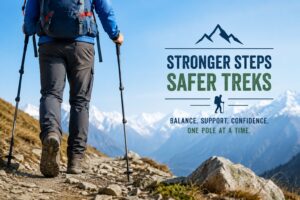
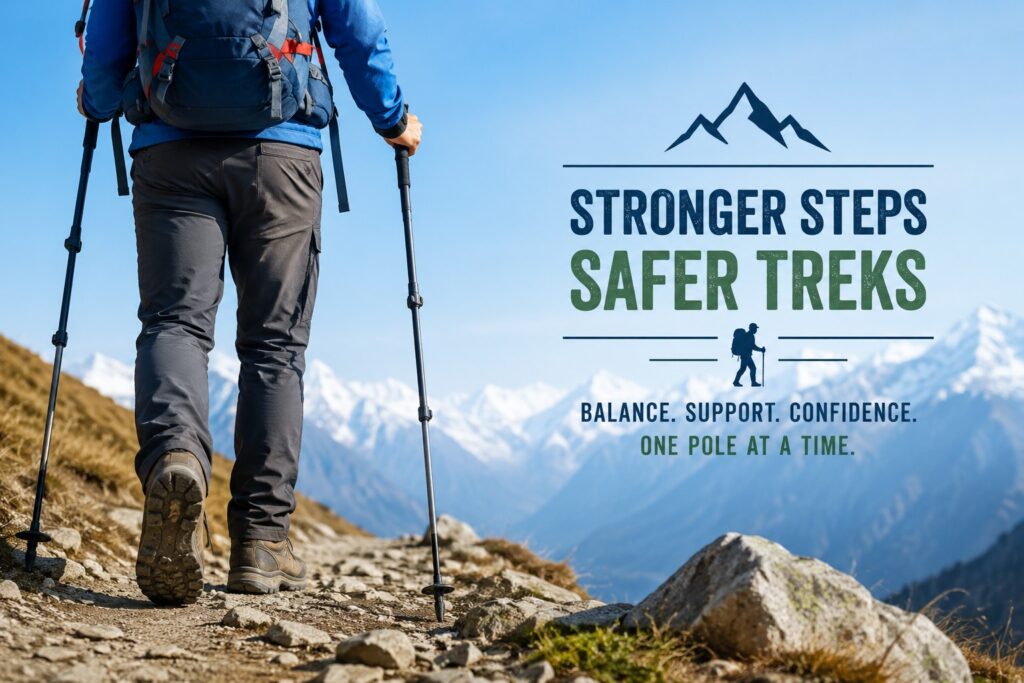
Learning how to carry and use a trekking pole is essential for every trekker, whether you’re a beginner or an experienced hiker. Using trekking poles correctly improves balance, reduces pressure on your knees, and provides extra stability on rocky trails, steep climbs, and uneven terrain. If you’re wondering how to carry and use a trekking pole safely and effectively, this guide explains the right carrying techniques, proper pole adjustment, and expert tips to help you trek more comfortably and confidently.
However, many trekkers don’t use them correctly. Incorrect pole height, poor grip, or improper walking techniques can reduce their effectiveness. Fortunately, learning the right method is simple and can significantly improve your trekking experience.
This guide explains how to carry and use a trekking pole, how to adjust it for different terrains, common mistakes to avoid, and expert tips to help you trek with confidence.
Why Is It Important to Carry and Use a Trekking Pole?
Using trekking poles is about more than simply having an extra piece of gear. They provide additional support that allows you to walk more efficiently while reducing stress on your joints.
Benefits of Using Trekking Poles on Mountain Trails
When used correctly, trekking poles can:
- Improve balance on rocky and uneven trails
- Reduce pressure on knees, ankles, and hips
- Improve posture during long hikes
- Increase stability while crossing rivers
- Reduce muscle fatigue on multi-day treks
- Improve rhythm and walking efficiency
- Help distribute body weight evenly
- Increase confidence during steep climbs and descents
As a result, many experienced trekkers consider trekking poles an essential part of their trekking equipment.
How to Carry a Trekking Pole Correctly
Knowing how to carry a trekking pole is the first step toward using it efficiently.
Hold the Trekking Pole Grip Properly
Insert your hand upward through the wrist strap before gripping the handle.
This allows the wrist strap to support much of your weight instead of relying only on your fingers.
Keep your grip relaxed rather than squeezing the handle tightly. This helps reduce hand fatigue during long trekking days.
Carry Trekking Poles When They Are Not in Use
There are situations where trekking poles should be stored instead of carried in your hands.
These include:
- Rock scrambling
- Technical climbing
- Rope sections
- Narrow ridgelines
- Short rest breaks
Collapse the poles and attach them securely to your backpack using pole loops or compression straps. Keep the pole tips facing downward to avoid snagging vegetation.
How to Adjust Trekking Pole Height for Different Terrain
Correct trekking pole length is essential for comfort and safety.
On level ground, adjust the pole so your elbow forms approximately a 90-degree angle.
Adjust Trekking Pole Length for Uphill Hiking
Shorten each trekking pole by about 5–10 cm.
This improves posture and allows more efficient climbing.
Adjust Trekking Pole Length for Downhill Walking
Lengthen the poles by approximately 5–10 cm.
Longer poles provide additional support while descending and reduce stress on your knees.
Adjust Trekking Poles for Side Slopes
When traversing across hillsides:
- Shorten the uphill pole.
- Lengthen the downhill pole.
This keeps your shoulders level and improves overall balance.
How to Use a Trekking Pole While Walking
Learning how to use a trekking pole while walking helps you conserve energy throughout the trek.
Proper Trekking Pole Technique on Flat Trails
Move naturally.
As your left foot moves forward, place your right trekking pole.
Then repeat with the opposite side.
This alternating rhythm improves stability while maintaining a natural walking motion.
How to Use Trekking Poles During Uphill Trekking
Plant the trekking poles slightly ahead of your body.
Push gently through the wrist straps while allowing your legs to provide most of the climbing power.
This technique improves efficiency during steep ascents.
How to Use Trekking Poles During Downhill Trekking
Before stepping down, place both trekking poles securely ahead.
Transfer some of your body weight onto the poles before taking the next step.
This reduces the impact on your knees and improves confidence during long descents.
How to Use Trekking Poles for River Crossings
River crossings require extra stability.
Plant both trekking poles firmly before moving one foot at a time.
Maintain three points of contact whenever possible to improve balance in flowing water.
Common Trekking Pole Mistakes to Avoid
Even experienced hikers occasionally misuse trekking poles.
Avoid These Trekking Pole Mistakes
- Holding the grips too tightly
- Ignoring the wrist straps
- Using incorrect pole height
- Planting poles too far ahead
- Leaning heavily on the poles
- Forgetting to adjust pole length
- Carrying unsecured poles on your backpack
- Using worn-out carbide tips
Avoiding these mistakes helps improve comfort and walking efficiency.
How to Use Trekking Poles on Different Types of Terrain
Different trails require different trekking pole techniques.
Using Trekking Poles on Rocky Trails
Place the pole tips only on stable rocks.
Test the surface before shifting your weight.
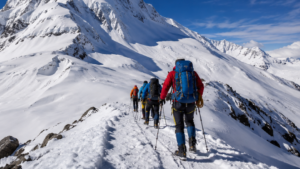
Using Trekking Poles on Snow
Install snow baskets to prevent the poles from sinking deeply.
Maintain shorter, controlled movements.
Using Trekking Poles on Muddy Trails
Keep the poles vertical while planting them.
Avoid wide planting angles that increase the chance of slipping.
Using Trekking Poles on Forest Trails
Use trekking poles to step confidently over exposed roots, loose stones, and fallen branches while maintaining a steady pace.
Trekking Pole Maintenance Tips for Long-Term Performance
Proper maintenance keeps trekking poles reliable for years.
How to Maintain Your Trekking Pole
After every trek:
- Clean mud and dust from the shafts
- Dry the locking mechanism
- Inspect adjustment locks
- Replace worn carbide tips
- Tighten loose screws
- Store poles in a cool, dry place
Regular maintenance extends the life of your trekking equipment.
Choosing the Best Trekking Pole for Hiking and Trekking
Before buying trekking poles, consider:
- Adjustable height
- Lightweight aluminum or carbon fiber
- Comfortable ergonomic grips
- Reliable locking mechanism
- Replaceable carbide tips
- Foldable or telescopic design
- Interchangeable trekking baskets
Choosing the right trekking pole improves comfort, stability, and long-distance performance.
Final Thoughts on How to Carry and Use a Trekking Pole
Learning how to carry and use a trekking pole is one of the simplest ways to improve your trekking experience. Proper adjustment, correct walking techniques, and regular maintenance allow trekking poles to reduce fatigue, improve balance, and protect your joints on every trail.
Whether you’re planning your first day hike or preparing for a challenging Himalayan expedition, trekking poles can become one of the most valuable pieces of gear you carry. Practice using them on different terrains, adjust them as conditions change, and you’ll quickly appreciate the added confidence and comfort they provide.ly. Even on relatively easy hikes, trekking poles improve posture, reduce fatigue, and enhance walking efficiency.