Essential Tips for Successful Trekking: Safe Mountain Guide
Essential Tips for Successful Trekking begin long before you reach the trailhead. A memorable mountain adventure depends not only on physical fitness, but also on route planning, appropriate equipment, weather awareness, navigation, hydration, pacing and good decision-making. Whether you are preparing for your first Himalayan trek or have already completed several mountain trails, the fundamentals of safe trekking practices remain important. The mountain does not reward overconfidence; it rewards preparation.
Plan Your Trek Before You Reach the Mountains
Successful trekking starts with understanding the route. Research the distance, elevation gain, terrain, expected duration, weather conditions, water availability and difficulty level. Check whether permits, local registrations or specific safety requirements apply. Share your itinerary with someone who is not travelling with you, including your expected return time. For remote routes, consider what communication options are available if mobile coverage disappears. Good preparation also means having a realistic alternative if weather or trail conditions make the original plan unsuitable. The National Park Service recommends checking conditions, preparing for changing weather and having a Plan B.
Choose the Right Trek for Your Experience
A successful trek is not necessarily the longest or highest trek. Choose a route that matches your current fitness, technical ability, experience and comfort with altitude. A trek that is beyond your preparation level can turn an enjoyable adventure into an unnecessary safety challenge.
Consider:
- Distance and daily walking hours
- Elevation gain and highest altitude
- Terrain and trail conditions
- Weather exposure
- Availability of shelters and water
- Remoteness from assistance
- Technical sections, if any
Gradually increasing the difficulty of your treks allows you to build experience without treating every expedition as a test of endurance.
Pack the Right Trekking Essentials
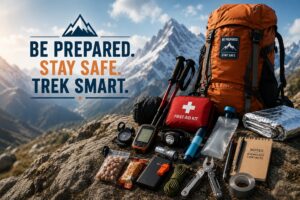
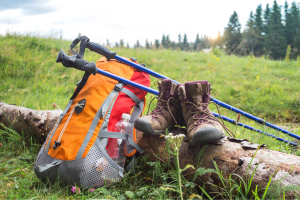
Packing for a mountain trek is about balance. Carry too little and you may be unprepared; carry too much and unnecessary weight can increase fatigue. A practical trekking checklist should include:
- Suitable trekking footwear
- Layered clothing
- Rain protection
- Navigation tools
- Headlamp and spare batteries
- First-aid supplies
- Sufficient water
- Extra food
- Sun protection
- Emergency shelter
- Communication equipment
- Personal medication
- Small repair kit
The widely used Ten Essentials framework includes navigation, illumination, sun protection, first aid, tools, fire, shelter, extra food, hydration and extra clothing. The exact items should be adapted to the route and activity.
Learn to Navigate Before You Need To
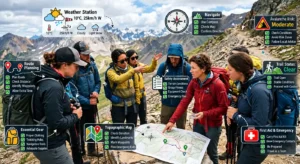
Navigation is one of the most important mountain skills. A smartphone and GPS application can be useful, but do not make electronic navigation your only option on a remote trek. Carrying a map and compass provides a valuable backup, particularly where batteries or mobile networks may fail. Download maps for offline use and understand the route before starting. More importantly, practise using your navigation equipment. Carrying a compass without knowing how to use it does not constitute effective navigation.
Respect Weather and Mountain Conditions
Mountain weather can change much faster than conditions at lower elevations. Check the forecast before departure and remain alert for changing clouds, strong winds, rain, snowfall, lightning or rapidly falling temperatures. Carry appropriate layers and waterproof protection even when the starting weather appears comfortable. If conditions become unsafe, changing the itinerary or turning back is not failure. It is responsible mountain decision-making. The National Park Service specifically recommends checking weather conditions, carrying appropriate equipment and being prepared to seek shelter when severe weather develops.
Pace Yourself and Manage Your Energy
A common trekking mistake is starting too quickly. Maintain a sustainable pace, especially during long climbs. Take planned breaks, drink regularly and pay attention to signs of excessive fatigue. In groups, the pace should allow the team to remain together rather than allowing stronger trekkers to disappear ahead. A slower but controlled pace often makes the overall trek more manageable and enjoyable. The National Park Service recommends keeping groups together and allowing the slowest hiker to influence the pace.
Acclimatize Properly at High Altitude
High-altitude trekking requires additional preparation because the body needs time to adjust to reduced oxygen availability. Do not treat acclimatization as something that can be rushed. Allow appropriate time at elevation, avoid unnecessary overexertion and pay attention to how you feel. Symptoms that concern you should never be ignored. If someone develops serious or worsening symptoms at altitude, the group should follow appropriate mountain medical guidance and seek professional assistance. The National Park Service advises trekkers moving to higher altitudes to allow time for acclimatization, maintain hydration, get adequate sleep and avoid overexertion.
Stay Hydrated and Carry Enough Food
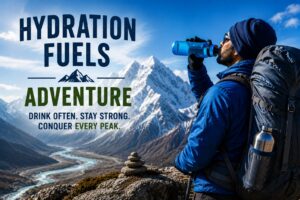
Dehydration and low energy can affect concentration, endurance and decision-making. Carry enough water for the route and understand where reliable water sources are located. Where necessary, carry an appropriate water-treatment method. Pack convenient, energy-dense food such as nuts, dry fruits, energy bars and other suitable trail snacks. Carry additional food when the route could take longer than planned. Water requirements vary with climate, exertion, altitude and individual needs, so avoid relying on a fixed quantity for every trek.
Carry an Emergency and First-Aid Kit
Even a well-planned trek can encounter unexpected problems. A compact emergency kit can include first-aid supplies, blister care, medical tape, personal medication, headlamp, whistle, emergency shelter, repair materials and suitable communication equipment. Check your equipment before leaving and know how to use it. For remote adventures, additional communication devices such as satellite messengers or personal locator beacons may be appropriate depending on the terrain and available network coverage.
Know When to Turn Back
One of the most valuable trekking skills is recognizing when continuing is no longer sensible. Turnaround decisions may become necessary because of:
- Deteriorating weather
- Excessive fatigue
- Injury
- Navigation problems
- Delayed progress
- Unsafe trail conditions
- Symptoms associated with altitude
- Insufficient daylight
A successful trek is not defined solely by reaching the summit. Returning safely is part of the achievement.
Follow Responsible Trekking Practices
Mountain safety also includes protecting the environment and respecting other trekkers and local communities. Stay on established trails where appropriate, manage waste responsibly, avoid disturbing wildlife and follow local regulations. Responsible trekking helps protect the landscapes that make mountain adventures possible for future visitors.
Practical Mountain Experience Matters
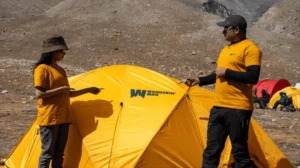
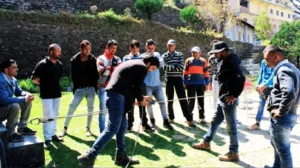
At Wanderin’ Man Adventures, mountain programmes are approached with preparation, route awareness and participant safety as important parts of the overall trekking experience. Our work with Himalayan adventure programmes involves considering terrain, weather, group requirements, equipment, leadership and contingency planning before participants begin their outdoor experience. This practical approach reinforces an important principle: safe trekking is not one isolated activity. It is the result of preparation, appropriate equipment, informed decisions and responsible leadership working together. This experience reinforces an important principle: safe trekking is not one single activity—it is a combination of preparation, appropriate equipment, responsible leadership, weather awareness and sound decision-making. Every trek has its own challenges, which is why preparation should always be adapted to the route, season, altitude and experience level of the participants.
Build Your Own Successful Trekking Routine
Before every trek, develop the habit of asking:
Have I checked the route?
Have I checked the weather?
Is my equipment appropriate?
Do I have enough food and water?
Can I navigate the route?
Has someone received my itinerary?
What is my turnaround plan?
What will I do if conditions change?
These questions take only a few minutes but can significantly improve your level of preparedness.
Final Thoughts
Successful trekking is not simply about reaching a destination. It is about travelling through the mountains with preparation, awareness and respect. From choosing the right route and packing intelligently to managing your pace, understanding weather and recognizing when to turn back, every decision contributes to a safer adventure. The best mountain trekkers are not those who ignore difficulties. They are those who recognize changing conditions, adapt their plans and make responsible decisions.
Prepare for Your Next Mountain Adventure
Planning a trek? Make preparation part of the adventure. Explore Wanderin’ Man Adventures for professionally planned trekking and outdoor adventure programmes, and choose an experience suited to your group, route and objectives.
Plan well. Trek responsibly. Respect the mountains. Return with memories worth carrying home.
Planning your next trek? Turn preparation into part of the adventure.
Explore Wanderin’ Man Adventures for professionally planned Himalayan trekking and outdoor adventure programmes designed around route conditions, group requirements and adventure objectives. Whether you are looking for a trekking experience, a school adventure programme or a customized outdoor expedition, thoughtful preparation can make the journey safer, more organized and more rewarding.
Choose your route carefully. Prepare for changing conditions. Trek responsibly—and return with memories worth carrying home.