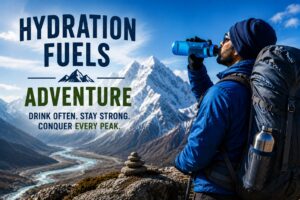
How to Hydrate Yourself on a Mountain: Complete Trekking Guide
Learning how to hydrate yourself on a mountain is an important part of trekking safely and comfortably. At altitude, cold air, low humidity, increased breathing, physical effort and changing weather can affect your fluid needs. You may also lose water through breathing and sweating without noticing it. However, good mountain hydration does not mean forcing yourself to drink a fixed amount of water. Your needs vary with your body size, activity level, temperature, altitude, sweat rate, food intake and trek duration. The goal is to replace fluids sensibly while avoiding both dehydration and excessive drinking. This guide explains practical high-altitude hydration strategies, safe water practices, electrolyte use and warning signs that every trekker should understand before heading into the mountains.
Why Mountain Hydration Matters
Trekking combines physical exertion with environmental conditions that can change quickly. Long uphill sections, heavy backpacks, sunshine, wind and dry mountain air can increase fluid loss. At the same time, cold weather may reduce your desire to drink. That makes it easy to overlook your fluid needs until fatigue, headache, dry mouth or reduced performance appears. Good hydration supports normal body functions such as:
- Temperature regulation
- Circulation and cardiovascular function
- Muscle performance
- Digestion
- Concentration and alertness
- Recovery after physical activity
Therefore, hydration during trekking should be treated as part of your overall mountain-safety routine.
How Much Water Should You Drink While Trekking?
There is no single water volume that is correct for every trekker.
A person trekking for several hours in warm weather may need substantially more fluid than someone walking slowly in cold conditions. imilarly, a larger person or someone who sweats heavily may have different requirements from another trekker on the same route. Instead of following a rigid rule such as “drink 3–5 litres every day,” pay attention to your individual needs and the conditions.
Practical hydration guidelines
- Drink regularly during prolonged activity rather than ignoring fluids for hours.
- Increase fluid intake when you are sweating heavily or exercising for long periods.
- Drink according to thirst and your body’s signals rather than deliberately forcing excessive amounts.
- Carry enough water for the route, while also knowing where reliable refill points are available.
- Consider your water needs before starting each day’s trek.
- Avoid treating a fixed litre target as a medical requirement.
The aim is adequate hydration, not maximum hydration. Excessive water intake can be dangerous because it may contribute to low blood sodium, known as exercise-associated hyponatremia.
Best Ways to Stay Hydrated on a Mountain
Good trekking hydration is mostly about preparation and consistency.
Carry Water Where You Can Reach It Easily
Use a bottle or hydration system that you can access without repeatedly unpacking your backpack. Easy access makes it more practical to drink during appropriate breaks and throughout a long trekking day.
Before departure, check:
- How much water you can carry
- Where you can safely refill
- Whether the route has reliable water sources
- Whether your purification system is working
- Whether additional water is required for cooking
Drink Regularly, But Do Not Force Fluids
Long periods without drinking can leave you dehydrated, especially during strenuous activity. However, constantly drinking simply because a schedule tells you to can also be counterproductive. Take reasonable amounts regularly and adjust according to thirst, exertion, weather and sweat loss. If you are sweating heavily for several hours, fluid and electrolyte needs may increase. If you are walking slowly in cold conditions, your needs may be lower.
Protect Your Water in Cold Weather
Water can freeze during winter and high-altitude expeditions. To reduce the risk:
- Use an insulated bottle where appropriate.
- Keep bottles protected from extreme cold.
- Store water securely inside your pack when temperatures are very low.
- Check drinking tubes for freezing.
- Keep an emergency water reserve when conditions are severe.
Warm fluids can also make drinking more comfortable in cold environments, although they should not be viewed as a special treatment for altitude illness.
Do You Need Electrolytes While Trekking?
Electrolytes such as sodium and potassium are important for normal fluid balance and muscle function. However, not every trekker needs electrolyte drinks throughout the day. For ordinary, shorter trekking sessions, a balanced diet and normal fluid intake may be sufficient. During prolonged or strenuous activity with substantial sweating, electrolyte-containing foods or drinks may become more useful.
Smart electrolyte practices
- Use electrolyte products according to their instructions.
- Consider them when prolonged exertion or heavy sweating causes significant fluid and salt losses.
- Do not use electrolyte drinks as an excuse to consume excessive fluids.
- Avoid assuming that more sodium or more electrolyte products automatically means better hydration.
- If you have a medical condition or take medication that affects fluid or sodium balance, seek professional advice before using electrolyte products routinely.
ORS is primarily a medical rehydration solution, particularly useful for dehydration associated with conditions such as diarrhoea and vomiting. It should not be presented as a mandatory daily drink for every healthy trekker.
How to Make Mountain Water Safe to Drink
One of the most important parts of mountain hydration is water safety. A clear stream may look pure, but natural water can contain bacteria, viruses or parasites. Therefore, do not assume that clear mountain water is automatically safe. When the safety of a natural water source is uncertain, treat it before drinking.
Common water-treatment options
Boiling: Boiling is a highly reliable way to kill disease-causing organisms.
Filtration: Portable filters can remove many parasites and, depending on the filter, bacteria. However, many ordinary portable filters do not reliably remove viruses.
Chemical disinfection: Approved purification tablets or other chemical disinfectants can be useful when used exactly according to the manufacturer’s instructions.
UV treatment: Portable UV devices can disinfect clear water when used correctly. Turbid or cloudy water may require additional treatment first.
For longer or remote treks, consider carrying a backup water-treatment method.
Hydration and Acute Mountain Sickness
Hydration and altitude illness are often discussed together, but they should not be confused.
Drinking excessive amounts of water does not prevent Acute Mountain Sickness (AMS).
Proper hydration can help prevent problems associated with dehydration, but acclimatization remains a central part of altitude safety. For higher-altitude travel, gradual ascent gives the body time to adapt. The CDC advises avoiding rapid increases in sleeping altitude and recommends additional acclimatization time as elevation increases.
Remember these altitude rules
- Ascend gradually whenever possible.
- Do not continue ascending if you develop symptoms of altitude illness.
- Allow your body time to acclimatize.
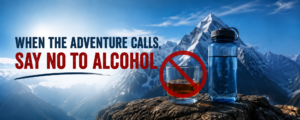
- Avoid alcohol during the initial period at high altitude.
- Reduce strenuous activity during early acclimatization.
- Seek medical help when symptoms are severe or worsening.
- Descend when serious altitude illness is suspected and descent is medically indicated.
Headache, nausea, dizziness, unusual fatigue and loss of appetite can occur with AMS. Confusion, loss of coordination, severe breathlessness or rapidly worsening symptoms require urgent attention.
Hydration is therefore one part of altitude safety—not a substitute for acclimatization or medical care.
Hydration During Cold and Snow Treks
Cold-weather trekking creates a hydration challenge because you may not feel thirsty even while losing water through breathing and physical activity. You can make hydration easier by:
- Carrying water in insulated containers.
- Keeping drinking systems protected from freezing.
- Taking appropriate drinking breaks.
- Using warm beverages when practical.
- Planning water availability before entering remote areas.
- Avoiding long periods without fluids simply because the weather feels cold.
Remember that cold conditions do not eliminate the body’s need for water.
Common Mountain Hydration Mistakes to Avoid
Even experienced trekkers can make avoidable hydration mistakes.
Avoid:
- Following a rigid water target without considering individual needs.
- Forcing yourself to drink excessive quantities.
- Ignoring fluids throughout a long trek.
- Assuming clear stream water is automatically safe.
- Forgetting that cold weather can affect thirst.
- Relying entirely on one water source.
- Carrying water without a purification backup on remote routes.
- Treating ORS or electrolyte drinks as mandatory for everyone.
- Assuming hydration alone prevents AMS.
- Ignoring worsening symptoms because you believe dehydration is the only problem.
The best approach is balanced: prepare, drink appropriately, treat unsafe water and respond to your body’s condition.
A Simple Mountain Hydration Checklist
Before starting your trek, ask yourself:
Water: Do I have enough water for the planned route?
Refills: Do I know where reliable water sources are available?
Purification: Can I safely treat natural water?
Weather: Will cold, heat, wind or sunshine change my fluid needs?
Exertion: How long and how hard will I be trekking?
Electrolytes: Am I likely to experience prolonged, heavy sweating?
Altitude: Do I understand the signs of AMS and the importance of acclimatization?
Backup: What will I do if my main water source or purification method fails?
This simple checklist can prevent many avoidable problems.
Why Smart Hydration Improves Your Trekking Experience
Good hydration practices can support normal physical performance, concentration, comfort and recovery during a mountain journey. More importantly, sensible hydration encourages better preparation. You become more aware of weather, exertion, water sources and your body’s changing needs. That mindset matters because mountain safety is rarely about one action. It comes from combining preparation, appropriate equipment, responsible pacing, acclimatization, nutrition, hydration and sound decision-making.
Conclusion: Hydrate Smart, Trek Safer
Knowing how to hydrate yourself on a mountain is not about drinking as much water as possible. It is about understanding your environment, recognizing your individual needs and replacing fluids appropriately. Drink regularly during demanding activity, but avoid forced overhydration. Carry reliable water, treat questionable natural sources, use electrolytes when appropriate and take special care during cold-weather and high-altitude journeys. Most importantly, remember that hydration does not replace acclimatization. If you develop symptoms of altitude illness, do not simply drink more water and continue climbing. Planning your next mountain adventure? Explore professionally managed trekking and adventure programmes with Wanderin’ Man Adventures, and make preparation, responsible trekking and safety part of every journey.
Prepare well. Hydrate wisely. Trek responsibly.