How to Make a Safe Trek in the Himalayas: Complete Safety Guide
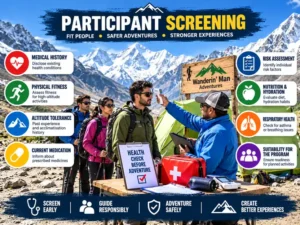
The Himalayas offer extraordinary landscapes, challenging trails, alpine meadows, snow-covered passes and remote mountain communities. But a successful Himalayan adventure requires more than enthusiasm. How to make a safe trek in the Himalayas depends on preparation, appropriate route selection, physical conditioning, acclimatization, suitable equipment, weather awareness and responsible decisions on the trail.
High-altitude environments can involve lower oxygen availability, rapidly changing weather, cold, difficult terrain and limited access to medical facilities. The risks vary considerably between routes, seasons and elevations.
Whether you are planning your first Himalayan trek or preparing for a more demanding adventure, this guide explains the essential Himalayan trekking safety practices that can help you prepare responsibly.
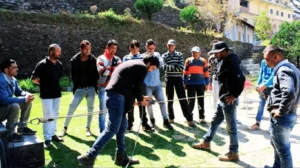
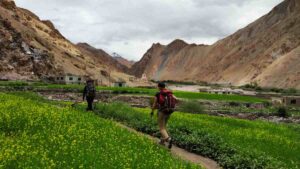
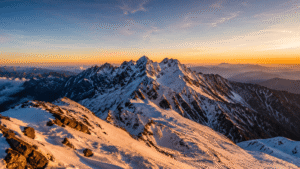
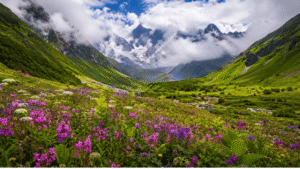
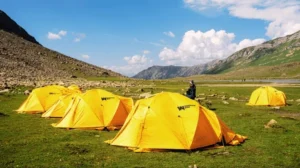
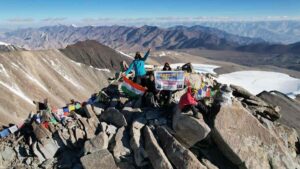
Suggested image placement: after the introduction. Use your own Wanderin’ Man trekking photographs where possible.
1. Choose a Trek That Matches Your Fitness and Experience
One of the most important trekking-safety decisions happens before you reach the mountains.
A trek should match your current fitness, previous experience, maximum altitude, terrain, daily walking hours and expected weather conditions. Distance alone does not determine difficulty.
Before choosing a route, consider:
- Maximum altitude
- Daily elevation gain and loss
- Total walking distance
- Expected trekking hours
- Terrain and trail conditions
- Weather and season
- Backpack weight
- Previous high-altitude experience
- Availability of acclimatization days
- Emergency evacuation arrangements
A beginner-friendly trek can help you learn pacing, equipment management and trail discipline before progressing to more demanding routes.
For additional guidance, read Choose a Trek Based on Your Fitness Level & Experience.
2. Prepare Your Body Before the Trek
Himalayan trekking places different demands on the body than ordinary walking. Long ascents, descents, uneven terrain and carrying a backpack require cardiovascular endurance, leg strength and muscular control.
Begin preparation well before departure and increase the workload progressively rather than trying to become fit in the final few days.
Useful training activities include:
- Brisk walking
- Incline walking
- Stair climbing
- Hiking
- Cycling
- Leg-strength exercises
- Core strengthening
- Mobility and stretching
Training should also resemble the actual trek. If your route involves long uphill sections, gradually include elevation gain in your preparation.
Don’t focus only on speed. Endurance, controlled pacing and the ability to keep moving for several hours are more relevant to many trekking routes.
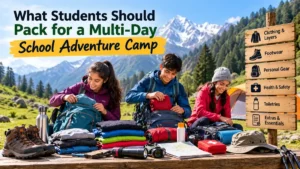
3. Pack the Right Trekking Equipment
Appropriate equipment can improve comfort and help you respond to changing mountain conditions.
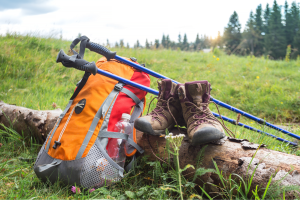
Essential Himalayan trekking gear
- Well-fitting trekking shoes with suitable grip
- Moisture-managing base layers
- Insulating mid-layer
- Warm outer layer
- Waterproof or weather-resistant shell
- Trekking trousers
- Warm gloves
- Woollen or thermal cap
- Sunglasses with appropriate UV protection
- Sunscreen
- Trekking poles where useful
- Backpack with rain protection
- Water bottles or a hydration system
- Headlamp with spare batteries
- Personal first-aid supplies
- Personal medicines
- Emergency communication equipment as appropriate
Don’t overpack. Every unnecessary kilogram adds to the physical workload over long distances.
For more detailed equipment guidance, link this section to **How to Choose Clothes & Other Items for Trekking
Good acclimatization practices
- Ascend gradually.
- Follow the itinerary’s acclimatization days.
- Avoid unnecessarily rapid increases in sleeping altitude.
- Walk at a sustainable pace.
- Avoid heavy exertion during early acclimatization.
- Tell your trek leader if you develop symptoms.
- Never continue ascending simply to keep up with the schedule if you are unwell.
The goal is not to reach altitude as quickly as possible. The goal is to give your body enough time to adapt.
For more information, read How to Prepare for Acute Mountain Sickness Before a Trek.
5. Understand the Signs of Altitude Illness
Acute Mountain Sickness (AMS) can cause symptoms such as headache, fatigue, nausea, dizziness, loss of appetite and sleep disturbance. More serious altitude illnesses include High-Altitude Cerebral Edema (HACE) and High-Altitude Pulmonary Edema (HAPE).
Do not ignore worsening symptoms
Tell your trek leader if you experience:
- Persistent or worsening headache
- Significant nausea or vomiting
- Unusual weakness
- Dizziness or difficulty walking
- Confusion or altered mental state
- Breathlessness at rest
- Increasing cough, particularly with breathing difficulty
A person with worsening altitude-illness symptoms should not continue ascending. Suspected HACE or worsening serious illness requires urgent management and descent when indicated; oxygen or other emergency measures may be needed depending on circumstances and availability.
Do not try to “push through” serious altitude symptoms.
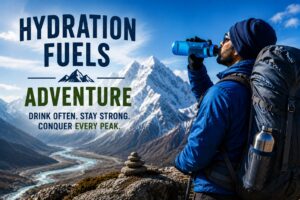
6. Hydrate Sensibly—Don’t Force Water
Hydration is important during trekking, but more water is not automatically better.
There is no universal litre target that applies to every trekker. Fluid needs vary according to body size, activity, weather, temperature, altitude, sweat loss, food intake and trek duration.
The Wilderness Medical Society specifically states that forced or excessive hydration has not been shown to prevent altitude illness and may increase the risk of hyponatremia. Adequate hydration remains important because dehydration symptoms can resemble altitude illness.
Practical hydration habits
- Drink regularly according to thirst and conditions.
- Increase attention to fluids during prolonged or strenuous activity.
- Carry sufficient water for the planned section of trail.
- Know where reliable refill points are located.
- Treat questionable natural water before drinking.
- Avoid deliberately forcing excessive amounts of water.
For a complete guide, link to How to Hydrate Yourself on a Mountain.
7. Treat Natural Water Before Drinking
A clear mountain stream may look clean but can still contain bacteria, viruses or parasites.
The CDC recommends treating water when its safety is uncertain. Boiling is the most reliable method for killing germs; another option is filtering followed by appropriate disinfection.
Common water-treatment methods
Boiling: Bring clear water to a rolling boil. CDC guidance recommends one minute at normal elevations and three minutes above 6,500 feet.
Filtration: Portable filters vary considerably. Some remove parasites but may not remove viruses, so check the manufacturer’s specifications.
Chemical disinfection: Use approved products according to their instructions.
UV treatment: UV devices can be useful for clear water when operated correctly; cloudy water may require pre-filtration.
Carry a backup treatment method when travelling into remote areas.
8. Eat Enough to Support Long Trekking Days
Trekking consumes energy, particularly during prolonged climbs and cold-weather activity.
Prioritize practical, balanced meals containing carbohydrates, protein and a variety of foods.
Useful trekking foods can include:
- Rice
- Roti or other grain-based foods
- Oats
- Potatoes
- Fruits
- Nuts
- Dry fruits
- Vegetables
- Soups
- Dal and other protein sources
- Trekking snacks
Smaller meals or snacks may feel easier to manage during demanding days than very large meals.
The objective is simple: fuel your activity without making your digestive system work unnecessarily hard.
9. Check Weather and Know When to Stop
Mountain weather can change rapidly. Rain, snow, strong wind, poor visibility, cold temperatures and trail conditions can alter the difficulty of a route within a short period.
Before and during the trek:
- Check the latest available weather forecast.
- Ask your trek leader about local conditions.
- Keep waterproof layers accessible.
- Protect electronics and important documents from moisture.
- Start according to the planned itinerary.
- Be prepared for route changes.
- Never treat reaching a particular point as more important than safety.
If experienced trek leaders recommend delaying, changing or cancelling a section because of weather, take that advice seriously.
For more detail, see Himalayan Trekking Safety: How to Stay Safe in Bad Weather.
10. Follow Trail Discipline
Mountain trails can contain loose rocks, steep gradients, narrow sections, mud, snow, ice and unstable surfaces.
Safer trail practices
- Maintain a controlled pace.
- Watch your footing.
- Keep an appropriate distance from other trekkers.
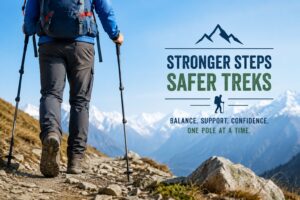
- Use trekking poles when helpful.
- Stay on the established route.
- Avoid shortcuts.
- Do not run downhill.
- Follow instructions at river crossings.
- Take extra care on snow, ice and loose terrain.
- Keep the group informed if you need to stop.
A steady pace usually gives you better control than trying to finish a section quickly.
11. Stay With Your Group and Communicate
Remote mountain terrain is not the place for unnecessary isolation.
Inform your trek leader if you:
- Feel unwell
- Develop an injury
- Become unusually tired
- Experience altitude symptoms
- Need to stop
- Lose the trail
- Notice a change in weather or terrain
Do not hide symptoms because you are worried about delaying the group.
Good communication is an important part of high-altitude trekking safety.
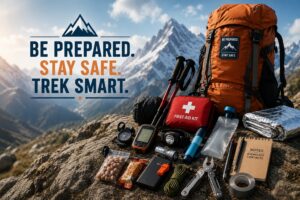
12. Carry a Practical Emergency Kit
Your emergency kit should reflect the route, duration, season and medical requirements of the trek.
Consider carrying:
- Personal prescription medicines
- Basic first-aid supplies
- Blister treatment
- Bandages
- Antiseptic supplies
- Appropriate pain-relief medicine
- Emergency blanket
- Whistle
- Headlamp and spare batteries
- Power bank
- Emergency contacts
- Water-treatment backup
- Appropriate food or energy snacks
ORS can be useful in situations where oral rehydration is actually indicated, such as significant fluid loss, but it should not be treated as a mandatory daily drink for every trekker.
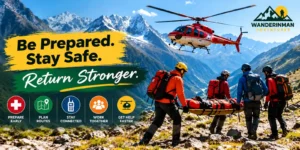
13. Know Your Emergency and Evacuation Plan
Before starting a remote trek, understand:
- Where the nearest road access is
- How emergency communication works
- Who coordinates evacuation
- What medical facilities may be available
- Whether your insurance covers trekking activities and evacuation
- What happens if weather prevents immediate evacuation
Remote mountain rescue can take time. Good planning therefore matters before an emergency occurs.
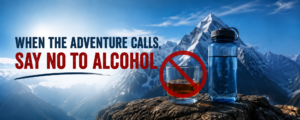
14. Avoid Alcohol During Early High-Altitude Travel
Alcohol can interfere with good decision-making, sleep and responsible altitude management.
The CDC advises avoiding alcohol for at least the first 48 hours after arriving above 8,000 feet, alongside avoiding heavy exercise during that initial period.
For a deeper explanation, see Alcohol Is Not Good at High Altitude: A Scientific Explanation.
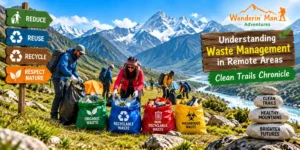
15. Protect the Himalayan Environment
A safe trek also respects the environment and communities through which you travel.
Follow responsible trekking principles:
- Carry your waste back.
- Avoid unnecessary single-use plastic.
- Stay on established trails.
- Do not disturb wildlife.
- Respect local customs and communities.
- Avoid damaging plants.
- Use designated camping and sanitation facilities where provided.
- Treat natural water responsibly.
- Leave campsites clean.
Responsible trekking protects the destination for both local communities and future trekkers.
16. Prepare Mentally for the Mountains
Physical preparation is only one part of trekking readiness.
Mountain journeys can involve:
- Long climbs
- Slow progress
- Cold mornings
- Changing plans
- Uncomfortable weather
- Fatigue
- Limited connectivity
- Unexpected delays
A good trekker understands that the mountain controls the timetable to some extent.
Stay patient. Listen to your team. Accept reasonable changes to the itinerary. Support fellow trekkers and remain calm when circumstances change.
Flexibility is a safety skill.
17. Avoid These Common Himalayan Trekking Mistakes
Some preventable mistakes can increase unnecessary risk.
Avoid:
- Choosing a trek beyond your current preparation
- Starting without adequate training
- Ignoring acclimatization
- Continuing to ascend while seriously unwell
- Following a rigid water target
- Drinking untreated natural water
- Ignoring weather warnings
- Wearing unsuitable footwear
- Overloading your backpack
- Trekking away from the group without informing anyone
- Hiding symptoms from your trek leader
- Treating summit success as more important than returning safely
The safest decision is not always the most ambitious one.
18. Use a Simple Pre-Trek Safety Checklist
Before departure, ask:
Route
Do I understand the distance, altitude, terrain and expected trekking hours?
Fitness
Have I trained specifically for the physical demands of this route?
Equipment
Do I have suitable footwear, clothing, lighting and weather protection?
Water
Do I know how much water I can carry and how I will treat uncertain sources?
Altitude
Does the itinerary allow appropriate acclimatization?
Weather
Have I checked the forecast and understood possible changes?
Emergency
Do I know the communication and evacuation procedures?
Health
Have I packed my personal medicines and understood which symptoms require immediate attention?
Group
Do I know who my trek leader is and how to communicate with them?
If several answers are “no,” address those gaps before starting.
Conclusion: Safe Trekking Starts Before You Reach the Mountains
Knowing how to make a safe trek in the Himalayas is ultimately about preparation and decision-making.
Choose a route that matches your fitness and experience. Train progressively. Carry appropriate equipment. Acclimatize gradually. Hydrate sensibly rather than forcing fluids. Treat questionable water. Monitor weather conditions. Stay with your group and report symptoms early.
Most importantly, remember that reaching the summit is not the only measure of a successful trek. Returning safely is part of the achievement.
Planning Your Himalayan Adventure?
Choose your trek according to your experience, fitness, route difficulty and altitude, and prepare with safety in mind.
Explore Wanderin’ Man Adventures’ Himalayan trekking programmes and plan your next mountain journey with responsible preparation at its core.