How to Carry and Use a Trekking Pole? beginner’s guide
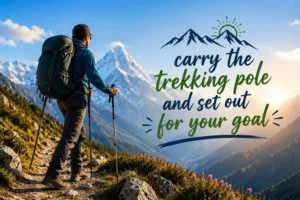
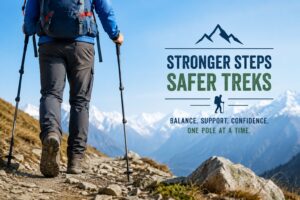
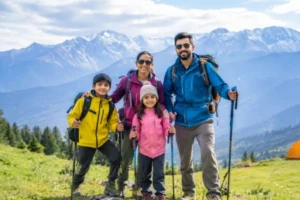
Learning how to carry and use a trekking pole correctly can make your hike more comfortable, balanced and controlled, especially on steep, rocky and uneven trails. For beginners, understanding the right pole length, wrist-strap technique and walking rhythm can make trekking easier and more confident. In this guide, you’ll learn how to carry and use a trekking pole safely, adjust it for different terrain and make it a useful part of your trekking gear.A trekking pole can make a hike feel more stable, especially on uneven, rocky, muddy or steep trails. But simply carrying a pole is not enough—you need to know how to hold, adjust and use trekking poles correctly. For beginners, the technique is surprisingly simple. Set the right length, use the wrist straps properly, develop a natural walking rhythm and adjust your technique according to the terrain.


6
This beginner’s guide explains how to carry and use a trekking pole, from adjusting it before your trek to using it on uphill, downhill and uneven terrain.
Why Should Beginners Use Trekking Poles?
Trekking poles provide an additional point of contact with the ground, helping improve balance and stability. They can also allow hikers to involve their upper body while walking and may reduce some of the load felt by the legs during demanding sections. They are particularly useful on:
- Rocky and uneven trails
- Steep ascents and descents
- Muddy or slippery sections
- Long trekking routes
- River or stream crossings where appropriate
- Trails carrying a backpack
- Loose gravel and scree
According to REI’s trekking-pole guidance, poles can enhance stability and support across different types of terrain.
For beginners, the biggest benefit is often greater confidence while moving over challenging ground.
How to Choose the Correct Trekking Pole Length
Correct trekking pole length is the foundation of good technique. For general hiking, place the pole tip on the ground near your feet and hold the grip. Your elbow should be approximately 90 degrees. This provides a comfortable starting position for most terrain. A simple beginner rule is:
Pole tip on the ground → elbow around 90° → relaxed shoulders.
Do not set the poles so high that your shoulders are lifted. Likewise, poles that are excessively short can force you into an awkward posture. If your poles have multiple adjustment sections, make sure every locking mechanism is properly secured before beginning your trek.


6
How to Use the Trekking Pole Wrist Strap
One of the most common beginner mistakes is using the wrist strap incorrectly. Instead of simply putting your hand down through the strap from above, bring your hand up through the bottom of the strap and then down onto the grip. This allows the strap to support the wrist and heel of the hand while keeping your grip relatively relaxed. The strap should feel supportive—not tight. A properly adjusted wrist strap can also make it easier to briefly release the grip when you need to drink water, adjust your backpack or take a photograph.
If your poles have left- and right-hand-specific straps, use them on the correct sides.
How to Hold and Carry Trekking Poles
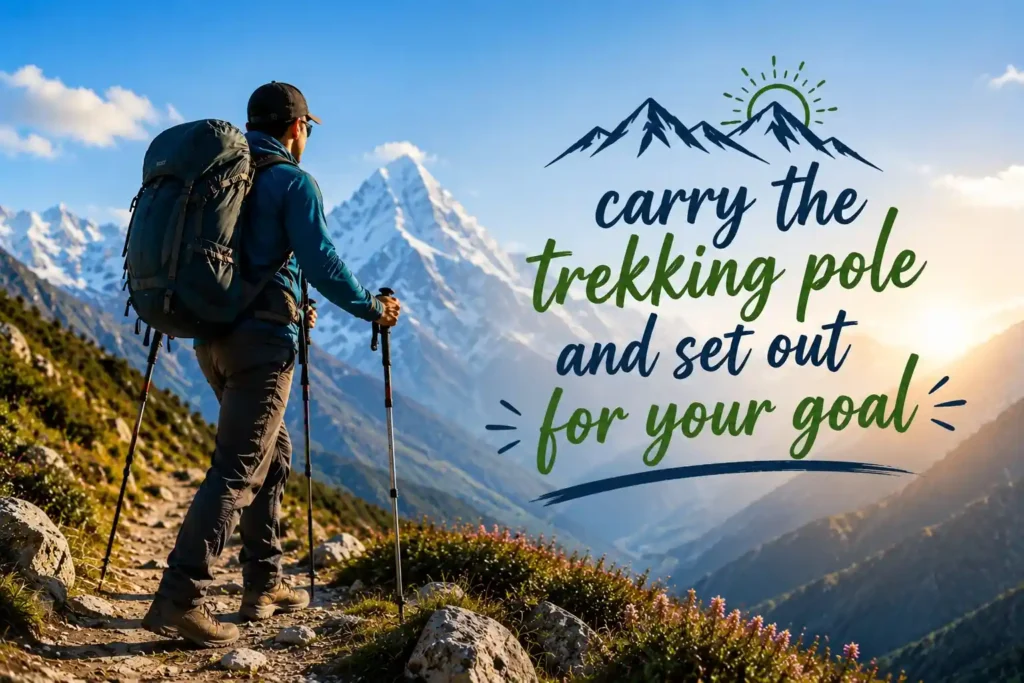
When you’re actively walking, hold the grips naturally without squeezing them excessively. Keep your wrists relaxed and allow your arms to swing naturally.
For normal walking:
Right foot → left pole
Left foot → right pole
This opposite-foot and opposite-pole rhythm usually develops naturally after a few minutes of practice. If you lose your rhythm, don’t worry. Lift the poles briefly, continue walking naturally and restart the movement. When you don’t need the poles, avoid dragging their tips behind you. You can temporarily carry them together in one hand or secure them to your backpack if the design allows it.
How to Walk With Trekking Poles on Flat Ground
Flat terrain is the easiest place to learn trekking pole technique. Start slowly:
- Adjust both poles to your comfortable height.
- Put your hands through the wrist straps correctly.
- Keep your elbows relaxed.
- Walk naturally.
- Plant the opposite pole as the opposite foot moves forward.
- Keep the pole slightly behind your body when pushing off.
Don’t try to force every pole plant. The movement should become part of your natural walking rhythm. Think of trekking poles as balance and movement tools—not crutches.


6
How to Use Trekking Poles Uphill
Steep uphill sections require a small adjustment. For a prolonged climb, you can shorten the poles by approximately 5–10 cm (2–4 inches). This can give you better leverage and make pole placement more comfortable. Keep your body moving naturally rather than pulling yourself uphill with your arms.
Remember:
Steeper climb → slightly shorter poles → comfortable arm movement.
If your shoulders feel lifted or strained, your poles may be too long.
How to Use Trekking Poles Downhill
Downhill walking places different demands on your body. For a prolonged descent, trekking poles can generally be lengthened by around 5–10 cm (2–4 inches) from your normal setting. This can help you maintain a more upright position and provide additional support when stepping down.
Plant the pole slightly ahead of you before taking the next step, particularly when the trail is uneven.
However, never assume that a trekking pole can prevent a fall. Continue watching your footing and choose stable places to plant your feet.


6
How to Use Trekking Poles on Uneven and Slippery Trails
On rocky, muddy or uneven ground, your main objective is stability rather than speed. Shorten your stride, look ahead and place each pole where it can provide useful support. On a sloping traverse, you may need to adjust the two poles differently. The pole on the uphill side can be shorter, while the downhill-side pole can be longer to maintain a comfortable position. On wet rocks or loose ground, don’t blindly trust the pole tip. Check that it has a reasonably secure contact point before transferring weight.
Common Trekking Pole Mistakes Beginners Should Avoid
Avoid these common errors:
- Holding the grip too tightly: This can cause unnecessary hand and forearm fatigue.
- Incorrect wrist-strap use: The strap should support your hand rather than restrict it.
- Incorrect pole length: Poor adjustment can affect posture and comfort.
- Ignoring locking mechanisms: Always check that adjustable sections are securely locked.
- Walking too fast: Learn the rhythm before increasing your pace.
- Planting poles randomly: Place them deliberately on stable ground.
- Relying completely on poles: Your feet and balance remain your primary means of movement.
- Dragging poles: Lift and plant them naturally rather than constantly dragging them.
REI also recommends checking locking mechanisms because they can loosen during use or transport.
How to Carry Trekking Poles When You Are Not Using Them
There will be sections where you don’t need trekking poles. On easy terrain, you can carry both poles together in one hand. For longer sections where you don’t need them, use the pole-carry system or attachment points on your backpack if available. Before putting poles inside or outside your backpack, collapse or fold them according to the manufacturer’s instructions. Keep sharp pole tips protected when they’re packed around other equipment or when you’re moving through crowded areas.
Beginner Trekking Pole Safety Checklist
Before starting your trek, check:
✓ Correct pole length
✓ Locking mechanisms securely closed
✓ Wrist straps correctly positioned
✓ Tips and baskets properly fitted
✓ Comfortable grip
✓ No damaged or bent sections
During the trek, slow down on technically difficult terrain and make deliberate pole placements. Trekking poles are an aid to stability, not a replacement for proper footwear, trail awareness, fitness, weather preparation or good trekking judgment.


6
Final Takeaway: Practice Before Your Trek
Learning how to carry and use a trekking pole doesn’t require complicated training. Start on an easy trail and practise the basics: correct length, proper wrist-strap technique, opposite-foot rhythm and controlled pole placement. Once the movement becomes natural, you can adapt the pole length and technique to climbs, descents and uneven terrain. A few minutes of practice before a Himalayan trek can make your trekking poles feel like a natural extension of your movement rather than another piece of equipment you have to think about.
Ready for your next adventure? Prepare your gear, practise your trekking-pole technique and choose a trail that matches your experience level.
Planning a Himalayan adventure? Explore professionally guided trekking and adventure programmes with Wanderin’ Man Adventures and choose an experience suited to your fitness, experience and trekking goals.Trekking skills are learned through practice, observation and experience on real trails. Using trekking poles effectively is not simply about carrying equipment—it involves understanding terrain, maintaining balance, adjusting pole length and developing a natural walking rhythm. At Wanderin’ Man Adventures, trekking and adventure experiences are built around practical outdoor skills, responsible movement and safety-conscious participation. Trekkers are encouraged to understand their equipment before entering challenging terrain and to practise basic techniques on easier trails first. This approach is particularly important for beginners, because equipment becomes useful only when the trekker knows how to use it correctly.