How to Use a Tent: Step-by-Step Guide for Safe Camping
A tent is more than a place to sleep. It is your shelter from rain, wind, cold, insects and changing outdoor conditions. Learning how to use a tent correctly can make camping safer, more comfortable and much easier. Whether you are planning a Himalayan trek, a weekend campsite or your first outdoor adventure, knowing how to choose a campsite, pitch your tent, manage ventilation and pack it correctly are essential skills. This practical guide explains how to use a tent from setup to storage, including common mistakes that beginners should avoid.
Why Learning How to Use a Tent Matters
A properly used tent can provide a comfortable and reliable shelter during an outdoor trip. However, simply owning a tent does not guarantee a good camping experience. Correct tent use helps you:
- Stay protected from changing weather
- Keep your sleeping equipment dry
- Reduce condensation and moisture
- Organize your camping space
- Protect the tent from unnecessary damage
- Improve comfort during overnight stays
- Prepare better for outdoor conditions
Good tent use starts before you even unpack the tent.
Know the Main Parts of Your Tent
Before learning how to set up a tent, identify its main components.
Tent Body
The inner structure where you sleep. Depending on the design, it may include mesh panels for ventilation.
Tent Poles
Poles create the tent’s structure. Some tents use flexible aluminum poles, while others use fiberglass or specialized systems.
Rainfly
The outer waterproof layer helps protect the inner tent from rain and weather.
Footprint or Groundsheet
This protective layer sits underneath the tent and helps reduce abrasion and moisture exposure.
Stakes or Pegs
Stakes anchor the tent to the ground.
Guy Lines
Guy lines extend from the tent and improve stability when properly positioned and tensioned.
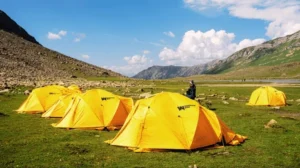
How to Choose a Safe Campsite
Choosing the right campsite is just as important as knowing how to use a tent.
Look for:
- Relatively level, stable ground
- Good natural drainage
- A location away from obvious flood channels
- A suitable distance from rivers and streams
- No unstable branches or dead trees overhead
- Protection from excessive wind where appropriate
- A designated or previously established campsite when available
Avoid low depressions where water can collect, exposed cliff edges, unstable slopes and dry riverbeds that could flood after rain.
For low-impact camping, Leave No Trace recommends using durable surfaces such as established campsites, rock, gravel or other suitable low-impact areas and avoiding unnecessary disturbance to vegetation.
Never choose a campsite simply because it looks scenic. Safety and environmental impact come first.
How to Set Up a Tent Step by Step
Step 1: Prepare the Groundsheet
Place the footprint or groundsheet on the selected surface.
Make sure it does not extend significantly beyond the tent floor. Exposed sections can collect rainwater underneath the tent.
Step 2: Position the Tent Body
Lay the tent body flat over the groundsheet.
Check the entrance direction and identify where the poles and attachment points are located.
Step 3: Assemble the Poles
Connect the pole sections carefully.
Do not force the joints together. If your tent uses colour-coded poles or clips, match them according to the manufacturer’s instructions.
Step 4: Attach the Poles
Insert the poles through their sleeves or connect them to the designated clips.
Raise the tent gradually rather than forcing the structure into position.
Step 5: Stake the Tent
Secure the corners first and then attach the remaining anchor points.
Position stakes according to the tent manufacturer’s recommendations and adjust them to suit the ground conditions.
Step 6: Attach the Rainfly
Place the rainfly over the tent and fasten all required buckles, clips or attachment points.
Maintain the intended gap between the rainfly and inner tent where the design requires it. This can help reduce moisture transfer and improve airflow.
Step 7: Secure the Guy Lines
Attach and tension the guy lines as recommended by the manufacturer.
They should provide support without placing excessive strain on the tent fabric or poles.
Ventilation Is Essential Inside a Tent
One common beginner mistake is closing every opening to keep warm.
Good ventilation helps reduce condensation and moisture buildup. Where conditions allow:
- Keep ventilation vents open
- Use mesh panels appropriately
- Allow airflow through the tent
- Avoid blocking vents with clothing or equipment
- Keep wet gear away from your sleeping area when possible
Condensation can occur even when there is no rain because people release moisture while breathing and through normal perspiration. Good ventilation helps manage it.
How to Stay Comfortable Inside Your Tent
Once your tent is pitched, organize the interior before settling down.
Keep:
- Your sleeping bag dry
- Your sleeping mat properly positioned
- Your headlamp within reach
- Water nearby
- Essential items easy to access
- Shoes and muddy equipment in the vestibule where possible
Avoid filling the sleeping area with unnecessary equipment. A simple organization system saves space and makes it easier to find important items at night.
How to Use a Tent in Rain and Wind
Mountain and outdoor weather can change quickly.
Before bad weather arrives:
- Check that every stake is secure
- Tighten guy lines appropriately
- Ensure the rainfly is correctly attached
- Close unnecessary openings
- Keep loose objects secured
- Check that drainage around the campsite is adequate
In strong winds, follow the tent manufacturer’s guidance and reassess whether the location remains safe. A tent is not a guarantee of protection against severe weather. If conditions become dangerous, prioritize moving to an appropriate safer location rather than trying to protect the tent at all costs.
Never Cook Inside Your Sleeping Tent
This deserves special attention.
Do not use a camping stove, lantern, candle or other open flame inside a sleeping tent.
Open flames can ignite tent materials, while fuel-burning appliances can produce dangerous gases in enclosed or poorly ventilated spaces. The National Park Service advises that camping stoves and lanterns should not be operated inside tents or other confined spaces. Cook outdoors in a designated and safe area, following local fire regulations. The National Park Service also recommends keeping cooking areas appropriately separated from sleeping areas where local conditions and wildlife considerations require it.
Common Tent Setup Mistakes to Avoid
Even experienced campers can make simple mistakes.
Avoid:
- Pitching on unstable or poorly drained ground
- Ignoring the weather forecast
- Leaving the rainfly incorrectly positioned
- Blocking ventilation
- Over-tensioning guy lines
- Using damaged poles or stakes
- Cooking inside the sleeping tent
- Leaving food waste around camp
- Packing the tent while it is wet
- Storing a damp tent for long periods
A few minutes of preparation can prevent significant problems later.
How to Pack and Store a Tent
After your trip, don’t immediately stuff the tent into its storage bag if it is wet.
Instead:
- Remove dirt, leaves and debris.
- Dry the tent completely.
- Clean it according to the manufacturer’s instructions.
- Check poles, clips, seams and guy lines.
- Pack the components carefully.
- Store the tent in a cool, dry place.
Never leave a damp tent packed away for an extended period. Moisture can encourage mold and unpleasant odors and may damage materials over time.
How to Extend the Life of Your Tent
Good maintenance can significantly improve the useful life of camping equipment.
Remember to:
- Dry the tent after wet trips
- Clean dirt before storage
- Repair small problems early
- Replace damaged stakes or guy lines
- Avoid dragging the tent across rough surfaces
- Keep sharp equipment away from tent fabric
- Practice pitching at home before a major trip
A practice setup also helps you discover missing parts or damaged components before you reach the campsite.
Essential Camping Gear to Use With Your Tent
A tent works best as part of a complete camping system.
Consider carrying:
- Sleeping bag
- Sleeping mat
- Headlamp
- First-aid kit
- Water bottle
- Tent repair kit
- Spare stakes
- Appropriate clothing
- Waterproof bags
- Navigation equipment
- Weather-appropriate emergency equipment
Your equipment should match the location, season, expected weather and duration of the trip.
Leave No Trace While Camping
Responsible camping means protecting the environment as well as yourself. Use existing campsites where appropriate, avoid damaging vegetation, manage waste properly and respect wildlife. Leave No Trace’s seven principles include planning ahead, travelling and camping on durable surfaces, disposing of waste properly, minimizing campfire impacts and respecting wildlife. A good campsite should be left clean and as close as practical to its original condition.
Frequently Asked Questions About Using a Tent
How do you use a tent for the first time?
Start by reading the manufacturer’s instructions and practicing the setup at home. Learn the pole system, clips, rainfly, stakes and guy lines before your trip.
Should the rainfly always be used?
It depends on the tent design and weather. A rainfly provides weather protection on compatible tents, but follow the manufacturer’s instructions for proper use.
Why does my tent get wet inside?
Condensation is a common reason. Body moisture, wet equipment and poor airflow can increase condensation. Improve ventilation whenever weather conditions allow.
Can you cook inside a tent?
No. Do not use a camping stove or open flame inside a sleeping tent. Use an appropriate outdoor cooking area and follow local regulations.
How should I store my tent?
Clean and completely dry the tent before long-term storage. Store it in a cool, dry location and inspect it before the next trip.
Final Thoughts
Learning how to use a tent is one of the most useful skills for campers, trekkers and outdoor enthusiasts. From choosing a suitable campsite and pitching the tent correctly to managing ventilation, preparing for weather and storing your equipment properly, every step contributes to a safer outdoor experience. Practice your tent setup before your trip, check your equipment and understand the conditions you may encounter. Most importantly, respect the environment and follow local camping regulations.
A well-used tent is not just shelter—it is part of a well-prepared adventure.
Planning Your Next Outdoor Adventure?
Wanderin’ Man combines outdoor adventure with practical field experience to create trekking, camping and experiential adventure programmes.
Explore our trekking and adventure programmes and prepare for your next outdoor experience.