Choose Treks as per Your Fitness or Experience
Trekking in the Himalayas is one of the most rewarding outdoor adventures, but choosing the wrong trek can quickly turn an exciting journey into a physically exhausting or even unsafe experience. The best way to enjoy the mountains is to choose treks as per your fitness or experience rather than selecting a destination simply because it is popular or trending.Whether you are planning your first Himalayan trek or preparing for a challenging high-altitude expedition, understanding your fitness level, trekking experience, endurance, and acclimatization ability will help you make the right decision. This guide explains how to choose the perfect trek based on your abilities so you can enjoy every step of your adventure safely and confidently.
Why You Should Choose Treks as per Your Fitness or Experience?
Every trek is different. Some involve easy forest trails and gradual climbs, while others require long walking hours, steep ascents, glacier crossings, and high-altitude camping. Choose treks as per your experience or fitness, as it offers several advantages.
Why Matching Your Fitness Level to Trek Difficulty Matters
A trek should be enjoyable, not a struggle for survival. When the trekking difficulty level matches your stamina and endurance, you can appreciate breathtaking landscapes, local culture, wildlife, and mountain scenery instead of constantly battling fatigue.
Benefits of Choosing the Right Trek for Your Ability
Many trekking accidents happen because participants overestimate their capabilities. Choosing a trek suitable for your experience reduces the chances of muscle injuries, exhaustion, dehydration, and altitude-related illnesses such as Acute Mountain Sickness (AMS).
How Trek Selection Improves Safety and Enjoyment
Starting with beginner-friendly treks allows you to develop hiking skills, improve trekking fitness, and gain confidence before attempting more demanding Himalayan expeditions. Every successful trek becomes a stepping stone toward higher peaks and longer adventures.
Build Confidence by Choosing Treks That Match Your Experience
Choosing the right trek involves more than checking beautiful photographs on social media. It requires an honest assessment of your physical condition and previous outdoor experience.
Why Every Trekker Should Assess Their Physical Fitness Before Trekking
Ask yourself:
- Can you comfortably walk 10–15 km in a day?
- Can you climb stairs continuously for 30–45 minutes?
- Do you regularly exercise or participate in outdoor activities?
- Can you carry a backpack for several hours?
If the answer is “yes” to most of these questions, you may be ready for an easy to moderate trek. Otherwise, consider beginning with shorter and less demanding trails.
How to Choose Treks as per Your Fitness or Experience
Most trekking companies classify routes into different grades.
- Easy Treks: Suitable for beginners with basic fitness.
- Moderate Treks: Require good stamina and some trekking experience.
- Difficult Treks: Demand excellent endurance, high-altitude adaptation, and technical mountain skills.
- Challenging Expeditions: Best for experienced trekkers with prior exposure to alpine conditions.
Understanding these grades helps you choose a trek that aligns with your abilities.
Assess Your Trekking Fitness Level
Your experience matters just as much as your fitness.
If you have completed only short day hikes, avoid jumping directly into multi-day high-altitude expeditions. Instead, gradually progress through moderate Himalayan treks before attempting difficult mountain routes.
Understand Trek Difficulty Grades
Choosing the perfect trek involves evaluating several important factors.
Evaluate Your Previous Hiking Experience
Cardiovascular endurance, leg strength, flexibility, and overall stamina are essential for trekking. Preparing with walking, jogging, cycling, stair climbing, and strength training significantly improves your trekking performance.
Choose a Trek Based on Endurance and Stamina
High-altitude trekking becomes increasingly challenging above 3,000 metres. Lower oxygen levels affect every trekker differently. Even fit individuals can experience altitude sickness if they ascend too quickly.
Always choose treks that provide adequate acclimatization days, especially if you are new to Himalayan trekking.
Consider Your Physical Fitness and Health
Longer treks require greater endurance and mental resilience.
- Weekend treks are suitable for beginners.
- Five to seven-day treks suit moderately fit trekkers.
- Longer expeditions demand higher physical and mental preparation.
Factors to Consider Before You Choose Treks
Consider Your Physical Fitness and Health
Different terrains create different challenges.
You may encounter:
- Rocky mountain trails
- Dense forests
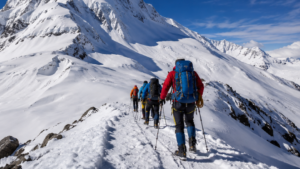
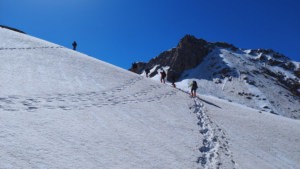
- Snow-covered paths
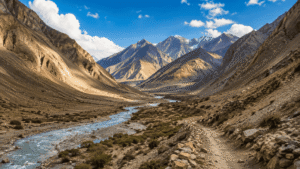
- River crossings
- Glaciers
- Steep ascents and descents
Understanding the terrain helps you prepare physically and choose appropriate trekking gear.
Check the Weather and Best Trekking Season
Mountain weather changes rapidly. Rain, snowfall, strong winds, and cold temperatures increase trekking difficulty considerably.
Always research the best trekking season before planning your adventure.
Pack the Right Trekking Gear and Backpack
Even an easy trail becomes difficult with an overloaded backpack.
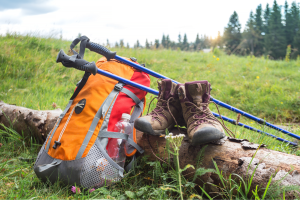
Learning proper backpacking techniques and carrying only essential trekking equipment improves comfort and reduces fatigue.
Decide Between a Guided Trek or Independent Trekking
Beginners often benefit from guided treks. Experienced trek leaders provide route guidance, safety support, acclimatization management, emergency assistance, and valuable mountain knowledge.
Best Treks for Beginners, Intermediate, and Experienced Trekkers
Matching the right destination with your experience level is one of the smartest trekking decisions you can make.
Best Beginner-Friendly Himalayan Treks
If you’re new to trekking, start with scenic routes that have gradual ascents and comfortable camping conditions.
Popular beginner-friendly options include:
- Kedarkantha Trek
- Dayara Bugyal Trek
- Nag Tibba Trek
- Beas Kund Trek
These treks help develop stamina while introducing trekkers to mountain camping, backpacking, and high-altitude environments.
Recommended Treks for Intermediate Hikers
After gaining confidence, you can move to moderately challenging routes with longer walking days and higher elevations.
Recommended intermediate treks include:
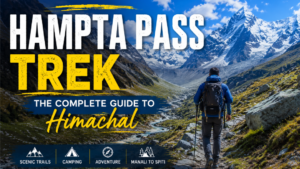
- Hampta Pass Trek
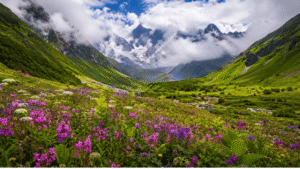
- Valley of Flowers Trek
- Kuari Pass Trek
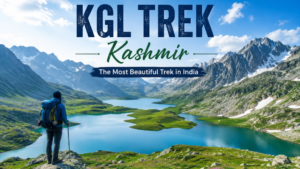
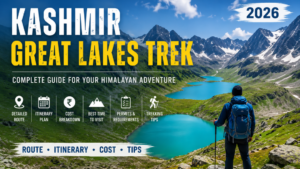
- Kashmir Great Lakes Trek
These adventures improve endurance while introducing more demanding mountain terrain and changing weather conditions.
Progress from Easy Treks to High-Altitude Expeditionss
Experienced trekkers seeking greater challenges can attempt demanding Himalayan expeditions.
Examples include:
- Rupin Pass Trek
- Goechala Trek
- Kang Yatse Base Camp
- Stok Kangri region expeditions (where permitted)
- Technical mountaineering expeditions
These treks require excellent physical fitness, previous high-altitude trekking experience, and proper acclimatization.
Common Mistakes When Choosing a Trek
Many trekkers unknowingly make decisions that reduce their chances of having a .
Choosing a Trek Only for Social Media Popularity
Beautiful photographs rarely show the physical effort required to reach those breathtaking viewpoints. Always research the trek thoroughly before booking.
Selecting a Trek Without Proper Research
Attempting a difficult trek without adequate preparation often leads to exhaustion, injuries, or incomplete treks.
Underestimating the Effects of High Altitude
Many first-time trekkers believe fitness alone prevents altitude sickness. In reality, acclimatization is equally important.
Carrying an Overloaded Backpack
Heavy backpacks reduce walking efficiency and increase fatigue. Pack light but carry all essential trekking equipment.
Skipping Pre-Trek Physical Preparation
Preparing at least six to eight weeks before your trek significantly improves stamina, endurance, recovery, and overall trekking performance.
Choosing the Cheapest Trek
Price should never be the only deciding factor. Prioritize experienced trek leaders, quality safety equipment, emergency protocols, and responsible trekking organizations.
Final Thoughts
Choosing the right trek is the foundation of a safe, enjoyable, and memorable mountain adventure. Instead of chasing the toughest trail or the most popular destination, take time to evaluate your fitness, trekking experience, endurance, and comfort with altitude.
As your confidence grows, gradually progress from beginner-friendly trails to moderate and challenging Himalayan treks. This approach not only enhances your trekking skills but also reduces the risk of injuries and altitude-related issues while making every journey more rewarding.
Remember, the goal is not simply to reach the summit—it’s to enjoy the entire experience. By choosing treks that match your fitness and experience, you’ll build lasting memories, gain confidence with every adventure, and be better prepared for even greater Himalayan expeditions in the future.