Valley of Flowers Trek 2026 | India’s Most Famous Trail
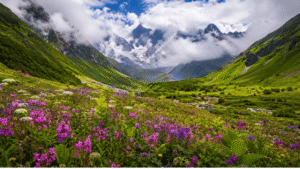
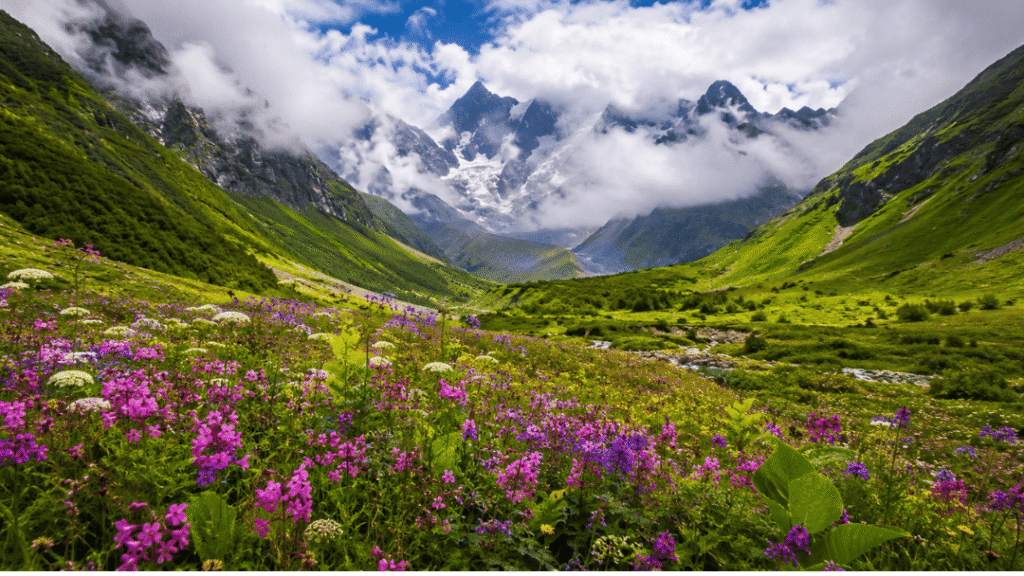
The Valley of Flowers Trek is one of the most breathtaking Himalayan adventures in India and a dream destination for trekkers, nature lovers, photographers, and wildlife enthusiasts. Nestled in the Chamoli district of Uttarakhand, this UNESCO World Heritage Site transforms into a colorful paradise during the monsoon season, featuring more than 500 species of alpine flowers, cascading waterfalls, lush green meadows, and snow-covered Himalayan peaks.
Recognized as one of the best monsoon treks in India, the Valley of Flowers offers an unforgettable blend of natural beauty, biodiversity, and spiritual significance. Whether you are planning your first Himalayan trek or adding another destination to your bucket list, this guide covers everything you need to know about the Valley of Flowers Trek 2026.
About Valley of Flowers National Park
Located at an altitude of approximately 3,658 meters (12,000 feet) above sea level, the Valley of Flowers National Park spreads across nearly 87 square kilometers in the Western Himalayas.
The valley remained largely unknown until 1931, when British mountaineer Frank S. Smythe accidentally discovered it after returning from a successful expedition to Mount Kamet. Since then, it has become one of India’s most iconic trekking destinations.
The park is home to rare Himalayan flora and fauna, including:
- Himalayan Blue Poppy
- Cobra Lily
- Brahma Kamal
- Primulas
- Orchids
- Himalayan Bellflowers
- Himalayan Black Bear
- Snow Leopard (rare)
- Musk Deer
- Blue Sheep
Why the Valley of Flowers Trek is So Popular
The Valley of Flowers Trek attracts thousands of visitors every year because of its unique combination of adventure and natural beauty.
Top Highlights
- UNESCO World Heritage Site
- One of India’s most famous Himalayan treks
- Easy to moderate difficulty level
- Ideal for beginners and families
- Over 500 species of wildflowers
- Panoramic Himalayan mountain views
- Scenic waterfalls and glaciers
- Opportunity to visit Hemkund Sahib
- Rich biodiversity and wildlife
- Excellent destination for photography
Valley of Flowers Trek Route
The trek starts from Govindghat, a small town located on the Badrinath Highway.
Complete Route
Haridwar → Rishikesh → Joshimath → Govindghat → Pulna → Ghangaria → Valley of Flowers
Many trekkers also extend their journey to: Ghangaria → Hemkund Sahib → Return
Valley of Flowers Trek Distance
| Section | Distance |
|---|---|
| Govindghat to Pulna | 4 km |
| Pulna to Ghangaria | 9 km |
| Ghangaria to Valley of Flowers/ Hemkund sahib | 4 km/6 km |
| Inside Valley Exploration | 3–5 km |
| Total Trek Distance | Approximately 38 km Round Trip |
Valley of Flowers Trek Difficulty
The Valley of Flowers Trek is considered an easy to moderate trek.
It is suitable for:
- Beginners
- Solo travelers
- Families
- College students
- Senior citizens with good fitness
- Nature photographers
Basic physical preparation like walking or jogging for a few weeks before the trek can make the experience more enjoyable.
Best Time to Visit Valley of Flowers in 2026
The national park remains open only during the summer and monsoon months.
Opening Season
June to October
Peak Blooming Season
Mid-July to Mid-August
Best Months
| Month | Experience |
|---|---|
| June | Fresh greenery and snow patches |
| July | Flowers begin blooming |
| August | Peak flowering season |
| September | Clear skies and colorful landscapes |
| October | Park closes for winter |
For photographers and flower enthusiasts, late July and early August offer the most spectacular scenery.
Valley of Flowers Trek Itinerary (6 Days)
Day 1
Haridwar/Rishikesh to Joshimath
Distance: 270 km
Duration: 9–10 hours
Day 2
Joshimath to Govindghat
Drive to Pulna
Trek to Ghangaria
Day 3
Ghangaria to Valley of Flowers
Explore the valley
Return to Ghangaria
Day 4
Optional Trek to Hemkund Sahib
Return to Ghangaria
Day 5
Ghangaria to Govindghat
Drive to Joshimath
Day 6
Return to Haridwar or Rishikesh
Valley of Flowers Entry Permit
Visitors must obtain an official entry permit before entering the national park.
Permits are generally available at the forest check post near the entrance and are subject to government regulations. Carry a valid government-issued photo ID during your visit.
Valley of Flowers Trek Cost 2026
The total budget depends on travel style.
Approximate Expenses
| Category | Estimated Cost |
|---|---|
| Budget Trip | ₹7,000–₹9,500 |
| Standard Trek Package | ₹10,000–₹14,000 |
| Premium Guided Tour | ₹15,000–₹25,000+ |
Costs may include accommodation, meals, transportation, guide services, permits, and trek support.
Accommodation Options
Popular places to stay include:
- Joshimath Hotels
- Govindghat Guest Houses
- Ghangaria Hotels
- GMVN Tourist Rest Houses
- Homestays
- Budget Lodges
Advance booking is recommended during July and August.
What to Pack
Essential items include:
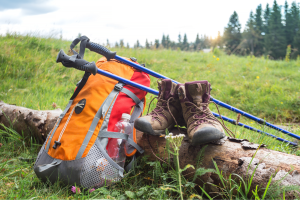
- Waterproof trekking shoes
- Raincoat or poncho
- Warm jacket
- Thermal wear
- Trekking pole
- Backpack
- Water bottle
- Sunglasses
- Sunscreen
- Personal medicines
- Power bank
- ID proof
Weather During the Trek
The weather changes rapidly in the Himalayas.
Average temperatures:
- Day: 10°C to 18°C
- Night: 3°C to 8°C
Rainfall is common during July and August, so waterproof gear is essential.
Photography Opportunities
The Valley of Flowers is one of India’s best photography destinations.
You can capture:
- Colorful flower carpets
- Himalayan landscapes
- Waterfalls
- Rivers
- Glaciers
- Wildlife
- Sunrise and misty mountain views
Drone photography may be restricted, so check local regulations before your trip.
Flora and Fauna
The national park supports exceptional biodiversity.
Famous Flowers
- Blue Poppy
- Cobra Lily
- Brahma Kamal
- Marigolds
- Daisies
- Primulas
- Anemones
- Orchids
Wildlife
- Himalayan Monal
- Musk Deer
- Himalayan Tahr
- Blue Sheep
- Himalayan Black Bear
- Snow Leopard (rare sightings)
Essential Travel Tips
- Start trekking early in the morning.
- Carry sufficient cash, as digital payments may not be accepted everywhere.
- Wear layered clothing.
- Stay hydrated throughout the trek.
- Do not pluck flowers or litter inside the national park.
- Respect local culture and wildlife.
- Check weather forecasts before departure.
- Book accommodation in advance during peak season.
Why You Should Visit Valley of Flowers in 2026
If you’re searching for the best trekking destination in Uttarakhand, the Valley of Flowers Trek 2026 deserves a place at the top of your list. From vibrant alpine meadows and majestic Himalayan peaks to peaceful trails and extraordinary biodiversity, every step offers a memorable experience.
Whether you’re interested in trekking in Uttarakhand, exploring a UNESCO World Heritage Site, planning a monsoon trek in India, or visiting Hemkund Sahib, this iconic trail combines adventure, nature, and culture in one remarkable journey.
Frequently Asked Questions (FAQs)
Is the Valley of Flowers Trek suitable for beginners?
Yes. It is considered an easy to moderate trek and is suitable for first-time trekkers with a reasonable level of fitness.
What is the best time to see flowers in full bloom?
The peak blooming period is typically from late July to mid-August.
How many days are required for the trek?
A 5–6 day itinerary is ideal for most travelers, including travel to and from the trailhead.
Can I visit Hemkund Sahib during the same trip?
Yes. Most visitors include a day trek to Hemkund Sahib from Ghangaria.
Is a guide mandatory?
A guide is not mandatory for the Valley of Flowers trail, but joining an organized trek can simplify logistics and enhance safety.