Understanding Waste Management in Remote Areas: Clean Trails Chronicle
Why Waste Management in Remote Areas Matters
Mountains offer fresh air, breathtaking landscapes and unforgettable adventures. Yet, behind these beautiful experiences lies a growing challenge: waste generated by trekkers, camping groups and tourism activities. Waste management in remote areas is essential because mountain villages and trekking destinations often lack regular waste collection, recycling facilities and safe disposal systems. Plastic wrappers, food packaging, bottles and discarded equipment can remain in the environment for years, harming wildlife and polluting water sources. A clean trail is not created by nature alone. It depends on responsible travellers, informed adventure operators and communities working together. At Wanderin’ Man Adventures, promoting environmental awareness is an important step towards making adventure experiences more responsible and sustainable.
What Makes Waste Management Difficult in Remote Areas?
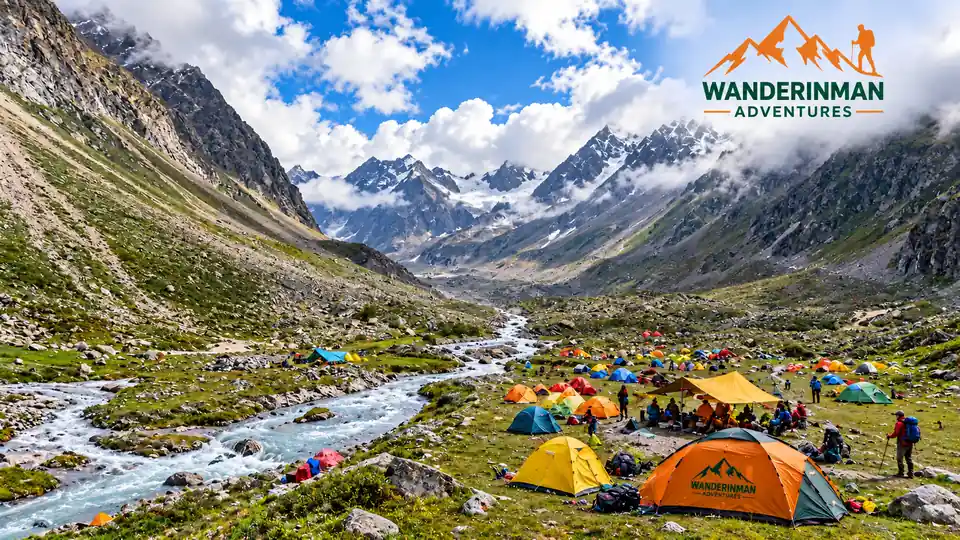
Managing waste in remote mountain destinations is more complicated than collecting rubbish in a city. Steep terrain, unpredictable weather and long distances make transportation difficult and expensive.
Common challenges include:
- Limited infrastructure: Remote villages may lack organised collection points, recycling centres and treatment facilities.
- Difficult transportation: Carrying waste down steep trails requires additional labour, time and resources.
- Plastic pollution: Food wrappers, disposable bottles and packaging can accumulate along trekking routes.
- Lack of awareness: Visitors may not understand how their waste affects fragile mountain ecosystems.
- Seasonal tourism: Large numbers of visitors during peak trekking months can overwhelm local waste systems.
Addressing these problems requires more than occasional clean-up drives. It demands planning, awareness and consistent action.
Types of Waste Generated During Trekking and Camping
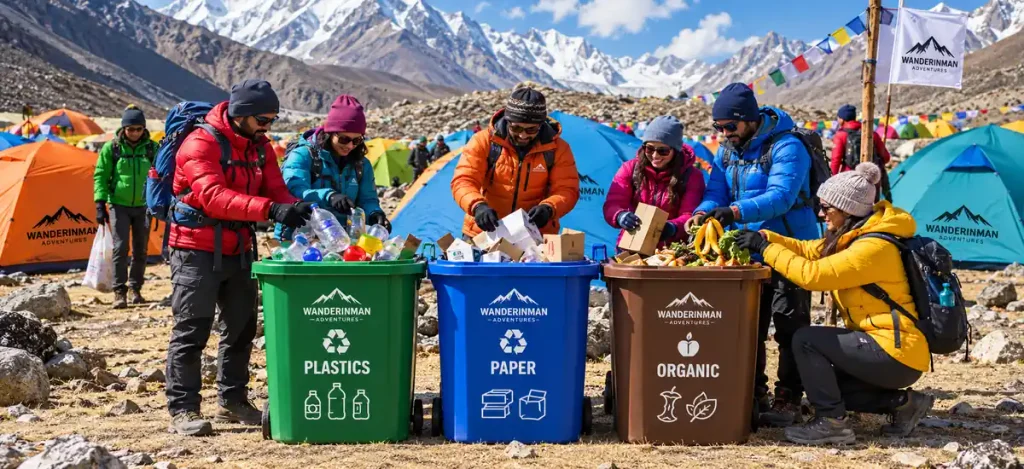
Understanding different waste categories helps adventure operators and trekkers choose suitable disposal methods.
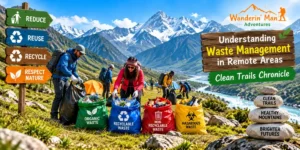
- Plastic waste: Wrappers, bottles, bags and disposable food containers.
- Organic waste: Fruit peels, leftover food and vegetable scraps.
- Paper and cardboard: Food cartons, packaging and notebooks.
- Metal and glass: Cans, jars and beverage containers.
- Hazardous waste: Batteries, damaged electronic equipment and certain chemical containers.
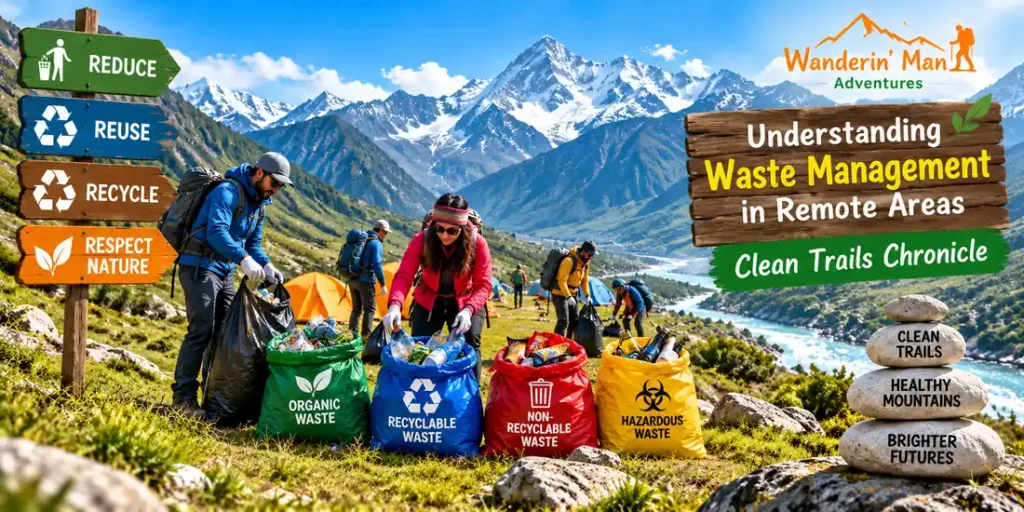
Waste segregation should happen at the source wherever practical. Organic waste should not automatically be discarded in the mountains, as food scraps can attract wildlife and disturb natural feeding behaviour. Composting is appropriate only where a suitable, managed system exists.
Sustainable Waste Management Practices for Clean Trails
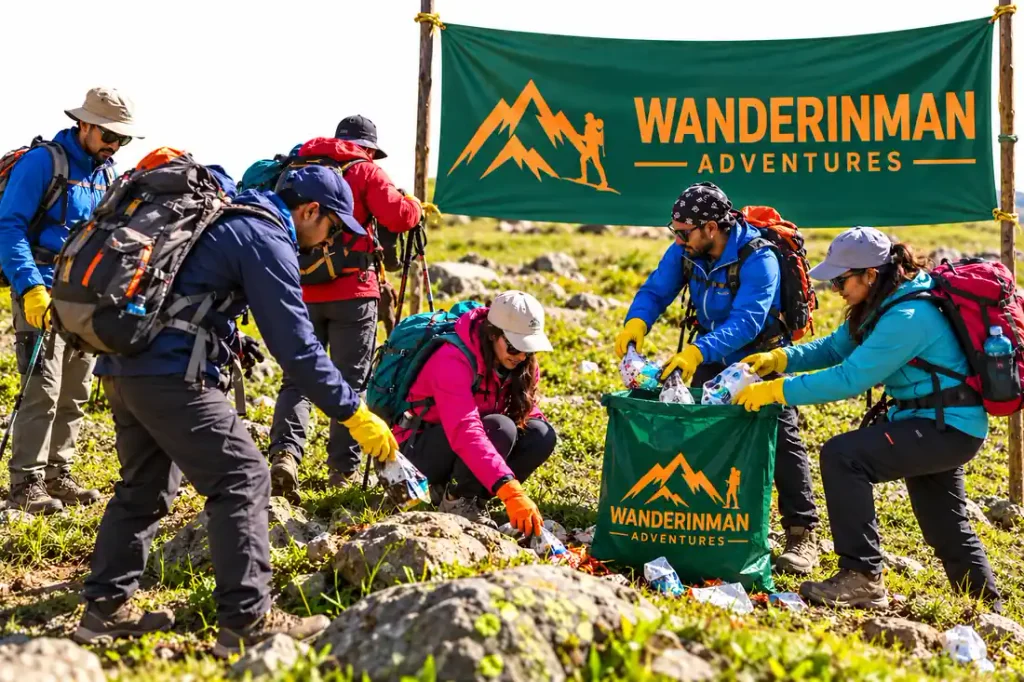
1. Follow the Leave No Trace Principles
Carry out everything you bring in. Avoid littering, damaging vegetation or disturbing wildlife. Even biodegradable waste should be managed responsibly rather than thrown beside the trail.
2. Reduce Single-Use Plastics
Encourage reusable water bottles, refillable containers and reusable food bags. Bulk packaging and minimal wrapping can reduce the amount of waste generated during multi-day adventures.
3. Segregate and Carry Waste Back
Provide clearly labelled, durable waste bags for recyclable, non-recyclable and other appropriate waste categories. Carry waste back to designated collection facilities where it can be handled safely.
4. Plan Waste Management Before Departure
Adventure organisers should estimate the waste a group may generate, identify collection arrangements and brief participants before departure. A waste management plan should form part of the overall trekking itinerary.
5. Organise Responsible Clean-Up Activities
Scheduled clean-up drives can involve trekkers, local residents, schools and guides. However, clean-ups must complement waste prevention and safe disposal rather than replace them.
The Role of Adventure Operators, Schools and Local Communities
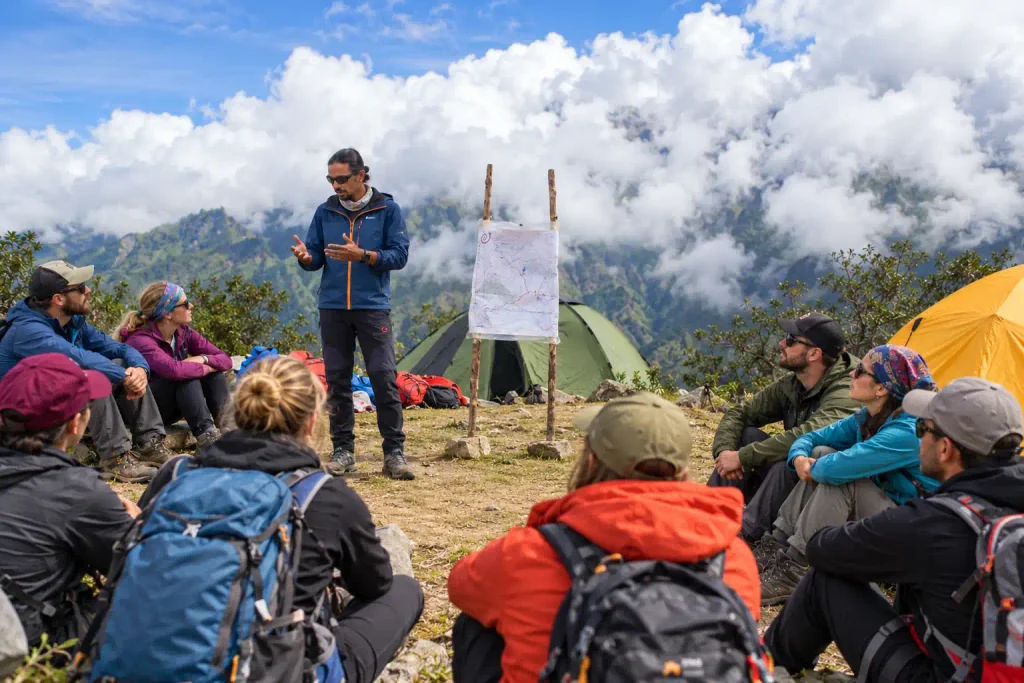
Long-term change becomes possible when environmental responsibility is shared. Adventure operators can train guides, brief participants, minimise packaging and establish waste-return procedures. They should also work with authorised local waste handlers rather than burn rubbish or dump it in isolated locations. Schools can integrate environmental education into experiential learning programmes. Students can practise waste segregation, record litter collected and discuss how tourism affects mountain ecosystems.
Local communities contribute essential knowledge about regional conditions, disposal options and sensitive ecological areas. Their participation also helps ensure that conservation efforts respect local needs and livelihoods. When these groups cooperate, sustainable trekking becomes a shared commitment instead of an individual responsibility.
How Trekkers Can Adopt Eco-Friendly Habits
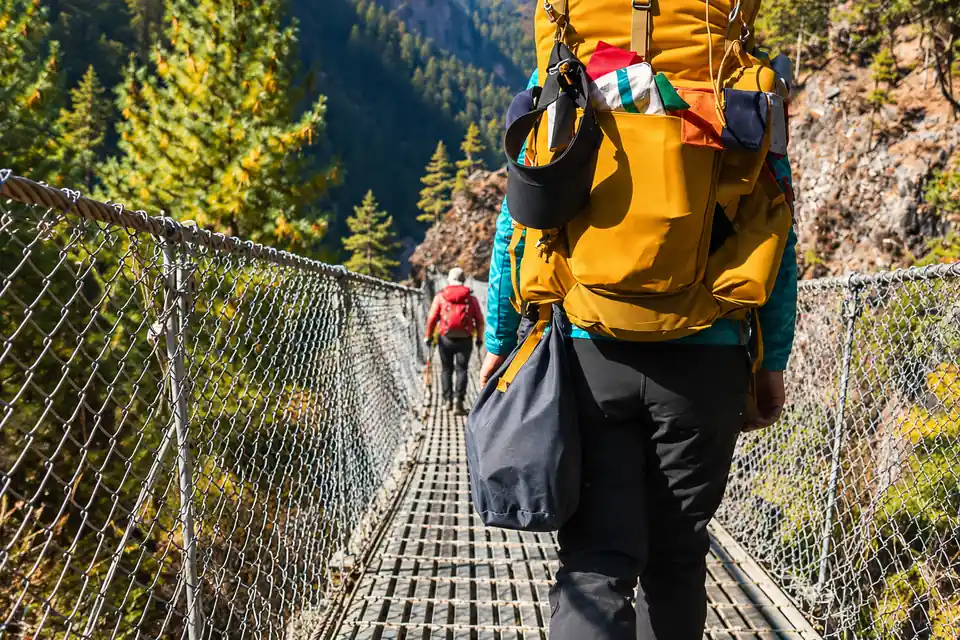
Every traveller can contribute to cleaner trails by making small changes before and during an adventure.
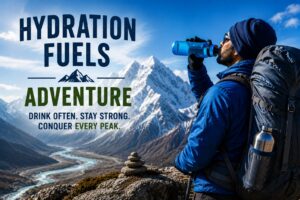
- Carry a reusable water bottle and refill it where safe drinking water is available.
- Choose products with minimal packaging.
- Keep a small waste bag in your daypack.
- Never throw rubbish into rivers, forests or mountain valleys.
- Use toilets and designated sanitation facilities where available.
- Respect local disposal instructions and take waste to authorised collection points.
- Encourage fellow trekkers to follow responsible tourism practices.
These habits make environmental conservation practical, affordable and achievable for everyone.
Measuring the Impact of Clean Trail Initiatives
Responsible waste management should produce measurable results. Adventure organisers and schools can assess progress using simple indicators.
| Indicator | What to measure |
|---|---|
| Waste collected | Quantity of litter removed from designated trail sections |
| Waste reduction | Change in single-use packaging brought on trips |
| Waste segregation | Proportion of collected waste sorted appropriately |
| Participant awareness | Understanding of responsible trekking practices |
| Community participation | Number of local volunteers and partner organisations involved |
Measurements should be recorded consistently, and waste quantities should be compared across similar routes and seasons. The goal is not merely to collect more rubbish, but to prevent waste from entering the environment in the first place.
Building a Cleaner Future for Mountain Tourism

Mountains are natural treasures that deserve protection beyond the duration of a trekking holiday. Effective waste management in remote areas protects biodiversity, preserves water quality and helps maintain the beauty of destinations for future generations. The solution begins with thoughtful planning, responsible behaviour and collaboration between travellers, adventure operators, schools and local communities.
At Wanderin’ Man Adventures, we believe outdoor experiences should develop not only confidence and teamwork but also respect for nature. By encouraging responsible trekking habits and environmental awareness, we can help make every adventure a positive step towards cleaner trails. Explore responsibly. Travel thoughtfully. Leave the mountains better protected for those who follow.
Frequently Asked Questions
Why is waste management difficult in remote areas?
Remote destinations often lack collection facilities, recycling infrastructure and convenient transport. Difficult terrain and weather make waste removal more expensive and time-consuming.
How can trekkers reduce waste in the Himalayas?
Trekkers can avoid single-use plastics, carry reusable supplies, segregate their rubbish and bring waste back to authorised collection points.
What is the role of adventure companies in waste management?
Adventure companies can train guides, educate participants, reduce packaging, organise waste-return systems and collaborate with local communities and authorised waste handlers.
Is biodegradable waste safe to leave on trekking trails?
No. Food scraps and other biodegradable materials can attract wildlife and disrupt natural ecosystems. They should be managed according to local guidance rather than discarded in the open.
How does waste management support sustainable tourism?
It reduces pollution, protects natural resources, improves visitor experiences and supports the long-term conservation of tourism destinations.
Conclusion: Keeping Remote Trails Clean for Future Generations
Effective waste management in remote areas is essential for protecting fragile mountain ecosystems, preserving wildlife habitats, and ensuring sustainable adventure tourism. From carrying reusable products and segregating waste to following responsible disposal practices, every small action contributes to cleaner trails and healthier natural environments. At Wanderinman Adventures, responsible exploration means respecting the landscapes that make every adventure memorable. Trekkers, camp operators, local communities, and tourism organisations must work together to reduce waste, minimise plastic pollution, and promote a lasting culture of environmental responsibility.
Remember: Leave nothing behind except footprints, and take nothing away except memories. By embracing the principles of Leave No Trace, we can help ensure that our mountains, forests, and remote destinations remain clean, beautiful, and welcoming for generations to come. Let every journey become an opportunity to protect nature and inspire others to travel responsibly.