Boxes to Check Before Choosing a School Adventure Program
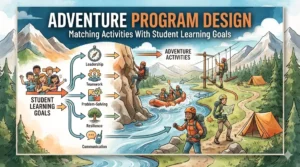
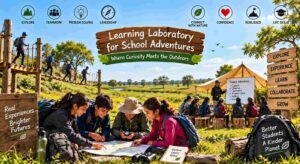
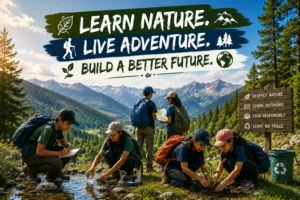
Choosing a school adventure program is about much more than selecting an exciting destination. For schools, teachers and parents, the real question is whether the program is safe, educational, age-appropriate, professionally managed and meaningful for students. A well-designed adventure experience can take learning beyond the classroom and help students develop teamwork, communication, leadership, resilience and environmental awareness. India’s Environment Education Programme also emphasizes complementing classroom knowledge with experiences in nature and hands-on activities.
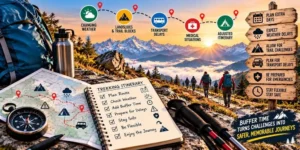
Before signing up for a school camping, trekking or adventure program, use the following checklist.


7
1. Check the Educational Purpose of the Program
The first box to tick is learning objective.
Ask:
- What will students learn?
- Is the program linked to experiential learning?
- Does it develop leadership, teamwork or resilience?
- Are there opportunities for environmental learning?
- Is there a structured reflection or assessment component?
A good adventure program should not be simply a recreational outing. Activities such as trekking, camping, navigation, climbing and team challenges should have a clear educational purpose.
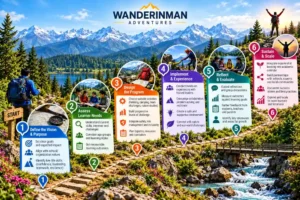
The best programs connect experience → challenge → reflection → learning.
2. Check the Safety Standards
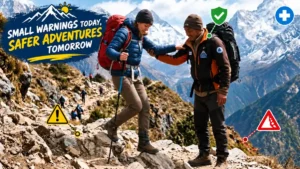
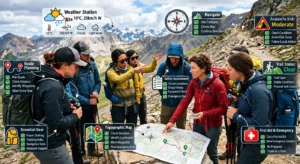
Adventure program safety should always come before excitement.
Ask the provider about:
- Activity-specific risk assessments
- Safety procedures and operating protocols
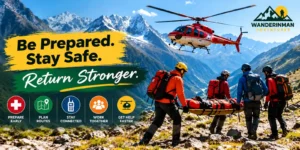
- Emergency response plans
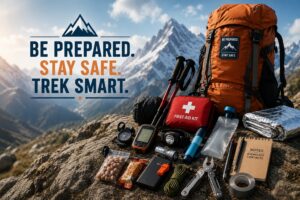
- First-aid facilities
- Emergency communication
- Weather monitoring
- Evacuation arrangements
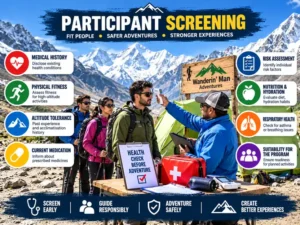
- Medical support
- Equipment inspection
Indian school-safety guidance emphasizes accountability, preventive measures, reporting procedures and creating safe environments for children. CBSE also references safety requirements covering areas such as child safety, disaster management, fire safety, health, hygiene and transport.
Do not hesitate to ask the provider to explain what happens if something goes wrong.


6
3. Check the Experience and Training of Instructors
A beautiful location cannot compensate for inexperienced instructors.
Find out:
- Who conducts the activities?
- What training and certifications do instructors have?
- How much experience do they have with school groups?
- Are instructors trained in first aid and emergency response?
- Are activity leaders experienced in the specific adventure being offered?
Working with children requires more than technical adventure skills. Instructors must also understand student behaviour, communication, supervision and age-appropriate challenge. A responsible school adventure provider should be able to clearly explain its instructor-selection and training process.
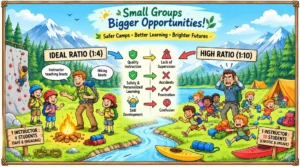
4. Check the Student-to-Instructor Ratio
Group management can directly influence safety and learning. Ask about the student-to-instructor or student-to-leader ratio, particularly for activities involving heights, water, trekking or technical equipment. A smaller group size generally allows instructors to observe students more closely, provide better guidance and respond faster when required. Also clarify the role of accompanying teachers. Teachers should know whether they are expected to supervise, participate, assist with logistics or simply support students.
5. Check Whether Activities Are Age-Appropriate
A challenging activity is not automatically a good activity. The program should consider:
- Student age
- Physical ability
- Previous outdoor experience
- Fitness levels
- Weather conditions
- Activity difficulty
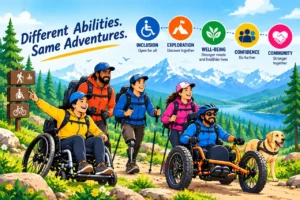
- Medical or accessibility requirements
Students should be encouraged to challenge themselves without being unnecessarily pressured.
The objective should be progress, confidence and responsible decision-making—not fear or competition.
6. Check the Quality of Equipment
Adventure equipment should be suitable for the activity, participant and environment.
For technical activities, ask about:
- Helmets
- Harnesses
- Ropes
- Carabiners
- Life jackets
- Climbing equipment
- Rescue equipment
- Communication devices
More importantly, ask how equipment is inspected, maintained, stored and replaced. A professional adventure provider should have a systematic equipment-management process rather than relying on equipment simply because it appears visually sound.
7. Check the Emergency and Medical Plan
Before choosing a school adventure trip, ask for a clear emergency-management plan.
The school should know:
- Where the nearest medical facility is
- How emergency transportation is arranged
- How instructors communicate during emergencies
- Who contacts parents or school authorities
- What happens during severe weather
- How injured or unwell students are handled
Medical information and emergency contacts should also be collected and managed appropriately. A good program makes emergency planning part of preparation—not something considered only after an incident.
8. Check Accommodation, Food and Hygiene
For residential adventure camps, evaluate the basics carefully.
Check:
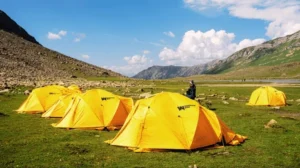
- Sleeping arrangements
- Clean drinking water
- Food quality
- Toilets and sanitation
- Hygiene standards
- Electricity and communication facilities
- Weather-appropriate accommodation
- Night-time supervision
Ask whether the provider can accommodate specific dietary, medical or accessibility requirements. These details may seem less exciting than trekking or rafting, but they strongly influence the overall student experience.
9. Check the Travel and Transport Arrangements
The adventure begins before students reach the campsite.
Ask about:
- Vehicle condition
- Driver experience
- Journey planning
- Rest stops
- Route planning
- Emergency contacts
- Student attendance registers
- Teacher supervision
Schools should also verify that transportation arrangements comply with applicable local requirements. For example, school-trip safety directions issued in Uttar Pradesh have emphasized parental consent, defined responsibilities, student registers, group supervision and safe transportation practices.
10. Check the Learning Outcomes
This is one of the most important boxes.
Ask the provider:
“What will students be able to demonstrate after completing the program?”
Possible outcomes include:
- Improved teamwork
- Leadership skills
- Communication
- Confidence
- Resilience
- Problem-solving
- Decision-making
- Environmental awareness
- Outdoor skills
- Personal responsibility
A strong adventure program should ideally provide opportunities to observe or reflect on these outcomes rather than simply claiming them.
11. Check Parent and School Communication
A professional provider should make communication easy. Before the program, schools and parents should receive clear information about:
- Itinerary
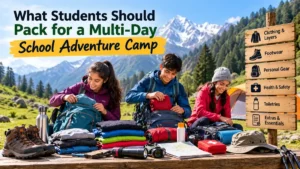
- Packing list
- Activities
- Safety procedures
- Accommodation
- Food
- Medical requirements
- Emergency contacts
- Consent documentation
- Important do’s and don’ts
Transparency builds confidence among students, teachers, school administrators and parents.
12. Check the Program’s Environmental Responsibility
Outdoor education should teach students to respect the outdoors—not simply consume it as an adventure destination.
Look for programs that promote:
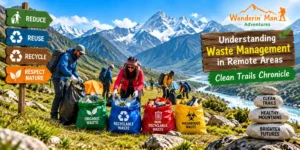
- Leave-no-trace practices
- Waste management
- Responsible trekking
- Wildlife awareness
- Local environmental education
- Respect for local communities
- Sustainable use of natural resources
This transforms a trek or camping experience into an opportunity for environmental education and responsible citizenship.


7
13. Check the Program’s Overall Value—not Just the Price
The cheapest school adventure program may not always provide the best value. Instead of comparing only prices, compare:
Safety + instructors + equipment + accommodation + food + transport + learning design + supervision + emergency preparedness.
A slightly higher investment may be worthwhile if it provides stronger safety systems, better instructors and a genuinely structured educational experience.
A Simple School Adventure Program Checklist
Before making the final decision, ask:
☐ Is the learning objective clear?
☐ Is student safety the priority?
☐ Are instructors experienced and trained?
☐ Is the supervision ratio appropriate?
☐ Are activities age-appropriate?
☐ Is equipment inspected and maintained?
☐ Is there an emergency response plan?
☐ Are accommodation and hygiene standards acceptable?
☐ Is transportation properly planned?
☐ Are learning outcomes defined?
☐ Are parents and teachers properly briefed?
☐ Is the program environmentally responsible?
☐ Does the overall value justify the cost?
Conclusion: Choose Learning, Safety and Experience Together
The right school adventure program should deliver more than excitement. It should create a carefully managed environment where students can step outside their comfort zones, work with others, solve problems and discover capabilities they may not have recognized in the classroom. For schools, the best choice is therefore not simply “Where can we take students?” but: “What can our students safely experience, learn and bring back from the adventure?” When safety, educational purpose, professional leadership and meaningful student outcomes come together, an adventure trip can become much more than a school excursion—it can become a transformational learning experience.