Why India Can Become a Global Adventure Tourism Destination?
India has everything needed to become a global adventure tourism destination—from the Himalayas and vast deserts to tropical coastlines, dense forests, rivers and high-altitude landscapes. As travellers increasingly seek meaningful experiences rather than conventional sightseeing, adventure tourism in India is entering an exciting new phase. Trekking, rafting, skiing, mountaineering, scuba diving, paragliding, cycling and camping are attracting travellers who want to explore India differently. With its geographical diversity, cultural richness and growing adventure infrastructure, India has the potential to emerge as one of the world’s most exciting destinations for adventure travel.
India’s Extraordinary Geographical Diversity
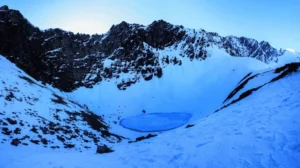
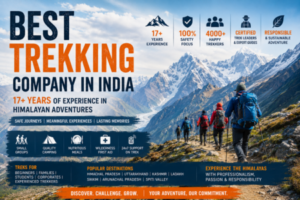
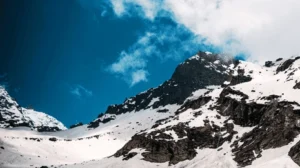
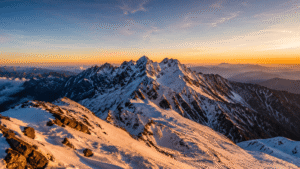
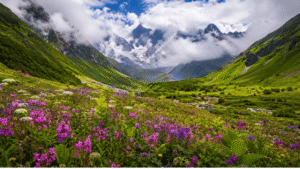
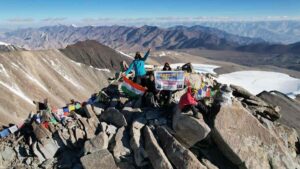
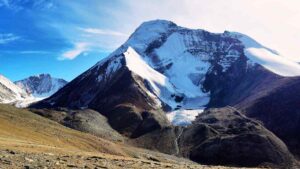
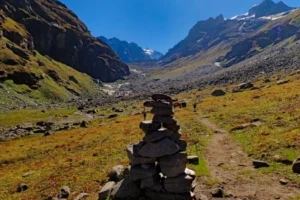
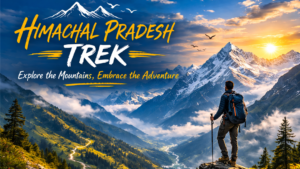
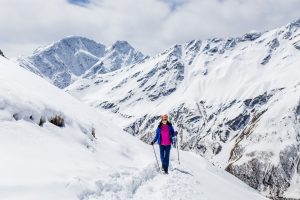
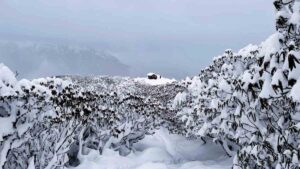
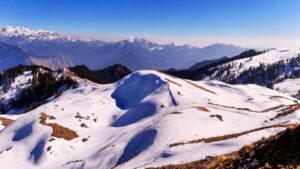
One of India’s biggest advantages is its extraordinary variety of landscapes within a single country.The Himalayas provide opportunities for trekking, mountaineering, skiing, snowboarding, camping and high-altitude expeditions. Regions such as Himachal Pradesh, Uttarakhand, Jammu & Kashmir, Sikkim and Arunachal Pradesh offer experiences for both beginners and experienced adventurers. At the same time, India’s western deserts create opportunities for desert safaris, dune activities and cycling. Its extensive coastline supports surfing, scuba diving, kayaking, sailing and other water adventure sports. The forests, valleys, plateaus and rivers of central and southern India further expand the possibilities. This geographical diversity allows India to offer year-round adventure tourism, rather than depending on a single season or activity.
The Rise of Adventure Tourism in India
The Indian traveller is changing. For many years, holidays were largely associated with sightseeing, shopping and relaxation. Today, travellers increasingly want experiences that challenge them physically, mentally and emotionally.
This has accelerated the growth of:
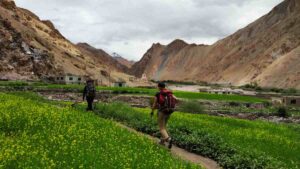
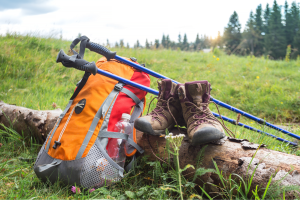
- Trekking and hiking
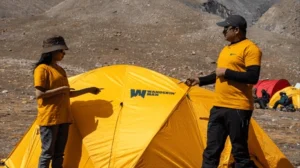
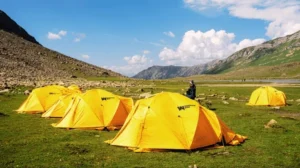
- Camping and wilderness experiences
- River rafting
- Paragliding
- Cycling tours
- Skiing and snow adventures
- Scuba diving
- Rock climbing
- Kayaking
- Mountaineering
- Wildlife and nature-based adventures
Young travellers, families, corporate groups and international tourists are increasingly looking for experiential travel in India. Adventure is no longer limited to extreme sports. It is becoming a broader lifestyle category combining exploration, wellness, nature, learning and personal growth.
India Can Offer Adventure Experiences for Every Traveller
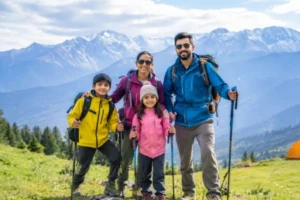
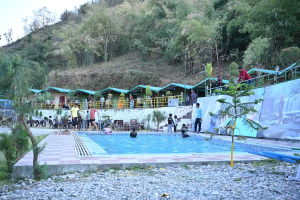
Another major opportunity lies in India’s ability to serve different types of adventure travellers. Adventure for Beginners Not everyone wants to climb a high-altitude peak or undertake an extreme expedition. Beginner-friendly treks, camping trips, cycling routes, kayaking experiences and guided outdoor activities can introduce new travellers to adventure safely.
Adventure for Families and Students
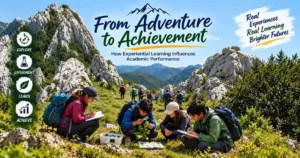
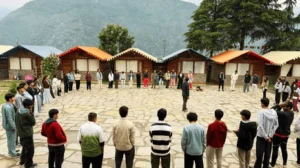
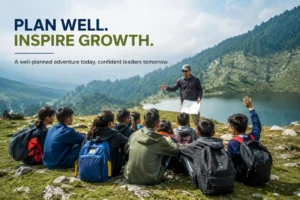
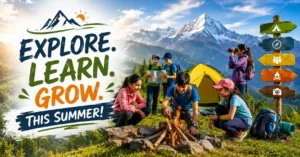
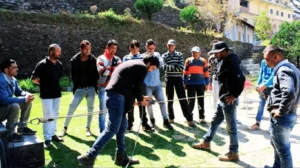
Adventure tourism can also become an important tool for experiential learning. School adventure camps can combine trekking, camping, environmental education, leadership activities and outdoor challenges. These experiences help young people develop confidence, teamwork, resilience and problem-solving abilities.
Adventure for Experienced Explorers
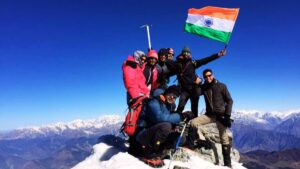
India also has enormous potential for serious adventure enthusiasts. High-altitude Himalayan expeditions, technical climbing, long-distance trekking, skiing and remote wilderness journeys can attract experienced international adventurers. This creates an opportunity to position India not merely as a sightseeing destination, but as a destination for world-class adventure experiences.
India’s Cultural Heritage Adds Another Dimension
India’s competitive advantage is not limited to geography. Adventure travellers can combine outdoor activities with India’s extraordinary cultural heritage. A trek can include visits to mountain villages. A cycling expedition can pass through historic towns. A rafting journey can be combined with local cultural experiences. A desert adventure can introduce travellers to traditional communities and regional cuisine. This combination of adventure tourism and cultural tourism creates experiences that are difficult for competing destinations to replicate. Travellers increasingly want stories, connections and authentic experiences—not just photographs.
India can provide all three.
Infrastructure and Technology Can Accelerate Growth
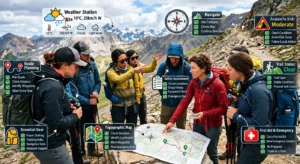
India’s expanding transportation, digital connectivity and tourism infrastructure can significantly improve adventure travel. Online booking platforms, digital maps, GPS technology, weather forecasting, satellite communication and wearable devices are making outdoor activities more accessible and safer.
Technology can also help adventure operators provide:
- Digital trip planning
- Real-time weather information
- Emergency communication
- GPS-based navigation
- Digital safety briefings
- Online activity booking
- Personalised adventure itineraries
The combination of technology and adventure tourism can make India’s outdoor experiences more professional, accessible and globally competitive.
Safety Will Determine India’s Global Reputation
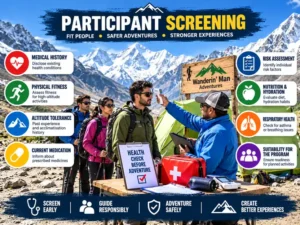
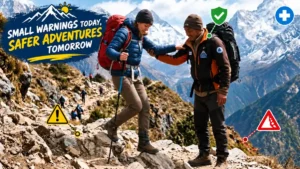
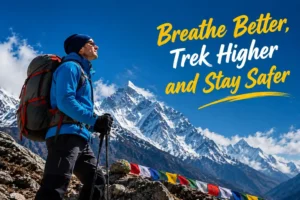
If India wants to become a leading global adventure tourism destination, adventure sports safety must remain a priority. International travellers expect professionally trained guides, appropriate equipment, emergency response systems, risk assessments and clearly defined safety protocols. Adventure companies can strengthen the sector by investing in:
- Certified adventure leaders
- First-aid and rescue training
- Quality safety equipment
- Standard operating procedures
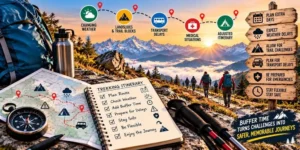
- Weather and route assessments
- Emergency evacuation systems
- Participant screening and briefing
- Responsible group management
Safety is not simply an operational requirement. It is a competitive advantage. A destination known for professionally managed adventures will earn greater trust from international travellers.
Sustainable Adventure Tourism Can Become India’s Differentiator
The future of adventure tourism cannot be based simply on increasing visitor numbers. Fragile Himalayan ecosystems, forests, rivers and coastal environments require responsible tourism practices. Sustainable adventure tourism in India should focus on responsible waste management, smaller groups, conservation, local employment, environmental education and respect for communities. When travellers contribute positively to destinations, adventure tourism can become a force for conservation and rural economic development.
Local Communities Can Benefit From Adventure Travel
Adventure tourism can create employment far beyond hotels and travel agencies.
Local communities can participate as:
- Mountain guides
- Instructors
- Drivers
- Camp staff
- Homestay operators
- Equipment providers
- Local entrepreneurs
- Food suppliers
- Cultural experience providers
This creates a powerful connection between adventure tourism and rural development. Instead of concentrating tourism only in major cities, adventure travel can distribute economic opportunities to remote regions.
India Has the Opportunity to Build Global Adventure Brands
India already has a large domestic tourism market. The next opportunity is to build internationally recognised adventure destinations and brands. Destinations can develop clear identities around specific experiences—for example, Himalayan trekking, Indian skiing, river rafting, coastal adventure or desert exploration. Professional operators can then package these experiences for international markets with consistent standards, storytelling and service quality. The objective should not simply be to attract more tourists.
It should be to create globally competitive adventure experiences that travellers actively seek out.
What Needs to Change?
India’s potential is enormous, but potential alone does not create a global destination. The sector needs continued investment in infrastructure, safety standards, professional training, destination management, environmental protection and international marketing. Better coordination between tourism authorities, local communities, adventure operators and conservation organisations can create a stronger ecosystem. Most importantly, India needs to move from viewing adventure tourism as a niche activity to recognising it as a significant component of the future tourism economy.
The Future of Adventure Tourism in India
India’s adventure tourism journey is only beginning. Its mountains, rivers, oceans, forests, deserts and diverse cultures provide an extraordinary foundation. A growing experience-driven traveller base provides demand, while technology and improving infrastructure can help deliver better experiences. If India combines natural diversity, professional safety standards, sustainable tourism, local participation and innovative adventure experiences, it can compete strongly in the global adventure tourism market. The real opportunity is bigger than attracting international adventure travellers. It is about transforming how the world experiences India. From a Himalayan trek at sunrise to rafting through mountain valleys, cycling through rural landscapes or camping beneath a clear desert sky, India has the ingredients to become a destination where adventure becomes the journey—not just an activity.