Why Trekking Itineraries Need Buffer Time: Planning for Delays in the Mountains
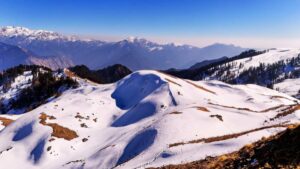
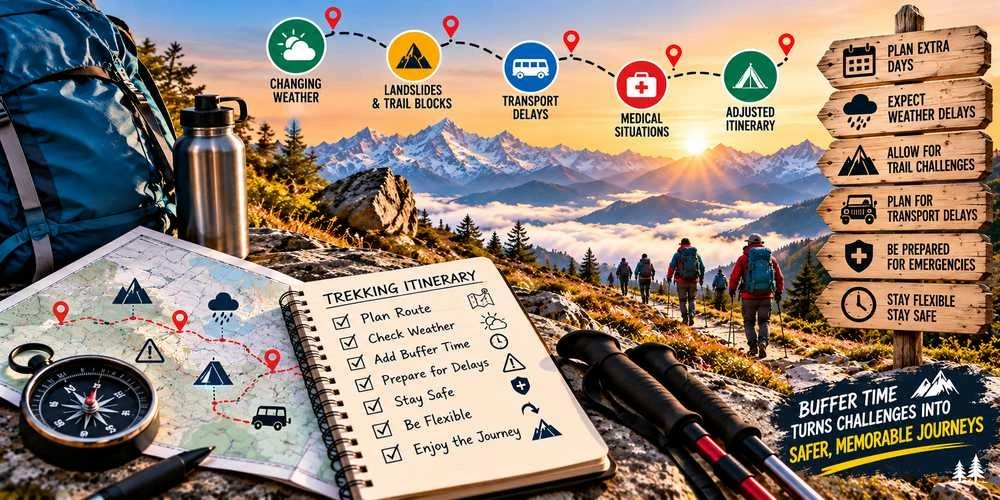
The mountains offer breathtaking landscapes, unforgettable adventures and opportunities for personal growth. However, they are also unpredictable. Sudden weather changes, landslides, difficult trail conditions and health concerns can disrupt even the most carefully planned trekking itinerary. That is why buffer time in trekking itineraries is essential for safer and more enjoyable mountain adventures. By allowing extra time for unexpected delays, trekkers can make responsible decisions without rushing through difficult terrain or compromising safety. Whether you are planning a Himalayan trek, organising a school adventure camp or managing a guided expedition, a flexible itinerary helps turn unexpected challenges into manageable situations.
What Is Buffer Time in a Trekking Itinerary?
Buffer time refers to additional time or reserve days built into a trekking itinerary to accommodate unforeseen delays. These days provide flexibility when the original schedule cannot be followed. For example, a seven-day trekking programme might include one or two reserve days, depending on the route, season, terrain, group profile and logistical requirements. If everything proceeds as planned, these days may be used for rest, acclimatisation or local exploration. If delays occur, they help the group adjust its schedule without immediately compromising safety.
Why Is Buffer Time Important for Himalayan Trekking?
Trekking in the Himalayas involves changing environmental conditions, physical demands and logistical uncertainties. Buffer days help expedition leaders respond to these challenges more effectively.
1. Improves trekking safety
When trekkers fall behind schedule, they may feel pressured to walk faster, continue in poor weather or cross difficult sections late in the day. Extra time reduces this pressure. Leaders can wait for safer conditions, reassess the route and make decisions based on the group’s abilities rather than a fixed departure deadline.
2. Reduces stress and fatigue
Long walking days, steep ascents and inadequate recovery can affect a trekker’s energy and concentration. A flexible schedule allows time for rest when necessary.
3. Supports altitude acclimatisation
At higher elevations, some trekkers need additional time to adapt to reduced oxygen availability. Acclimatisation must be planned according to altitude, ascent profile and individual health. Buffer days can support a safer schedule, but they do not replace proper acclimatisation planning or medical assessment. Suspected altitude illness may require stopping ascent or descending, not simply waiting for the next day.
4. Improves the overall experience
A trek should be more than a race to reach the next campsite. Extra time can allow participants to appreciate the landscape, engage with local communities where appropriate and reflect on their experiences.
What Causes Delays During Mountain Treks?
Understanding the common causes of trekking delays helps organisers prepare realistic itineraries and contingency plans.
Changing weather conditions
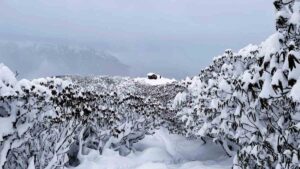
Heavy rainfall, snowfall, strong winds, poor visibility and thunderstorms can make trails unsafe. Mountain weather can change rapidly, so weather forecasts and local assessments should inform daily decisions.
Landslides and blocked trails
Landslides, rockfall and damaged paths can temporarily prevent access to a planned route. In some situations, the safest option is to wait, return to a safe location or use an officially assessed alternative.
Health issues and physical fatigue
Exhaustion, dehydration, minor injuries and altitude-related symptoms may slow a group. A responsible trekking itinerary accounts for differences in fitness, experience and walking pace.
Road closures and logistical challenges
Access roads, bridges, transport arrangements and supply deliveries can be disrupted by weather or infrastructure damage. These issues may delay reaching the trailhead or returning from an expedition.
Local restrictions and environmental conditions
Forest closures, permit requirements, conservation measures and other local restrictions may affect access. Wildlife activity or fragile trail conditions may also require adjustments where relevant.

How Much Buffer Time Should You Include in a Trekking Itinerary?
There is no universal number of buffer days suitable for every trek. The right amount depends on the route, season, altitude, accessibility, group experience and consequences of a delay.
| Trekking situation | Planning consideration |
|---|---|
| Short, low-altitude trek | Allow flexibility for weather and transport delays. |
| Multi-day Himalayan trek | Consider reserve days at suitable points in the itinerary. |
| High-altitude expedition | Plan acclimatisation and contingency time around the ascent profile and risks. |
| School adventure programme | Account for varied fitness levels, supervision needs and group movement. |
| Remote or difficult route | Consider longer delays, limited evacuation options and emergency contingencies. |
As an initial planning example, an organiser might consider one or two reserve days for a multi-day trek. This is not a safety standard or a guarantee that the itinerary is adequate. Remote, technical or high-altitude expeditions may require different arrangements.
Important: Buffer time must never be used to justify continuing when conditions are unsafe. If a route becomes dangerous, the group should follow its emergency and turnaround procedures regardless of the remaining schedule.
How to Plan a Flexible Trekking Itinerary
A well-designed itinerary balances adventure objectives with realistic travel times and appropriate safety margins.
Start with realistic daily distances
Estimate walking time using elevation gain, terrain, trail conditions, rest stops and the group’s ability. Avoid planning every day around the fastest possible pace.
Identify high-risk sections
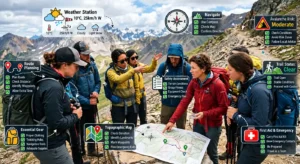
Mark exposed ridges, river crossings, steep ascents, landslide-prone areas and sections affected by seasonal weather. Establish decision points and turnaround times before departure.
Build in contingency options
Identify safe places to wait, suitable alternative routes, accessible exit points and emergency evacuation arrangements where available. Confirm that alternatives are permitted and assessed as appropriate.
Check weather and local information
Review reliable forecasts, local advisories and trail reports before and during the trek. Update plans when conditions change.
Communicate with the entire group
Explain that schedule changes are part of responsible mountain travel. Participants should know who makes route decisions, how to report symptoms and what to do if the group is delayed.
Common Mistakes to Avoid When Planning Buffer Days
Even experienced organisers can underestimate mountain delays. Avoid these common mistakes:
- Planning a schedule with no flexibility: A tightly packed itinerary leaves little room for unexpected problems.
- Treating buffer days as optional luxuries: Reserve time is a practical planning tool, not simply spare holiday time.
- Ignoring group differences: Participants may need different walking speeds, recovery periods and levels of support.
- Using reserve days to catch up at any cost: Never compensate for delays by extending walking hours into unsafe conditions or skipping necessary acclimatisation.
- Forgetting transport and departure deadlines: Return journeys, connecting transport and flight schedules can create additional pressure.
The goal is not to predict every delay. It is to prepare for uncertainty and respond to it responsibly.
How Buffer Time Makes School Adventure Camps More Effective
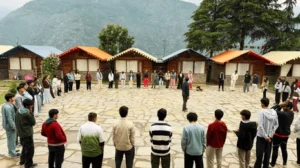
For school groups, trekking is an opportunity to develop teamwork, resilience, communication and decision-making. However, young participants may have different levels of fitness, confidence and outdoor experience. A flexible programme gives instructors time to manage group movement, conduct equipment checks, provide recovery breaks and adapt activities to weather conditions. It also reduces pressure to complete every activity regardless of circumstances.
For experiential learning programmes, a change of plan can become a valuable teaching moment. Students can discuss why the decision was made, how risk was assessed and what responsible leadership looks like in practice. The most successful adventure programmes are not necessarily those that complete every planned activity. They are those that achieve meaningful learning while maintaining appropriate safety standards.
How Wanderin’ Man Adventures Approaches Responsible Adventure Planning
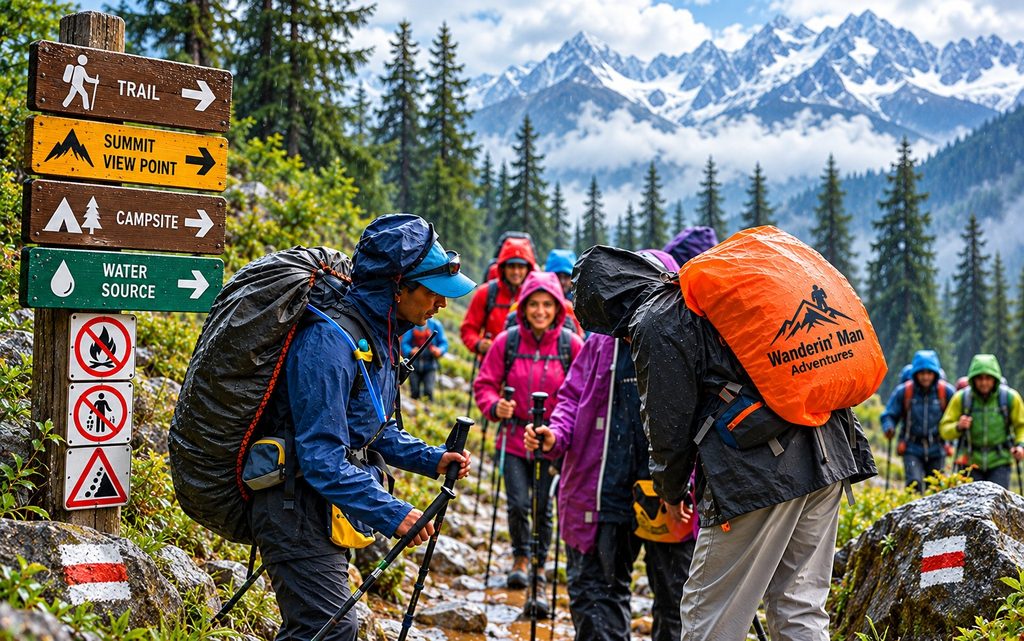
At Wanderin’ Man Adventures, adventure planning should consider the route, group profile, environmental conditions and operational requirements rather than relying on a rigid timetable alone. Our adventure programmes include trekking, outdoor camps and experiential learning opportunities. A responsible approach to itinerary design recognises that changing conditions may require adjustments to timings, activities or routes. For schools, families and other groups considering a Himalayan adventure, asking about contingency days, weather protocols, acclimatisation arrangements and emergency procedures is an important part of choosing a programme. Good planning cannot eliminate uncertainty in the mountains. It can, however, help people respond to uncertainty with preparation, sound judgement and respect for the environment.
Frequently Asked Questions
What does buffer time mean in trekking?
Buffer time means additional time included in a trekking itinerary to accommodate delays caused by weather, trail conditions, health concerns, transport disruptions or other unforeseen circumstances.
How many buffer days should a Himalayan trek include?
The number depends on the route, season, altitude, remoteness and group profile. One or two days may be a starting consideration for some multi-day treks, but high-altitude or remote expeditions may need different arrangements.
Can buffer days prevent trekking accidents?
Buffer days cannot guarantee accident prevention. However, they can reduce schedule pressure and give leaders more flexibility to wait, rest, reassess conditions or change plans.
What should trekkers do if delays exceed their buffer days?
Prioritise safety, communicate with the expedition leader, reassess the route and consider postponement, shortening the trek or returning by a safe exit route. Do not continue solely to meet a deadline.
Are buffer days important for school trekking programmes?
Yes. They allow organisers to account for different fitness levels, supervised group movement, weather changes and recovery needs while keeping educational objectives aligned with safety.
Plan Your Next Mountain Adventure with Flexibility
A thoughtfully planned trekking itinerary leaves room for the unexpected. Buffer time helps trekkers and organisers make better decisions, manage delays and enjoy the journey without unnecessary pressure. hether you are planning a Himalayan trek or a school adventure programme, make flexibility part of your preparation from the beginning. Planning an adventure programme? Connect with Wanderin’ Man Adventures to discuss trekking routes, group requirements and responsible outdoor programme planning.