Preparedness to progression in Adventure program
Preparedness is much more than carrying the right equipment. It involves preparing participants physically, mentally, emotionally, and socially for the experience ahead. Before an activity begins, participants can be introduced to:
- Activity-specific safety procedures
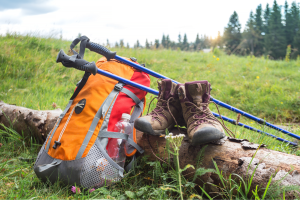
- Equipment and its correct use
- Environmental awareness
- Physical requirements
- Group responsibilities
- Emergency procedures
- Communication protocols
- Expectations and behavioural guidelines
This preparation helps participants understand not only what they are going to do, but also why preparation matters.
Why Preparation Is the First Step Towards Progression
Adventure experiences often place participants outside their normal routines. A new environment can bring uncertainty, excitement, and sometimes apprehension. Structured preparation provides a foundation for handling these situations. When participants understand the challenge and their role within the group, they can approach the activity with greater awareness. Instead of simply reacting to a situation, they begin to observe, assess, communicate, and respond. This is where adventure programs can move beyond recreation and become purposeful learning experiences.
From Briefing to Participation: Learning Through Experience
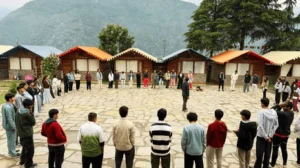
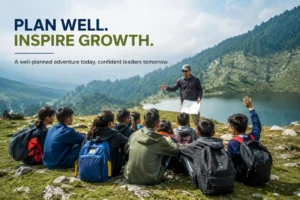
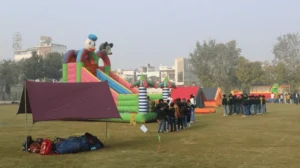
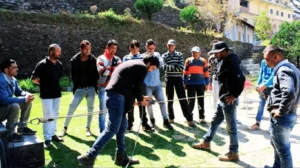
A good adventure program gradually moves participants from instruction to participation. For example, a school adventure camp may begin with a safety briefing and equipment demonstration. Participants then practise basic procedures before undertaking the activity itself.
This progression can follow a simple pathway:
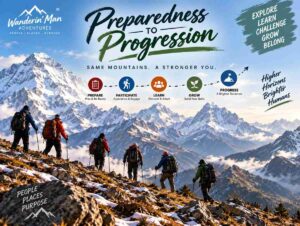
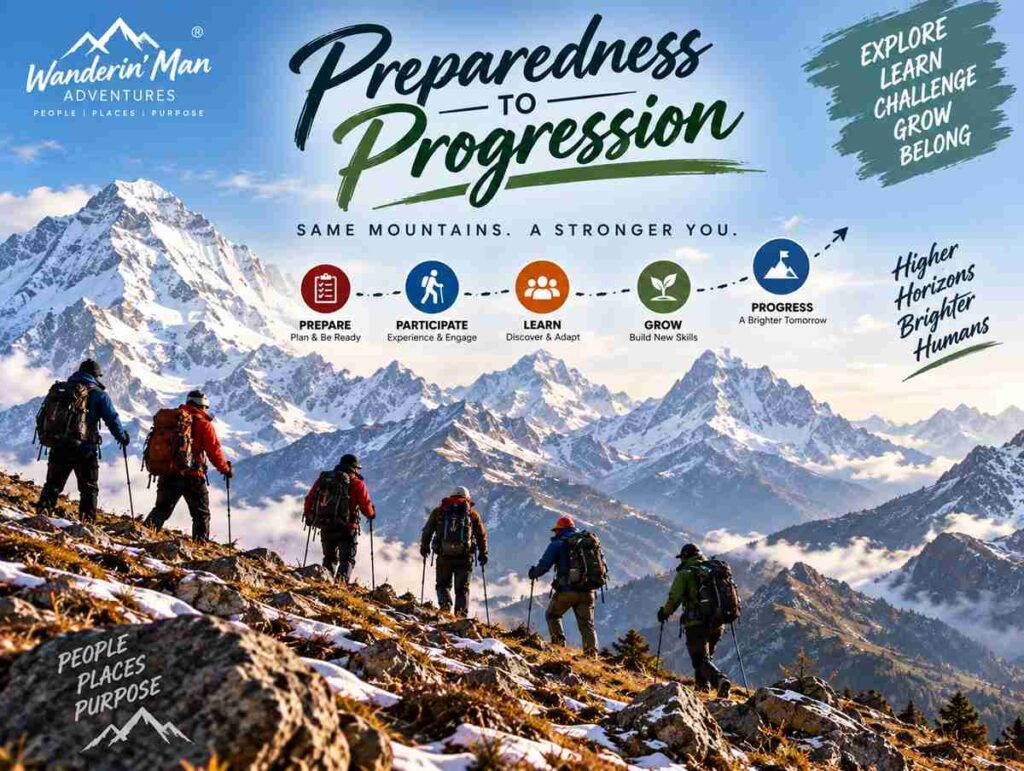
Understand → Prepare → Practise → Participate → Reflect → Apply
Each stage contributes to the next. Participants first understand the task, prepare themselves and their equipment, practise essential skills, participate in the experience, reflect on what happened, and finally consider how the learning can be applied elsewhere.
Building Confidence Through Progressive Challenges
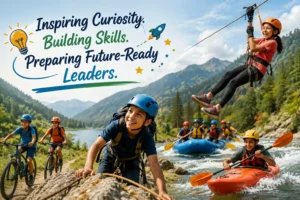
Confidence is rarely developed by removing every challenge. It grows when individuals experience a challenge that is appropriate to their ability and gradually learn to manage it. Adventure activities can provide opportunities for progressive challenges such as:
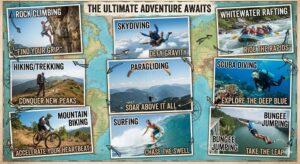
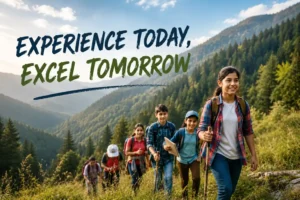
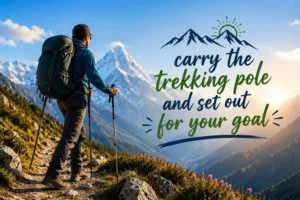
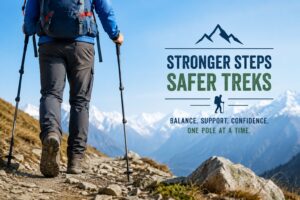
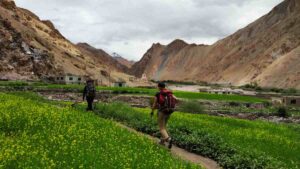
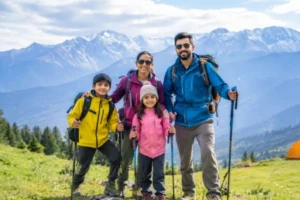
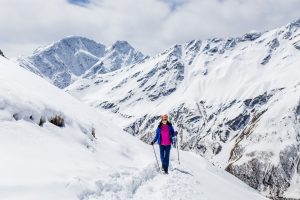
- Trekking and hiking
- Rock climbing
- Rappelling
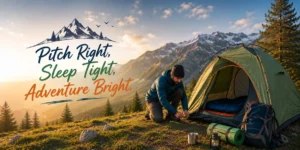
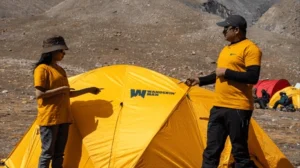
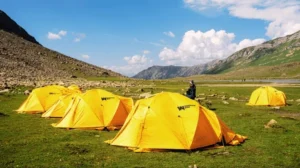
- Camping
- River activities
- Cycling
- Orienteering
- Team-based outdoor tasks
The objective is not simply to make an activity more difficult. The challenge should be appropriate, structured, supervised, and meaningful. Completing a task that initially appeared unfamiliar can help participants recognise their own ability to learn and adapt.
From Individual Preparation to Team Readiness
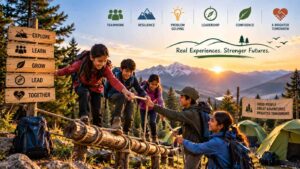
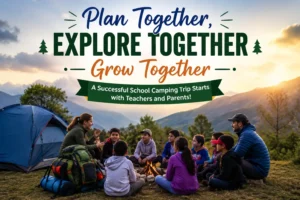
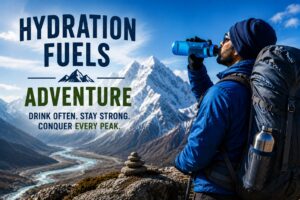
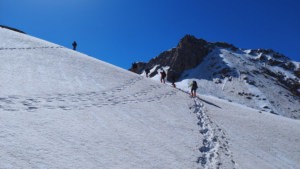
Adventure experiences also demonstrate that preparation is often a collective responsibility. A group preparing for a trek, for example, needs to consider pace, equipment, communication, route awareness, hydration, weather conditions, and the needs of other participants. This creates natural opportunities to practise:
- Communication
- Cooperation
- Trust
- Responsibility
- Active listening
- Problem-solving
- Leadership
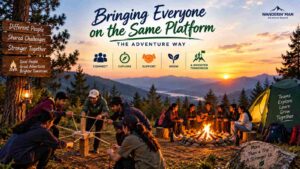
Participants begin to understand that successful outcomes are not always about individual performance. Sometimes progression depends on how effectively people work together.
Safety as the Foundation of Adventure Progression
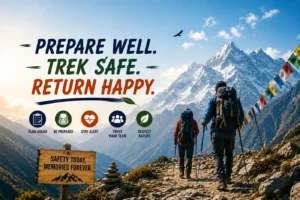
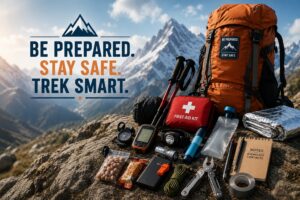
Adventure learning should never separate excitement from responsibility. Safety needs to remain central throughout the experience—from planning and briefing to equipment checks, supervision, activity execution, and emergency preparedness. A professionally structured program should consider factors such as:
- Participant capability
- Weather and environmental conditions
- Equipment suitability
- Qualified supervision
- First-aid preparedness
- Route and activity assessment
- Communication procedures
- Emergency response planning
This approach helps create an environment where participants can challenge themselves while operating within appropriate safety boundaries.
Reflection Turns Adventure into Learning
Completing an adventure activity is only part of the learning process. Reflection allows participants to ask:
What happened? What did I do? What worked? What could I have done differently? What did I learn about myself and others?
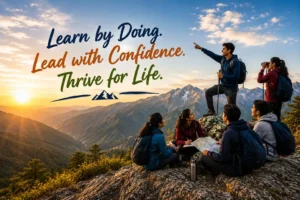
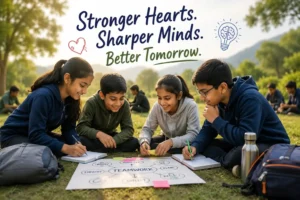
A short group discussion, journal activity, feedback session, or facilitator-led conversation can help transform an experience into a learning outcome. This is particularly valuable in experiential learning, where participants learn through doing, reflecting, and applying.
From Adventure Skills to Life Skills
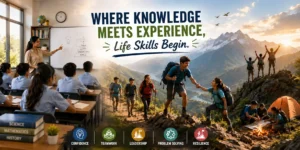
The progression created through an adventure program can extend beyond the outdoors. A participant who learns to prepare for a trek may also become more organised when approaching a school project. Someone who learns to communicate during a team challenge may become more aware of communication in everyday situations. Adventure experiences can support the development of transferable skills such as:
- Resilience
- Decision-making
- Adaptability
- Leadership
- Creativity
- Problem-solving
- Self-awareness
- Collaboration
The adventure therefore becomes a learning environment rather than an isolated activity.
Practical Adventure Program Experience
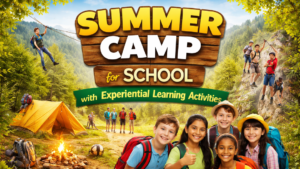
At Wanderin’ Man Adventures, our approach to school adventure programs is shaped by practical experience in delivering structured outdoor and experiential learning experiences. From participant preparation and safety briefings to supervised activities, teamwork and post-activity reflection, each stage is planned to give students a meaningful progression through the experience. Our focus is not simply on completing an adventure activity, but on creating opportunities for students to develop confidence, responsibility, communication, resilience and teamwork while learning in real-world outdoor environments.
How Schools Can Build Progression into Adventure Programs
Schools can make adventure experiences more meaningful by designing them as a progression rather than a single event. A structured program can include:
Before the program: orientation, preparation, expectations and safety awareness.
During the program: guided activities, progressive challenges, teamwork and supervised decision-making.
After the program: reflection, feedback and connection with classroom or everyday learning.
This approach helps schools connect adventure education with broader student development.
Preparedness Creates the Path to Progression
Adventure begins long before participants reach the trail, campsite, climbing wall, or river.
Preparation creates awareness.
Participation creates experience.
Challenge creates opportunity.
Reflection creates understanding.
Application creates progression.
When adventure programs are thoughtfully designed, participants do more than complete outdoor activities. They can develop the confidence to face unfamiliar situations, the ability to work with others, and the mindset to learn from experience.
Preparedness is therefore not the destination. It is the starting point for progression.
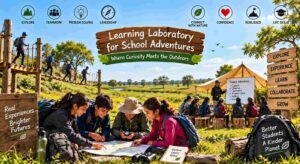
Give Students an Adventure That Builds More Than Memories
A thoughtfully structured adventure program can combine outdoor exploration, safety, teamwork, experiential learning, and personal development in one meaningful experience. Wanderin’ Man Adventures develops structured adventure and experiential learning programs for schools, designed to take learning beyond conventional classroom environments.
Explore a structured adventure experience for your school and turn outdoor challenges into opportunities for growth, learning, and progression.
Contact Wanderin’ Man Adventures to discuss a customised school adventure program. A well-planned adventure program can give students more than an exciting day outdoors—it can create opportunities to prepare, participate, overcome challenges, reflect and grow. At Wanderin’ Man Adventures, we design structured adventure and experiential learning programs for schools that can be tailored to students’ age groups, objectives, activity levels and program duration.