Top Summer Camp Destinations for School Kids in India
Choosing the right summer camp destination for school kids in India is about much more than finding a beautiful place. A well-planned school summer camp should give students opportunities to explore nature, develop teamwork, build confidence and learn through real-world experiences. India offers an extraordinary range of destinations for school adventure camps—from the Himalayan valleys of Himachal Pradesh and Uttarakhand to the forests of Kerala and the cultural landscapes of Rajasthan. The right destination depends on students’ age, learning objectives, travel time, weather, activities and safety requirements.
What Makes a Good Summer Camp Destination for School Kids?
The best summer camps for school kids in India combine adventure with structured learning. Before selecting a destination, schools should consider:
- Student age and physical ability
- Travel time and accessibility
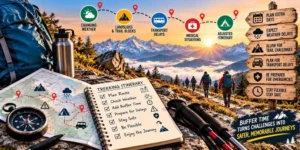
- Weather and seasonal conditions
- Accommodation and hygiene
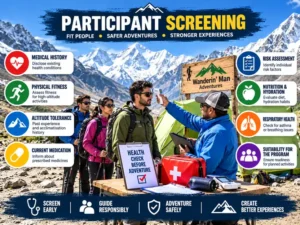
- Medical and emergency arrangements
- Experience of the camp operator
- Instructor-to-student supervision
- Educational objectives
- Adventure activities available
- Opportunities for teamwork and leadership
A mountain destination may be ideal for trekking and outdoor education, while a heritage destination may be better suited to history and cultural learning. The goal is not simply to take students somewhere new. It is to create a safe, purposeful and memorable learning experience outside the classroom.
Top Summer Camp Destinations for School Kids in India
Himachal Pradesh: Adventure and Learning in the Himalayas
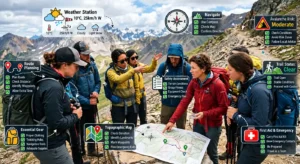
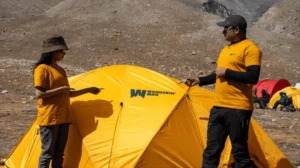
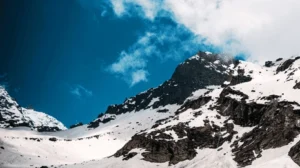
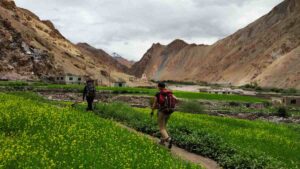
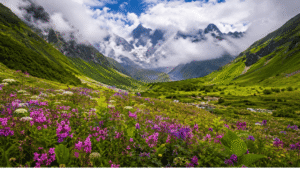
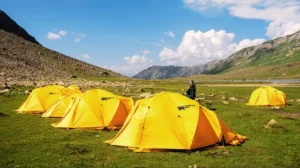
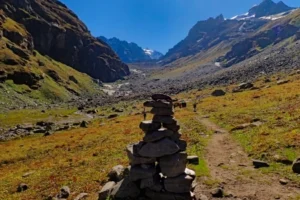
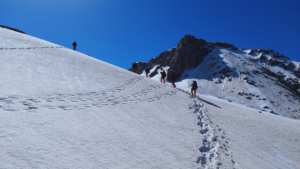
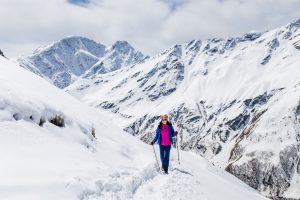
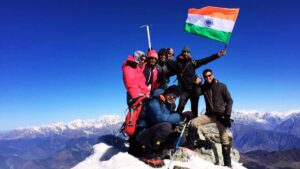
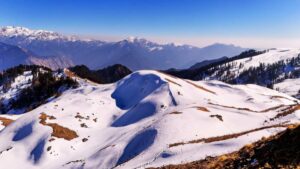
Himachal Pradesh is one of India’s most versatile destinations for school adventure camps. Its mountains, forests, meadows and valleys create opportunities for trekking, camping, nature observation and team-building activities. For students, a professionally planned Himalayan camp can transform geography and environmental studies into practical experiences. Walking through a mountain landscape allows children to understand terrain, weather, vegetation and responsible interaction with nature. School programmes can also include leadership challenges, outdoor games, navigation exercises and campsite responsibilities.
Best suited for: Trekking, camping, nature education, teamwork and leadership.
School consideration: Select routes and activities according to student age, fitness, altitude and weather conditions.
Uttarakhand: Forests, Mountains and Outdoor Education
Uttarakhand provides another strong option for summer camp destinations in India. Mountain towns and forested areas offer opportunities for outdoor education, trekking, camping and environmental awareness. A school camp can combine nature walks with activities that encourage observation, communication and teamwork. Students can learn about local ecosystems while developing practical outdoor skills. For younger groups, schools can choose gentler programmes with shorter walks and more structured recreational activities.
Best suited for: Nature study, trekking, environmental education and outdoor skills.
School consideration: Assess altitude, road accessibility, weather and the physical demands of the itinerary.
Kashmir: Nature, Landscapes and Cultural Discovery
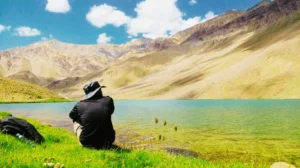
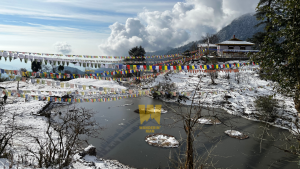
Kashmir offers students an opportunity to experience mountains, meadows, lakes and distinctive local culture. A carefully designed school programme can combine outdoor exploration with geography, environmental awareness and cultural learning. Rather than making sightseeing the sole objective, schools can incorporate guided nature activities, teamwork exercises and age-appropriate outdoor experiences.
Best suited for: Nature appreciation, geography, culture and outdoor exploration.
School consideration: Schools should evaluate current weather, travel conditions, accommodation and activity suitability before finalising an itinerary.
Rajasthan: History and Culture Beyond the Classroom
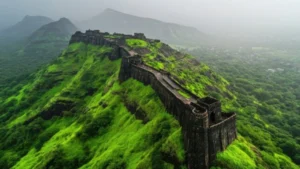
Summer camps do not always have to be based in cool mountain environments. Rajasthan can turn a school trip into an immersive lesson in history, architecture, geography and culture. Forts, traditional crafts, local communities and desert landscapes can give students a different perspective on India’s heritage. Schools can combine heritage visits with cultural workshops, group activities and educational assignments.
Best suited for: History, heritage, architecture, geography and cultural learning.
School consideration: Because summer temperatures can be high, programmes should be planned around appropriate timings, hydration, shade and student comfort.
Kerala: Ecology, Biodiversity and Nature Learning
Kerala provides a contrasting experience through forests, plantations, hills, wildlife habitats and rich biodiversity. Destinations such as Munnar and Wayanad can support educational programmes focused on environmental awareness, biodiversity, local communities and responsible tourism. A nature-based camp can encourage students to observe rather than simply visit—turning a walk through a forest or plantation into an opportunity to understand ecosystems.
Best suited for: Ecology, biodiversity, environmental education and nature study.
School consideration: Activity selection should take account of weather, terrain, local regulations and the age of participants.
Meghalaya and Northeast India: Exploring Living Landscapes
Meghalaya and other parts of Northeast India can provide students with a distinctive combination of forests, hills, waterfalls, biodiversity and local culture. The region offers opportunities to introduce students to subjects such as geography, water systems, ecology and sustainable living through direct observation. Natural features such as living-root bridges can also help students understand the relationship between communities and their environment.
Best suited for: Ecology, geography, biodiversity, culture and exploration.
School consideration: Travel logistics and programme accessibility should be evaluated carefully for school groups.
Which Summer Camp Destination Should Your School Choose?
There is no single destination suitable for every school. The right choice depends on what students are expected to learn and experience.
| Destination | Particularly suitable for | Possible activities |
|---|---|---|
| Himachal Pradesh | Adventure & leadership | Trekking, camping, team challenges |
| Uttarakhand | Nature & outdoor learning | Nature walks, trekking, camping |
| Kashmir | Nature & culture | Exploration, nature activities, cultural learning |
| Rajasthan | History & heritage | Fort visits, cultural activities, workshops |
| Kerala | Ecology & biodiversity | Nature study, environmental activities |
| Meghalaya | Geography & ecology | Nature exploration, environmental learning |
This comparison should be used as a planning framework rather than a ranking. The suitability of a destination depends on the school’s objectives, student profile and programme design.
How to Choose a Safe Summer Camp for Students
Safety should be considered before scenery or adventure activities.
Schools should ask the camp operator about:
Qualified activity leaders: Are activities supervised by experienced personnel?
Emergency procedures: Is there a clearly defined response plan for accidents, illness or unexpected conditions?
Medical support: What first-aid and medical arrangements are available?
Accommodation: Are sleeping arrangements, sanitation and security suitable for students?
Group supervision: How are students divided and supervised during activities?
Weather planning: Can the itinerary be modified if conditions change?
Parent communication: Are parents provided with clear information about travel, accommodation, activities and emergency contacts?
A professional school adventure programme should make safety a planned part of the experience—not an afterthought.
What Students Can Learn at a Summer Adventure Camp
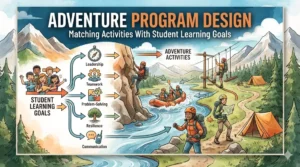
The strongest educational summer camps connect outdoor activities with learning outcomes.
For example:
- Trekking can develop endurance, navigation and geographical awareness.
- Camping can encourage responsibility and self-management.
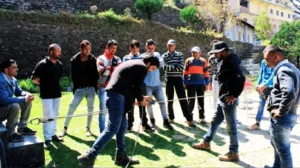
- Team challenges can strengthen communication and cooperation.
- Nature walks can introduce biodiversity and environmental awareness.
- Leadership activities can develop decision-making and confidence.
- Outdoor problem-solving can encourage creativity and resilience.
This is the value of experiential learning: students do not simply hear about concepts—they experience them.
Why Schools Choose Experiential Learning Camps
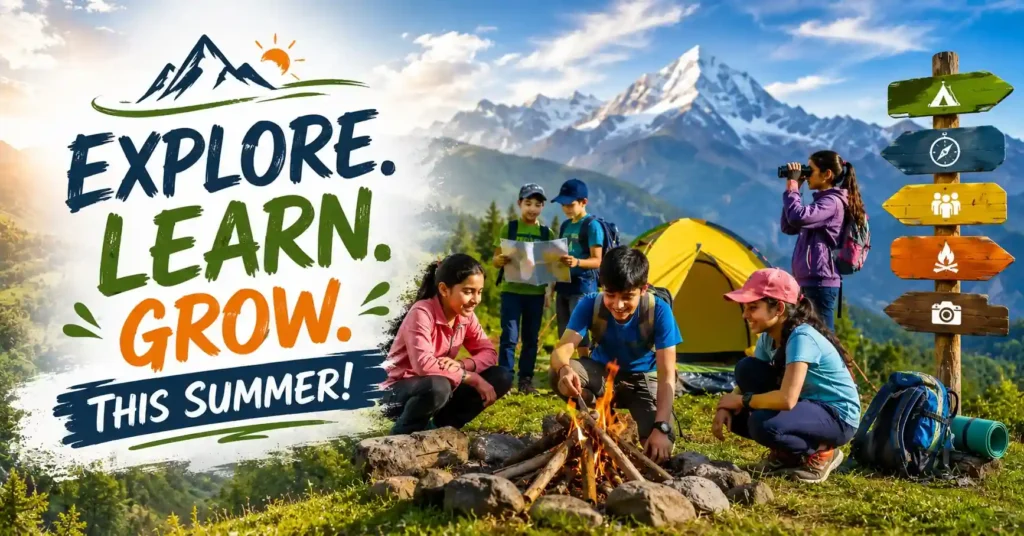
A well-designed camp can provide something a classroom cannot easily reproduce: learning through direct experience. Students may return from an outdoor programme with greater awareness of teamwork, responsibility, communication and their relationship with nature. However, the success of a camp depends heavily on programme design. Simply taking students to a destination does not automatically create experiential learning. Activities should have clear objectives, appropriate supervision and opportunities for reflection.
Plan a Meaningful Summer Camp for Your Students
The top summer camp destinations for school kids in India offer very different experiences. Himalayan destinations can provide adventure and outdoor learning, Rajasthan can bring history to life, while Kerala and Northeast India can support environmental and cultural exploration. The best destination is therefore the one that matches your school’s learning objectives, student age, safety requirements, travel logistics and desired activities. At Wanderin’ Man Adventures, school programmes can be structured around experiential learning, adventure, outdoor education and age-appropriate activities. Schools can plan programmes according to group size, duration, destination, student profile and educational objectives.
Ready to take learning beyond the classroom?
Plan a customised summer camp for your school with Wanderin’ Man Adventures and create an outdoor experience where students can explore, learn, collaborate and grow.
[Plan Your School Summer Camp → Contact Wanderin’ Man Adventures]
questions to consider-
Which are the best summer camp destinations for school kids in India?
Popular options include Himachal Pradesh, Uttarakhand, Kashmir, Rajasthan, Kerala and Meghalaya. The appropriate destination depends on student age, learning objectives, weather, accessibility, activities and safety requirements.
What age is suitable for a school summer camp?
There is no single ideal age. Activities should be selected according to students’ physical ability, maturity and experience. Younger children generally benefit from shorter, structured activities, while older students can participate in more demanding outdoor programmes.
How long should a school summer camp be?
A school camp can range from a short one-day outdoor programme to a multi-day residential experience. The ideal duration depends on travel distance, learning objectives, activities and the age of students.
What activities can students do at an adventure camp?
Depending on the destination and student profile, activities may include trekking, camping, nature walks, team-building exercises, outdoor games, leadership challenges, navigation and environmental-learning activities.
How can schools ensure student safety during a summer camp?
Schools should assess the operator’s experience, activity supervision, emergency procedures, accommodation, medical arrangements, group supervision and weather contingency plans before confirming a programme.
What should schools consider before booking a summer camp?
Schools should evaluate the destination, student age, educational objectives, travel time, accommodation, activity difficulty, safety systems, budget, weather and the experience of the programme operator.