How to Choose the Right Family Adventure Program for Your Child
Introduction
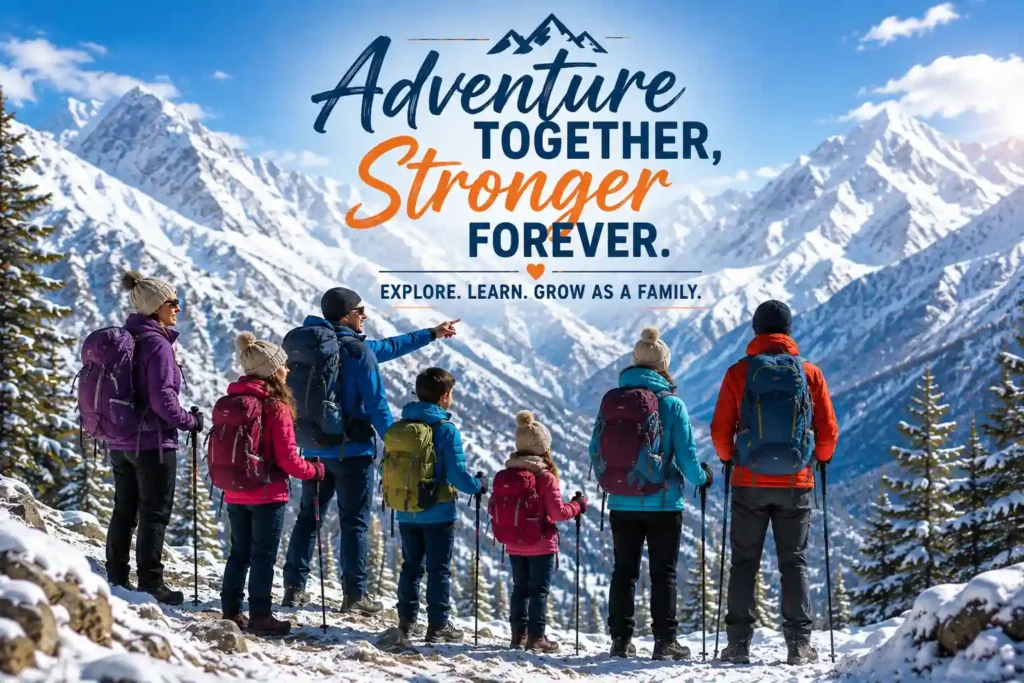
Choosing a family adventure program for your child is about much more than selecting an exciting destination. The right experience should give children opportunities to explore, learn, become more confident and spend meaningful time with their parents and siblings—while remaining appropriate for their age, abilities and comfort level. From family trekking and camping to nature exploration, cycling, outdoor games and experiential learning, families have many options. But not every adventure program is designed in the same way. Before booking, parents should look beyond attractive photographs and exciting activity lists. Consider age suitability, safety procedures, instructor experience, physical difficulty, group size, accommodation, learning opportunities and the way parents and children participate together. This guide explains what to look for when choosing a safe, meaningful and enjoyable adventure experience for your family.
1. Understand Your Child’s Age, Interests and Personality
Every child approaches adventure differently. A child who enjoys animals, plants and nature may be more interested in a nature walk, camping experience or wildlife activity, while an older child who enjoys physical challenges may prefer trekking, cycling, climbing or navigation-based activities. Before selecting a program, consider:
- Your child’s age and developmental stage
- Physical fitness and stamina
- Interest in outdoor activities
- Previous camping or trekking experience
- Comfort with unfamiliar environments
- Fear of heights, water, insects or new surroundings
- Ability to participate independently
- Interest in teamwork and group activities
The objective should not be to make the adventure as difficult as possible. It should be to provide a challenge that is interesting without becoming overwhelming.
Parent tip
Ask the adventure provider:
“What makes this program suitable for my child’s particular age and experience level?”
A detailed answer is more useful than simply being told that the program is “suitable for kids.”
2. Choose Age-Appropriate Adventure Activities
Adventure does not necessarily mean extreme sports. For younger children, suitable experiences may include:
- Nature walks
- Outdoor games
- Treasure hunts
- Camping
- Environmental activities
- Storytelling
- Simple team challenges
- Nature observation
- Basic navigation activities
Older children and teenagers may be ready for activities such as:
- Family trekking
- Cycling
- Orienteering
- Rock climbing
- Rappelling
- Selected river activities
- Outdoor survival skills
- Leadership challenges
The exact suitability depends on the activity, environment, supervision and the child’s experience. A good adventure program for children should therefore be designed around the participants rather than expecting every child to perform at the same level.
For additional ideas about family trekking, see Best Family Treks in India for Beginners & Kids.
3. Put Safety Before Excitement
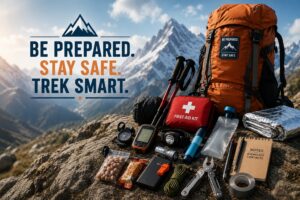
For a family adventure, safety should be the first question—not the last. Before booking, ask the organizer about:
- Instructor qualifications
- First-aid training
- Emergency response procedures
- Participant-to-instructor ratio
- Equipment inspection
- Weather contingency plans
- Transportation arrangements
- Communication systems
- Child safeguarding procedures
- Emergency evacuation arrangements
- Accommodation and sanitation
- Drinking water and food arrangements
Parents should also understand what happens if a child becomes uncomfortable, tired or unable to continue an activity. A responsible provider should be willing to explain its procedures clearly.
Family adventure safety checklist
Before confirming your booking, ask:
Who supervises my child?
What happens during an emergency?
What is the instructor-to-participant ratio?
What happens if weather conditions change?
What equipment is provided?
Can my child stop an activity if they become uncomfortable?
These questions help parents assess the quality of the program instead of relying solely on photographs or online ratings.
4. Look for Experienced and Qualified Instructors
An instructor’s role extends far beyond leading an activity. Good outdoor educators should be able to:
- Explain safety procedures clearly
- Recognize individual limitations
- Encourage children without pressuring them
- Adapt activities when circumstances change
- Maintain appropriate supervision
- Respond calmly to problems
- Turn outdoor challenges into learning opportunities
For trekking and mountain activities, experience in the specific environment and terrain is particularly important. Parents should therefore ask what qualifications, first-aid training and field experience the leaders have. At Wanderin’ Man, the wider program philosophy places emphasis on adventure, outdoor learning and safety rather than adventure as entertainment alone. Its school programs, for example, describe outdoor activities as opportunities for physical activity, social development and experiential learning. Wanderin Man
5. Match the Physical Difficulty to Your Child
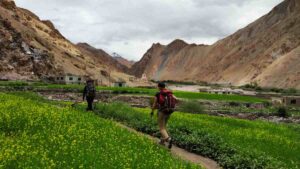
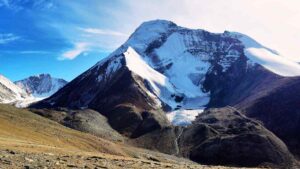
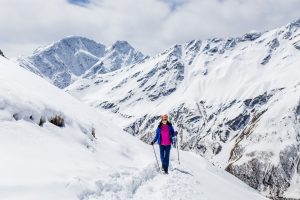
A common mistake is choosing an adventure because the destination looks spectacular. A Himalayan trek may look perfect in photographs but still be unsuitable for a child who has little experience walking on uneven terrain. Before booking a trekking or physically demanding program, check:
- Daily walking distance
- Total duration
- Altitude gain
- Terrain
- Weather conditions
- Rest opportunities
- Accommodation
- Food and hydration arrangements
- Equipment requirements
- Whether children need to carry their own bags
For children aged 5–17, the World Health Organization recommends an average of at least 60 minutes of moderate-to-vigorous physical activity per day across the week, with muscle- and bone-strengthening activities included regularly. That is a general physical-activity guideline, not a recommendation that every child undertake strenuous trekking. World Health Organization The practical principle is simple:
Choose the adventure according to the least experienced member of the family—not the fittest adult.
6. Look Beyond Adventure: Make It a Learning Experience
A family adventure can become much more meaningful when children actively participate in the experience. Outdoor activities can provide opportunities to practise:
- Communication
- Teamwork
- Problem-solving
- Decision-making
- Adaptability
- Leadership
- Responsibility
- Environmental awareness
For example, navigating a simple trail can introduce decision-making. Helping to organize a campsite can encourage cooperation. A group challenge can teach children how to communicate and support others. Outdoor play and activity are also associated with benefits for children’s physical health and social development. UNICEF highlights research connecting outdoor play with physical health, social skills and concentration. UNICEF Global This is why experiential learning through adventure can complement a conventional holiday. For a deeper look at this concept, link naturally to From Experience to Innovation: How Experiential Learning Builds Life Skills.
7. Evaluate the Parent-Child Participation Model
Not every family adventure program works in the same way. Some programs are designed for parents and children to participate together. Others give children more structured time with instructors while parents participate separately. Neither model automatically suits every family.
Ask:
- Are parents expected to participate?
- Which activities involve the entire family?
- Are children grouped by age?
- How much independent participation is expected?
- Can parents remain close to younger children?
- What happens if a child does not want to participate in an activity?
A thoughtfully designed parent-child adventure program can create opportunities for families to:
- Solve challenges together
- Explore nature
- Share responsibilities
- Communicate without digital distractions
- Encourage one another
- Celebrate achievements together
The shared experience may ultimately become more memorable than the destination itself.
8. Consider Group Size and Supervision
Group size can influence the quality of a child’s experience. A smaller group can make it easier for instructors to observe individual participants, understand their abilities and provide appropriate guidance.
Before booking, ask:
- How many participants will be in the group?
- How many instructors will be present?
- How are children grouped?
- Are age and ability considered?
- Who supervises children during non-activity periods?
Don’t judge a program simply by its advertised group size. Ask how supervision actually works throughout the experience.
9. Check Food, Accommodation and Comfort
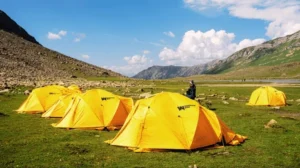
Adventure does not mean ignoring basic comfort. For a family camping trip, trekking program or multi-day outdoor experience, parents should understand:
Accommodation
- Where will the family sleep?
- Are tents or rooms provided?
- What are the toilet and sanitation arrangements?
- Is bedding available?
Food
- What meals are provided?
- Is safe drinking water available?
- Can dietary requirements be accommodated?
- Are children expected to carry food or cooking equipment?
Practical arrangements
- What equipment is provided?
- What should families bring?
- How much luggage is recommended?
- What happens during bad weather?
Small details can have a major effect on a family’s overall experience.
10. Look for Environmental and Cultural Responsibility
A meaningful outdoor program should help children appreciate nature rather than simply use natural landscapes as a backdrop. Look for programs that introduce children to:
- Leave-No-Trace principles
- Waste management
- Wildlife awareness
- Responsible tourism
- Local culture
- Conservation
- Respect for natural habitats
Children can learn that adventure comes with responsibility. This also creates an opportunity to connect outdoor experiences with environmental education and experiential learning.
11. Read Reviews—but Look Beyond the Star Rating
Reviews can provide useful information, but parents should read them carefully. Look for comments about:
- Instructor behaviour
- Safety
- Organization
- Communication
- Food
- Accommodation
- Activity difficulty
- How children responded to the experience
- Whether the advertised program matched the actual experience
Don’t simply ask:
“Does this company have good reviews?”
Ask:
“What do parents specifically say about their children’s experience?”
The quality of an organization’s answers to your questions before booking can also tell you something about its communication and transparency.
12. Use This Family Adventure Booking Checklist
Before confirming a family adventure program for your child, check each item:
| What to check | Questions to ask |
|---|---|
| Age | Is the activity appropriate for my child’s age? |
| Fitness | What physical ability is required? |
| Difficulty | How demanding is the terrain? |
| Safety | What emergency procedures are in place? |
| Instructors | Who will supervise the children? |
| Group size | How many participants per instructor? |
| Equipment | What is supplied and what must we bring? |
| Medical | What information should parents provide? |
| Weather | What happens if conditions change? |
| Accommodation | Where will the family stay? |
| Food | What meals and drinking water are provided? |
| Participation | Do parents participate in activities? |
| Environment | Does the program promote responsible outdoor behaviour? |
| Communication | How can parents contact the organizers? |
If you cannot get clear answers to important safety or supervision questions, pause before booking.
13. Choose Meaningful Experience Over Maximum Excitement
The most valuable family adventure is not necessarily the one with the biggest thrill. For one child, success may mean completing a short trail. For another, it may mean sleeping in a tent for the first time. For another, it may mean helping a sibling, navigating a trail, making new friends or overcoming hesitation about an unfamiliar activity. That is why parents should evaluate the complete experience:
Safety + learning + connection + confidence + enjoyment
rather than simply counting the number of adventure activities included.
How Wanderin’ Man Approaches Adventure as Experiential Learning
At Wanderin’ Man, adventure is presented not only as recreation but also as an opportunity for experiential learning, outdoor engagement and personal development. Its existing programs include trekking, cycling, outdoor camps and other activities for children and young people. Wanderin Man The company’s broader adventure content also emphasizes experiences that allow participants to practise teamwork, communication, resilience and problem-solving in real-world environments. Wanderin Man For parents, the important consideration remains program suitability. Every activity should be assessed according to the child’s age, experience, physical readiness, the specific environment and the supervision arrangements offered for that program.
Choose Experience Over Just Excitement
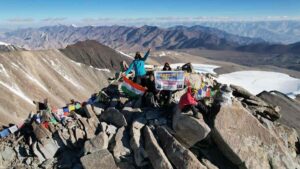
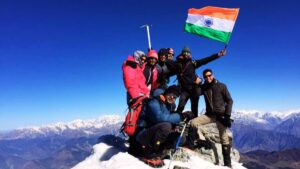
The most memorable family adventure programs are not necessarily the ones with the biggest thrills. For children, the real transformation may come from successfully completing their first trek, helping a sibling cross a challenging section, sleeping in a tent, making new friends, or discovering that they can do something they initially thought was impossible. Parents should therefore evaluate adventure programs based on the complete experience—safety, learning, confidence, connection, and enjoyment.
Final Thoughts: Make the Adventure Meaningful
Choosing the right family adventure program for your child requires thoughtful planning. Consider your child’s age, personality, fitness level, interests, safety requirements, and learning needs before selecting a program. The right experience can become much more than a family holiday. It can help children become more confident, independent, resilient, cooperative, and curious about the world around them. Ultimately, the best family adventure is one that gives children the confidence to say, “I did it!” while giving parents the joy of experiencing that transformation alongside them.