Evacuation Planning in Adventure Emergencies
Why Evacuation Planning Matters in Adventure Tourism
Adventure activities offer unforgettable experiences, from trekking through the Himalayas to rafting along mountain rivers and camping in remote valleys. However, the outdoors can be unpredictable. Sudden weather changes, injuries, landslides, and altitude-related illness can quickly turn an enjoyable expedition into an emergency. This is why evacuation planning in adventure emergencies is essential for protecting participants and ensuring a timely, organised response. A well-designed adventure emergency evacuation plan helps leaders assess risks, coordinate rescue assistance, identify safe evacuation routes, and arrange appropriate medical care. It also prepares teams to respond calmly when conditions become dangerous. For adventure operators, schools, and outdoor education providers, evacuation planning is not just a safety checklist; it is a vital part of responsible adventure management. Preparing in advance helps reduce confusion, improve decision-making, and give participants a safer outdoor experience.
This is where evacuation planning in adventure emergencies becomes essential. A well-designed evacuation plan helps adventure leaders respond quickly, protect participants, coordinate rescue assistance, and move affected individuals towards appropriate medical care. Evacuation planning is not simply about bringing people back to a campsite or trailhead. It involves identifying hazards, assessing the urgency of the situation, choosing safe evacuation routes, establishing communication systems, and assigning clear responsibilities before an expedition begins. For professional adventure operators, schools, and outdoor education providers, preparedness is a fundamental part of responsible adventure management.
What Is Evacuation Planning in Adventure Emergencies?
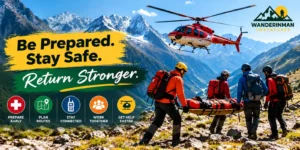
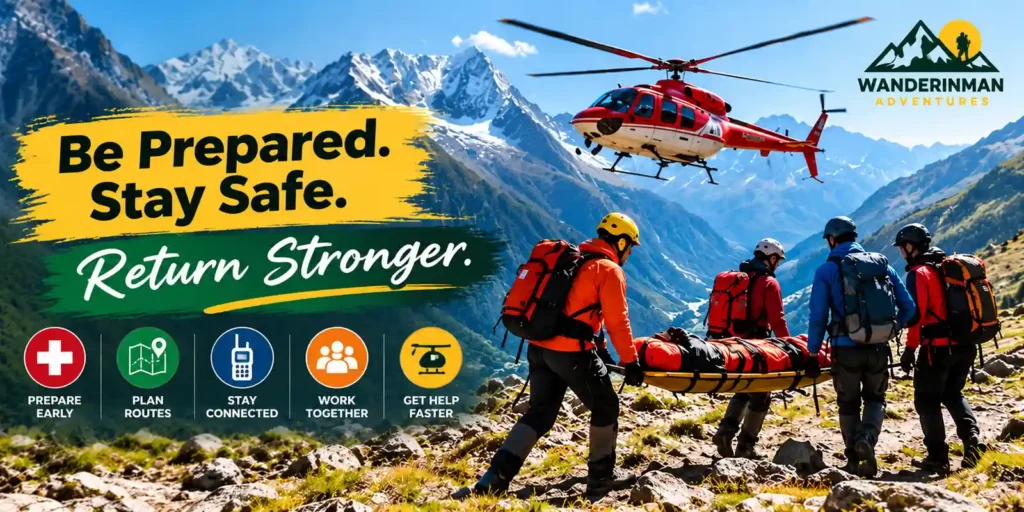
Evacuation planning is the systematic process of preparing to move participants away from a dangerous location to a safer area or medical facility when an emergency occurs. In adventure tourism, evacuation may involve a short assisted walk to a campsite, transportation from a remote roadhead, a stretcher carry across difficult terrain, or a coordinated specialist rescue.
An effective adventure emergency evacuation plan should include:
- Identification of potential emergencies and high-risk locations.
- Clearly marked evacuation routes and alternative exit points.
- Emergency contact numbers and communication arrangements.
- Roles and responsibilities for guides, instructors, and support teams.
- First-aid procedures and participant accountability.
- Access to suitable transport, rescue equipment, and medical support.
- Contingency arrangements for weather changes and blocked routes.
The objective is to make informed decisions under pressure rather than improvising when every minute matters.
Common Situations That Require Emergency Evacuation
Adventure emergencies can develop in different ways depending on the activity, terrain, season, and experience of participants.
1. Medical Emergencies and Injuries
Falls, fractures, severe bleeding, dehydration, heat illness, hypothermia, and altitude-related illness may require urgent medical assessment and evacuation. The response should depend on the person’s condition, the location, and the availability of qualified medical assistance. Suspected serious injuries should not be aggravated by unnecessary movement.
2. Sudden Weather Changes
Heavy rainfall, thunderstorms, snowfall, strong winds, and rapidly falling temperatures can make trails and campsites unsafe. Flash floods and lightning may require immediate movement to a safer location.
3. Landslides and Unstable Terrain
Mountain trails can become dangerous because of rockfall, landslides, erosion, or damaged bridges. Evacuation plans should identify alternative routes and locations where participants can wait safely.
4. River and Water-Based Emergencies
Rafting, kayaking, and river-crossing activities involve risks from strong currents, rising water levels, and equipment failure. Water-specific rescue procedures and trained personnel are essential.
5. Missing or Separated Participants
A participant becoming separated from the group can trigger a search and rescue response. Headcounts, buddy systems, designated meeting points, and clear communication protocols help reduce confusion.
How to Develop an Effective Adventure Emergency Evacuation Plan
A reliable evacuation strategy begins before participants arrive at the activity location.
Step 1: Conduct a Thorough Risk Assessment
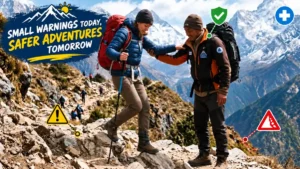
Identify the hazards associated with the activity, route, season, group profile, and environmental conditions. For example, a Himalayan trekking expedition may need to consider altitude, steep descents, river crossings, snow, mobile network gaps, and road accessibility. Assess each significant hazard according to its likelihood and potential consequences. Then establish controls, such as adjusting the itinerary, setting weather thresholds, carrying appropriate equipment, or avoiding exposed terrain.
Step 2: Map Primary and Alternative Evacuation Routes
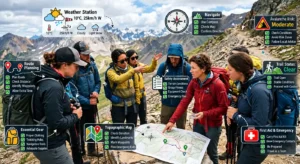
Identify the safest practical exit routes from campsites, activity areas, and remote trail sections. Record important locations, including roadheads, designated assembly points, medical facilities, and possible rescue access points. Consider how weather, darkness, damaged bridges, or landslides could affect each route. Maps should be available to the leadership team in offline or printed form because mobile internet and GPS connectivity may not always be reliable.
Step 3: Establish an Emergency Communication System
Communication failures can delay rescue operations. Prepare a contact list covering the expedition leader, local emergency services, rescue agencies, medical facilities, transport providers, and the organisation’s emergency coordinator. Choose communication methods suitable for the location, which may include mobile phones, two-way radios, satellite communicators, or other approved emergency devices. Every team member should know how to report an emergency, share the group’s location, and request assistance.
Step 4: Assign Clear Roles and Responsibilities
An evacuation becomes more organised when responsibilities are defined in advance. The incident leader coordinates decisions and communication. A qualified first aider provides immediate care within their training. Group leaders account for participants and maintain group control, while the designated support coordinator contacts rescue services and arranges transport. Responsibilities must reflect the team’s actual qualifications, available resources, and local emergency procedures.
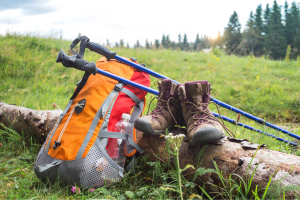
Step 5: Prepare Emergency Equipment and Supplies
The equipment required depends on the activity and the risks identified. A suitable emergency inventory may include:
- First-aid supplies and personal protective equipment.
- Emergency blankets and weather-appropriate clothing.
- Headlamps, spare batteries, and whistles.
- Navigation tools and offline maps.
- Reliable communication devices.
- Drinking water and emergency food.
- Activity-specific rescue equipment carried by trained personnel.
Equipment should be checked before departure, maintained properly, and used only by people with appropriate training.
Step 6: Brief Participants Before the Activity
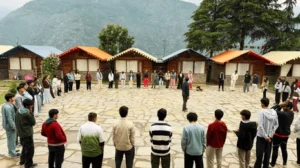
Participants should understand basic emergency procedures before entering a remote area. Explain the buddy system, meeting points, emergency signals, expected group behaviour, and what to do if someone becomes injured or separated. School groups and first-time adventurers may require additional guidance. A short, clear briefing can reduce panic and help participants cooperate during an evacuation.
Emergency Evacuation Procedures: What to Do When an Incident Occurs
When an emergency happens, the team should follow a structured response rather than rushing into an unsafe rescue.
1. Stop, Assess, and Secure the Scene
Check for immediate hazards, including falling rocks, floodwater, lightning, unstable slopes, or other threats. Protect the group from further exposure without placing rescuers at unnecessary risk.
2. Provide Appropriate First Aid
Assess the injured person’s condition and provide care within the team’s training. Contact emergency medical support when required. Do not move a person with a suspected spinal injury or other serious injury unless remaining in place presents an immediate danger or movement is directed by qualified responders.
3. Activate the Emergency Response
Notify the appropriate rescue or emergency service. Communicate the exact or best available location, number of affected people, nature of the incident, immediate hazards, and assistance required. Keep communication factual and concise. Follow instructions from emergency professionals.
4. Choose the Safest Evacuation Method
Not every emergency requires immediate movement. Depending on the circumstances, the safest response may be sheltering in a protected location, moving the group away from a hazard, arranging an assisted evacuation, or requesting a specialist rescue. Avoid sending untrained participants into hazardous terrain or attempting technical rescues without appropriate competence and equipment.
5. Maintain Group Accountability
Conduct repeated headcounts, use the buddy system, and ensure that no participant is unintentionally left behind. Assign a responsible leader to the remaining group while the emergency response is coordinated.
6. Transfer the Affected Person to Appropriate Care
When evacuation reaches a safe transfer point, communicate relevant observations, first-aid measures, and changes in the person’s condition to medical personnel. Record the incident and preserve important information for subsequent review.
The Role of Training, Drills, and Emergency Preparedness
An evacuation plan is only useful if the team understands how to implement it. Adventure operators should conduct scenario-based training covering medical emergencies, missing participants, severe weather, communication failures, and evacuation from difficult terrain. Tabletop exercises can test decision-making and communication, while practical drills can reveal weaknesses in equipment, role allocation, route knowledge, and response times. Training should be appropriate to the activities undertaken and include relevant first aid, wilderness medicine, water rescue, or technical rescue qualifications where necessary. Plans should also be reviewed after significant incidents, near misses, route changes, and changes in local conditions.
Common Evacuation Planning Mistakes to Avoid
Even experienced teams can overlook important details. Common mistakes include:
- Relying exclusively on mobile network coverage.
- Depending on a single evacuation route.
- Failing to assess participants’ fitness, experience, or medical needs.
- Carrying emergency equipment without checking its condition.
- Leaving roles and decision-making authority unclear.
- Continuing an activity despite unsafe environmental conditions.
- Attempting a technical rescue without suitable training.
- Failing to record incidents and improve procedures afterwards.
Avoiding these mistakes requires preparation, realistic risk assessment, disciplined leadership, and a willingness to modify or cancel an activity when conditions become unsafe.
How Adventure Operators Can Build a Stronger Safety Culture
Evacuation planning should be part of a wider adventure safety management system, not a document prepared merely to meet a checklist requirement. Professional operators can strengthen their safety culture by maintaining written emergency action plans, training staff regularly, inspecting equipment, monitoring weather, communicating with local authorities, and reviewing incidents. For school adventure camps, additional attention should be given to student supervision, safeguarding, parent or guardian communication, medical information, and reliable participant accountability. Adventure organisations should also establish clear procedures for informing families and organisational representatives while protecting personal information and allowing emergency responders to focus on the incident. The goal is not to eliminate every risk, which is impossible in outdoor environments, but to reduce foreseeable risks and respond effectively when circumstances change.
Conclusion: Preparation Makes Adventure Safer
Understanding evacuation planning in adventure emergencies is essential for anyone responsible for outdoor activities. From risk assessment and route mapping to emergency communication and rescue coordination, every part of the plan contributes to safer decision-making. The most effective evacuation strategy is developed before an emergency occurs, practised by a trained team, and adapted to the realities of the terrain and participants. For adventure operators, schools, and outdoor educators, investing in preparedness protects people, strengthens trust, and supports more responsible adventure experiences.
At Wanderin’ Man Adventures, safety-conscious planning, responsible leadership, and participant awareness are important principles for creating meaningful outdoor experiences. Organisations planning adventure programmes should evaluate emergency procedures alongside activity design, supervision, and learning outcomes.
Plan responsibly. Prepare thoroughly. Let every adventure begin with safety.