The Missing Link Between Knowledge and Real-World Skills: Experiential learning
Why Experiential Learning Is the Missing Link in Modern Education
Students spend years acquiring knowledge. They study mathematics, science, languages, history, technology, and countless other subjects. Yet knowing something and knowing how to use it in real life are very different abilities.This is where experiential learning becomes the missing link between classroom knowledge and real-world skills.Instead of simply listening, reading, or memorizing, students learn by doing. They participate in meaningful experiences, solve problems, make decisions, work with others, face challenges, reflect on outcomes, and apply what they have learned. The result is education that does not stop at examination scores. It prepares students to handle real situations with confidence and competence.
What Is Experiential Learning?
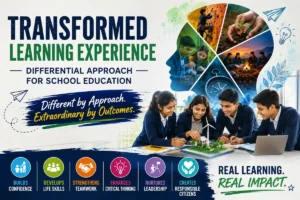
Experiential learning is an educational approach in which students develop knowledge and skills through direct experience. Rather than asking students to memorize the definition of leadership, for example, educators can place them in a situation where they must lead a team. Instead of only discussing environmental conservation, students can explore nature and understand its value through direct observation. At its heart, experiential education follows a simple cycle:
Experience → Reflection → Learning → Application
This process makes learning active, personal, and memorable.
Learning by Doing Creates Deeper Understanding
When students actively participate in an activity, they engage more than their memory. They observe, question, experiment, communicate, adapt, and make decisions. These actions help connect theoretical concepts with practical situations.That is why hands-on learning can make complex ideas easier to understand and remember.
Why Knowledge Alone Is Not Enough
Academic knowledge provides an essential foundation, but real life demands much more. Students eventually need to communicate with colleagues, manage responsibilities, solve unexpected problems, make decisions, work in teams, deal with failure, and adapt to changing circumstances.
These are real-world skills.
A student may know the theory of teamwork but still struggle to collaborate. Another may understand a problem mathematically but find it difficult to solve an unfamiliar practical situation. Experiential learning closes this gap by giving students opportunities to apply knowledge instead of simply acquiring it.
How Experiential Learning Develops Real-World Skills
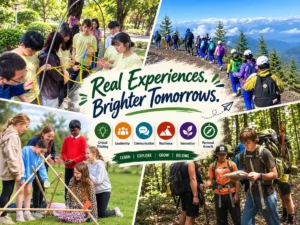
The value of experiential education extends well beyond academic learning. Carefully designed experiences can develop skills that students carry into higher education, careers, relationships, and everyday life.
Problem-Solving and Critical Thinking
Real-world challenges rarely come with a textbook answer. During an experiential activity, students may encounter unexpected obstacles. They must identify the problem, consider alternatives, evaluate risks, and decide what to do next. This develops critical thinking and practical problem-solving skills. Instead of asking, “What is the correct answer?”, students learn to ask:
“What is the best solution in this situation?”
Leadership and Decision-Making
Leadership becomes meaningful when students experience responsibility. Team challenges, outdoor activities, group projects, and adventure-based learning can give students opportunities to organize tasks, communicate decisions, support teammates, and take responsibility for outcomes. Such experiences help develop leadership skills and decision-making abilities in an authentic environment.
Communication and Teamwork
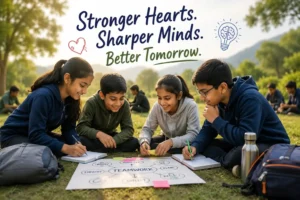
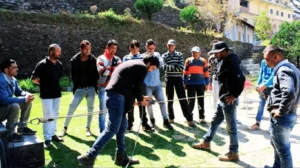
The real world is collaborative. Experiential learning encourages students to listen, express ideas, negotiate responsibilities, manage disagreements, and work toward common goals. Whether they are completing a group project or navigating an outdoor challenge, students discover that effective teamwork requires communication, trust, accountability, and cooperation.
The Role of Outdoor Learning in Experiential Education
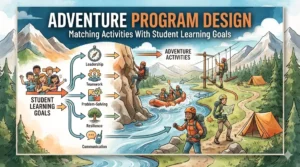
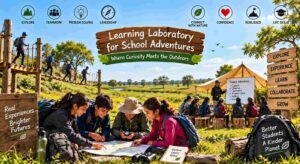
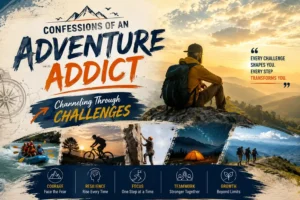
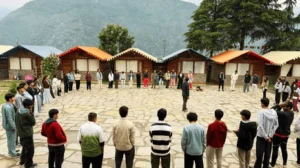
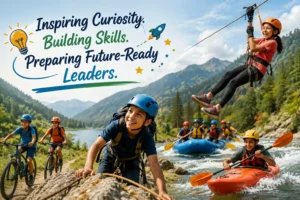
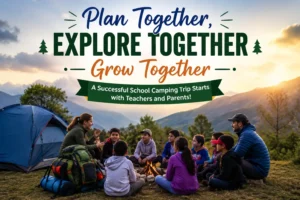
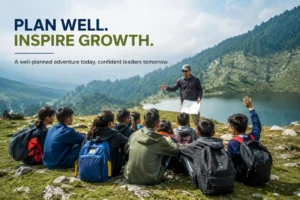
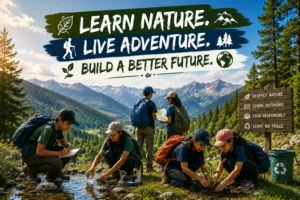
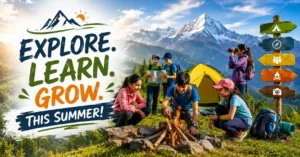
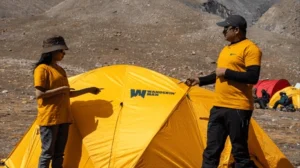
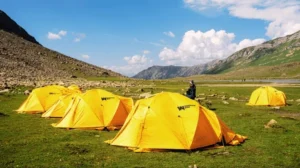
The classroom is not the only place where meaningful education happens. Outdoor learning creates an environment where students can encounter unfamiliar situations, interact with nature, and apply their skills outside conventional academic settings. Trekking, camping, navigation, cycling, environmental activities, team challenges, and adventure-based programs can become powerful learning environments when they are intentionally designed around educational outcomes.
Adventure Activities as Real-World Classrooms
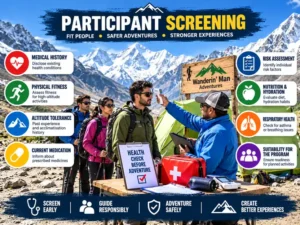
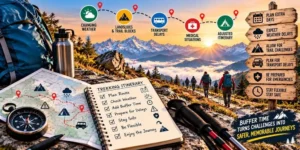
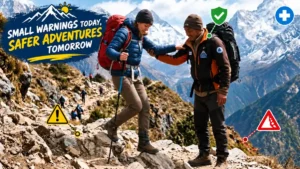
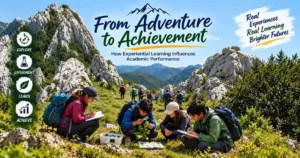
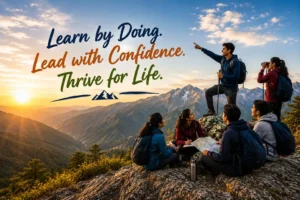
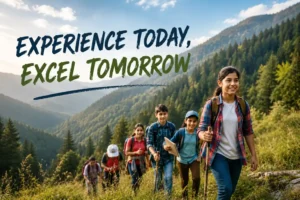
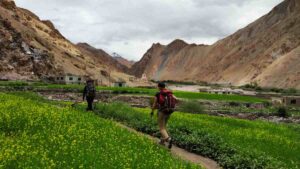
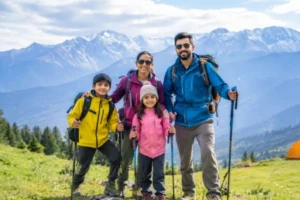
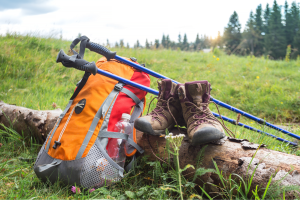
Adventure activities introduce students to challenges that require preparation and responsible decision-making. A trekking activity, for instance, can involve route planning, teamwork, physical endurance, environmental awareness, time management, and risk assessment. The experience becomes more than an outdoor excursion. It becomes a practical lesson in planning, resilience, leadership, responsibility, and adaptability.
Experiential Learning Builds Confidence Through Challenge
Confidence does not develop simply because someone tells a student to “believe in yourself.” It grows through experience. When students attempt something difficult and discover that they can overcome obstacles, they gain evidence of their own capabilities. A challenging outdoor activity may teach a student:
“I was nervous, but I continued.”
A team project may teach another:
“My contribution mattered.”
These small realizations can have a significant impact on self-confidence and personal development.
Learning to Handle Failure
Failure is often treated as something students should avoid. Experiential learning offers a different perspective. A failed attempt can become valuable when students are encouraged to examine what happened and determine what they can improve. This develops resilience and a growth mindset. Students learn that mistakes are not necessarily the end of the learning process. They can be feedback.
Reflection Turns Experience Into Learning
Simply participating in an activity does not automatically create meaningful learning. Reflection is a critical part of the process. After an activity, students can consider:
- What happened?
- What did I learn?
- What challenged me?
- How did I respond?
- What could I have done differently?
- Where can I use this learning in everyday life?
This reflection connects experience with understanding and helps students transfer their learning to new situations.
Connecting Experiential Learning With the School Curriculum
Experiential education does not mean abandoning academic learning. Instead, it can make academic knowledge more relevant.
Turning Subjects Into Experiences
Science can become an exploration of ecosystems and environmental systems. Geography can come alive through navigation, terrain observation, and field activities. Mathematics can be applied to budgeting, distance, measurement, planning, and resource management. Language learning can be strengthened through presentations, storytelling, group discussions, and communication exercises. This connection helps students understand that subjects are not isolated chapters in a textbook. They are tools for understanding and interacting with the world.
Experiential Learning and Future-Ready Education
The workplace and society are constantly changing. Students entering the future will need more than academic qualifications. They will need adaptability, creativity, communication, collaboration, digital awareness, critical thinking, and emotional intelligence. This makes experiential education increasingly relevant to future-ready education.
Developing Skills That Technology Cannot Replace
Artificial intelligence can provide information rapidly. Technology can automate repetitive tasks. But students still need to know how to collaborate, communicate, make ethical decisions, handle uncertainty, lead people, and respond creatively to unfamiliar challenges. Experiential learning helps develop these human capabilities through practice.
How Schools Can Introduce More Experiential Learning
Schools do not need to completely redesign their education system to begin.
They can gradually introduce:
- Project-based learning
- Outdoor education
- Adventure-based learning
- Field visits
- Community projects
- Team challenges
- Simulations and role-playing
- Environmental activities
- Leadership exercises
- Reflection journals
The important factor is not simply the activity itself. It is the learning objective behind the experience.
The Transformational Impact on Students
The most powerful outcome of experiential learning is often transformation. A student who once avoided responsibility may become a team leader.
A hesitant learner may discover confidence. A student who feared failure may learn resilience. Someone who preferred working alone may discover the value of collaboration. These changes demonstrate why experiential education is more than an alternative teaching technique. It can become a pathway for holistic student development.
From Knowing to Doing: The Future of Learning
Knowledge remains the foundation of education. But knowledge becomes significantly more valuable when students can apply it.
Experiential learning bridges the gap between knowing and doing.
Through practical learning, outdoor experiences, projects, challenges, reflection, and teamwork, students develop skills that cannot be fully acquired from textbooks alone. The goal of modern education should therefore not be simply to ask:
“What does the student know?”
It should also ask:
“What can the student do with what they know?”
When schools create opportunities for students to learn through experience, they prepare them not only for examinations, but for life.
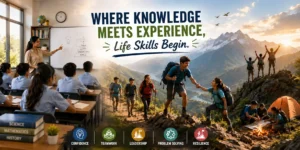
Because the most meaningful learning begins when knowledge meets experience.