Experiential School Programs for Better Student Learning: Impact
Introduction: Why Experiential Learning Matters
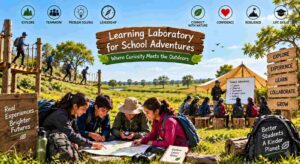
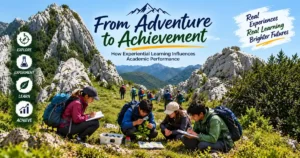
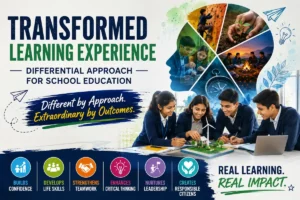
Experiential school programs for better student learning take education beyond textbooks by allowing students to learn through doing, observing, solving problems, collaborating and reflecting. Instead of only discussing a concept in the classroom, students can encounter it through an outdoor activity, field project, nature study, team challenge or practical task. This approach is closely aligned with India’s National Education Policy (NEP) 2020, which calls for experiential learning, including hands-on, arts-integrated and sports-integrated education, across stages of schooling. For schools, the goal is not simply to take students outdoors. A well-designed program should connect the experience to learning objectives, age-appropriate challenges, reflection and application.


8
What Are Experiential School Programs?
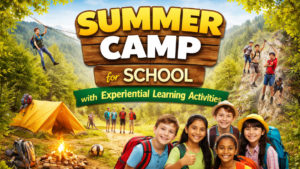
Experiential school programs are structured learning experiences in which students gain knowledge and skills through direct participation and practical application. Depending on the school’s objectives and students’ age, programs can include:
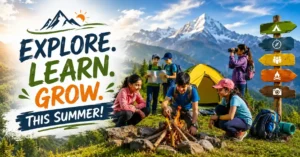
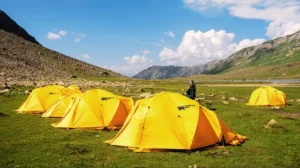
- Adventure and school camping programs
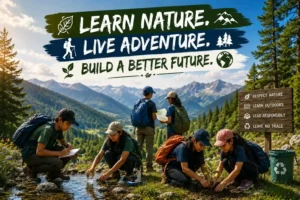
- Nature and environmental education
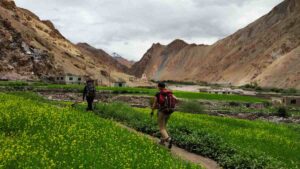
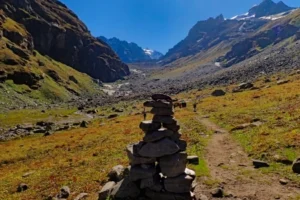
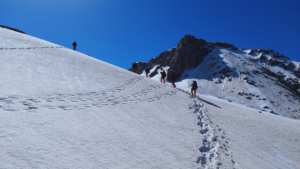
- Educational trekking
- Team-building activities
- Leadership challenges
- STEM field activities
- Heritage and cultural exploration
- Community-service projects
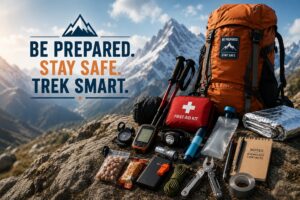
- Outdoor survival and preparedness activities
- Sports-integrated learning
- Creative and problem-solving activities
The important distinction is purposeful design. An outdoor trip becomes experiential learning when students have something meaningful to observe, practise, solve, discuss or reflect upon. The Government of India’s PRERANA experiential learning initiative similarly uses hands-on activities and real-world experiences as part of its educational approach.
How Experiential Learning Improves Student Learning
Experiential learning can connect classroom concepts with situations that students can see, touch, discuss and experience. For example:
- Biology: observe plants, ecosystems and biodiversity during a nature walk.
- Geography: understand terrain, maps and landscapes during trekking.
- Physics: explore balance, force and movement through appropriate activities.
- Environmental studies: examine waste, water, soil and conservation in the field.
- Leadership: assign students responsibilities during team challenges.
- Communication: require groups to plan, discuss and present solutions.
Research-backed educational guidance from India’s education authorities describes experiential learning as a way to make learning more meaningful and relevant while encouraging engagement, critical thinking, socio-emotional skills and learning from mistakes. The key is therefore not simply more activities, but better alignment between activities and learning outcomes.
7 Benefits of Experiential School Programs
1. Connects Academic Concepts With Real Life
Students often understand a concept differently when they encounter it outside a textbook. A lesson about ecosystems, for example, can become more tangible when students observe vegetation, soil, insects, water sources and human impact during a supervised outdoor activity. This helps create a connection between:
Learn → Experience → Reflect → Apply
That cycle is consistent with the experiential-learning approach described in educational guidance associated with NEP 2020.
2. Develops Teamwork and Communication
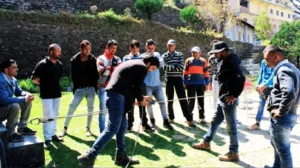
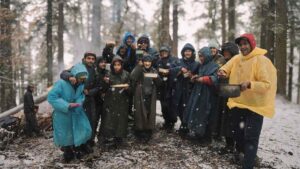
Many outdoor learning activities require students to work together. A team challenge may require students to:
- listen to one another
- divide responsibilities
- communicate instructions
- consider different ideas
- manage disagreements
- work toward a shared objective
The educational value comes from the interaction and subsequent reflection, rather than simply completing the activity.


6
3. Encourages Leadership and Responsibility
Experiential programs can create practical opportunities for students to take responsibility. Depending on age and program design, students might:
- lead a small group
- manage a task
- help teammates
- make decisions
- organise equipment
- communicate instructions
- present what their group learned
Leadership therefore becomes something students practise, rather than something they only read about.
4. Strengthens Problem-Solving and Critical Thinking
Outdoor situations can introduce problems without a single obvious answer. Students may need to decide:
What is the problem? → What information do we have? → What options are available? → What should we try? → What happened?
This encourages analysis, decision-making and reflection. For schools following a competency-oriented approach, these experiences can complement classroom learning rather than replace it.
5. Builds Confidence Through Achievement
Completing an age-appropriate challenge can give students a tangible sense of achievement. The challenge does not have to involve extreme adventure. It could be:
- completing a navigation task
- speaking before a group
- working with unfamiliar classmates
- completing a nature observation assignment
- participating in a team challenge
- managing a simple outdoor responsibility
The emphasis should be on appropriate challenge and supported participation, not unnecessary risk.
6. Develops Environmental Awareness
Outdoor education gives students an opportunity to understand nature through direct observation. Activities can introduce:
- biodiversity
- conservation
- responsible tourism
- waste management
- water conservation
- Leave No Trace principles
- local ecosystems
- respect for natural habitats


8
7. Supports Holistic Student Development
Experiential education can bring together academic, social, physical and emotional dimensions of learning. A thoughtfully designed program may combine:
Academic learning + physical activity + teamwork + responsibility + reflection
This aligns with the broader holistic-development orientation reflected in NEP 2020.
Types of Experiential Learning Programs for Schools
Schools can select programs according to their age group, curriculum, learning objectives, duration and risk profile.
School Adventure Camps
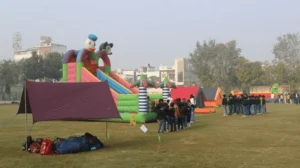
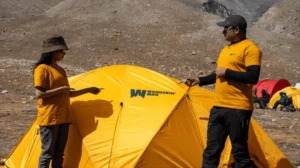
Obstacle courses, carefully supervised adventure activities and team challenges can introduce students to collaboration, responsibility and confidence-building.
Educational Trekking Programs
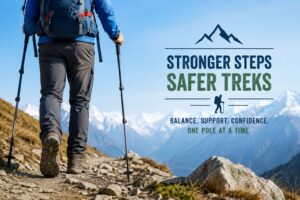
Trekking can combine geography, environmental observation, physical activity, navigation and teamwork.
Environmental Learning Camps
Nature walks, biodiversity observation and conservation activities can turn environmental studies into a practical experience.
STEM Field Activities
Students can explore scientific concepts through structured field observations, experiments and problem-solving tasks.
Leadership Programs
Students can be given age-appropriate responsibilities and group challenges designed around communication, planning and decision-making.
Heritage and Cultural Programs
Visits to historical and cultural locations can connect classroom subjects with local stories, architecture, traditions and communities.


7
How to Design an Effective Experiential School Program
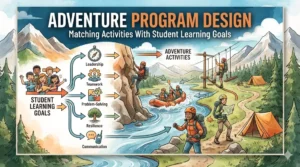
A successful program should start with the learning objective, not the destination.
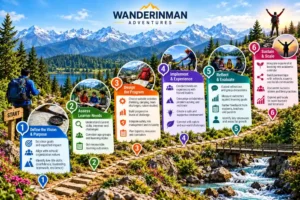
Step 1: Define Learning Outcomes
Ask:
- What should students learn?
- What skills should they practise?
- What behaviour or competency should they demonstrate?
- How will teachers know whether the objective was achieved?
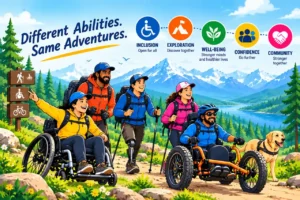
Step 2: Match Activities to Age and Ability
Activities should be appropriate for the students’:
- age
- physical ability
- experience
- group size
- confidence level
Progressive challenges are generally more appropriate than simply making activities harder.
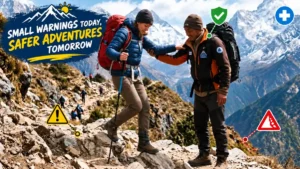
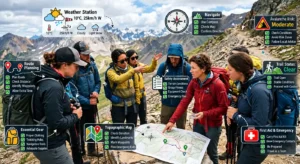
Step 3: Build Safety Into the Program
Safety should be part of planning from the beginning. Schools should examine:
- instructor qualifications
- risk assessment
- equipment standards
- first-aid arrangements
- emergency procedures
- evacuation planning
- weather monitoring
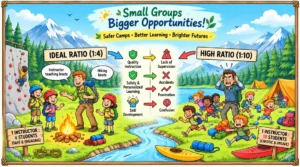
- supervision ratios
- accommodation arrangements
- insurance and medical support where applicable
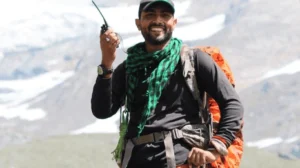
Wanderin Man’s school-program information describes measures including experienced and certified mountaineering professionals, emergency evacuation planning, first-aid support, risk-management SOPs, dedicated female instructors, separate accommodation arrangements, certified equipment and insurance.
Important: schools should verify the exact safety provisions, ratios and medical arrangements for the specific program being booked.
Step 4: Include Reflection
This is one of the most important improvements to make to outdoor learning. After an activity, ask students:
What happened?
What did we learn?
What was difficult?
How did our team respond?
What would we do differently next time?
Where can we apply this learning at school or home?
Reflection helps transform an activity into a learning experience.
The Role of Teachers and Parents
Experiential learning works best when the experience connects with what happens before and after the program.
Teachers can:
- introduce the learning objectives before departure
- connect activities to classroom subjects
- observe student participation
- encourage reflection
- discuss lessons after returning to school
- use projects or presentations to reinforce learning
Parents can:
- prepare students for the experience
- encourage responsible independence
- discuss what students learned
- reinforce positive behaviours at home
- communicate relevant requirements or concerns with the school
The objective is to create a learning journey rather than a one-day event.
How Schools Can Choose the Right Experiential Learning Partner
Before selecting an organization, schools should ask:
Educational Design
Does the program have clearly defined learning objectives?
Instructor Expertise
Who will conduct and supervise the activities?
Safety
What risk-management, first-aid and emergency systems are in place?
Student Supervision
What is the actual participant-to-leader ratio for the specific program?
Customization
Can activities be adapted to the school’s age group, curriculum and objectives?
Accommodation and Logistics
How are food, accommodation, transport and student welfare managed?
Experience
Can the provider demonstrate relevant experience with school groups?
Post-Program Learning
Is there a reflection, feedback or assessment process?
Wanderin Man’s school programs explicitly position experiential learning alongside safety, professional outdoor leadership and structured school activities.
Experiential Learning Should Be More Than “Fun Outside the Classroom”
One common mistake is treating experiential learning as simply a recreational school trip. A stronger model is:
Objective → Experience → Challenge → Reflection → Application
For example:
Objective: Develop teamwork
↓
Activity: Group navigation challenge
↓
Challenge: Students must plan and communicate
↓
Reflection: Discuss what helped or hindered the group
↓
Application: Connect teamwork lessons to classroom projects
This approach turns an outdoor experience into a structured educational opportunity.
Why Wanderin Man for Experiential School Programs?
Wanderin Man’s school-program model combines outdoor adventure with experiential learning and structured safety measures. Its school pages describe programs including school-based adventure activities, trekking, camping, cycling, skiing and other outdoor experiences. The organization also describes a team with substantial outdoor-program experience and specialist roles across outdoor education, mountaineering, rescue and team-building. For schools, the emphasis should remain on selecting activities that match student age, educational objectives, supervision requirements and safety planning.


7
Conclusion: From Outdoor Activity to Meaningful Learning
Experiential school programs for better student learning can extend education beyond the classroom by giving students opportunities to experience concepts, collaborate with peers, solve problems and reflect on their actions. The strongest programs are not simply about adventure. They connect learning objectives with carefully selected experiences, age-appropriate challenges, professional supervision and meaningful reflection. For schools, the question should therefore not be only:
“Where should we take our students?”
It should be:
“What should our students learn, experience and take back with them?”
That shift can turn a school trip into a purposeful experiential learning journey.
Plan a Purposeful Experiential Learning Program for Your School
Looking for an experiential school program that combines outdoor education, adventure, teamwork, leadership and practical learning? Wanderin’ Man Adventures works with schools to create structured outdoor experiences based on student age, program objectives, duration and activity requirements. Programs can be designed around:
- School-based adventure activities
- Outdoor adventure camps
- Educational trekking
- Environmental learning
- Team-building
- Leadership development
- Camping experiences
- Customized school programs
Explore Wanderin Man’s school experiential learning programs and discuss your school’s requirements with the team.