Participant Screening Before a High-Altitude Adventure
High-altitude adventures offer breathtaking landscapes, personal growth and unforgettable experiences. However, trekking in the Himalayas also exposes participants to low oxygen levels, cold weather, demanding terrain and limited access to medical facilities. Participant screening before a high-altitude adventure is therefore an essential step in responsible adventure planning. Whether organising a school adventure camp, corporate expedition or Himalayan trek, screening helps identify potential risks, assess physical preparedness and plan appropriate safety measures. It also helps participants understand their responsibilities before entering challenging mountain environments.
Why Is Participant Screening Important Before a High-Altitude Adventure?
As altitude increases, atmospheric pressure decreases, making less oxygen available with every breath. Even physically active individuals can experience altitude-related illness, fatigue, dehydration, or difficulties adjusting to the environment. A structured trekking participant screening process helps adventure organizers to:
- Identify relevant medical conditions and previous altitude-related problems.
- Assess fitness levels against the planned route and itinerary.
- Understand participants’ experience, confidence and support requirements.
- Plan gradual acclimatisation and suitable activity levels.
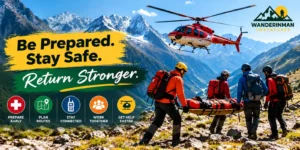
- Prepare appropriate emergency response and evacuation arrangements.
Screening cannot eliminate every risk or guarantee that altitude sickness will not occur. Its purpose is to support informed decisions, reduce avoidable risks and improve overall adventure safety.
What Does Participant Screening Before a High-Altitude Adventure Include?
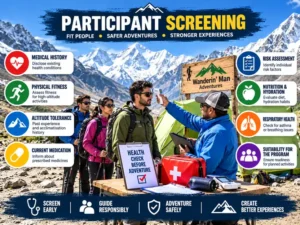
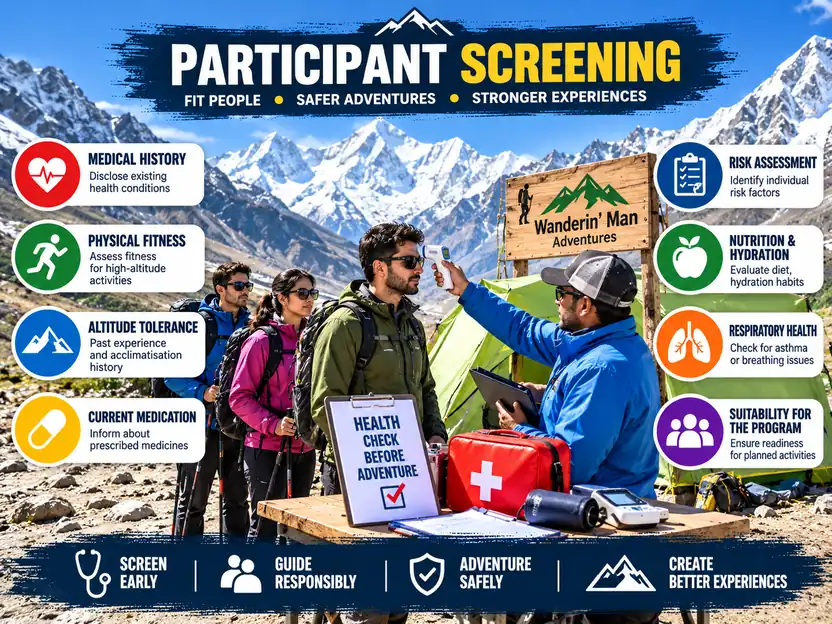
1. Medical History and Health Assessment
A medical history review helps identify conditions that may require additional precautions or professional medical advice. Participants should disclose relevant health conditions, prescribed medicines, allergies and previous altitude-related symptoms. Depending on the individual and the expedition, a qualified healthcare professional may need to assess conditions such as heart disease, respiratory illness, uncontrolled blood pressure, diabetes or previous serious altitude illness. A medical certificate alone does not guarantee fitness for every altitude or activity. The assessment should consider the actual itinerary, elevation, exertion, remoteness and available emergency support.
2. Physical Fitness and Endurance Assessment
High-altitude trekking may involve long walking days, steep ascents, uneven trails, cold temperatures and carrying a backpack. A fitness assessment helps organisers understand whether participants can reasonably manage these demands. Useful preparation may include:
- Regular brisk walking and progressively longer hikes.
- Leg-strengthening and balance exercises.
- Endurance training appropriate to the participant’s current ability.
- Practice walking with a suitably weighted backpack.
Fitness requirements should reflect the difficulty of the planned adventure. Participants should build their conditioning gradually, ideally beginning several weeks before departure, rather than attempting sudden, intense exercise immediately before a trek.
3. Previous Trekking Experience and Altitude Exposure
Previous trekking experience provides useful context, but it does not make someone immune to altitude illness. A participant who has completed a difficult trek before may still experience symptoms on a different journey. Organisers should ask about previous altitude exposure, the highest elevation reached, acclimatisation schedules and any history of altitude-related symptoms. First-time trekkers may benefit from shorter routes, additional guidance, manageable daily distances and a carefully planned ascent profile.
4. Medication, Lifestyle and Individual Needs
Medication reviews help identify practical considerations for the journey. Participants should bring their prescribed medicines and follow advice from their healthcare professional. They should not start, stop or change medication solely on an adventure organiser’s recommendation. Smoking, inadequate sleep, dehydration and poor preparation can affect comfort and exercise tolerance. Participants should also disclose relevant dietary requirements, allergies, disabilities and mobility needs so reasonable adjustments can be considered. Pregnancy, significant chronic illness or other individual circumstances may require specific medical advice before undertaking a remote or strenuous expedition.
5. Psychological Readiness and Risk Awareness
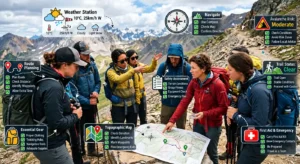
Adventure readiness involves more than physical strength. Participants may encounter cold, fatigue, unfamiliar surroundings, changing weather, limited connectivity and unexpected changes to the itinerary. A pre-adventure briefing should explain the route, expected conditions, group rules, communication procedures and the importance of following the expedition leader’s instructions. For school groups, organisers should also consider age, supervision needs, parental consent and the participant’s ability to communicate discomfort or distress.
Who Should Complete a High-Altitude Trekking Assessment?
Every participant should complete an appropriate screening process, with the depth of assessment tailored to the activity and individual circumstances. This includes students attending school adventure camps, corporate teams, families, first-time trekkers, experienced mountaineers and participants who may need disability-related adjustments. Children, older adults and people with relevant medical conditions may require additional planning. There should be no blanket assumption that age or disability automatically makes a person unsuitable; decisions should be individualised, evidence-informed and based on the actual demands of the activity. For school programmes, screening should involve the relevant school representatives, parents or guardians, healthcare professionals where necessary, and the adventure operator.
How Adventure Organisers Should Use Screening Results
Screening is valuable only when the information informs practical safety decisions. Organisers should protect participants’ personal information and share health details only with authorised people who need them for safety planning. A responsible process should include:
- Pre-trip questionnaire: Collect relevant health, fitness, experience and emergency-contact information securely.
- Risk review: Compare participant needs with the route, altitude, duration, weather exposure and remoteness.
- Medical consultation: Request professional advice when a disclosed condition or planned activity warrants it.
- Individualised planning: Consider suitable routes, additional supervision, reasonable adjustments or alternative activities.
- Final readiness check: Confirm that participants understand the risks, equipment requirements and group procedures.
- Ongoing monitoring: Observe participants during the expedition and respond promptly to emerging symptoms.
If the risks cannot be managed adequately, organisers should postpone, modify or decline participation in the specific activity. Screening should never become a way to pressure someone into disclosing unnecessary personal information or to exclude people without a fair assessment.
Recognising Altitude Illness and Responding Safely
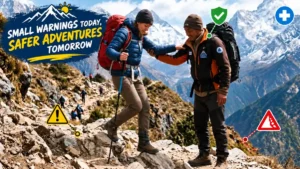
Acute mountain sickness (AMS) can develop after ascent to higher elevations. Symptoms may include headache, nausea, dizziness, unusual fatigue and reduced appetite, often after a recent ascent. More serious altitude illnesses, including high-altitude pulmonary oedema (HAPE) and high-altitude cerebral oedema (HACE), require urgent medical attention. Warning signs may include breathlessness at rest, a persistent cough, confusion, difficulty walking straight or a marked decline in consciousness.
If altitude illness is suspected, stop further ascent and seek appropriate medical assistance. Worsening symptoms or signs of serious illness require prompt descent, supported by trained personnel and emergency procedures. Do not leave an unwell participant alone or rely on screening results to dismiss new symptoms. Prevention includes a suitable ascent profile, gradual acclimatisation, appropriate hydration and prompt reporting of symptoms. No screening questionnaire can replace monitoring and sound decisions in the mountains.
How Wanderin’ Man Adventures Supports Safer Participation
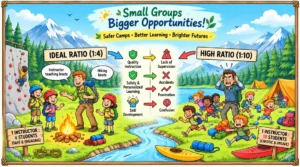
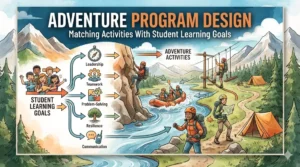
At Wanderin’ Man Adventures, responsible adventure planning begins before participants arrive at the trailhead. A structured approach to screening, briefing and preparation can help schools, families and groups make better-informed decisions about their Himalayan experiences. Our planning priorities include understanding participant needs, matching activities to group capability, using trained leaders, maintaining appropriate supervision and preparing for emergencies. Route selection and acclimatisation should reflect the actual programme, not simply the group’s ambitions. For school adventure camps and customised group programmes, early communication helps identify support requirements and establish realistic expectations. Participants and organisers should discuss medical concerns with qualified healthcare professionals whenever needed.
The objective is not to eliminate adventure. It is to make adventure more responsible, inclusive and better prepared.
Conclusion: Better Screening Creates Safer Mountain Experiences
Participant screening before a high-altitude adventure is a fundamental part of responsible trekking and expedition planning. Medical history, fitness, altitude experience, individual needs and psychological readiness all contribute to a more complete understanding of participant preparedness. When screening results guide route planning, acclimatisation, supervision and emergency preparation, adventure organisers can make more informed decisions and participants can approach their journeys with greater confidence. Before your next Himalayan trek or school adventure camp, make screening part of the preparation process—not an afterthought.
Plan your next adventure responsibly with Wanderin’ Man Adventures. Contact our team to discuss adventure programmes, participant preparation and safety-conscious itinerary planning.