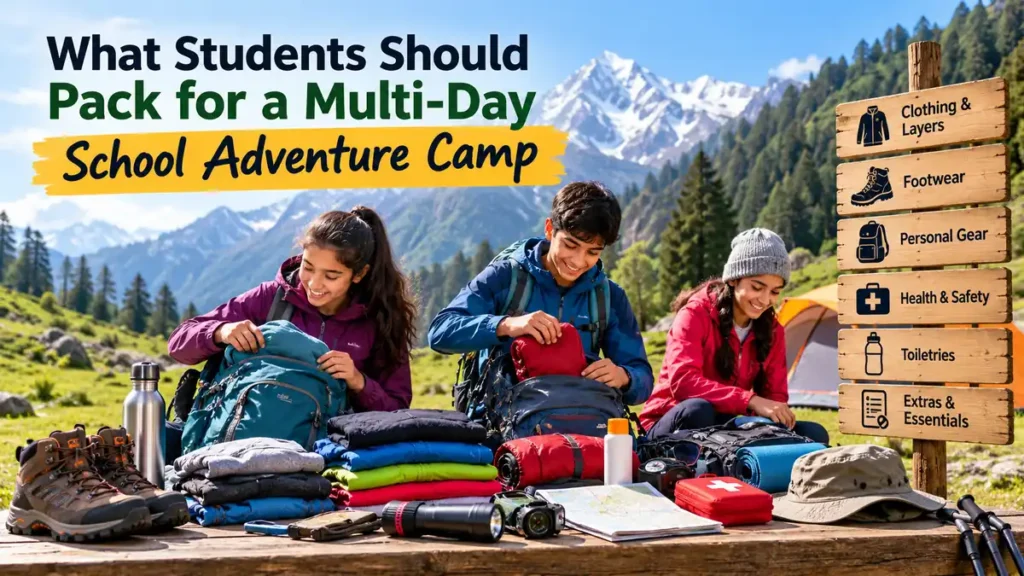
What Students Should Pack for a Multi-Day School Adventure Camp
Introduction
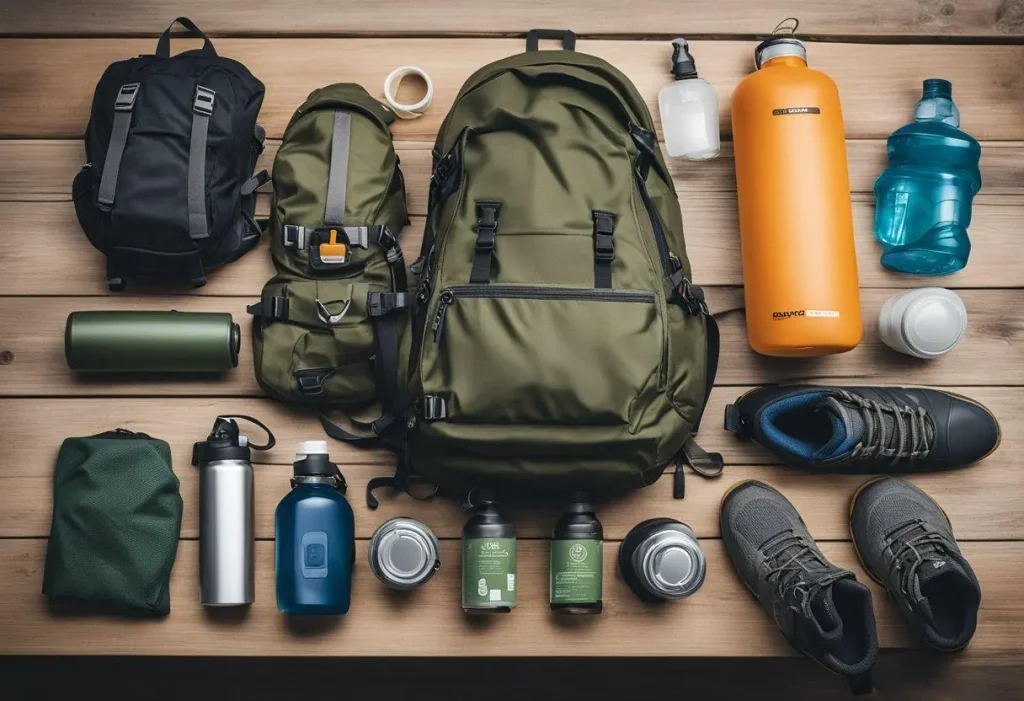
Preparing for a multi-day school adventure camp is an exciting part of every student’s outdoor learning journey. Whether students are trekking through the Himalayas, participating in team-building activities, exploring nature trails or staying in a campsite, packing the right essentials can make their experience safer and more comfortable. Knowing what students should pack for a school adventure camp helps parents avoid last-minute stress and prepares children for changing weather, outdoor activities and shared accommodation. A well-planned school adventure camp packing list should prioritise comfort, safety, practicality and independence. Here is a simple guide to help students prepare for a memorable outdoor experience.
1. Choose Comfortable Clothing for Outdoor Activities
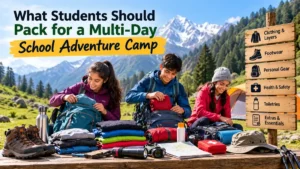
The right clothing protects students from changing temperatures, sunlight, wind and unexpected rain. Clothing requirements depend on the destination, season, altitude and activities planned. Students should pack:
- Comfortable T-shirts and quick-drying trousers.
- Full-sleeved shirts for sun and insect protection.
- Warm layers, such as a fleece jacket or sweater.
- A waterproof and wind-resistant jacket.
- Undergarments and comfortable sleepwear.
- Extra socks and activity-appropriate footwear.
For Himalayan camps, layering is especially important because temperatures can change considerably between daytime and night.
Packing tip: Avoid heavy cotton clothing for strenuous activities in cold or wet conditions. Quick-drying fabrics are often more practical.
2. Pack Suitable Footwear and Essential Accessories
Footwear can significantly influence comfort during trekking, nature walks and outdoor games. Students should wear footwear that has been tested before the camp rather than bringing brand-new shoes. Essential items include:
- Comfortable trekking or walking shoes with good grip.
- Lightweight camp footwear, where permitted.
- A sun hat or cap.
- Sunglasses with suitable UV protection.
- A reusable water bottle.
- A small daypack for daily activities.
Students should follow the school’s footwear instructions, particularly for trekking, river activities or other specialised adventure sports.
3. Carry Personal Hygiene and Toiletry Essentials
Maintaining personal hygiene is important when students stay away from home for several days. A compact toiletry kit keeps essential items organised and easy to access. Include the following:
- Toothbrush and toothpaste.
- Soap or body wash and shampoo in small containers.
- Quick-drying towel.
- Sunscreen suitable for the destination.
- Personal hygiene products.
- Hand sanitiser and tissues.
- A small bag for used or wet clothing.
Encourage students to use reusable containers where practical and avoid carrying unnecessary packaging. All personal products should be clearly labelled.
4. Include Weather Protection and Sleeping Essentials
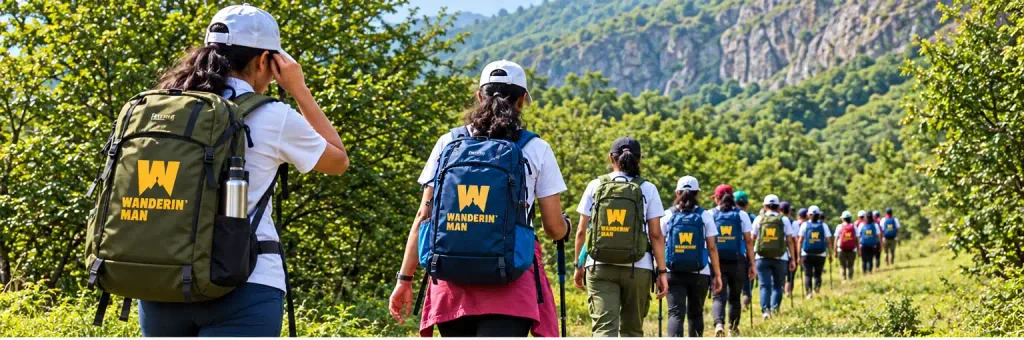
Outdoor environments can be unpredictable. Students should check the camp’s packing instructions before leaving home, as accommodation and bedding arrangements vary. Depending on the programme, students may need:
- A warm jacket and an additional insulating layer.
- Rain protection.
- A suitable sleeping bag, if requested by the organiser.
- A headlamp or torch with spare batteries.
- A lightweight, reusable bag for wet clothes.
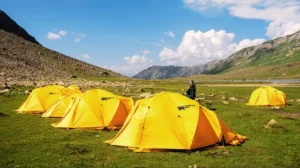
Students should not assume that they need to bring tents, sleeping mats or other bulky camping equipment. Organisers should confirm which items are supplied and which must be carried individually.
5. Organise Personal Medicines and Safety Items
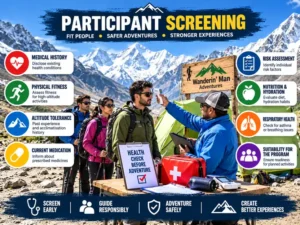
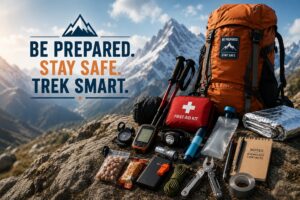
Safety is a shared responsibility between students, parents, teachers and adventure instructors. Students must disclose relevant medical needs to the designated school authority before departure. A personal safety checklist may include:
- Any prescribed medication, managed according to school policy.
- Medical information and emergency contact details.
- Personal identification, where required.
- A small notebook and pencil.
- A whistle or other safety item, if recommended by the organiser.
Students should never share prescription medicines. First-aid supplies and emergency equipment should be managed by trained, designated personnel. For high-altitude activities, follow the organiser’s medical screening and safety requirements.
6. Pack Smart: Keep the Backpack Light and Organised
Overpacking can make travelling and walking more tiring. A practical school adventure camp packing list helps students carry only what they need. Use these simple packing tips:
- Choose a comfortable backpack appropriate for the student’s size and the programme.
- Pack heavier items close to the back and keep frequently used items accessible.
- Place clothing in separate packing bags.
- Keep toiletries in a leak-resistant pouch.
- Label the backpack and personal belongings.
- Keep valuable jewellery, unnecessary gadgets and large amounts of cash at home.
Students should be able to carry their own personal bags safely, within the weight limits set by the school and camp organiser.
7. What Students Should Avoid Packing
Knowing what not to pack is just as important as knowing what to bring. Unnecessary or prohibited items can create safety concerns, increase baggage weight and distract students from outdoor learning. Avoid packing:
- Expensive jewellery and unnecessary valuables.
- Large quantities of sweets and packaged snacks.
- Sharp objects, lighters or other prohibited equipment.
- Unapproved medicines.
- Excessive electronic devices.
- Items restricted by the school or camp organiser.
Students should also respect the natural environment by avoiding single-use plastics and carrying waste back to designated disposal points.
8. Parents’ Final Packing Checklist Before Departure
Before leaving for camp, parents and students should review the school adventure camp packing checklist together. Confirm that:
- All clothing is suitable for the forecast and destination.
- Footwear fits properly and has been tested.
- Toiletries and personal essentials are packed.
- Prescribed medicines and medical information have been communicated appropriately.
- The backpack is labelled and manageable.
- Emergency contacts and departure instructions are available.
- All items comply with the organiser’s guidelines.
Involving children in packing also helps develop responsibility, organisation and confidence—valuable skills that extend beyond the campsite.
Conclusion: Prepare Well, Explore Confidently

A successful multi-day school adventure camp begins with thoughtful preparation. From comfortable clothing and suitable footwear to personal hygiene and safety essentials, every item should serve a practical purpose. When students pack sensibly, they can focus on what matters most: discovering nature, building friendships, developing teamwork and learning through real-world experiences. At Wanderin’ Man Adventures, we believe that well-planned outdoor experiences can help students develop resilience, independence and a stronger connection with nature. Planning a school adventure camp? Connect with Wanderin’ Man Adventures to explore experiential learning programmes designed around outdoor discovery, teamwork and student development.
Pack smart. Stay prepared. Make every adventure count.