How to Make a Tired Day Easier: A Trekker’s Guide
Every trekker experiences a tiring day on the trail. Long climbs, uneven terrain, a heavy backpack, changing weather or simply several hours of walking can leave you feeling drained. Knowing how to make a tired day easier can help you manage your energy, maintain a comfortable pace and enjoy the journey without unnecessarily pushing your body. With sensible rest breaks, appropriate hydration, nutritious snacks, good pacing and careful attention to your physical condition, even a challenging trekking day can become more manageable and enjoyable.


7
Every trekker has that day when the legs feel heavier, the backpack seems twice as heavy, and even the next bend in the trail looks far away. A tired trekking day does not necessarily mean you are unfit. Long walking hours, steep ascents, uneven terrain, altitude, weather, inadequate food, poor hydration and insufficient rest can all contribute to fatigue. The good news is that you can make a difficult day considerably easier by managing your pace, energy, hydration, backpack and mindset. Here is a practical guide to handling trekking fatigue without turning your adventure into a race.
1. Accept That Some Trekking Days Will Feel Hard
One of the biggest mistakes trekkers make is treating fatigue as a personal failure. Mountain trekking is different from walking around your neighbourhood. A trail may involve continuous climbing, loose rocks, mud, altitude changes and a loaded backpack. Instead of thinking, “I have to finish quickly,” change the goal to:
“I need to move safely and steadily.”
The National Park Service recommends knowing your limits, choosing activities appropriate to your ability and allowing time to acclimatise when travelling to higher elevations. A slower trekking day can still be a successful trekking day.
2. Slow Down Before You Become Exhausted


5
If you wait until you are completely exhausted before slowing down, recovery becomes harder. Use a comfortable, sustainable walking rhythm. On steep sections, shorten your steps rather than trying to maintain your normal speed. A useful practical test is simple: if you can comfortably talk while walking, your pace is probably manageable. The National Park Service recommends pacing yourself and taking regular breaks rather than pushing continuously.
Remember:
Trekking is about reaching the destination with energy left—not reaching it as quickly as possible.
3. Take Short, Planned Rest Breaks


7
Do not wait until your legs are completely exhausted before taking a break. Short, planned pauses can help you drink, eat, adjust your backpack and check your physical condition.
During a break:
- Remove or loosen your backpack.
- Drink according to your thirst and conditions.
- Have a small snack.
- Check your feet for discomfort or hot spots.
- Stretch gently if it feels comfortable.
- Look at the route ahead.
- Give yourself a few quiet minutes.
Some National Park Service hiking guidance recommends regular breaks and specifically advises trekkers to pay attention to how they are feeling rather than simply pushing through fatigue. The purpose of a break is not to waste time. It is to preserve energy for the rest of the trail.
4. Hydrate Without Overdoing It


6
Dehydration can make an already tiring trek feel considerably harder.
Carry water where it is easily accessible and drink regularly according to your thirst, weather and exertion. In hot conditions, dehydration and heat-related illness become particular concerns. The CDC recommends pacing activity, drinking fluids and stopping activity if you feel faint or weak. However, more water is not automatically better. Excessive fluid intake during prolonged exercise can contribute to dangerous electrolyte imbalances. Your hydration strategy should therefore be practical rather than extreme.
5. Give Your Body Small Amounts of Fuel


7
A tired trekker often needs food as much as rest. Instead of waiting until you are extremely hungry, carry convenient trail foods such as:
- Bananas or other fruit
- Nuts and seeds
- Dates
- Energy bars
- Trail mix
- Sandwiches
- Other easily carried carbohydrate-rich foods
The National Park Service recommends carrying nutritious food and snacks because hiking can quickly drain energy reserves. Keep your food accessible. If you have to unpack half your backpack just to find a snack, you are less likely to eat when you need it.
6. Make Your Backpack Easier to Carry


6
Sometimes the problem is not your fitness. It is the load. Before starting the day, ask:
“Do I really need everything I am carrying?”
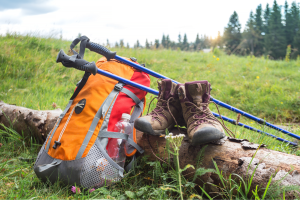
Remove unnecessary items, distribute the load properly and adjust your shoulder straps and hip belt. A poorly adjusted backpack can turn a manageable trek into an uncomfortable one. Lightweight packing also reduces the physical burden over long walking days. Keep frequently used items—water, snacks, rain protection and sunscreen—within easy reach.
7. Protect Your Feet Before They Become a Problem
Tired legs are one issue. Painful feet can make the entire day miserable. During longer breaks, check for:
- Hot spots
- Redness
- Blisters
- Wet socks
- Tight footwear
- Stones or debris inside your shoes
Do not ignore a small area of discomfort. A minor hot spot can become a much bigger problem after several hours of walking. Wear comfortable, broken-in trekking footwear and suitable socks. Avoid experimenting with brand-new footwear on a demanding trek.
8. Use the Mountain Environment to Your Advantage


7
If the weather is hot, use shade and cooler periods whenever possible. If conditions are cold or wet, keep yourself appropriately protected and avoid allowing wet clothing to remain against your body for long periods. At higher elevations, remember that altitude can add another layer of difficulty. Give your body time to acclimatise and avoid unnecessarily aggressive pacing. NPS guidance specifically recommends allowing time to adjust to elevation and avoiding overexertion.
9. Know When Tiredness Is More Than Normal Fatigue
Normal trekking fatigue usually improves when you slow down, rest, eat and hydrate appropriately. But some symptoms require much more caution. Stop and reassess if you experience symptoms such as:
- Dizziness or faintness
- Severe weakness
- Confusion
- Persistent headache
- Nausea or vomiting
- Unusual shortness of breath
- Difficulty maintaining balance
- Symptoms that are getting worse rather than better
Heat-related illness can include weakness, dizziness, headache, nausea and shortness of breath. At altitude, symptoms such as severe headache, confusion, unusual breathlessness or worsening fatigue should not simply be dismissed as being “part of the trek.”
When in doubt, stop and seek help from your trek leader or local emergency services.
10. Change Your Mindset: The Trek Is Not a Race


6
Perhaps the most important trekking tip is psychological. When fatigue arrives, stop thinking about the entire remaining distance. Think instead:
“Just reach the next rest point.”
Then:
“Now reach the next landmark.”
Breaking a demanding trek into smaller sections makes the journey feel more manageable. Look around. Notice the forest, clouds, rivers, ridgelines and changing light. You came to the mountains not only to reach a destination but also to experience the journey.
A Simple Tired-Day Trekking Checklist
Before continuing, ask yourself:
PACE — Am I walking too fast?
WATER — Have I been drinking appropriately?
FOOD — Have I eaten recently?
FEET — Are my shoes, socks and feet comfortable?
PACK — Is my backpack adjusted properly?
WEATHER — Are conditions changing?
ALTITUDE — Am I experiencing unusual symptoms?
TIME — Do I have enough daylight to complete the route safely?
If something does not feel right, tell your trek leader rather than silently pushing through.
Final Thoughts: Make the Trek Easier, Not Harder
A tired day on the trail is part of the trekking experience. You do not need to defeat fatigue by force. Manage it intelligently. Slow your pace, take sensible breaks, hydrate appropriately, eat small amounts of nutritious food, protect your feet, reduce unnecessary pack weight and pay attention to warning signs. Most importantly, remember that safe trekking is more important than speed. The mountains will still be there when you arrive.
Ready for Your Next Trek?
Ready to Experience the Mountains the Smarter Way? A memorable trek is not about proving how much discomfort you can tolerate. It is about preparing well, understanding your limits and enjoying the journey responsibly. If you are planning your next Himalayan adventure, choose a programme that matches your fitness, experience and comfort level. Prepare your footwear and backpack, understand the route, carry appropriate essentials and learn how to manage your energy before you step onto the trail.
At Wanderin’ Man Adventures, we create trekking and adventure experiences for people who want to explore the outdoors while learning, challenging themselves and building meaningful experiences along the way. From trekking and camping to mountaineering, cycling, skiing, rafting and experiential learning programmes, our adventure experiences are designed around exploration, participation and responsible outdoor practices.
Make Your Next Adventure More Meaningful
Don’t wait until you are exhausted to learn how to manage fatigue.
Choose the right adventure. Prepare for the journey. Move at your own sustainable pace. Experience the mountains with confidence.
👉 Explore Wanderin’ Man Adventures and discover your next mountain experience.
Your next adventure is not just about reaching the summit—it is about everything you learn and experience on the way there. At Wanderin’ Man Adventures, trekking is about experiencing the mountains with thoughtful planning, responsible leadership and appropriate safety practices.
Explore more practical trekking guidance from Wanderin’ Man Adventures: