The Future of Adventure Sports in India: Trends &Technology
The future of adventure sports in India is entering an exciting new phase. What was once considered a niche pursuit for thrill-seekers is becoming an important part of tourism, experiential learning, wellness and lifestyle choices. From Himalayan trekking and rafting to paragliding, mountain biking and emerging adventure experiences, Indians are increasingly looking beyond conventional holidays. Technology is also changing how people discover, prepare for and experience adventure. At the same time, greater awareness of safety, sustainability and responsible tourism is reshaping the industry. So, what will adventure sports in India look like in the coming years? Let us explore the trends, technologies and experiences that are likely to define its next chapter.
Why Adventure Sports Are Growing in India
India offers extraordinary geographical diversity—from the Himalayas and Western Ghats to deserts, forests, rivers and coastlines. This makes the country naturally suited for a wide variety of outdoor adventure activities. Changing traveller preferences are another major factor. Modern travellers increasingly want experiential travel, meaningful challenges and memorable stories rather than simply visiting tourist attractions. Adventure tourism also appeals to different audiences. Young professionals seek weekend adventures, families want active holidays, schools use outdoor programs for experiential learning, and experienced travellers look for increasingly challenging expeditions. This diversification is likely to remain one of the strongest drivers of the future of adventure sports in India.
Emerging Adventure Sports Trends in India
The adventure industry is becoming more diverse and accessible. Several trends are expected to influence its growth.
Rise of Micro-Adventures
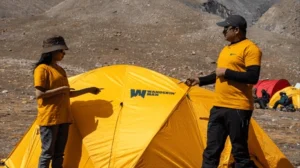
Not every adventure requires a week-long expedition. Micro-adventures such as short treks, camping weekends, cycling trips, kayaking and nature-based experiences are becoming attractive to people with limited time. These shorter experiences can introduce beginners to adventure sports without requiring extensive planning.
Growth of Experiential Travel
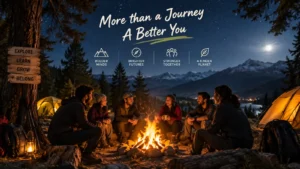
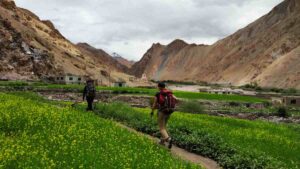
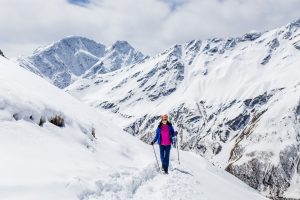
Travellers increasingly want to participate rather than simply observe. Trekking through the Himalayas, learning survival skills, camping under the stars or navigating a river creates a deeper connection with a destination. This shift from sightseeing to experiential tourism can create new opportunities for adventure operators across India.
Adventure Sports for Families
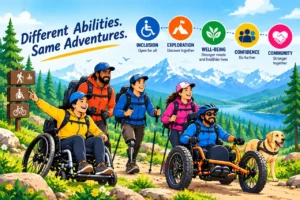
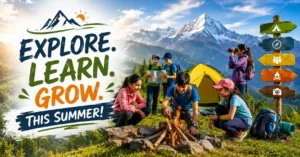
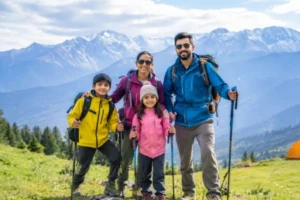
Adventure is no longer exclusively associated with extreme risk. Families are increasingly looking for safe, professionally managed outdoor experiences. Beginner-friendly trekking, camping, cycling, rafting and outdoor learning programs can make adventure accessible across age groups.
Adventure-Based Learning
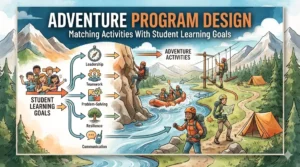
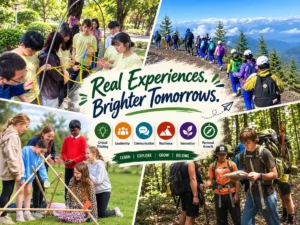
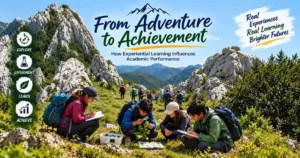
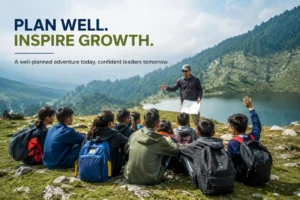
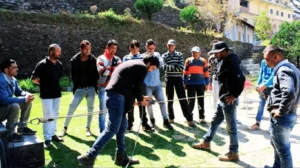
Schools and educational institutions are also recognising the value of outdoor experiences. Adventure activities can help students develop leadership, teamwork, communication, resilience, confidence and decision-making skills. This creates an important connection between adventure tourism and experiential education.
Technology Will Transform Adventure Experiences
Technology is likely to become one of the biggest influences on the future of adventure sports in India.
Wearable Technology and Smart Devices
Smartwatches, GPS devices, fitness trackers and other wearables can help participants monitor distance, altitude, heart rate, route progress and other performance indicators. For adventure professionals, technology can also support better communication, navigation and emergency response.
Artificial Intelligence and Personalised Adventures
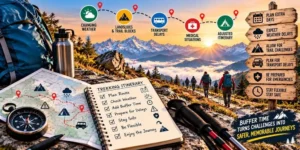
Artificial intelligence could make adventure planning more personalised. AI-powered platforms may recommend activities based on fitness levels, previous experience, available time, interests and destination preferences. Imagine entering your experience level and preferred adventure style and receiving a personalised trekking or adventure itinerary. This type of AI-powered adventure planning could become increasingly common.
Drones and Digital Mapping
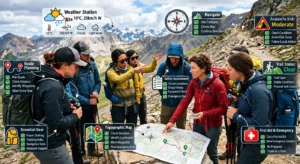
Drones and advanced mapping technologies can support route assessment, destination documentation and safety planning. Digital maps and GPS-based navigation can also help participants understand terrain and routes before beginning an activity.
Virtual Reality and Adventure Training
Virtual reality could provide immersive training environments for activities where preparation is particularly important. Beginners may be able to virtually experience difficult terrain, learn basic procedures or understand safety protocols before participating in a real adventure. Technology, however, should complement—not replace—professional leadership and real-world preparation.
Safety Will Become a Competitive Advantage
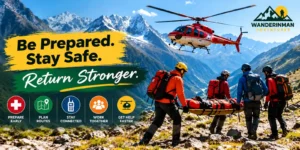
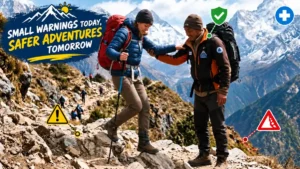
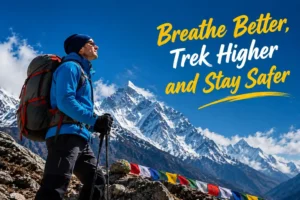
As adventure tourism expands, adventure sports safety in India will become increasingly important. Participants are becoming more informed and are likely to ask questions about equipment, guides, emergency procedures, weather monitoring, first aid and evacuation arrangements.
Professional adventure operators can differentiate themselves through:
- Trained and experienced adventure leaders
- Appropriate safety equipment
- Weather and route assessment
- Emergency communication systems
- First-aid preparedness
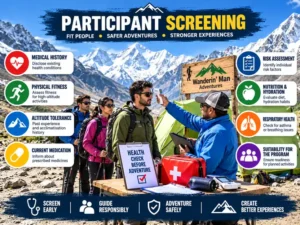
- Participant fitness screening
- Clearly defined operating procedures
- Appropriate group sizes
The future belongs not simply to operators offering more adventure, but to those offering better-managed adventure.
Sustainable Adventure Tourism Will Matter More
The growth of adventure tourism brings responsibility. Fragile mountains, forests, rivers and wildlife habitats cannot absorb unlimited tourism without consequences. The concept of sustainable adventure tourism in India will therefore become increasingly important. Future adventure operators will need to focus on responsible waste management, reduced plastic use, conservation awareness, local employment and respect for communities and ecosystems.
The goal should be simple: leave the destination as beautiful—or better—than we found it.
New Destinations Will Enter the Adventure Map
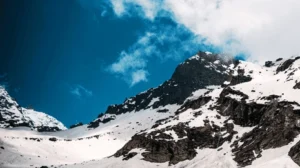
India’s adventure tourism potential extends far beyond established destinations. Emerging destinations across the Northeast, Himalayan states, Western Ghats, central India and coastal regions can provide opportunities for new adventure experiences. This geographic expansion could distribute tourism benefits more widely while reducing pressure on heavily visited destinations. Activities such as mountain biking, canyoning, kayaking, trail running, rock climbing, multi-day expeditions and nature-based challenges could gain greater popularity as infrastructure and professional expertise develop.
The Human Element Will Remain Irreplaceable
Technology can improve adventure experiences, but it cannot replace human leadership. An experienced guide understands changing weather, terrain, group dynamics and individual confidence. A good instructor knows when to challenge a participant and when to slow down. This human element will remain central to transformational adventure experiences.
The best future adventure programs will therefore combine technology, professional expertise and human connection.
How Travellers Can Prepare for the Future
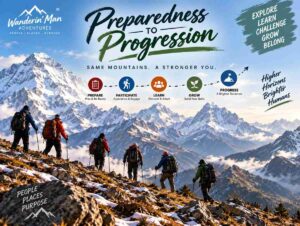
Adventure enthusiasts do not need to wait for the next generation of technology. They can begin preparing today. Start by developing basic fitness, learning outdoor skills and choosing activities appropriate to your experience level. Research operators carefully and understand their safety standards. For beginners, start with accessible activities such as short treks, camping, cycling or guided rafting before progressing toward technically demanding adventures. Most importantly, approach adventure with curiosity rather than ego. The objective is not simply to conquer a mountain or complete an extreme activity. It is to learn, grow and return safely with a meaningful experience.
What the Future Holds for Adventure Sports in India
The future of adventure sports in India is likely to be more inclusive, technology-enabled, sustainable and experience-driven. The industry will increasingly bring together adventure tourism, experiential learning, wellness, technology, sustainability and personal transformation. The biggest opportunity may not be in making adventure more extreme. It may be in making meaningful adventure available to more people while maintaining high standards of safety and environmental responsibility. India has the landscapes, communities and cultural diversity to become a major global adventure destination. The next stage will depend on how responsibly the industry transforms that potential into unforgettable experiences.
Adventure is no longer just about seeking a thrill. It is about discovering what you are capable of becoming.