Essential Item Kit for Experienced Trekkers: for emergency support
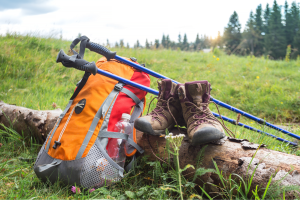
An Essential Item Kit for Experienced Trekkers is more than a collection of equipment—it is a practical emergency support system designed to help trekkers respond to unexpected situations on the trail. Even experienced hikers can encounter sudden weather changes, minor injuries, navigation difficulties, equipment failure or an unplanned overnight stay. Carrying the right trekking essentials helps you prepare for these situations without unnecessarily increasing the weight of your backpack. Experienced trekkers understand Experienced trekkers understand that preparation is not about carrying the heaviest backpack. It is about carrying the right trekking essentials for the right situation. Even a familiar trail can present unexpected challenges such as sudden weather changes, minor injuries, navigation problems, equipment failure or an unplanned overnight stay. A properly prepared trekking emergency kit can provide valuable support when normal plans change. The objective is simple: prepare for the unexpected while keeping your pack practical and manageable.
Why Experienced Trekkers Still Need an Emergency Kit
Experience improves decision-making, but it cannot control weather, terrain or unforeseen incidents. A well-planned emergency kit gives trekkers additional options when circumstances become difficult. The internationally recognized Ten Essentials approach includes systems covering navigation, illumination, first aid, shelter, hydration, nutrition, insulation and repair equipment. The exact contents should be adapted to the terrain, duration, weather and remoteness of the trek. For experienced hikers, emergency preparation is therefore less about following a rigid checklist and more about understanding what could realistically go wrong on a particular route.
Navigation and Communication Equipment
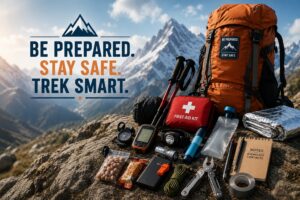
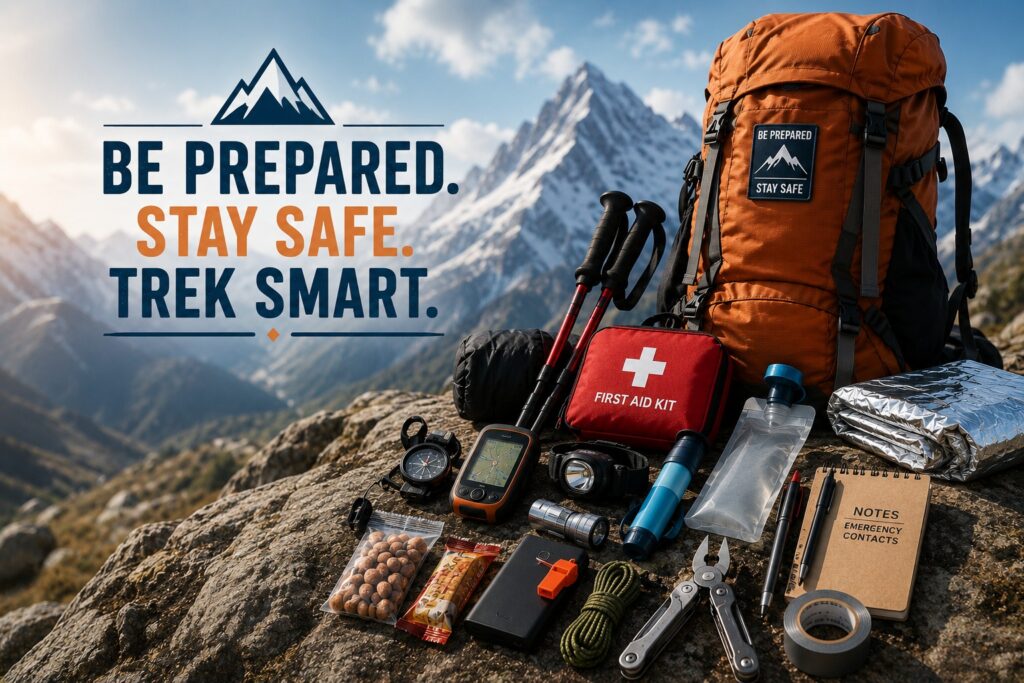
Navigation problems can turn a routine trek into an emergency. Experienced trekkers should avoid depending entirely on a smartphone because batteries can run out and network coverage can disappear. A practical navigation and communication system can include:
- Topographic or trail map
- Compass
- GPS device or offline navigation application
- Fully charged mobile phone
- Power bank and charging cable
- Emergency whistle
- Satellite communicator or personal locator beacon for suitably remote routes
Knowing how to use the equipment is as important as carrying it. A compass is of little value if you have never practised navigation with it.
First Aid and Personal Medical Supplies
A first aid kit for trekking should reflect the route, group size, duration and activities involved.
Useful supplies may include:
- Adhesive bandages
- Sterile gauze
- Medical tape
- Wound-cleaning supplies
- Blister treatment
- Elastic bandage
- Disposable gloves
- Tweezers and small scissors
- Appropriate basic medicines
- Personal prescription medication
A first-aid kit should not simply be purchased and forgotten. Check it before every expedition and replace used or expired supplies. Most importantly, experienced trekkers should understand how to use the equipment they carry.
Emergency Shelter and Weather Protection
Mountain weather can change rapidly. Rain, wind, cold temperatures or an unexpected delay can create exposure risks even for experienced hikers. An emergency shelter system may include:
- Emergency bivy
- Space blanket
- Lightweight tarp
- Waterproof rain shell
- Warm insulating layer
- Gloves and warm hat
- Spare dry socks
- Waterproof storage bags
Your clothing should be selected according to the conditions you may encounter rather than only the weather at the starting point. A lightweight emergency shelter can become particularly important if an injury or route problem prevents you from reaching camp before darkness.
Illumination: Never Depend Only on Daylight
A trek that takes longer than expected can quickly become a night journey. Carry a reliable headlamp with spare batteries even when you expect to finish during daylight. A headlamp keeps both hands free for walking, treating an injury or establishing an emergency shelter. A compact backup light is useful for longer or remote routes. Your smartphone flashlight should generally be treated as a backup rather than your primary source of illumination.
Food, Water and Water Treatment
Emergency preparedness also means being prepared for delays. Carry enough drinking water for the planned route, together with additional capacity when conditions demand it. If reliable water sources are available along the route, a suitable filtration or purification method can provide an additional safety option.
Compact, energy-dense foods can include:
- Nuts and trail mix
- Energy bars
- Dry fruits
- High-energy snacks
- Ready-to-eat food
- Suitable electrolyte products
Do not assume that a known water source will always be accessible. Seasonal changes, contamination, weather and route diversions can affect water availability.
Repair Kit and Multi-Purpose Tools
Equipment failure rarely happens at a convenient location. A small trekking repair kit can help with temporary repairs to backpacks, trekking poles, clothing and other equipment.
Consider carrying:
- Compact multi-tool
- Strong repair tape
- Cord
- Spare straps or buckles
- Cable ties
- Small scissors
- Footwear repair material
- Equipment-specific repair items
The purpose is not to carry an entire toolbox. The goal is to have enough equipment to make a temporary repair that allows you to continue safely or reach assistance.
Fire and Emergency Signalling
Depending on local regulations and environmental conditions, a waterproof lighter or suitable fire-starting method may be useful as an emergency backup. Never create a fire where it is prohibited or where conditions make it unsafe. For signalling, a whistle and signal mirror can be valuable because they are lightweight and can help attract attention. Bright clothing or equipment may also improve visibility to rescuers.
Personal Protection and Hygiene
Small items can prevent minor problems from becoming major discomforts during a long trek.
Depending on the destination, consider:
- Sunscreen
- Sunglasses
- Insect repellent
- Hand sanitizer
- Personal hygiene supplies
- Toilet paper
- Small waste bags
- Lip balm
- Spare gloves
The contents should change according to the environment. A Himalayan trek, forest expedition and hot-weather trail will require different combinations of protective equipment.
Build Your Emergency Kit Around the Trek
There is no universal emergency trekking gear checklist that works perfectly for every expedition.
Before packing, ask four questions:
Where am I going?
Consider altitude, terrain, remoteness and expected weather.
How long will I be out?
A day hike and a multi-day expedition have different emergency requirements.
How far am I from assistance?
Remote routes may justify additional communication and emergency shelter equipment.
What could realistically go wrong?
Think about falls, blisters, navigation errors, weather delays, darkness, dehydration and equipment failure.
This approach turns a generic hiking checklist into a route-specific trekking safety system.
How Experienced Trekkers Should Organize the Emergency Kit
Emergency equipment is most useful when it can be found quickly.
Organize your backpack so frequently needed items are accessible and sensitive equipment is protected from moisture. A practical arrangement could be:
- Quick-access pouch: whistle, headlamp and rain protection
- First-aid pouch: medical supplies and personal medication
- Navigation pouch: map, compass and GPS backup
- Emergency pouch: shelter, signalling and fire-starting equipment
- Food and hydration: easily accessible and protected
- Repair pouch: multi-tool, tape and repair materials
Check the kit before every trek. Test batteries, inspect medicines, verify water-treatment equipment and replace damaged supplies.
The Experienced Trekker’s Golden Rule
The best emergency kit is not necessarily the biggest or most expensive one. It is the kit that you understand, test and know how to use. Practise using your compass. Test your water filter. Check your headlamp. Open your emergency shelter before you need it. Understand the contents of your first-aid kit. Preparation turns a collection of trekking equipment into a practical emergency support system.
Practical Experience Matters in Trekking Safety
At Wanderin’ Man Adventures, trekking preparation is approached as an operational responsibility rather than simply a packing exercise. Our Himalayan adventure programmes involve planning around terrain, weather, group requirements, route conditions and emergency preparedness. Experienced trekking teams need to consider not only what participants carry, but also how equipment, communication, first aid, leadership and contingency planning work together during an expedition. This practical approach helps turn a general trekking safety checklist into a preparation system suited to the specific route and group. For trekkers, the important lesson is straightforward: good preparation begins before the trail begins.
Final Thoughts
An essential item kit for experienced trekkers should combine navigation, communication, first aid, emergency shelter, illumination, hydration, nutrition, weather protection and repair capability. Experienced trekkers know that responsible adventure does not mean eliminating every risk. It means understanding potential risks and preparing appropriately. Before your next expedition, check more than your route. Check your emergency kit, test your equipment and prepare for the unexpected.
Prepare for Your Next Adventure with Wanderin’ Man Adventures
A successful trek begins long before the first step on the trail. Route planning, appropriate equipment, trained leadership, weather awareness and emergency preparedness all contribute to a safer and more organized adventure. If you are planning a Himalayan trek, school adventure programme, trekking expedition or customized outdoor experience, explore the programmes offered by Wanderin’ Man Adventures and discuss the requirements of your route and group with an experienced adventure team.
Plan responsibly. Prepare thoroughly. Explore confidently.