Student-to-Instructor Ratios in Adventure Camps: Why They Matter
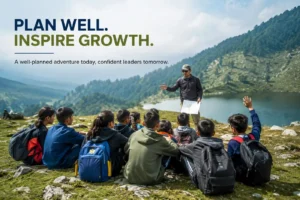
Student-to-Instructor Ratios in Adventure Camps: Why They Matter is an important consideration when planning safe, engaging, and educational outdoor experiences for students. Adventure activities such as trekking, rock climbing, river rafting, and camping involve varying levels of risk, requiring appropriate supervision and professional guidance. Maintaining an effective student-to-instructor ratio helps ensure individual attention, timely risk identification, better communication, and efficient emergency response. For schools and adventure camp organisers, choosing the right ratio is essential to creating a safe and supportive environment where students can develop confidence, teamwork, leadership, and problem-solving skills while enjoying meaningful outdoor learning experiences.dventure camps offer students opportunities to build confidence, develop teamwork, overcome challenges and connect with nature. However, successful outdoor learning depends on more than exciting activities and beautiful destinations. It also requires effective supervision, competent instructors and appropriate group sizes.
Student-to-instructor ratios in adventure camps play a crucial role in determining how safely and effectively these experiences are delivered. Whether students are trekking through mountain trails, learning rock climbing, participating in kayaking or navigating an outdoor obstacle course, the number of students assigned to each instructor can influence safety, engagement and learning outcomes. Understanding these ratios helps schools, parents and adventure camp organisers make informed decisions and create more responsible outdoor learning experiences.
What Are Student-to-Instructor Ratios in Adventure Camps?
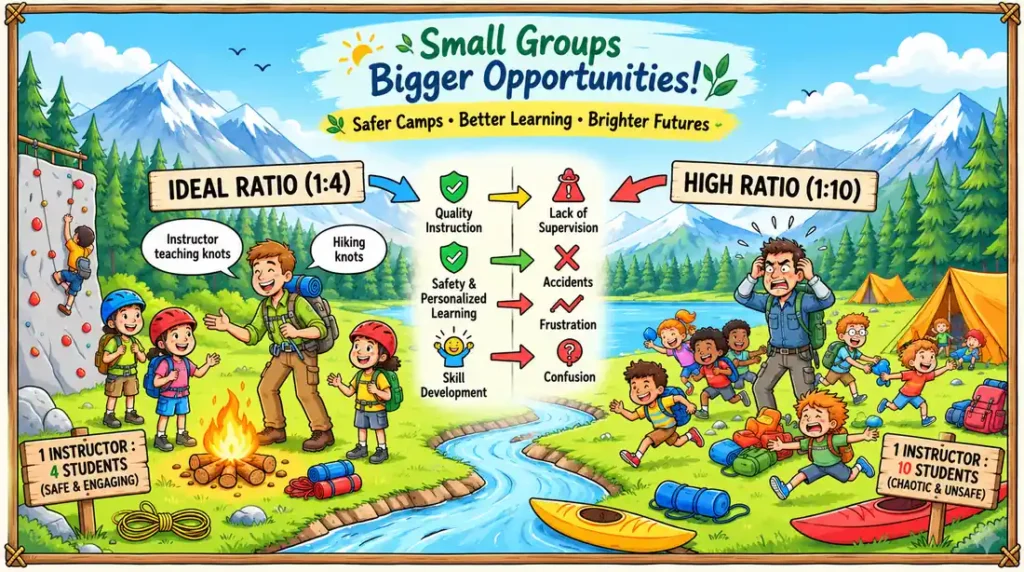
A student-to-instructor ratio refers to the number of students supervised by one instructor during an activity. For example, a ratio of 1:6 means one instructor is responsible for supervising six students. However, an appropriate ratio depends on several factors, including the activity, participants’ age and experience, environmental conditions, instructor qualifications and the availability of additional support staff.
A supervised nature walk on an established trail may require a different staffing arrangement from technical rock climbing, river kayaking or high-altitude trekking. Importantly, there is no single ratio suitable for every adventure activity. Camp organisers should follow applicable regulations, activity-specific standards and established safety guidance when determining staffing requirements.
Why Student-to-Instructor Ratios Matter for Adventure Camp Safety
Safety is one of the most important reasons for establishing appropriate supervision ratios. Outdoor environments can change quickly, and instructors must remain alert to potential hazards while supporting participants.
1. Better Supervision and Risk Management
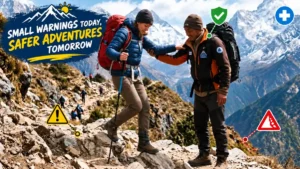
Smaller, appropriately staffed groups allow instructors to observe participants more closely, identify unsafe behaviour and respond to developing risks. During activities such as trekking, climbing and kayaking, instructors may need to monitor equipment use, changing weather, fatigue and participants’ reactions to challenging situations. A manageable group size can make it easier to recognise warning signs and implement emergency procedures promptly.
2. Faster Emergency Response
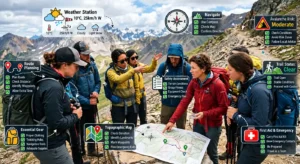
Adventure activities sometimes involve unexpected injuries, equipment problems or environmental emergencies. An effective staffing plan ensures that participants can receive assistance without leaving the remaining group inadequately supervised. Organisers should consider not only the number of students per instructor but also rescue arrangements, communication systems, evacuation routes and access to qualified first aid support.
3. Greater Individual Attention
Students have different fitness levels, confidence, learning speeds and previous outdoor experiences. Appropriate ratios give instructors more opportunities to check understanding, correct techniques and identify participants who need additional assistance. This is particularly important for beginners and students who may feel anxious about unfamiliar activities.
How Ratios Influence Student Learning and Personal Development
Adventure education is not simply about completing an activity. It is also about developing practical skills, independence, communication and resilience.
Improved Skill Development
In activities such as navigation, climbing and paddling, students benefit from demonstrations, individual feedback and repeated practice. When instructors manage groups effectively, participants have more opportunities to learn correct techniques and build competence.
Increased Confidence and Participation
Students may hesitate to ask questions or attempt unfamiliar challenges in large groups. Appropriate supervision encourages communication and helps instructors provide reassurance without removing the challenge that makes adventure learning valuable.
Stronger Teamwork and Leadership
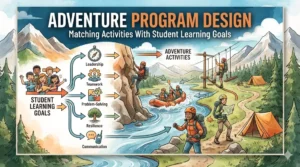
Smaller groups can encourage students to take responsibility, communicate clearly and support their peers. Instructors can observe group dynamics and guide students through collaborative problem-solving exercises.
Factors to Consider When Deciding Adventure Camp Ratios
Choosing an appropriate student-to-instructor ratio requires a structured assessment rather than relying on a fixed number.
- Activity risk: Technical climbing, white-water kayaking and remote trekking may require more intensive supervision than low-risk introductory activities.
- Age and experience: Younger children and beginners may need closer guidance than experienced participants.
- Group size and behaviour: Larger groups, mixed abilities or participants requiring additional assistance can increase supervision demands.
- Terrain and weather: Steep trails, poor visibility, strong currents and changing weather can make supervision more complex.
- Instructor competence: Qualifications, activity-specific experience, first aid training and rescue skills influence safe staffing arrangements.
- Emergency preparedness: Organisers must consider whether instructors can supervise the group while another staff member assists an injured participant.
The objective is not simply to achieve a low numerical ratio. It is to ensure that the staffing arrangement is appropriate for the actual risks and learning requirements.
Recommended Approach to Ratios Across Different Adventure Activities
Different activities create different supervision challenges. The following table provides a planning framework, not mandatory or universally safe staffing limits.
| Activity | Key supervision consideration |
|---|---|
| Nature walks and easy hikes | Trail conditions, participant age and group control |
| Rock climbing | Technical qualifications, belay supervision and rescue arrangements |
| Kayaking and canoeing | Water conditions, swimming ability and rescue capability |
| Camping and outdoor living | Night-time supervision, safeguarding and emergency access |
| Navigation and team challenges | Group dynamics, boundaries and participant independence |
Adventure camp organisers should determine actual staffing levels using applicable rules, recognised activity standards, site-specific risk assessments and competent professional advice. Additional instructors, assistants or specialist support may be necessary.
Common Mistakes to Avoid When Planning Ratios
Even well-organised camps can overlook important supervision requirements.
- Using the Same Ratio for Every Activity: Different environments and hazards require different staffing arrangements.
- Counting All Staff as Qualified Instructors: General helpers may not possess the technical competence needed to supervise specialised activities.
- Ignoring Transitions: Equipment fitting, transport, meal breaks, and movement between activity areas also require adequate supervision.
- Overlooking Individual Needs: Medical considerations, accessibility requirements, communication needs, and varying confidence levels may affect staffing arrangements.
- Treating Ratios as a Substitute for Risk Assessment: Appropriate staffing numbers cannot compensate for inadequate training, unsuitable equipment, or poor emergency planning.
Effective planning considers the entire participant journey, from arrival and briefing to activity delivery and departure.
How Adventure Camps Can Improve Their Supervision Planning
Schools and adventure programme organisers can strengthen their approach through a few practical steps.
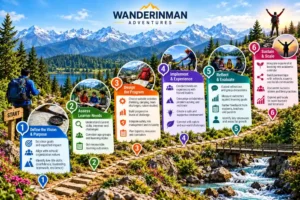
- Assess each activity: Identify hazards, participant needs and environmental conditions before setting staffing levels.
- Assign competent instructors: Match qualifications and experience to the activity being delivered.
- Establish clear responsibilities: Define who leads, supervises, manages emergencies and accounts for participants.
- Prepare contingency plans: Consider injuries, adverse weather, missing participants and instructor unavailability.
- Review after every programme: Record observations, near misses and lessons learned to improve future planning.
This process transforms staffing ratios from a simple numerical requirement into an important part of adventure programme quality.
Wanderinman Adventures: Towards Safer and More Meaningful Outdoor Learning
At Wanderinman Adventures, the long-term vision is to support outdoor learning experiences that balance adventure, personal development and responsible safety practices. Developing well-structured programmes requires an understanding of participant needs, appropriate instructor deployment, activity-specific risk assessment and effective emergency planning. Building relationships with qualified outdoor professionals and learning from established adventure education practices can help inform this approach. The aim is to encourage adventure experiences where students are not merely participants but active learners who develop confidence, resilience, teamwork and respect for the natural environment.
Conclusion: The Right Ratio Makes a Difference
Student-to-instructor ratios in adventure camps are fundamental to effective supervision, risk management and meaningful outdoor education. Appropriate staffing helps instructors respond to individual needs, support skill development and prepare for unexpected situations. However, the best ratio is never determined by numbers alone. It must reflect the activity, participants, environment, instructor competence and emergency arrangements. For schools, parents and programme organisers, asking how supervision ratios are decided is an important step towards choosing responsible adventure learning experiences. When thoughtful staffing is combined with qualified instruction and careful planning, adventure camps can become safer, more inclusive and more transformative for every student.