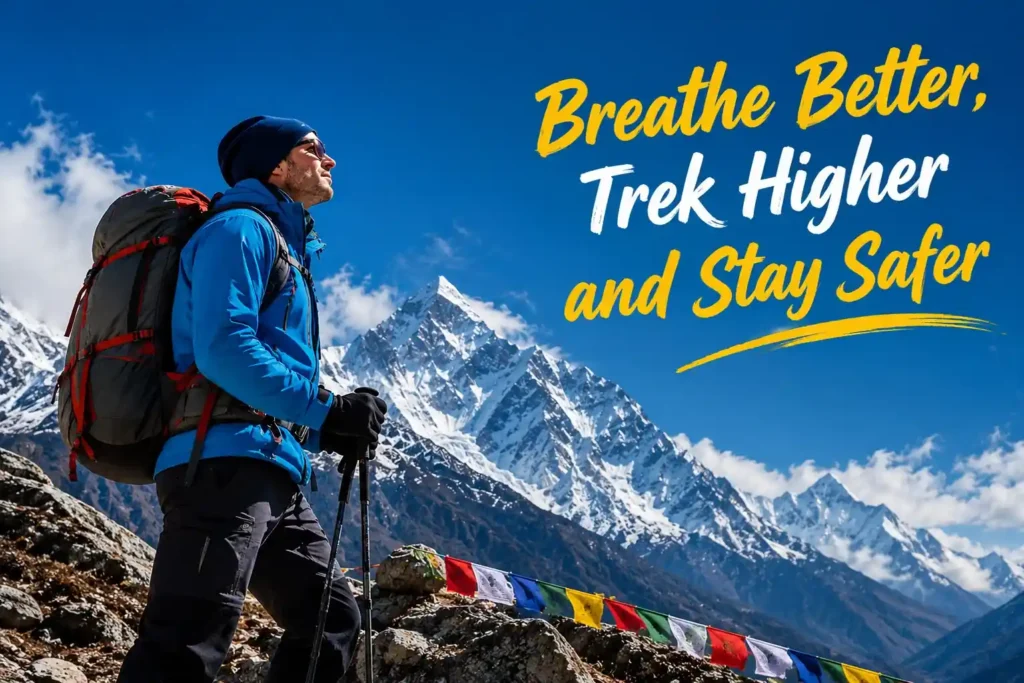
How to Prepare for Acute Mountain Sickness Before a Trek
The Himalayas reward trekkers with breathtaking landscapes, but they also expose you to high altitude, where oxygen levels decrease significantly. If you don’t prepare for acute mountain sickness (AMS), even a fit person can develop symptoms that may ruin the trek or become life-threatening. The good news is that Acute Mountain Sickness is largely preventable. With proper acclimatization, hydration, fitness, nutrition, and awareness, you can safely enjoy your mountain adventure. This guide explains exactly how to prepare for Acute Mountain Sickness before and during your trek.
What Is Acute Mountain Sickness?
Acute Mountain Sickness (AMS) is the body’s response to reduced oxygen availability at high altitude, usually above 2,500 meters (8,200 feet). As elevation increases, air pressure drops, making it harder for your body to absorb oxygen.
Common symptoms include:
- Persistent headache
- Nausea or vomiting
- Fatigue and weakness
- Loss of appetite
- Dizziness
- Difficulty sleeping
- Shortness of breath during mild activity
Ignoring these warning signs may lead to serious altitude illnesses such as High Altitude Pulmonary Edema (HAPE) or High Altitude Cerebral Edema (HACE).
Why You Should Prepare for Acute Mountain Sickness Before Your Trek
Preparing in advance gives your body the best chance to adapt to altitude. It also reduces the risk of evacuation, medical emergencies, and abandoning your trek midway. Proper preparation helps you:
- Improve oxygen efficiency
- Adapt gradually to thinner air
- Maintain energy levels
- Reduce AMS symptoms
- Enjoy trekking safely and confidently
Remember, AMS does not discriminate. Age, fitness, or previous trekking experience cannot guarantee immunity.
How to Prepare for Acute Mountain Sickness Before Leaving Home
Build Your Cardiovascular Fitness
Strong lungs and a healthy heart improve endurance, although they cannot prevent AMS completely.
Include:
- Brisk walking
- Stair climbing
- Running
- Cycling
- Swimming
Aim for 30–45 minutes of exercise at least five days a week for several weeks before your trek.
Train With a Loaded Backpack
Your trekking muscles should be accustomed to carrying weight. Practice hiking with the same backpack weight you’ll carry on the trail to improve stamina and reduce fatigue.
Maintain Proper Hydration
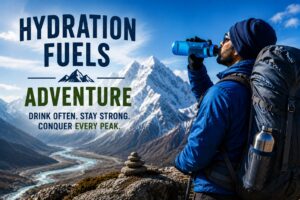
Hydration plays an important role in altitude adaptation. Drink water consistently before your trek rather than suddenly increasing intake just before departure. Signs of dehydration often resemble AMS symptoms, making diagnosis difficult.
Eat a Balanced Diet
A nutritious diet helps your body perform efficiently at altitude.
Prioritize:
- Whole grains
- Fruits
- Vegetables
- Lean protein
- Healthy fats
- Complex carbohydrates
Avoid excessive junk food and heavy meals before your expedition.
Acclimatization Is the Best Way to Prevent Acute Mountain Sickness
Ascend Gradually
The golden rule of high-altitude trekking is:
Climb high, sleep low whenever possible.
Avoid gaining sleeping altitude too quickly.
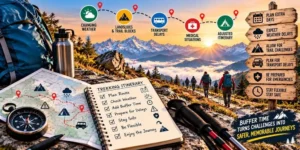
Once above 3,000 meters, try not to increase your sleeping altitude by more than 300–500 meters per day.
Include Rest and Acclimatization Days
Many successful Himalayan itineraries include dedicated acclimatization days. These rest days allow your body to produce more red blood cells and improve oxygen delivery. Skipping acclimatization days increases AMS risk dramatically.
Walk at a Comfortable Pace
Don’t race to the campsite. A slow, steady pace conserves energy and allows your body to adjust naturally. Remember: “The mountain isn’t going anywhere.”
Nutrition Tips to Prepare for Acute Mountain Sickness
Eat More Carbohydrates at High Altitude
Carbohydrates require less oxygen to metabolize compared to fats.
Good choices include:
- Rice
- Oats
- Potatoes
- Chapati
- Pasta
- Fruits
These foods help maintain energy during long trekking days.
Avoid Alcohol and Smoking
Alcohol reduces breathing efficiency and contributes to dehydration. Smoking further decreases oxygen availability. Avoid both before and throughout your trek to reduce AMS risk.
Limit Sleeping Pills
Many sleeping medications suppress breathing, making altitude adaptation more difficult. Instead, maintain a regular sleep routine and stay hydrated.
Medicines That May Help Prevent Acute Mountain Sickness
Should You Carry Diamox?
Acetazolamide (Diamox) is commonly prescribed to help prevent AMS by speeding up acclimatization.
However:
- Use only under medical advice.
- Understand the correct dosage.
- Check for allergies, especially to sulfa medications.
- Never rely on medicine instead of proper acclimatization.
Your doctor should decide whether preventive medication is appropriate for you.
Recognize the Early Symptoms of Acute Mountain Sickness
Early recognition prevents serious complications. Watch for:
- Headache
- Loss of appetite
- Fatigue
- Dizziness
- Poor sleep
- Nausea
- Mild breathlessness
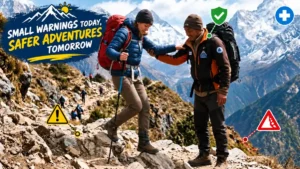
Never ignore persistent symptoms.
What Should You Do If AMS Symptoms Appear?
If symptoms remain mild:
- Stop ascending.
- Rest at the same altitude.
- Drink fluids.
- Eat light meals.
- Monitor symptoms closely.
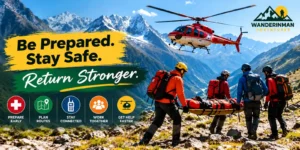
If symptoms worsen:
- Descend immediately.
- Inform your trek leader.
- Seek medical assistance.
- Use supplemental oxygen if available.
Never continue climbing while symptoms are getting worse.
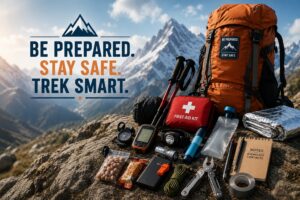
Essential Gear That Helps You Prepare for Acute Mountain Sickness
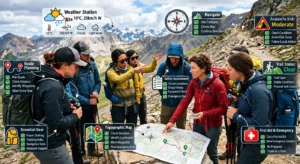
Carry these essentials:
- Water bottles or hydration bladder
- Electrolyte packets
- First-aid kit
- Personal medications
- Pulse oximeter (optional)
- Sunscreen
- Warm clothing
- Energy snacks
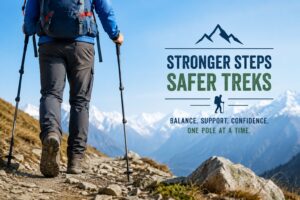
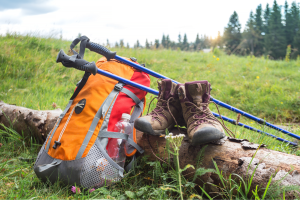
- Trekking poles
Proper gear supports overall safety and reduces unnecessary physical stress.
Common Mistakes That Increase the Risk of Acute Mountain Sickness
Avoid these common errors:
- Climbing too quickly
- Skipping acclimatization days
- Ignoring headaches
- Drinking alcohol
- Smoking
- Poor hydration
- Overexertion
- Sleeping immediately after reaching a high campsite
- Depending only on medication
Small mistakes at altitude can become serious emergencies.
Final Thoughts on How to Prepare for Acute Mountain Sickness
Preparing for Acute Mountain Sickness is about respecting the mountains and understanding how your body responds to altitude. No medication, gadget, or fitness level can replace gradual acclimatization and smart trekking habits. Train before your trek, stay hydrated, eat well, ascend slowly, and listen to your body. If symptoms appear, act early rather than pushing forward. A successful Himalayan trek isn’t about reaching the summit quickly—it’s about returning safely with unforgettable memories. Planning Your Next Himalayan Trek? Prepare Before You Climb Ready for Your Next Himalayan Adventure?
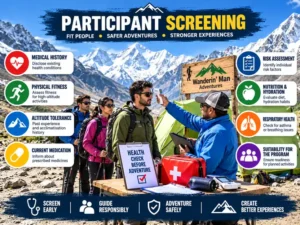
A Himalayan trek is more than reaching a summit or completing a trail—it is about preparing properly, understanding the mountain environment and knowing how to respond when conditions change. Before you set out, take time to understand acute mountain sickness, acclimatization, hydration, nutrition, pacing and essential trekking safety practices. Good preparation can help you make informed decisions throughout your journey and recognise when it is time to slow down, rest or seek professional assistance.
Choose a Trek That Matches Your Experience
Every trek is different. Altitude, terrain, duration, weather and daily walking requirements can vary considerably, so choosing an adventure that matches your fitness, trekking experience and preparation level is an important part of responsible planning. At Wanderin’ Man Adventures, we create trekking and adventure experiences for people who want to explore the outdoors while learning, preparing and experiencing the mountains responsibly. Whether you are planning your first Himalayan trek, returning to the mountains or looking for a more challenging adventure, start by understanding what the journey requires.
Prepare Before You Climb
Before your trek:
- Understand the route and altitude profile.
- Build appropriate physical fitness before departure.
- Allow adequate time for acclimatization.
- Carry suitable clothing, footwear and essential equipment.
- Learn the early signs and symptoms of altitude illness.
- Follow the guidance of qualified trek leaders and local professionals.
- Never ignore worsening symptoms at altitude.
The best adventure begins with preparation.
Start Exploring with Wanderin’ Man Adventures
Ready to plan your next mountain experience?
Explore Wanderin’ Man Adventures’ trekking and adventure programmes and discover routes and experiences suited to your interests, experience and adventure goals. From trekking and mountaineering to camping, cycling, skiing, rafting and experiential outdoor programmes, choose an adventure that gives you the opportunity to explore, learn and grow through the outdoors.
Prepare well. Choose wisely. Trek responsibly. Experience the Himalayas with Wanderin’ Man Adventures.
Medical Disclaimer: This article provides general educational information about acute mountain sickness and is not a substitute for medical diagnosis or treatment. People planning high-altitude travel, particularly those with existing medical conditions or taking prescription medicines, should discuss their plans with a qualified healthcare professional. If serious altitude-illness symptoms develop, seek immediate medical assistance and descend as appropriate under professional guidance.