Adventure Program Design: Matching Activities With Student Learning
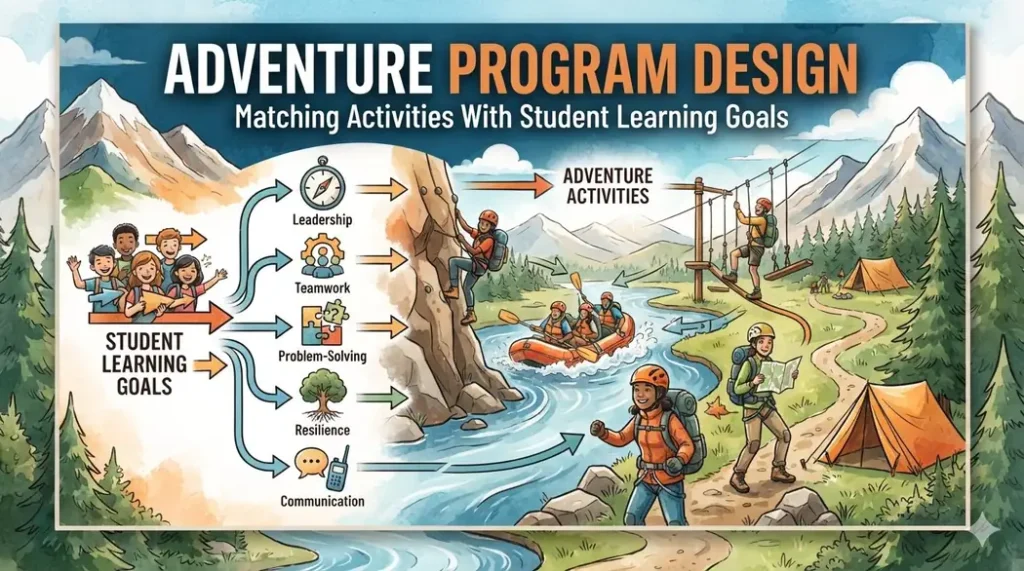
What makes a school adventure program educational rather than simply recreational? The answer lies in its design. A well-planned school adventure program design connects outdoor activities with specific learning objectives, helping students practise teamwork, leadership, resilience, communication and problem-solving in real-world situations. From school-based adventure camps to Himalayan trekking expeditions, the value of an experience depends on how well the activities match students’ developmental needs and educational goals. Schools need more than an exciting itinerary; they need a structured approach that combines purposeful challenges, appropriate supervision, inclusive participation and meaningful assessment. At Wanderin’ Man Adventures, this approach can help schools turn outdoor experiences into purposeful opportunities for personal and social development.
Why Should Adventure Activities Match Learning Goals?
Outdoor experiential learning gives students opportunities to practise skills that are difficult to develop through explanation alone. However, participation does not automatically demonstrate learning. For example, completing a trek does not necessarily demonstrate leadership. Observing how a student supports teammates, manages responsibilities and responds to setbacks provides more meaningful evidence. Clear learning objectives help schools:
- Connect adventure activities with educational priorities.
- Develop communication, collaboration and independent thinking.
- Create age-appropriate challenges that encourage confidence.
- Observe student behaviour and assess progress.
- Help students transfer lessons from outdoor experiences into everyday life.
This approach complements the emphasis on experiential and competency-based learning in India’s National Education Policy 2020 and the CBSE Experiential Learning Handbook.
How to Match Adventure Activities With Student Learning Goals
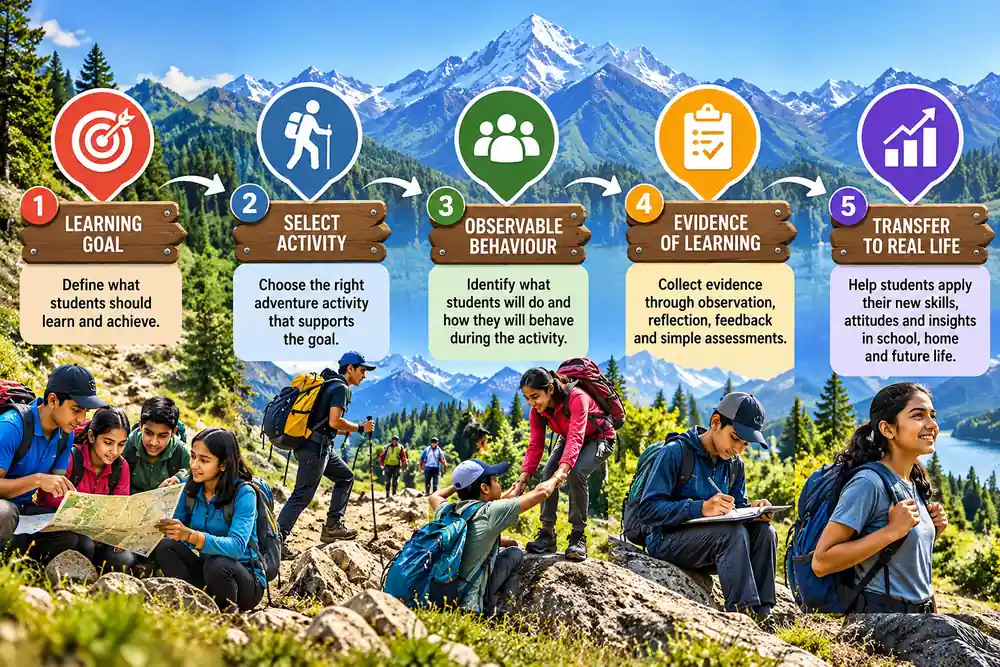
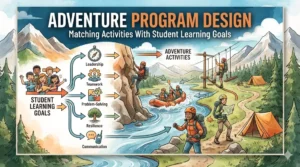
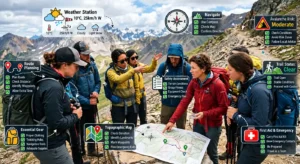
Schools should select activities according to the skills students need to practise, their age and ability, the available environment and the risks involved.
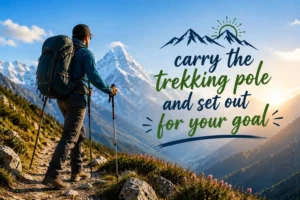
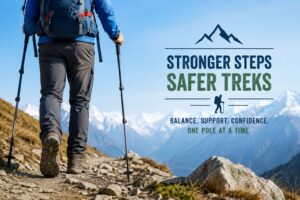
1. Trekking for Teamwork and Resilience
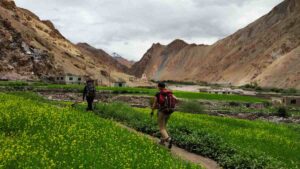
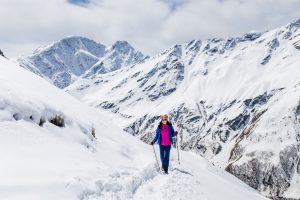
Activity: A supervised trail walk with shared group responsibilities. Learning goal: Cooperation, perseverance and responsible decision-making. Observable behaviour: Students maintain agreed group procedures, communicate difficulties and support peers appropriately. Assessment: Facilitator observations and a short reflection journal.
2. Rock Climbing for Confidence and Problem-Solving
Activity: An instructor-led climbing session using suitable equipment and safety procedures. Learning goal: Concentration, confidence and step-by-step problem-solving. Observable behaviour: Students follow instructions, consider their next move and communicate when assistance is required. Assessment: An instructor checklist focused on safe participation, decision-making and reflection—not climbing performance alone.
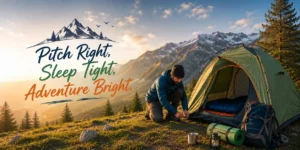
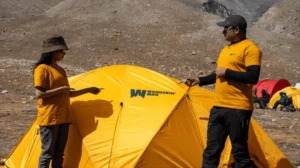
3. Camping for Independence and Responsibility
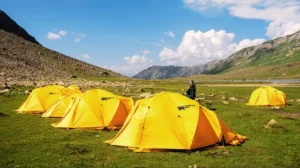
Activity: Organising personal equipment and completing supervised campsite tasks. Learning goal: Planning, accountability and practical life skills. Observable behaviour: Students manage assigned responsibilities, cooperate with others and follow campsite rules. Assessment: A task-completion checklist and peer feedback.
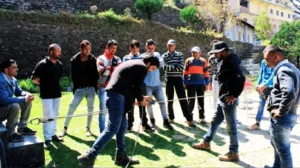
4. Group Challenges for Leadership and Communication
Activity: A team task that requires participants to allocate roles, develop a plan and solve a problem. Learning goal: Leadership, listening and collaboration. Observable behaviour: Students invite ideas, explain decisions and adjust their approach when necessary. Assessment: A teamwork rubric and facilitator feedback. Schools can explore Wanderin’ Man’s school adventure programs to understand the range of campus-based and outdoor experiences that can be considered when planning a suitable program.
A Practical Learning-Design Model: From Goal to Evidence
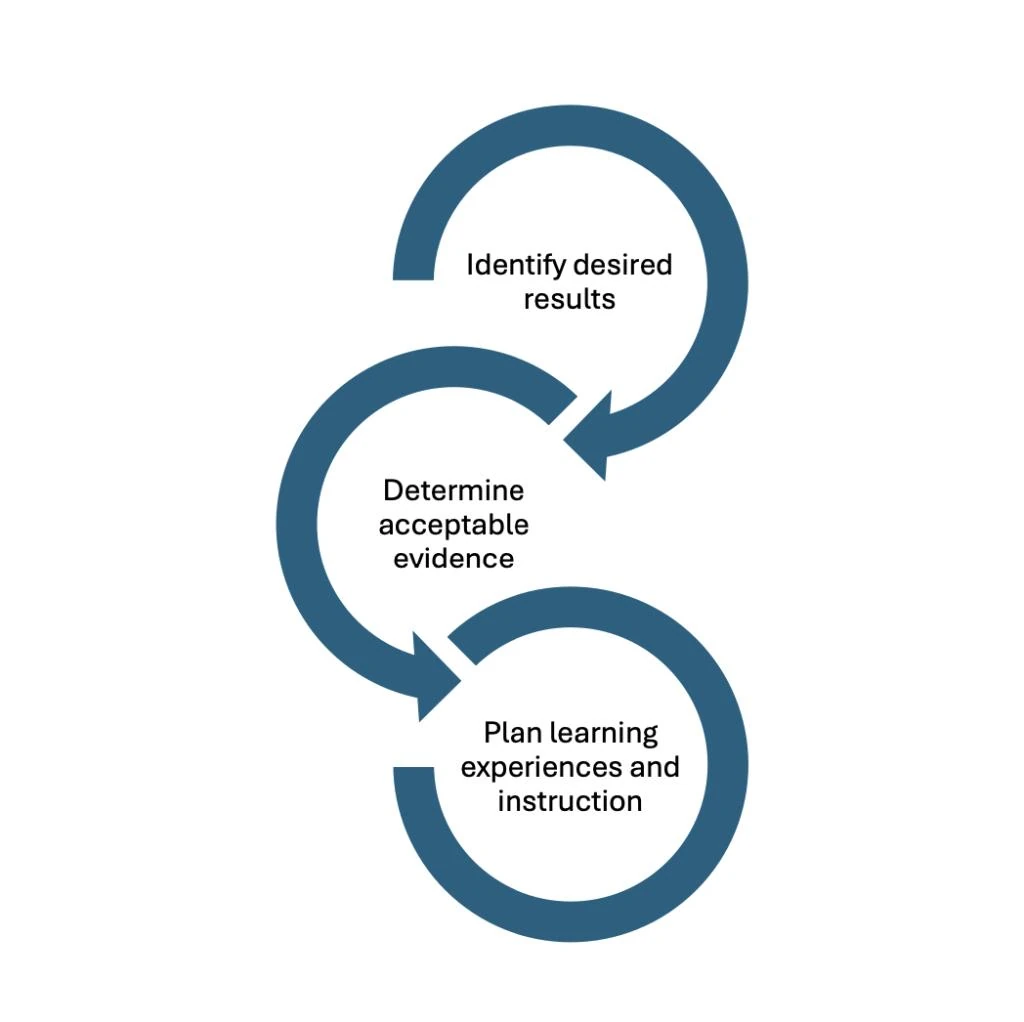
An effective adventure program should follow a clear sequence rather than choosing activities first and deciding their educational value afterwards.
The Learning Alignment Model
A practical model for school coordinators and adventure program planners.
1 Learning objective
Define the skill students should demonstrate.
2 Activity selection
Choose an appropriate challenge that creates an opportunity to practise the skill.
3 Observable behaviour
Identify what successful participation looks like.
4 Evidence and assessment
Collect observations, student reflections and feedback.
5 Transfer of learning
Ask students how they can apply the skill in school or daily life.
Example: Designing a Teamwork Challenge
Suppose a school wants students to improve collaboration. The program designer selects a supervised group problem-solving activity. Students must listen to different ideas, allocate roles and agree on a solution. The facilitator observes whether each participant contributes, respects others and helps the team stay organised. Students then complete a brief reflection describing what worked, what could improve and how they might use the same skills during a classroom project. This is an illustrative design example, not a claim about measured results from a specific Wanderin’ Man program.
The Wanderin’ Man Approach
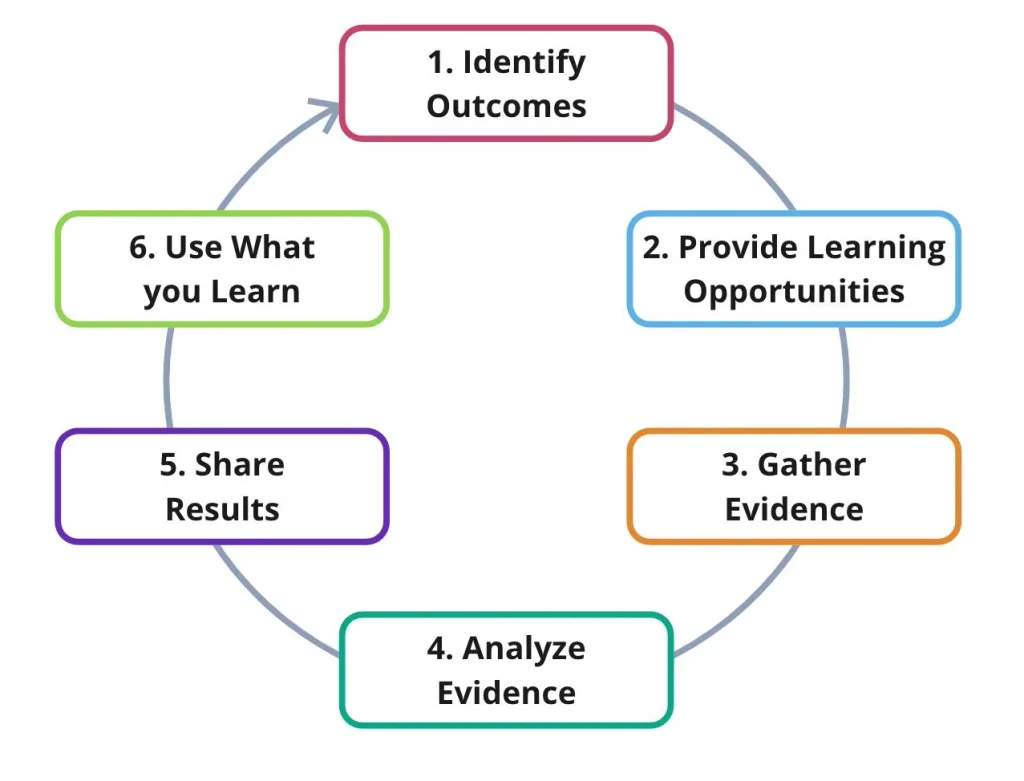
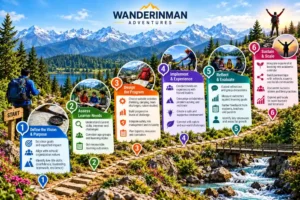
1. Identify Learning Outcomes: Define clear learning objectives aligned with students’ developmental needs, curriculum goals and life skills.
2. Provide Learning Opportunities: Design engaging, hands-on outdoor and adventure activities that encourage experiential learning, teamwork, leadership and problem-solving.
3. Gather Evidence: Observe student participation, behaviour, decision-making, collaboration and responses to real-world challenges.
4. Analyse Evidence: Evaluate students’ progress against the intended learning outcomes and identify strengths, gaps and areas for improvement.
5. Share Results: Communicate learning outcomes and progress with students, teachers and parents through structured feedback, observations and assessments.
6. Use What You Learn: Apply insights to improve future adventure programmes, personalise learning experiences and strengthen students’ life skills.
The Wanderin’ Man philosophy: Plan with purpose. Learn through experience. Measure progress. Improve continuously. This approach complements Wanderin’ Man’s range of school adventure camps and experiential activities. The five-stage framework is a proposed planning model; the actual itinerary, staffing and safety arrangements must be confirmed for each program.
Safety and Inclusion in School Adventure Programs
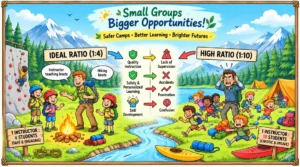
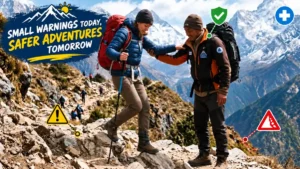
Educational challenge should be appropriate, not unnecessarily risky. Activity selection must account for students’ age, physical abilities, health-related requirements shared for planning, experience, terrain, weather and access to emergency support. A responsible program should include:
- Suitable instructor qualifications, supervision and activity-specific equipment.
- Risk assessments, emergency communication and documented response arrangements.
- Clear instructions, participant briefings and appropriate conduct rules.
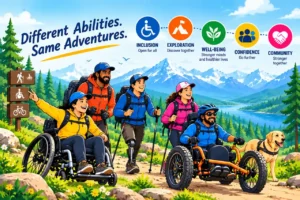
- Accessible alternatives and adjustments for different physical abilities, confidence levels and learning needs.
- A process for communicating relevant requirements with the school and parents.
Inclusion does not mean asking every student to complete the same challenge in the same way. It means providing meaningful opportunities to practise the intended learning goal through an appropriate level of participation. Schools should agree on the specific arrangements with the operator before confirming the program. The Adventure Travel Trade Association’s safety and risk management resources offer additional professional context.
How Can Schools Measure Learning Outcomes?
Schools can use a simple three-point rubric before and after the program. This should capture observed behaviours rather than rely solely on students’ enjoyment or confidence ratings.
| Skill | Emerging | Developing | Demonstrated |
|---|---|---|---|
| Teamwork | Needs frequent prompts to cooperate | Shares tasks with occasional support | Contributes and supports peers consistently |
| Communication | Needs help expressing ideas or listening | Communicates with some prompting | Shares ideas and listens constructively |
| Problem-solving | Needs guidance to consider options | Suggests options with support | Evaluates options and explains a solution |
Teachers and facilitators should use the same criteria where practical. Any before-and-after comparison should be interpreted cautiously: a short adventure program can provide evidence of learning behaviours, but it cannot by itself establish lasting behavioural change. For a broader discussion of assessment and experiential education, read Experiential School Programs for Better Student Learning.
Plan a Purposeful School Adventure With Wanderin’ Man Adventures
A successful school adventure program begins with educational purpose. When schools match activities with clear learning objectives, build challenges progressively, plan for safety and assess observable behaviours, outdoor experiences become more meaningful and easier to evaluate. Wanderin’ Man Adventures works with schools to explore outdoor camps, adventure activities and customised student experiences. Share your student age group, learning priorities, preferred duration and key requirements to discuss a suitable program.
Explore Wanderin’ Man school programs and start planning your next learning adventure.