Alcohol Is Not Good at High Altitude: A Scientific Explanation
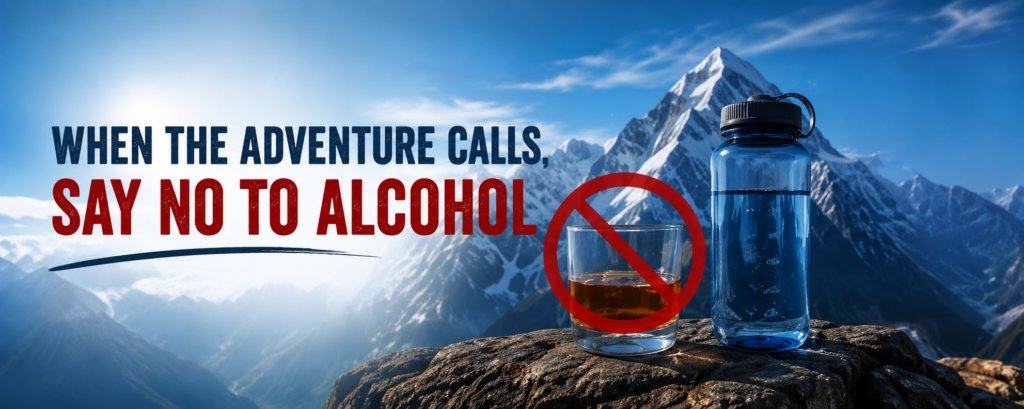
A drink at the end of a trekking day may seem like a harmless way to relax. At high altitude, however, alcohol can introduce additional risks when the body is already adapting to lower oxygen availability, colder conditions, increased physical demands and disrupted sleep. The important point is not simply that alcohol is “bad.” The issue is that alcohol at high altitude can interfere with several processes that trekkers depend on for safe acclimatization and good judgment. The CDC’s current high-altitude travel guidance specifically recommends avoiding alcohol during the first 48 hours after arriving above approximately 2,750 metres (9,000 feet).bUnderstanding why can help trekkers make safer decisions in the mountains.
Why High Altitude Is Different
As altitude increases, atmospheric pressure falls. This means the partial pressure of oxygen also decreases, making less oxygen available to the body with each breath. At approximately 3,050 metres (10,000 feet), the inspired partial pressure of oxygen is only about 69% of the value at sea level. Acute exposure can therefore reduce arterial oxygen saturation. The body responds by increasing breathing and making other physiological adjustments. This process is called acclimatization. High-altitude environments can also involve:
- Lower temperatures
- Dry air and increased respiratory water loss
- Greater physical exertion
- Strong ultraviolet radiation
- Disturbed sleep
- Reduced oxygen availability
- Greater consequences if something goes wrong
This is why a substance that affects the nervous system, hydration, sleep or thermoregulation deserves additional consideration at altitude.
Alcohol and Acclimatization
Acclimatization requires time. The first several days after ascent are particularly important because the body is adjusting to reduced oxygen availability. The CDC recommends gradual ascent and advises avoiding alcohol during the first 48 hours at high altitude. Alcohol does not simply “stop” acclimatization. Rather, drinking can work against some of the conditions that make safe acclimatization easier.
For example, alcohol can affect:
- Sleep quality
- Breathing during sleep
- Alertness
- Hydration
- Exercise performance
- Decision-making
These factors matter because oxygenation is particularly challenging during sleep at high altitude. The CDC notes that hypoxemia is greatest during sleep and advises against respiratory depressants such as alcohol at high altitude.
Practical takeaway: Give your body time to adapt before adding alcohol to the physical and physiological demands of altitude.
Alcohol and Acute Mountain Sickness
Acute Mountain Sickness (AMS) is one of the most common altitude-related problems.
Typical symptoms include:
- Headache
- Dizziness
- Fatigue
- Nausea
- Loss of appetite
- Sometimes vomiting
One important complication is that several symptoms of AMS can resemble an alcohol hangover. The CDC specifically lists alcohol hangover and drug intoxication among conditions that can complicate the assessment of altitude-related symptoms. This creates a practical problem. A trekker who drinks alcohol may wake up with a headache, nausea, fatigue or dizziness and assume that the symptoms are simply due to drinking. At altitude, however, these symptoms may require consideration of AMS or another medical problem. Alcohol should therefore not be used as a way to relax through altitude-related symptoms. If symptoms develop after ascent, trekkers should stop ascending and assess the situation rather than assuming that the symptoms are simply a hangover.
Alcohol and Dehydration
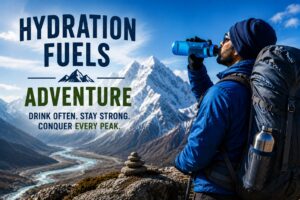
Hydration is important during trekking, but the relationship between alcohol and dehydration deserves some nuance. Alcohol can increase urine production, particularly when consumed in larger quantities, and high-altitude environments can already increase fluid losses through breathing and other mechanisms. Dehydration can become particularly relevant during strenuous activity because significant fluid loss can impair physiological function and exercise performance. However, it would be inaccurate to say that every alcoholic drink automatically causes dangerous dehydration. The practical concern is the combined effect of alcohol, exertion, dry mountain air, inadequate fluid intake and other sources of fluid loss.
Trekkers should therefore prioritize:
- Regular water intake
- Appropriate electrolytes when required
- Adequate food
- Monitoring urine colour and other hydration indicators
- Avoiding excessive alcohol consumption
Alcohol should not be considered a substitute for proper hydration.
Alcohol, Performance and Injury Risk
Trekking requires coordination, balance, concentration and physical endurance. Alcohol can impair cognitive and motor performance, particularly as the dose increases. Research on alcohol and exercise has reported adverse effects on aspects of physical performance, while research on alcohol-related injury consistently links acute alcohol consumption with increased injury risk. At altitude, even a relatively simple mistake can have serious consequences.
A reduced ability to:
- Judge terrain
- Maintain balance
- React quickly
- Follow instructions
- Assess fatigue
- Recognize changing weather
- Use trekking equipment correctly
can increase risk on steep or exposed terrain.
This is particularly important for activities such as trekking, climbing, skiing, snow trekking, river crossings and technical mountain activities.
Mountain safety depends on clear thinking as much as physical strength.
Alcohol, Sleep and Recovery
Many people associate alcohol with relaxation and falling asleep quickly. That does not necessarily mean that it produces good-quality sleep. Research shows that alcohol can alter sleep architecture and contribute to sleep disruption, particularly later in the night. More recent reviews have also reported effects on REM sleep, sleep fragmentation and breathing during sleep. leep is already commonly disturbed at high altitude. Above approximately 2,700 metres, periodic breathing during sleep becomes common, with frequent awakenings and changes in sleep patterns. The CDC specifically advises against using alcohol as a sleep aid at high altitude.
Poor sleep can affect the next day’s:
- Energy
- Concentration
- Balance
- Reaction time
- Mood
- Physical performance
For trekkers, good recovery is part of mountain safety.
Alcohol and Hypothermia
One of the most persistent mountain myths is that alcohol “warms you up.” The sensation can be misleading. Alcohol can increase blood flow to the skin, which may create a temporary feeling of warmth. Experimental research has shown that alcohol can affect vasoconstriction and peripheral blood flow during cold exposure. That does not mean that alcohol literally freezes the body immediately or that every drink inevitably causes hypothermia. The bigger concern is the combination of:
cold + alcohol + impaired judgment + prolonged exposure.
A person who feels warmer may underestimate how cold they actually are, remove protective clothing, remain outside longer than appropriate or fail to recognize worsening cold stress. Mountain environments can change rapidly, making this especially relevant during winter trekking, camping and high-altitude expeditions.
Alcohol and Decision-Making
Good decision-making is one of the most important safety skills in the mountains. Trekkers regularly need to make decisions such as:
- Should we continue or turn around?
- Is the weather deteriorating?
- Is someone showing signs of altitude illness?
- Is the terrain safe?
- Should we cross this section now?
- Does someone need rest?
- Should the group descend?
Alcohol can impair judgment, attention and motor skills. Research has demonstrated effects on cognitive and motor performance, particularly at higher levels of alcohol exposure. At sea level, a poor decision may be inconvenient. In the mountains, the same decision can become a safety issue. This is why alcohol has little place before or during activities requiring concentration, balance and rapid responses.
What Should Trekkers Do Instead?
A safer approach at high altitude is to focus on the fundamentals of acclimatization and mountain safety.
1. Ascend Gradually
Avoid going “too high too fast.” The CDC recommends avoiding a sudden ascent to a sleeping altitude above approximately 2,750 metres and recommends limiting sleeping-altitude gains above 3,000 metres to approximately 500 metres per day, with additional acclimatization days as appropriate.
2. Stay Hydrated
Drink regularly according to your thirst, activity and environmental conditions. Avoid both dehydration and excessive forced drinking.
3. Prioritize Sleep
Give your body adequate time to rest and recover. Do not use alcohol as a sleep aid at high altitude.
4. Eat Properly
Adequate nutrition provides energy for trekking and supports recovery.
5. Monitor Symptoms
Do not ignore persistent headache, nausea, dizziness, unusual fatigue or worsening symptoms after ascent.
6. Listen to Your Trek Leader
A trained trek leader can help assess changing weather, terrain, group condition and possible altitude-related symptoms.
7. Avoid Alcohol During the Early Acclimatization Period
The CDC specifically recommends avoiding alcohol during the first 48 hours at high altitude. For organized treks, avoiding alcohol during the expedition may also make it easier to maintain consistent judgment, hydration, sleep and physical readiness.
When to Seek Medical Help at Altitude
Altitude illness can become serious. Seek urgent medical assistance when symptoms are severe, rapidly worsening or associated with neurological or breathing problems.
Warning signs can include:
- Difficulty walking normally
- Confusion or altered mental status
- Severe or worsening headache
- Breathlessness at rest
- Persistent vomiting
- Marked weakness
- Loss of coordination
- Unusual drowsiness
- Cough or breathing difficulty that is worsening
Serious altitude illnesses include High-Altitude Cerebral Edema (HACE) and High-Altitude Pulmonary Edema (HAPE). In suspected serious altitude illness, descent is a critical treatment. The CDC notes that descent of approximately 300 metres or more can rapidly improve AMS in appropriate circumstances, while serious HACE or HAPE requires urgent management and descent when possible. Do not assume that severe symptoms are simply the result of alcohol, fatigue or a “bad night.”
When in doubt, prioritize safety and seek professional medical assistance.
Expert-Reviewed Safety Information
High-altitude safety recommendations should be based on established medical and wilderness-medicine guidance rather than trekking myths. The CDC Yellow Book provides current guidance on high-altitude travel, acclimatization and altitude illness, while the Wilderness Medical Society (WMS) publishes evidence-based clinical practice guidelines for altitude illness. The WMS 2024 altitude guideline update addresses prevention, diagnosis and treatment of acute altitude illness. For organized adventure programmes, practical safety procedures should complement medical guidance. Trek leaders should be trained to recognize warning signs, maintain appropriate group protocols and respond promptly when a participant’s condition changes.
This article is intended for general education and does not replace medical assessment. People with medical conditions or those taking medications should discuss high-altitude travel and alcohol use with an appropriately qualified healthcare professional before travelling.
Final Thoughts
The question is not simply whether one alcoholic drink is guaranteed to cause altitude illness. The more useful question is whether alcohol provides any meaningful benefit when the body is already dealing with lower oxygen availability, physical exertion, cold, disrupted sleep and the need for sound judgment. For most trekkers, the answer is practical: there is little reason to add another avoidable variable during the early stages of acclimatization or while participating in demanding mountain activities. A safer high-altitude routine is straightforward:
Acclimatize gradually. Stay hydrated. Eat well. Sleep properly. Monitor symptoms. Follow your trek leader’s instructions. And avoid alcohol, particularly during the early acclimatization period and before activities requiring concentration and coordination.
The mountains reward preparation, discipline and respect for changing
Planning a safe and professionally managed Himalayan adventure?
At Wanderin’ Man Adventures, our adventure programmes are designed around structured planning, trained leadership, safety protocols and responsible outdoor experiences. Whether you are planning a school adventure programme, trekking expedition, experiential learning camp or customized Himalayan adventure, our team can help you build an experience where safety and learning remain central to the journey.
Explore your next adventure with Wanderin’ Man Adventures — and make safety part of the adventure from the very first step.