Stories, Guides & Adventure Learning
Trek guides, mountain tips and experiential learning stories from our teams in the Himalayas.
Trek guides, mountain tips and experiential learning stories from our teams in the Himalayas.
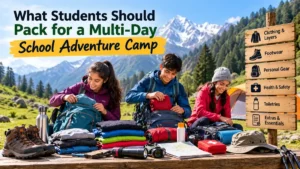
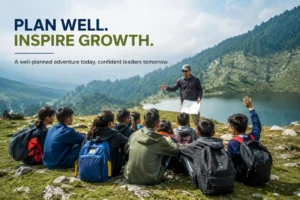
Introduction Preparing for a multi-day school adventure camp is an exciting part of every student’s outdoor learning journey. Whether students are trekking through the Himalayas, …
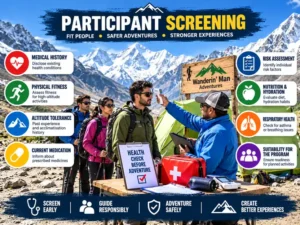
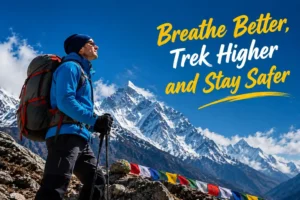
Read More →High-altitude adventures offer breathtaking landscapes, personal growth and unforgettable experiences. However, trekking in the Himalayas also exposes participants to low oxygen levels, cold weather, demanding …
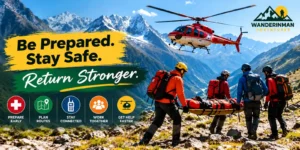
Read More →Why Evacuation Planning Matters in Adventure Tourism Adventure activities offer unforgettable experiences, from trekking through the Himalayas to rafting along mountain rivers and camping in …
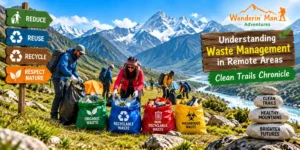
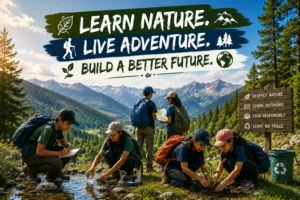
Read More →Why Waste Management in Remote Areas Matters Mountains offer fresh air, breathtaking landscapes and unforgettable adventures. Yet, behind these beautiful experiences lies a growing challenge: …
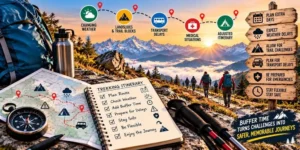
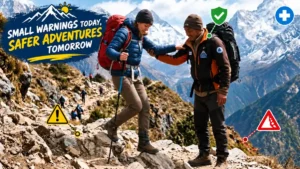
Read More →The mountains offer breathtaking landscapes, unforgettable adventures and opportunities for personal growth. However, they are also unpredictable. Sudden weather changes, landslides, difficult trail conditions and …
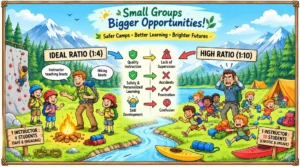
Read More →Student-to-Instructor Ratios in Adventure Camps: Why They Matter is an important consideration when planning safe, engaging, and educational outdoor experiences for students. Adventure activities such …
Read More →Adventure tourism offers extraordinary opportunities for exploration, confidence-building and personal growth. From Himalayan trekking and river rafting to mountaineering, cycling and wilderness camping, every adventure …
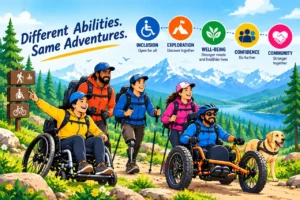
Read More →Inclusive adventure activities for differently abled people create opportunities to explore nature, develop skills, and enjoy outdoor experiences with dignity and confidence. However, meaningful inclusion …
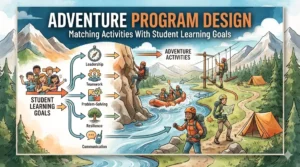
Read More →What makes a school adventure program educational rather than simply recreational? The answer lies in its design. A well-planned school adventure program design connects outdoor …
Read More →Adventure risk assessment is essential for creating safer, more rewarding outdoor experiences. From mountain trekking and kayaking to desert expeditions and snow adventures, every activity …
Read More →Education is no longer just about what students know. It is increasingly about what they can do with that knowledge. In a world shaped by …
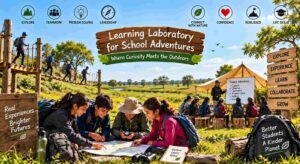
Read More →A learning laboratory for school adventures is more than a playground filled with adventure equipment. It is a thoughtfully designed environment where students learn by …
Read More →Preparedness is much more than carrying the right equipment. It involves preparing participants physically, mentally, emotionally, and socially for the experience ahead. Before an activity …
Read More →Learning does not always happen at a desk. Sometimes it happens on a trail, during a team challenge, beside a river or around a campfire. …
Read More →People may come from different backgrounds, have different personalities and possess different strengths. Yet, when they are given a shared challenge and a common goal, …
Read More →Some experiences disappear as soon as they are over. Others stay with us for years. A mountain trail, a river crossing, a challenging climb, or …
Read More →Education is not only about remembering information. It is also about learning how to think, respond, communicate, adapt and create. A student may know the …
Read More →Adventure is more than trekking, climbing or camping. When thoughtfully planned, it becomes a powerful learning environment where students make decisions, solve problems, communicate, take …
Read More →What if a classroom could extend beyond four walls and into a forest trail, mountain campsite, science field study or team challenge? This is the …
Read More →What happens when students step away from desks, textbooks and familiar routines and enter an environment where there is no single right answer?They begin to …
Read More →What if a mountain trail could teach problem-solving, a river could develop teamwork, and a campsite could build leadership? Structured adventure learning transforms ordinary outdoor …
Read More →Education does not always need four walls, a blackboard and a textbook. Sometimes, the most powerful lessons begin when students step onto a trail, carry …
Read More →Choosing a school adventure program is about much more than selecting an exciting destination. For schools, teachers and parents, the real question is whether the …
Read More →Why Resilience Skills for Students Matter Students today face academic pressure, social expectations, uncertainty and constant digital stimulation. While classrooms develop knowledge, resilience skills for …
Read More →Adventure programs are often remembered for the excitement of climbing a wall, crossing a river, trekking through the mountains or navigating an unfamiliar trail. But …
Read More →Fear is a natural response to something unfamiliar. A new trail, a difficult climbing wall, a river crossing or even speaking in front of a …
Read More →Education is no longer limited to textbooks, examinations and four walls. Beyond the classroom, students can discover, experiment, collaborate and solve real-world problems in ways …
Read More →India has everything needed to become a global adventure tourism destination—from the Himalayas and vast deserts to tropical coastlines, dense forests, rivers and high-altitude landscapes. …
Read More →The future of adventure sports in India is entering an exciting new phase. What was once considered a niche pursuit for thrill-seekers is becoming an …
Read More →Why Are Adventure Sports Becoming So Popular? Adventure sports are no longer limited to professional athletes or extreme thrill-seekers. From trekking and rafting to rock …
Read More →Why Experiential Learning Is the Missing Link in Modern Education Students spend years acquiring knowledge. They study mathematics, science, languages, history, technology, and countless other …
Read More →Adventure is more than adrenaline. For an adventure addict, it becomes a way of thinking, living and growing. The thrill of trekking a difficult trail, …
Read More →Micro-adventures are changing the way people think about short breaks, outdoor recreation and weekend travel. Instead of waiting for a long holiday to explore the …
Read More →Adventure Sports in India are entering a new era, shaped by changing traveller expectations, improved safety practices, technology, experiential learning and a growing focus on …
Read More →Adventure Sports in India Are Entering a New Era Adventure sports in India are moving beyond the traditional pursuit of adrenaline and extreme challenges. Trekking, …
Read More →Family holidays are an opportunity to pause from school, work and everyday routines and spend meaningful time together. While traditional vacations may focus on sightseeing, …
Read More →Introduction Choosing a family adventure program for your child is about much more than selecting an exciting destination. The right experience should give children opportunities …
Read More →A transformed learning experience moves education beyond simply listening, memorising and reproducing information. It gives students opportunities to participate, explore, solve problems, collaborate, reflect and …
Read More →Education is no longer limited to textbooks, examinations, and classroom instruction. Students also need opportunities to develop communication, collaboration, creativity, problem-solving, adaptability, and responsible decision-making. …
Read More →School Adventure Camps & Tours | Why Choose Wanderin’ Man . In today’s rapidly changing world, schools are looking beyond traditional classroom teaching to prepare …
Read More →Today’s students are growing up in a world shaped by artificial intelligence, automation, data, robotics and rapid technological change. STEM education in school programs helps …
Read More →In today’s fast-changing world, academic excellence alone is no longer enough. Schools are increasingly looking for innovative ways to prepare students for real-life challenges beyond …
Read More →Academic knowledge is only one part of a student’s development. Students also need opportunities to communicate, collaborate, manage emotions, analyse situations, solve problems and make …
Read More →Introduction: Why Experiential Learning Matters Experiential school programs for better student learning take education beyond textbooks by allowing students to learn through doing, observing, solving …
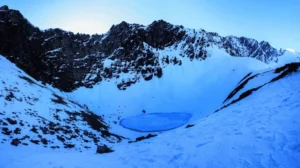
Read More →Hidden deep within the Garhwal Himalayas of Uttarakhand, the Roopkund Trek continues to enchant trekkers, historians, photographers, and adventure lovers throughout the years. More commonly …
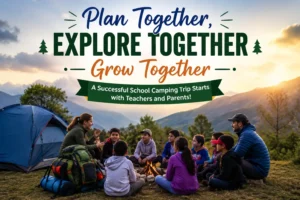
Read More →A successful school camping trip requires more than choosing a destination and arranging transportation. Teachers, parents, students, and the adventure team need to work together …
Read More →A successful school camping trip requires more than choosing a destination and arranging transportation. Teachers, parents, students and the adventure team need to work together …
Read More →Students do not have to learn about the environment only from textbooks. A forest trail can become a biology lesson, a campsite can become a …
Read More →Choosing the right summer camp destination for school kids in India is about much more than finding a beautiful place. A well-planned school summer camp …
Read More →The Himalayas reward trekkers with breathtaking landscapes, but they also expose you to high altitude, where oxygen levels decrease significantly. If you don’t prepare for …
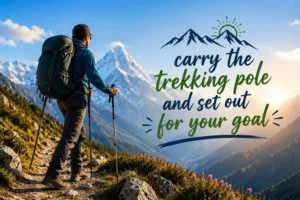
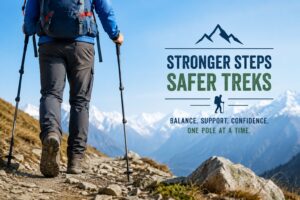
Read More →Learning how to carry and use a trekking pole correctly can make your hike more comfortable, balanced and controlled, especially on steep, rocky and uneven …
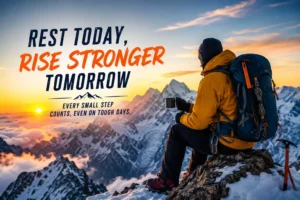
Read More →Every trekker experiences a tiring day on the trail. Long climbs, uneven terrain, a heavy backpack, changing weather or simply several hours of walking can …
Read More →Best School Day Camp Organizer in India – The Complete Expert Guide for Schools, Principals & Parents.Planning a special day at school doesn’t necessarily mean …
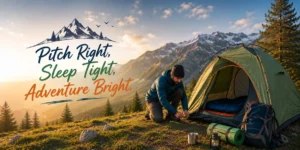
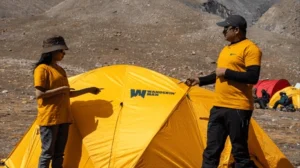
Read More →A tent is more than a place to sleep. It is your shelter from rain, wind, cold, insects and changing outdoor conditions. Learning how to …
Read More →I’m Gulam Jeelani Outdoor Educator and the Founder & Director of Wanderin’ Man Adventures Pvt. Ltd., an Adventure Tourism Expert, Himalayan Trek Leader, Outdoor Educator, …
Read More →Trekking Affiliate Program in india .Partner & Collaboration with Wanderin’ Man Adventures & Earn While Inspiring Adventure Turn Your Travel Community Into Income.Trekking Affiliate Program …
Read More →The Himalayas offer extraordinary landscapes, challenging trails, alpine meadows, snow-covered passes and remote mountain communities. But a successful Himalayan adventure requires more than enthusiasm. How …
Read More →Best Trekking Company in India . In the Indian Himalaya lies some of the finest trekking sites in the world. From snow-capped mountain passes to …
Read More →Learning how to hydrate yourself on a mountain is an important part of trekking safely and comfortably. At altitude, cold air, low humidity, increased breathing, …
Read More →Trekking is not about choosing the highest mountain or the most difficult trail. It is about finding an adventure that matches your fitness level, experience …
Read More →Discover the Top Trekking Destinations in India with Wanderin’ Man Adventures. Explore the best Himalayan treks, scenic mountain trails, high-altitude adventures, beginner-friendly hikes, and expert-guided …
Read More →A Himalayan trek rarely goes exactly according to plan. You may leave camp beneath a clear blue sky and, a few hours later, find yourself …
Read More →Wanderin’ Man Adventures is one of the safest trekking companies in India, offering professionally managed trekking, mountaineering, skiing, and experiential adventure camps. With experienced and …
Read More →How to Choose the Best Trekking Backpack . A trekking backpack is more than just a bag—it is your mobile basecamp. Whether you’re heading out …
Read More →Essential Tips for Successful Trekking begin long before you reach the trailhead. A memorable mountain adventure depends not only on physical fitness, but also on …
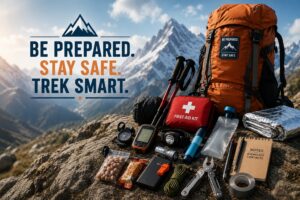
Read More →An Essential Item Kit for Experienced Trekkers is more than a collection of equipment—it is a practical emergency support system designed to help trekkers respond …
Read More →Yunam Peak Package 2026 | Expert Guide If you are looking for your first 6000-meter peak climbing experience in India, the Yunam Peak Expedition is …
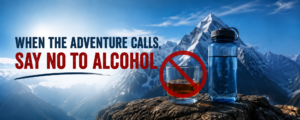
Read More →A drink at the end of a trekking day may seem like a harmless way to relax. At high altitude, however, alcohol can introduce additional …
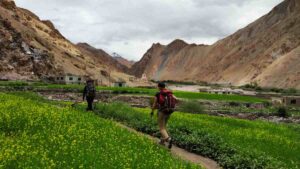
Read More →The Markha Valley Trek is one of the most scenic and rewarding high-altitude adventures in the Indian Himalayas. Nestled in the heart of Ladakh, this …
Read More →Moon Peak Trek Packages. If you’re searching for an unforgettable trekking experience in the Indian Himalayas, the peak should be at the top of your …
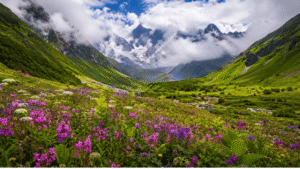
Read More →The Valley of Flowers Trek is one of the most breathtaking Himalayan adventures in India and a dream destination for trekkers, nature lovers, photographers, and …
Read More →The Kashmir Great Lakes Trek (KGL Trek) is often called the most beautiful trek in India, and for good reason. Imagine walking through endless green …
Read More →The Kashmir Great Lakes Trek (KGL Trek) is known as the most beautiful trek in India. Nestled in Kashmir’s heart, this high-altitude Himalayan trek winds …
Read More →Dzo Jongo Expedition is one of Ladakh’s most rewarding non-technical trekking peaks, offering breathtaking views of the Karakoram, Zanskar, and Stok mountain ranges. Standing at …
Read More →Kang Yatse 1 Peak Expedition 2026 | Complete Guide- is Located in the beautiful Markha Valley in Ladakh, the peak expedition to Kang Yatse 1 …
Read More →Hampta Pass Trek Introduction-There is only one Himalayan trek that offers a complete experience of green valleys, breathtaking mountain views, river crossings, glaciers, and deserts …
Read More →Discover the best school activities program with exciting in school premises and outdoor learning experiences designed for students of all ages. Wanderin Man school programs …
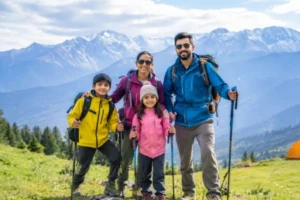
Read More →Family tour Packages with Activities | Safe and Exciting -Planning a holiday with your family is always special—but choosing the right experience can make all …
Read More →Safe, Fun & Memorable Himalayan Best Family Treks -Planning a vacation with your loved ones but tired of the usual crowded destinations? A family trek …
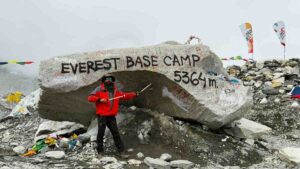
Read More →How to Reach Everest Base Camp | Complete Guide- EBC is not like a typical vacation—it’s a journey that combines travel, trekking, and a bit …
Read More →The mount Everest Base Camp Trek is more than just a journey—it’s a life-changing experience that takes you deep into the heart of the Himalayas. …
Read More →Looking for affordable summer camps near you in India that offer more than just fun?Why Join Summer Camps with Wanderin’ Man Adventures brings experiential learning …
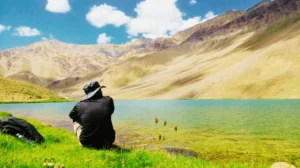
Read More →Hidden deep in the rugged landscapes of Spiti Valley, Chandratal Lake is one of the most breathtaking high-altitude lakes in India. Popularly known as the …
Read More →Family Tour package with unique experience- help create unforgettable memories while exploring India’s diverse destinations. From hill stations and beaches to cultural cities and adventure …
Read More →Affordable Summer Camps Near Me in India for Schools with Experiential Learning, Campblazer and Trailblazer Programs, Outdoor Adventure Activities, and Safe Student Development Finding affordable …
Read More →A Summer Camp for school with Experiential Learning Activities offers students a perfect blend of fun, adventure, and real-world learning beyond classrooms. Through camping and …
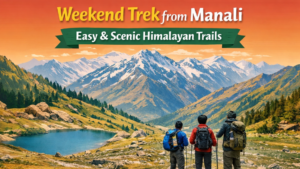
Read More →Weekend Trek from Manali | Easy & Scenic Himalayan Trails offer the perfect mountain escape for nature lovers and adventure seekers. Manali sits in the …
Read More →Manali is one of the most popular hill stations in the Himalayas and a dream destination for travelers seeking nature, adventure, and peaceful mountain landscapes. …
Read More →Explore the Manali trekking packages with our ultimate trek guide. From easy nature hikes to challenging high-altitude Himalayan treks, these top 25 tours cover alpine …
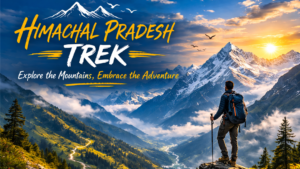
Read More →Treks in Himachal: Discover the Best Himalayan Trails offer some of the most breathtaking trekking experiences in the Indian Himalayas. From lush green valleys and …
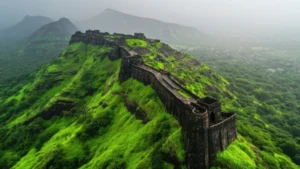
Read More →The Rajgad Fort Trek -Route, Difficulty, History, Best Time & Complete Guide is one of the most iconic trekking experiences in Maharashtra. Located in the …
Read More →Trekking in Northeast India – Explore Hidden Himalayan Trails is rapidly becoming one of the most exciting experiences for adventure travelers searching for offbeat Himalayan …
Read More →Set out into the Indian Himalayas in winter, and you’ll step into a world that feels almost untouched. Snow quietly blankets the mountains, forests sparkle …
Read More →Best Winter trek Experience the Magic of Cold – Best Winter is a season that transforms ordinary landscapes into enchanting experiences. The drop in temperature, …
Read More →Snow winter trekking transforms ordinary mountains into extraordinary landscapes. Snow-covered forests, crystal-clear skies, frozen lakes, and silent alpine valleys create a setting that feels untouched, …
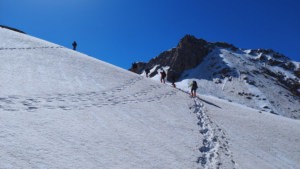
Read More →Snow Treks in Himalaya-The Himalayas are more than just towering peaks and scenic valleys — they are the heart of India’s winter adventure. When snow …
Read More →The Pangarchulla Peak Trek is one of the most thrilling and scenic treks in the Garhwal Himalayas of Uttarakhand. Known for its snow-laden trails, mesmerizing …
Read More →If you’ve ever dreamed of gliding over fresh snow, then how to start skiing in Gulmarg for beginners is the perfect place to begin your …
Read More →35 Winter Treks in India – Embark on a journey of snow-kissed trails and breathtaking panoramas with Wanderin’Man Adventures. These 30 meticulously curated winter treks …
Read More →Winter trekking is a thrilling and educational activity for school students, combining adventure with practical learning experiences. From exploring snow-laden trails to observing winter flora …
Read More →Winter is often associated with cozy indoor activities, hot chocolate, and staying warm by the fire. But for children, winter can also be a season …
Read More →Winter is often considered a season for staying indoors, keeping warm by the fire, and enjoying cozy comforts. But for children, winter presents a unique …
Read More →Winter Survival Skills & Outdoor Fun is often seen as a time for cozying up indoors, sipping hot cocoa, and waiting for spring. But for …
Read More →If you’re looking to plan an adventure of a lifetime in 2025 the Pangarchulla Peak Trek in Uttarakhand should be at the top of your …
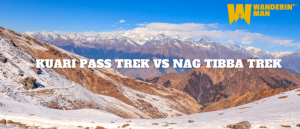
Read More →Kuari Pass Trek Vs Nag Tibba Trek: Which One Is Best For You-The Himalayas in Uttarakhand are a paradise for trekkers . From lush green …
Read More →Introduction Dayara bugyal trek -If you are planning a Himalayan trek in 2026 that blends lush meadows , snow clad peaks , easy accessibility , …
Read More →Winter Camping for Schools: Growth, Confidence and Teamwork-The charm of winter brings with it a unique opportunity for schools to engage students in activities that …
Read More →Kedarkantha Trek vs Brahmatal Trek : Which One to Pick-Organizing your initial Himalayan trekking experience could be both thrilling as well as perplexing, particularly when …
Read More →Planning a trek in the mountains? Whether you’re hiking the lush trails of the Western Ghats or heading towards a high-altitude Himalayan expedition, choosing the …
Read More →Embarking on the Kedarkantha trek is not just a physical journey; it’s a soul-stirring experience that takes you through the heart of the majestic Himalayas. …
Read More →Summer is here. And, if you are a mountain lover, like us, you must have already made your plans for a summer trek. If not, …
Read More →Preparing for a Himalayan trek can get a little daunting, especially for a first-timer. Though you can prevent a great experience from turning into a …
Read More →