How Successful School Camping Trip is Planned by the Teacher & Parents?
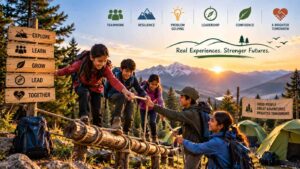
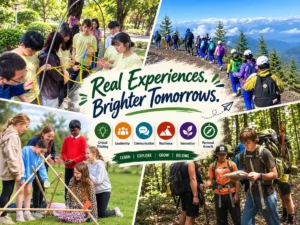
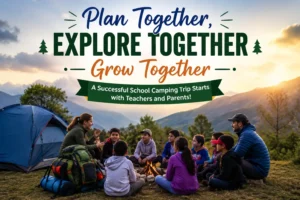
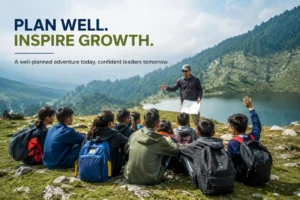
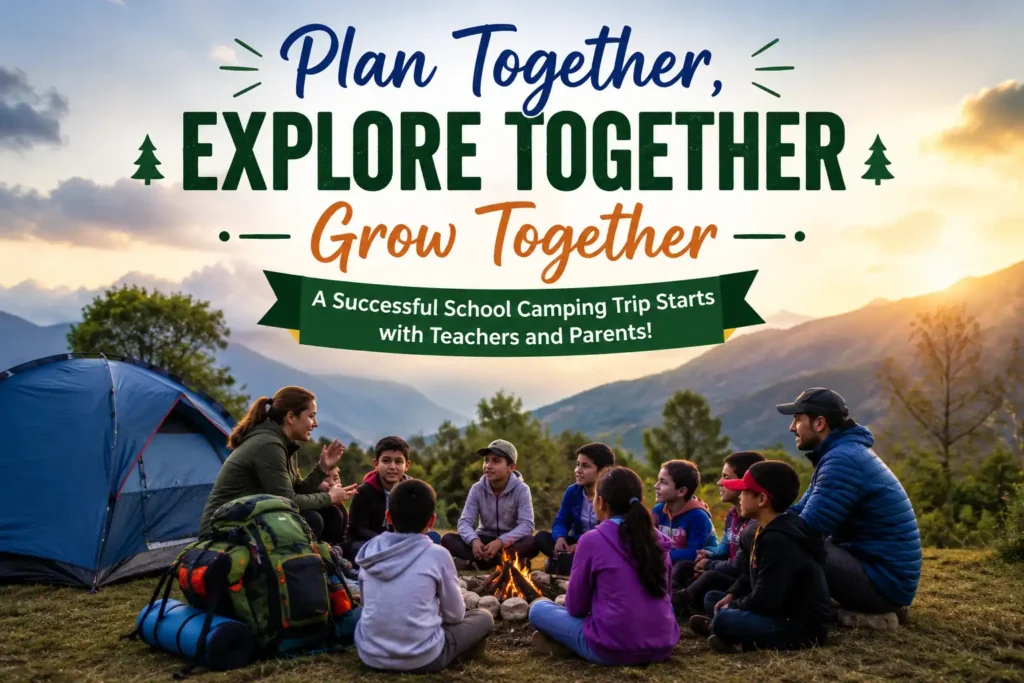
A successful school camping trip requires more than choosing a destination and arranging transportation. Teachers, parents, students, and the adventure team need to work together to plan the experience carefully. From defining learning objectives and selecting age-appropriate activities to preparing students, managing safety, communicating with parents, and reviewing learning outcomes, every stage contributes to the quality of the experience. When teachers and parents share responsibilities and expectations, a camping trip can become more than an outdoor excursion. It can provide opportunities for teamwork, leadership, problem-solving, independence, environmental awareness and experiential learning. India’s National Education Policy 2020 specifically encourages experiential learning, including hands-on, collaborative, exploratory, and sports-integrated approaches.
Why Teachers and Parents Should Plan a School Camping Trip Together
Teachers understand the school’s educational objectives and student-group requirements. Parents understand their children’s individual needs, concerns and preparation requirements. Working together can help schools:
- Improve communication
- Prepare students more effectively
- Identify medical and dietary requirements
- Establish realistic expectations
- Strengthen safety planning
- Support children’s emotional readiness
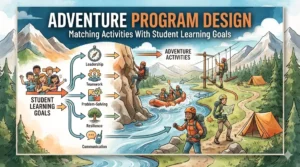
- Connect outdoor activities with learning objectives
Parents should not simply receive an itinerary shortly before departure. They should understand where students are going, what they will do, what they need to carry and how safety and communication will be managed.
Set Clear Learning Objectives Before the School Camping Trip
A successful school camping trip should have a purpose beyond recreation. Before choosing the destination, teachers can ask:
- What should students learn?
- Which skills should they practise?
- Which activities support those objectives?
- What age group is participating?
- What level of physical activity is appropriate?
- How will students reflect on the experience?
Possible learning outcomes include:
- Teamwork
- Leadership
- Communication
- Problem-solving
- Decision-making
- Environmental awareness
- Responsibility
- Confidence
- Outdoor skills
- Adaptability
The objective should be experience → challenge → reflection → learning.
For schools developing broader outdoor-learning programs, see Measuring the Learning Outcomes of Adventure Programs .
Choose a School Camping Destination Carefully
The destination should match the age, abilities, experience and learning objectives of the students. Before confirming a location, schools and parents should consider:
- Accessibility
- Travel time
- Weather conditions
- Accommodation
- Food and drinking water
- Sanitation
- Activity areas
- Emergency medical access
- Communication facilities
- Instructor availability
- Seasonal suitability
A visually attractive destination is not necessarily the right destination for every student group.
Schools looking for destination ideas can also explore Top Summer Camp Destinations for School Kids in India .
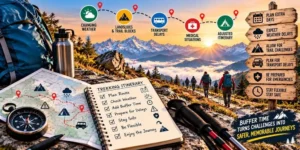
Create a Detailed School Camping Trip Plan
A written itinerary helps everyone understand what will happen during the trip.
Daily schedule
Include:
- Departure and arrival
- Meals
- Rest periods
- Adventure activities
- Educational sessions
- Free time
- Evening reflection
- Sleeping arrangements
- Next-day briefing
Avoid filling every minute with activities. Students need adequate rest, hydration, meals and recovery time.
Build a contingency plan
Planning should also account for:
- Weather changes
- Activity cancellation
- Medical emergencies
- Transport delays
- Communication problems
- Unexpected changes in the itinerary
A flexible plan is more useful than an itinerary that cannot adapt to changing conditions.
Create a Transparent School Camping Budget
Parents should receive a clear cost breakdown before the trip. Depending on the program, costs may include:
- Transportation
- Accommodation
- Meals
- Activity fees
- Instructor or leadership costs
- Equipment
- First-aid provisions
- Permits where applicable
- Insurance where applicable
- Emergency contingencies
Schools should clearly explain what is included and what students may need to pay separately. Price should not be considered in isolation. Safety systems, instructor experience, accommodation, food, transport and educational design also contribute to the overall value of a program.
Prepare Students Before the Camping Trip
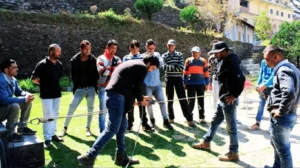
Preparation can reduce uncertainty and help students feel more comfortable. Teachers should conduct a pre-camp orientation covering:
- Camp rules
- Expected behaviour
- Activity instructions
- Personal hygiene
- Environmental responsibility
- Teamwork
- What to pack
- What not to carry
- Emergency procedures
- Respect for local communities and nature
Parents can reinforce these messages at home. Students should also understand that outdoor activities may involve unfamiliar surroundings and new challenges. Preparation should build confidence without creating unnecessary fear.
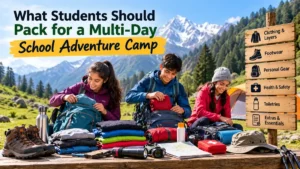
Create a Practical School Camping Checklist
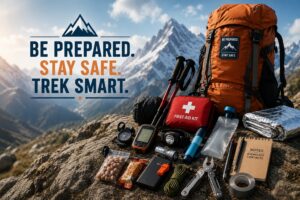
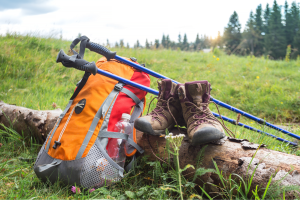
Students should pack according to the destination, season and activities. A basic checklist may include:
- Comfortable clothing
- Weather-appropriate jacket
- Rain protection
- Suitable footwear
- Water bottle
- Flashlight/headlamp
- Personal medicines as instructed by the school
- Toiletries
- Cap
- Sun protection
- Extra socks
- Personal identification if required
- Notebook for learning activities
- Reusable items where appropriate
Parents should label personal belongings and avoid sending unnecessary valuables or expensive electronic devices. For activity-specific preparation, schools can also refer to How to Plan for a Successful School Adventure Camp.
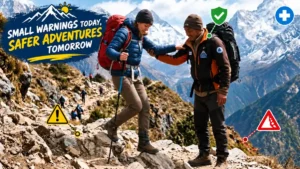
Prioritize Safety Throughout the School Camping Trip
Safety should be built into the program from the planning stage. Schools and providers should establish:
- Appropriate supervision
- Activity-specific safety briefings
- Risk assessment
- First-aid preparedness
- Emergency communication
- Weather monitoring
- Student accountability
- Appropriate equipment
- Clear teacher responsibilities
- Emergency response procedures
Before selecting an adventure provider, schools can use the detailed School Adventure Program Safety and Selection Checklist to review instructor experience, supervision, equipment, emergency planning, accommodation and communication. For higher-risk activities, procedures should be appropriate to the activity, environment and participant group.
From Wanderin’ Man’s School Adventure Experience
At Wanderin’ Man Adventures, we view school adventure programs as a combination of planning, outdoor experience and purposeful learning. A school camping program works best when the student group, learning objectives, activities, destination, duration and operational requirements are considered together. Instead of selecting activities simply because they appear exciting, schools can choose challenges that are appropriate for students and connect naturally with outcomes such as teamwork, leadership, communication, environmental awareness and responsible decision-making.
Encourage Learning Through Outdoor Activities
Camping can turn the outdoors into a practical learning environment. Depending on age and location, activities may include:
- Nature walks
- Orienteering
- Navigation
- Team challenges
- Environmental observation
- Outdoor skills
- Leadership exercises
- Problem-solving games
- Wildlife observation
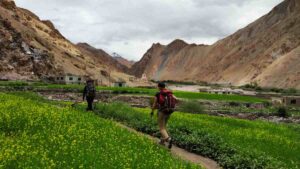
- Structured trekking
- Camp-based learning activities
The key is to connect the activity with a learning objective.
For example:
Orienteering → navigation + decision-making
Team challenge → communication + collaboration
Nature observation → environmental awareness + scientific curiosity
Trekking → endurance + responsibility + observation
Schools interested in environmental learning can also explore Environmental Education with Adventure Activities for Schools.
Build Strong Communication Between Teachers and Parents
Good communication reduces uncertainty before departure.
Schools should share:
- Departure details
- Itinerary
- Destination
- Accommodation information
- Packing checklist
- Activity information
- Safety procedures
- Emergency contacts
- Food arrangements
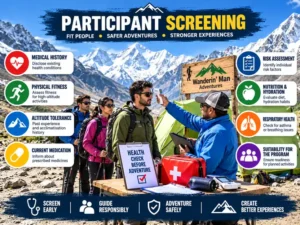
- Medical requirements
- Permission documentation
- Expected return time
Parents should inform the school about:
- Allergies
- Medication requirements
- Dietary needs
- Relevant medical information
- Emergency contacts
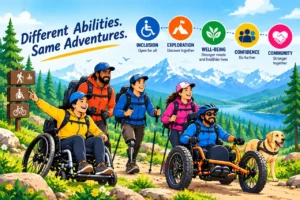
- Accessibility or support requirements
- Concerns that could affect participation
Sensitive information should be collected and handled according to the school’s applicable privacy and safeguarding procedures.
Support Students’ Emotional Readiness
Not every child approaches an overnight camp with the same level of confidence. Parents can help by:
- Encouraging age-appropriate independence
- Discussing the trip positively
- Practising simple responsibilities at home
- Helping children understand what to expect
- Avoiding unnecessary fear-based conversations
Teachers can:
- Welcome students warmly
- Encourage supportive peer groups
- Avoid forcing participation beyond reasonable expectations
- Recognize individual progress
- Provide reassurance when students feel uncertain
The objective should be to help students develop confidence while respecting individual differences.
Teach Environmental Responsibility During School Camping
A camping trip can also become an opportunity to develop responsible environmental behaviour. Students can learn to:
- Avoid littering
- Reduce unnecessary plastic
- Respect wildlife
- Stay on designated trails
- Avoid damaging vegetation
- Conserve water
- Follow campsite rules
- Respect local communities
- Leave the campsite clean
UNESCO’s current Education for Sustainable Development framework emphasizes knowledge, skills, values, attitudes and behaviours that support sustainable development. UNESCO’s 2026 green-school guidance also describes sustainability as a whole-institution approach involving teaching and learning, school operations, governance and community engagement.
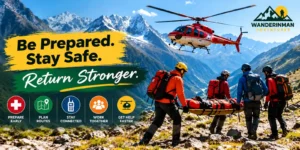
Emergency Planning for a School Camping Trip
Emergency planning should be discussed before departure, not after something goes wrong. The school and adventure provider should clarify:
- Who is responsible for students?
- Who coordinates an emergency?
- Where is the nearest appropriate medical facility?
- How is emergency transportation arranged?
- How are parents contacted?
- What happens during severe weather?
- What happens if an activity is cancelled?
- How are students accounted for?
- What communication method is used if normal communication fails?
Teachers should know their responsibilities, while students should receive age-appropriate instructions about staying with their group and following staff directions.
What Parents and Teachers Should Check Before Choosing an Adventure Provider
Before confirming a school camping program, ask the provider:
| Check | What to ask |
|---|---|
| Experience | Experience with school groups? |
| Instructors | Who leads the activities? |
| Safety | What risk-management procedures are used? |
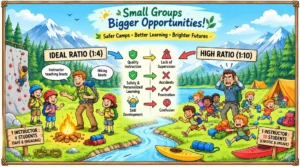
| Supervision | What is the participant-to-leader arrangement? |
| Equipment | How is equipment inspected and maintained? |
| Medical | What emergency arrangements exist? |
| Weather | What happens if conditions change? |
| Accommodation | What hygiene and supervision arrangements exist? |
| Transport | How is the journey managed? |
| Learning | What learning outcomes are planned? |
| Communication | What information is shared with parents? |
| Environment | How is responsible outdoor behaviour incorporated? |
This makes the article useful not only for parents but also for school principals, activity coordinators and teachers evaluating providers.
Review the School Camping Trip After Returning
The learning process should not end when students return. Teachers can use:
- Student feedback
- Reflection journals
- Group discussions
- Presentations
- Teacher observations
- Parent feedback
- Activity reviews
Evaluate:
- Safety
- Organization
- Activities
- Accommodation
- Food
- Student participation
- Learning outcomes
- Communication
UNESCO’s September 2026 guidance on assessing Education for Sustainable Development highlights approaches that move beyond simple end-point grading and consider reflection, systems thinking, ethical decision-making and collaborative action.
Common Mistakes to Avoid
Avoid:
- Last-minute planning
- Poor parent communication
- Overloaded itineraries
- Ignoring weather
- Incomplete medical information
- Inappropriate activities
- Insufficient supervision
- Poor packing guidance
- Weak emergency planning
- Choosing a provider based only on price
- Treating adventure purely as entertainment
The strongest programs balance adventure, safety, learning and student wellbeing.
Planning a successful school camping trip takes coordination between teachers, parents, students and the adventure team. Wanderin’ Man Adventures develops school outdoor programs that can combine camping, trekking, experiential learning, teamwork, leadership, environmental awareness and adventure activities according to the needs of the school and student group. Whether you are planning a one-day outdoor program, overnight camping trip, multi-day adventure camp or customised school experience, the program can be structured around your students’ age group, objectives, group size, destination and duration.
Ready to Plan Your School Camping Trip?
Share your school’s requirements with our team and explore a suitable outdoor program for your students.
→ Plan Your School Camping Program
→ Talk to Our School Program Team
Suggested CTA links: connect these buttons to your existing school-program/custom-trip enquiry page rather than leaving them as plain text. Your site already exposes a “Customize Your Trip” route in its footer.
A school camping trip can become much more than an overnight outdoor experience. With the right planning, it can give students opportunities to explore nature, develop teamwork, practise leadership, build confidence, solve problems and learn through real-world experiences. At Wanderin’ Man Adventures, we understand that every school has different requirements. The right program depends on the students’ age group, number of participants, learning objectives, available time, destination, activities, accommodation and safety requirements. Our school adventure programs can be structured around the needs of your institution and may include camping, trekking, nature activities, team-building challenges, outdoor learning, environmental education and other adventure experiences.
Conclusion
A successful school camping trip begins long before students reach the campsite. When teachers establish clear objectives, parents prepare students, providers plan appropriate activities and everyone communicates effectively, outdoor experiences can become meaningful opportunities for learning, teamwork, leadership, responsibility and personal development. The goal is not simply to take students outdoors. It is to create an experience that is safe, purposeful, age-appropriate, well-organized and memorable. When teachers and parents work together, a school camping trip can become an extension of learning beyond the classroom. A successful school camp requires careful coordination before students arrive at the destination. Schools should consider activity suitability, supervision, equipment, weather conditions, accommodation, transportation, first-aid preparedness, emergency procedures and communication with parents. We encourage schools to discuss these requirements during the planning stage so that the final program is structured around the students and the school’s expectations.