Experiential Learning and Academic Performance: The Impact
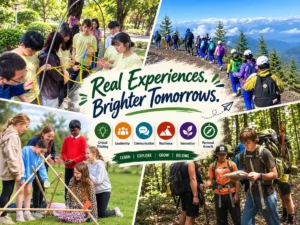
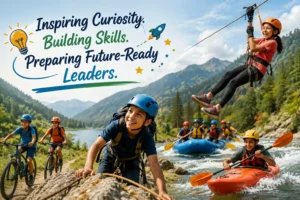
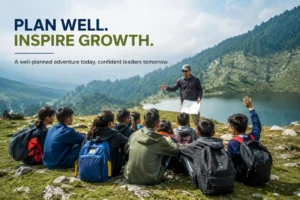
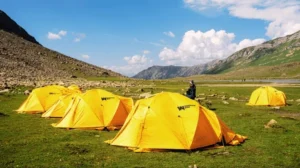
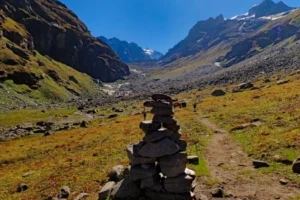
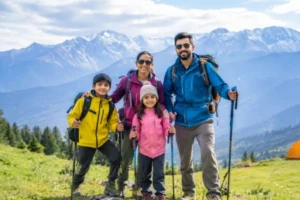
What if a classroom could extend beyond four walls and into a forest trail, mountain campsite, science field study or team challenge? This is the central idea behind experiential learning and academic performance. Instead of simply listening, reading and memorising, students learn by doing, reflecting, applying and improving. Adventure activities can turn abstract concepts into experiences that students can see, feel and understand.When thoughtfully designed, experiential learning can complement classroom education by strengthening student engagement, critical thinking, problem-solving, collaboration, confidence and the ability to apply knowledge in real-world situations.


6
What Is Experiential Learning in Education?
Experiential learning is an approach in which students gain knowledge and skills through direct experience, reflection and practical application. Instead of teaching a concept only through textbooks, teachers can create situations where students experience that concept in action.
For example:
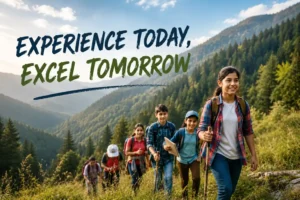
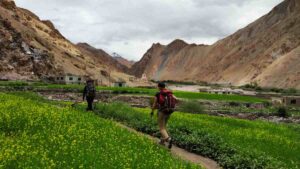
- A trekking activity can develop navigation and geography skills.
- A nature walk can support environmental science learning.
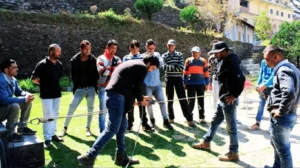
- A team challenge can develop communication and leadership.
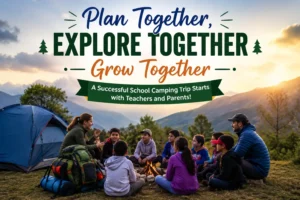
- A camping exercise can teach planning, measurement and resource management.
- A field investigation can transform scientific theory into observation.
The experience becomes meaningful when students are encouraged to reflect on what happened, understand why it happened and connect it with what they already know.
How Experiential Learning Influences Academic Performance
The relationship between experiential learning and academic performance is not simply about taking students outdoors. The quality of the learning design matters. A well-structured programme connects activities with educational objectives and provides opportunities for reflection, discussion and assessment. Research published in 2026 on experiential outdoor learning examined students’ motivation and academic engagement, highlighting the educational value of active learning beyond conventional classroom settings.
1. Experiential Learning Improves Student Engagement
Students are more likely to engage when learning feels relevant and active. A geography lesson about terrain may seem theoretical in a classroom. On a trek, students encounter slopes, elevation, vegetation, weather and navigation challenges directly.
The question changes from:
“What does this concept mean?”
to:
“How does this concept work around me?”
That shift can make learning more memorable and encourage curiosity.


10
2. Adventure Activities Develop Problem-Solving Skills
Academic success requires more than remembering information. Students must also analyse situations, evaluate options and make decisions. Adventure-based learning naturally creates such situations.
A navigation challenge, for example, may require students to:
- Understand a map
- Interpret directions
- Identify landmarks
- Calculate distance
- Work under time constraints
- Make decisions as a team
Students are not merely learning about problem-solving—they are practising it.
These experiences can complement classroom subjects where analytical thinking and decision-making are essential.
3. Experiential Learning Strengthens Critical Thinking
Critical thinking develops when students question assumptions, examine evidence and make informed conclusions.Outdoor investigations provide authentic opportunities for this. Students studying ecosystems might observe plants, soil, insects and water conditions and then compare their observations with classroom concepts. Instead of accepting information passively, students begin asking:
Why did this happen? What evidence supports it? What could explain the difference?
This habit of questioning can transfer into academic learning.
Adventure Learning Connects Theory With Real Life
One of the biggest limitations of traditional learning can be the perceived gap between knowledge and application. Experiential education helps reduce this gap. Consider mathematics. Students may learn distance, speed, ratio, measurement and estimation in class. During an outdoor programme, those same concepts can appear naturally while planning a route, calculating walking time or estimating resources. Similarly, environmental science becomes more meaningful when students observe an ecosystem rather than only reading about one.
This makes learning contextual, practical and memorable.


7
Reflection Turns Adventure Into Learning
Adventure alone does not automatically create academic improvement.
Reflection is the bridge between experience and learning.
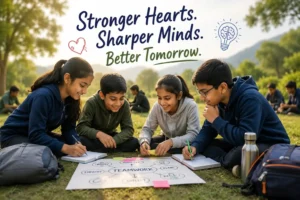
After an activity, students can discuss:
- What happened?
- What did we discover?
- What challenges did we face?
- Which strategy worked?
- What could we have done differently?
- How does this connect with classroom learning?
This process transforms an enjoyable activity into a structured learning experience. Experiential learning programmes commonly use a cycle of experience → reflection → conceptual understanding → application.
How Experiential Learning Supports Academic Achievement
The academic benefits can emerge through several interconnected pathways.
Better Concentration and Motivation
Meaningful experiences can increase curiosity and participation.
Stronger Knowledge Retention
Students often remember concepts more effectively when they encounter them through multiple senses and practical situations.
Improved Application of Knowledge
Students learn how classroom concepts can be used to solve real problems.
Greater Learning Ownership
When students participate actively, they become contributors to the learning process rather than passive recipients.
Stronger Academic Engagement
Students who develop confidence, curiosity and problem-solving habits may approach classroom challenges with greater willingness. However, schools should avoid claiming that every adventure programme automatically increases grades. Academic impact depends on programme design, curriculum alignment, facilitation and follow-up.
The Role of Teachers and Facilitators
A successful experiential learning programme needs more than an attractive destination. Teachers and facilitators play a critical role in connecting adventure with educational outcomes. Before an activity, students can receive learning objectives and preparation. During the experience, facilitators can encourage observation, questioning and decision-making. Afterwards, students can complete reflection exercises, presentations, journals, projects or classroom assignments.
This creates a complete learning pathway:
Prepare → Experience → Reflect → Connect → Apply → Assess
Indian schools are increasingly using outdoor education, adventure activities and educational excursions to connect students with real-world contexts and develop skills such as teamwork, resilience and independence.


7
How Schools Can Measure Experiential Learning Outcomes
If experiential learning is expected to contribute to academic development, schools should measure more than participation.
Useful indicators include:
- Subject knowledge gained
- Student engagement
- Problem-solving ability
- Critical thinking
- Teamwork
- Communication
- Reflection quality
- Knowledge retention
- Application of classroom concepts
- Student confidence
Schools can use pre- and post-activity questionnaires, observation rubrics, student journals, project assessments, presentations and teacher feedback. This converts an adventure programme from a one-time outing into a measurable educational intervention.
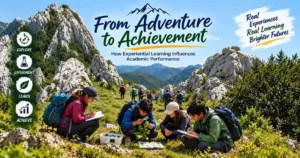
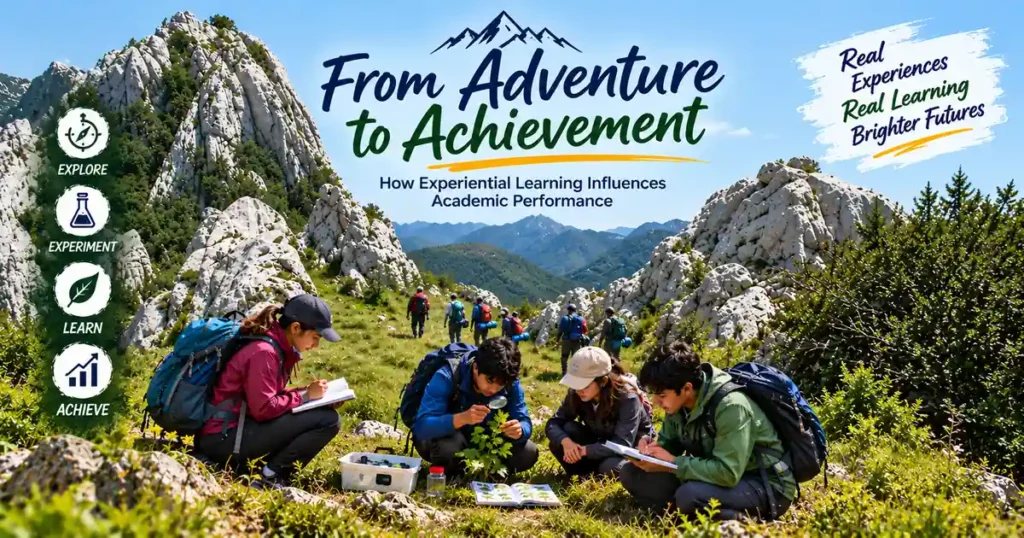
From Adventure to Achievement: Making Learning Last
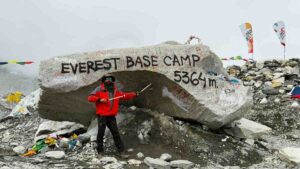
The real value of experiential learning is not the photograph taken at the campsite or the excitement of completing a trek. It is what students carry back into the classroom. A student who learns to analyse a route may become more confident in solving academic problems. A student who learns to communicate during a team challenge may participate more actively in group projects. A student who struggles with failure may discover through adventure that setbacks can become opportunities to try a different strategy. Experiential learning therefore works best when adventure is not treated as an escape from education—but as another environment for education.
Conclusion: Learning Beyond the Classroom
Experiential learning and academic performance are connected through engagement, application, reflection and skill development. Adventure activities can create powerful learning situations, but the adventure itself is only the beginning. When schools deliberately connect outdoor experiences with curriculum objectives, reflection and assessment, students can move from experience to understanding, understanding to application, and application to achievement. The most powerful classroom may sometimes be a mountain trail, a forest, a riverbank or a campsite. Because when students experience learning rather than simply hear about it, education can become something they remember—and use.
Turn Learning Into an Experience
Looking to create meaningful school adventure and experiential learning programmes that combine adventure, teamwork, leadership, outdoor education and real-world learning? Wanderin’ Man Adventures can help schools design structured experiences that go beyond sightseeing and create opportunities for students to learn, reflect and grow.