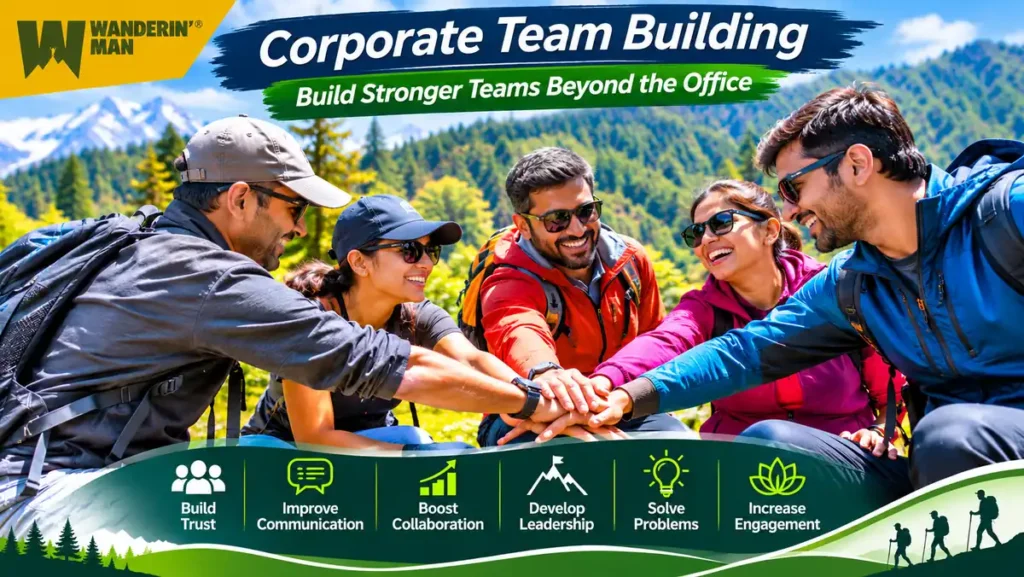
Corporate Guide to Team Building:Adventure way
Introduction
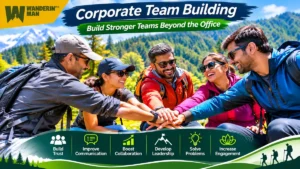
In today’s competitive business environment, organisational success depends not just on individual talent but on how effectively people work together. Strong teams communicate openly, solve problems collectively, adapt to challenges and support one another in achieving common goals. This is where corporate team building becomes important. Well-designed team-building programmes help employees develop trust, improve workplace communication and strengthen professional relationships beyond their everyday responsibilities. From outdoor adventure activities to leadership challenges and experiential learning programmes, organisations now have several ways to build stronger and more productive teams. This corporate guide to team building explores its importance, benefits, activities and practical strategies for designing successful corporate team-building programmes.
What Is Corporate Team Building and Why Does It Matter?
Corporate team building refers to planned activities and experiences designed to improve collaboration, communication, trust and coordination among employees. Unlike routine office meetings or training sessions, team-building activities encourage employees to interact in different situations. They provide opportunities to understand individual strengths, recognise collective responsibilities and develop a shared sense of achievement. Team building is particularly valuable for organisations dealing with:
- Communication gaps between departments.
- Low employee engagement and motivation.
- Workplace conflicts and coordination challenges.
- Newly formed or geographically distributed teams.
- Leadership development and succession planning.
- Organisational restructuring and changing business priorities.
A strong team culture helps employees move beyond individual responsibilities towards shared organisational objectives.
Key Benefits of Team Building for Businesses
A well-planned corporate team-building programme can deliver benefits that extend beyond the activity itself.
1. Improves Workplace Communication
Interactive team challenges encourage employees to listen, exchange ideas and communicate clearly. These experiences can improve everyday workplace interactions.
2. Builds Trust and Mutual Respect
When employees face challenges together, they learn to depend on one another. This strengthens professional relationships and creates a more supportive working environment.
3. Develops Leadership and Decision-Making Skills
Team-building exercises provide opportunities for employees to demonstrate initiative, manage responsibilities and make decisions under pressure.
4. Strengthens Problem-Solving Abilities
Group challenges encourage participants to analyse situations, identify solutions and work collectively towards achievable outcomes.
5. Increases Employee Engagement and Motivation
Meaningful shared experiences help employees feel connected to their colleagues and organisation, contributing to a stronger sense of belonging.
6. Encourages Adaptability and Resilience
Unfamiliar situations teach employees to respond positively to change, manage uncertainty and approach challenges with confidence.
Best Team-Building Activities for Corporate Employees
Choosing the right team-building activities is essential to achieving meaningful outcomes. Activities should reflect organisational objectives, employee capabilities and the desired learning experience.
1. Outdoor Adventure and Team Challenges
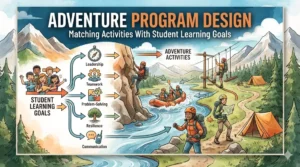
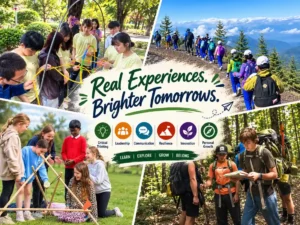
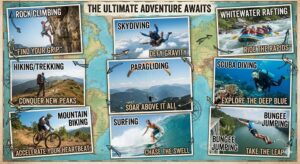
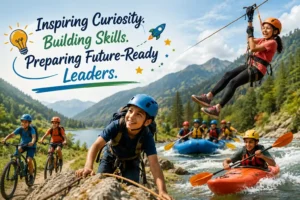
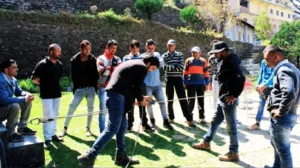
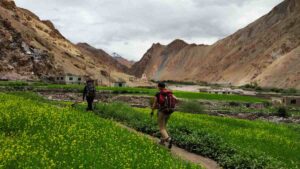
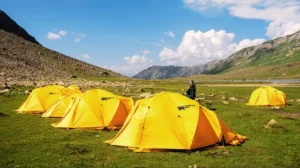
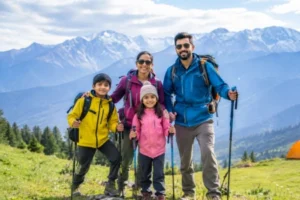
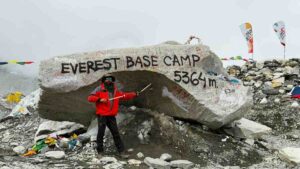
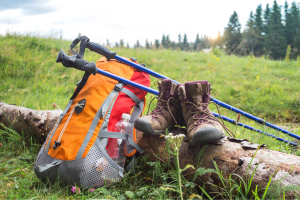
Activities such as trekking, rope courses, camping, rock climbing and rafting encourage collaboration, mutual support and practical problem-solving. These experiences take employees outside their familiar workplace environment and provide opportunities to develop resilience and teamwork.
2. Leadership and Problem-Solving Exercises
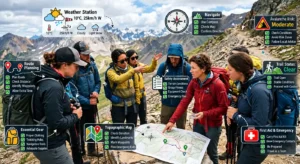
Group tasks, navigation challenges, survival simulations and decision-making games help employees practise leadership, planning and collective responsibility.
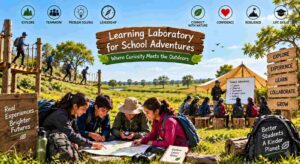
3. Experiential Learning Programmes
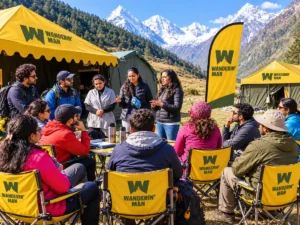
Experiential learning combines practical activities with guided reflection. Participants experience a challenge, discuss their decisions and identify lessons that can be applied to professional situations.
4. Corporate Retreats and Outdoor Camps
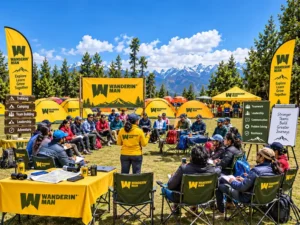
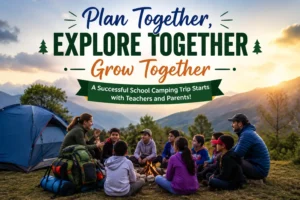
Corporate retreats offer employees an opportunity to disconnect from routine work, interact informally and participate in structured team-building experiences. Outdoor camps can combine adventure activities, leadership workshops, group discussions and recreational experiences.
5. Communication and Collaboration Games
Problem-solving games, treasure hunts and group coordination exercises encourage employees to share information, listen actively and work towards common goals.
Adventure-Based Team Building: Learning Beyond the Office
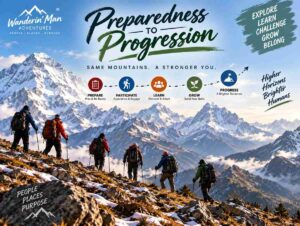
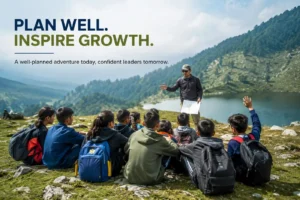
Traditional indoor activities can be useful, but adventure-based team building introduces employees to practical situations that require cooperation, adaptability and shared decision-making. Consider a trekking expedition. Participants must coordinate their pace, support colleagues, manage resources and respond to changing conditions. The experience reinforces the importance of collective responsibility. Similarly, a rope course requires participants to trust their teammates, communicate instructions and overcome individual hesitation.
Such activities create opportunities to practise:
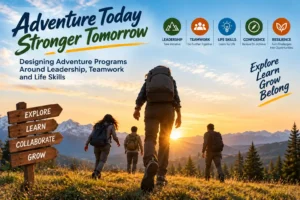
- Leadership through responsibility.
- Trust through mutual support.
- Communication through coordination.
- Resilience through overcoming challenges.
- Decision-making through practical experiences.
The real value lies not simply in completing an adventure activity but in understanding how the experience relates to workplace behaviour.
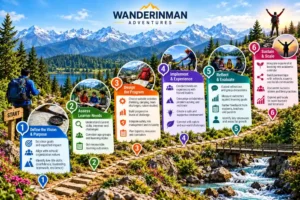
How to Plan a Successful Corporate Team-Building Programme
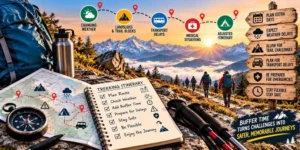
An effective programme requires thoughtful planning rather than simply selecting entertaining activities.
Step 1: Identify Your Organisational Objectives
Decide whether the programme should improve communication, develop leadership, strengthen departmental relationships or increase employee engagement.
Step 2: Understand Your Participants
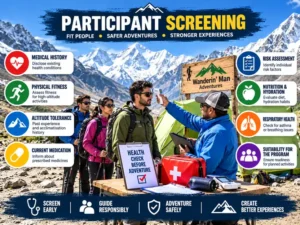
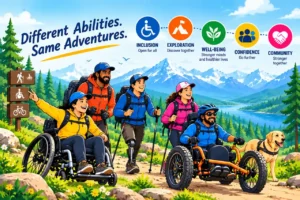
Consider team size, age groups, fitness levels, accessibility requirements and individual preferences before selecting activities.
Step 3: Select the Right Activities and Location
Choose between indoor exercises, outdoor adventure activities, corporate retreats or experiential learning camps according to your objectives.
Step 4: Prioritise Safety and Professional Facilitation
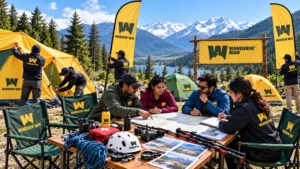
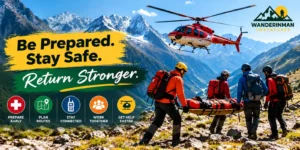
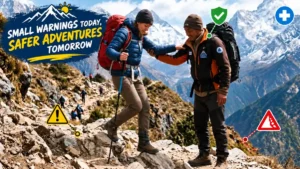
Adventure-based programmes must include trained instructors, suitable equipment, participant screening, emergency preparedness and appropriate risk-management procedures.
Step 5: Include Reflection and Learning Sessions
A structured debrief helps participants connect their experiences with workplace situations and identify practical improvements.
Step 6: Measure Programme Effectiveness
Collect participant feedback and evaluate improvements in communication, collaboration, employee engagement and team coordination.
Why Choose Wanderin’ Man Adventures for Corporate Team Building?
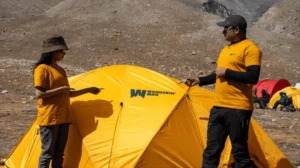
At Wanderin’ Man Adventures, we believe that some of the most meaningful lessons in teamwork happen beyond the conventional workplace. We design customised adventure-based and experiential learning programmes that bring employees together through practical challenges and shared experiences. Our programmes can include:
- Corporate adventure camps and outdoor retreats.
- Himalayan trekking and nature-based experiences.
- Leadership and team coordination challenges.
- Experiential learning and problem-solving activities.
- Customised programmes for different organisational requirements.
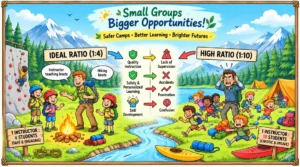
With experienced adventure leaders, structured safety protocols, small-group supervision and professionally planned activities, we focus on delivering meaningful experiences rather than entertainment alone. Whether your organisation is planning a one-day team-building event or a multi-day corporate adventure retreat, we can develop a programme around your objectives.
Conclusion: Build Stronger Teams Through Shared Experiences
Successful organisations understand that teamwork is developed through consistent interaction, trust and shared responsibility. Corporate team building provides employees with opportunities to strengthen professional relationships, improve communication and develop the skills needed to perform collectively. By combining experiential learning with adventure-based activities, organisations can create memorable experiences that encourage employees to think differently, support one another and work towards common goals.
Ready to build a stronger and more collaborative workforce? Explore customised corporate team-building programmes with Wanderin’ Man Adventures and take your team’s learning beyond the office.