Lessons from camps for corporates
Introduction
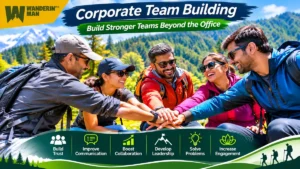
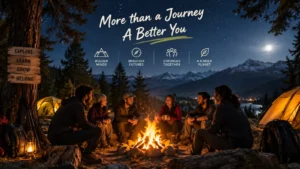
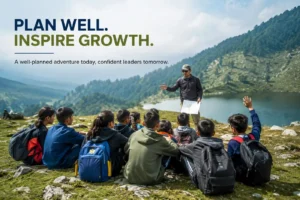
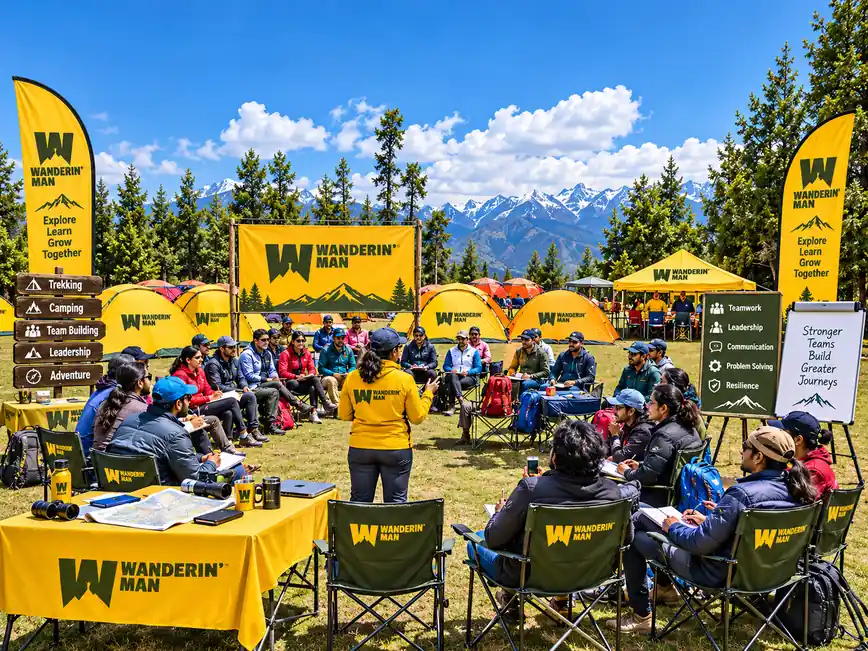
What can a mountain campsite teach a corporate professional about leadership, teamwork and decision-making? Surprisingly, quite a lot. In a corporate environment, employees often learn through presentations, workshops, management training and formal development programmes. However, some of the most valuable professional lessons emerge when people step outside their familiar surroundings and face real-world challenges together. This is where lessons from camps for corporates become particularly meaningful. Outdoor adventure camps provide an environment where employees can experience teamwork, develop leadership qualities, improve communication and learn to respond to unexpected situations.
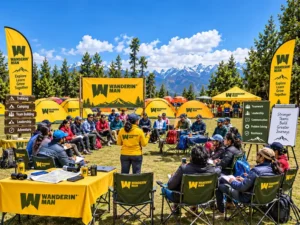
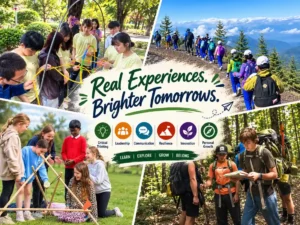
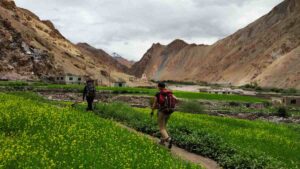
Whether it involves trekking through mountain trails, setting up camps, navigating unfamiliar terrain or completing group challenges, every activity creates an opportunity for experiential learning. Here are ten important lessons that corporate organisations can take from outdoor adventure camps and apply to everyday workplace situations.
1. Teamwork Is Stronger Than Individual Performance
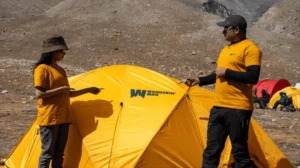
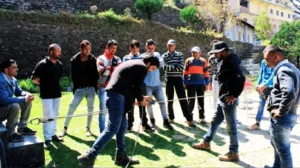
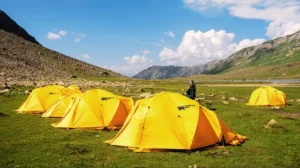
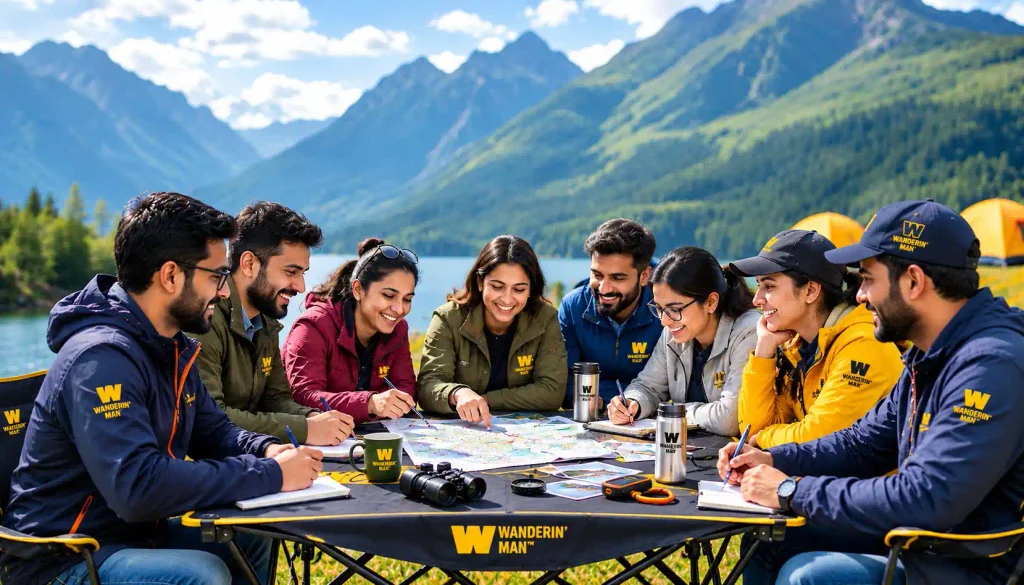
A successful campsite is rarely the achievement of one individual. Setting up tents, organising equipment, preparing meals and completing outdoor challenges require people to work together. Similarly, corporate success depends on collaboration between departments, managers and employees. Individual excellence is important, but organisational objectives are achieved when people combine their abilities and work towards shared goals.
Corporate takeaway: Encourage employees to move beyond individual targets and develop a collaborative approach to achieving organisational results.
2. Leadership Is About Taking Responsibility
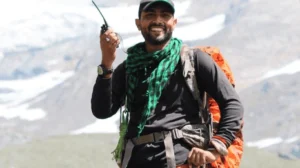
Outdoor camps offer opportunities for different participants to take leadership roles. Whether guiding a group along a trail or coordinating a campsite activity, effective leadership requires responsibility, awareness and the ability to support others. Leadership is not simply about giving instructions. It involves understanding team capabilities, making informed decisions and remaining accountable when situations become challenging.
Corporate takeaway: Develop leadership through practical responsibilities, team assignments and decision-making exercises rather than relying exclusively on classroom training.
3. Communication Prevents Confusion and Builds Trust
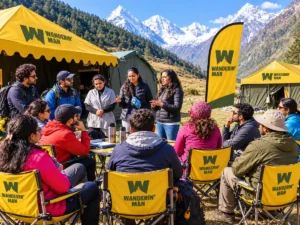
In the mountains, clear communication can make a significant difference. Participants need to understand instructions, coordinate movements and communicate concerns to ensure everyone remains safe. The same principle applies to corporate workplaces. Miscommunication between departments can lead to delays, unnecessary conflicts and poor execution. Outdoor team building activities help employees understand the importance of listening, sharing information and communicating clearly.
Corporate takeaway: Build a workplace culture where employees communicate openly, listen actively and clarify expectations.
4. Adaptability Is Essential When Plans Change
Outdoor adventures rarely unfold exactly as planned. Weather conditions, terrain, logistical challenges and other unexpected developments may require a group to change its approach. Participants learn to remain flexible, assess alternatives and adjust their plans without losing sight of their objectives. Businesses face similar circumstances through changing customer expectations, market conditions, technology and competition.
Corporate takeaway: Encourage employees to embrace change, evaluate alternatives and respond constructively to unexpected business situations.
5. Problem-Solving Develops Through Real Experiences
A challenging trail, an equipment-related issue or an unexpected campsite situation requires participants to think practically and identify solutions. These experiences encourage people to analyse problems, consider available resources and make decisions under pressure. Experiential learning for employees creates opportunities to apply problem-solving skills rather than simply discussing theoretical situations.
Corporate takeaway: Introduce practical team challenges that encourage employees to think independently, share ideas and develop solutions collectively.
6. Resilience Helps People Overcome Challenges
Adventure camps teach an important lesson: discomfort and challenges are often part of progress. Trekking uphill, completing demanding activities and adjusting to unfamiliar surroundings require patience, determination and mental resilience. In professional environments, employees also encounter demanding targets, tight deadlines, organisational changes and unexpected setbacks.
Corporate takeaway: Develop workplace resilience by encouraging employees to approach difficulties with a positive mindset, persistence and a willingness to learn.
7. Planning and Preparation Determine Success
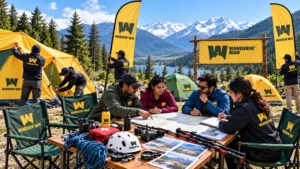
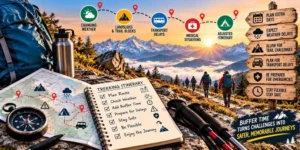
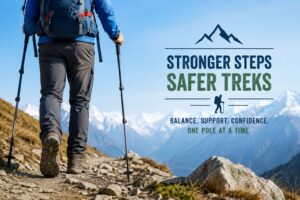
A successful adventure camp requires preparation. Participants need appropriate clothing, equipment, food, accommodation and a properly structured itinerary. Even a small oversight can affect the overall experience. Corporate projects follow the same principle. Successful execution depends on clear objectives, resource allocation, timelines, contingency planning and coordination.
Corporate takeaway: Help employees understand that effective execution begins with preparation, planning and attention to detail.
8. Trust Creates Stronger Professional Relationships
Outdoor activities encourage participants to depend on one another. Whether navigating a trail or completing a group challenge, individuals learn to recognise the strengths and limitations of their teammates. This builds mutual respect and creates opportunities for stronger interpersonal relationships. In organisations, trust improves collaboration, employee engagement and confidence between colleagues and managers.
Corporate takeaway: Organise meaningful team bonding activities that encourage mutual support, respect and stronger professional relationships.
9. Decision-Making Requires Awareness and Accountability
Adventure environments often present situations where participants must evaluate available options before taking action. Decisions about routes, resources, timing and group coordination require careful assessment and an understanding of possible consequences. Corporate professionals face comparable responsibilities when managing projects, allocating budgets, resolving operational issues and responding to customers.
Corporate takeaway: Develop decision-making capabilities through activities that encourage employees to assess situations, evaluate risks and take responsibility for their choices.
10. Shared Experiences Create a Stronger Organisational Culture
One of the most valuable outcomes of a corporate adventure camp is the shared experience. Employees who participate in challenges together often develop a better understanding of one another beyond their formal job responsibilities. These experiences can strengthen relationships, improve morale and create lasting memories. A positive organisational culture is built not only through policies and performance reviews but also through meaningful interactions.
Corporate takeaway: Make experiential learning and employee engagement an ongoing part of organisational development.
How Corporates Can Apply Lessons from Adventure Camps in the Workplace?
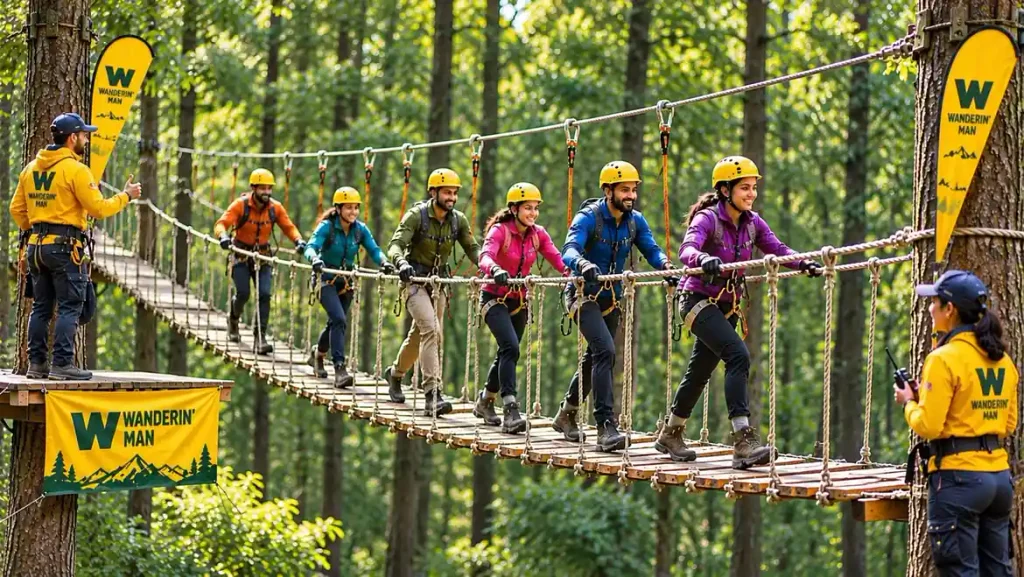
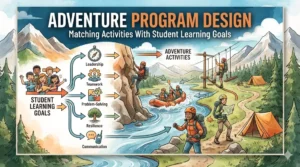
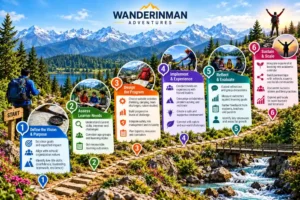
Learning from outdoor camps becomes meaningful when employees can connect their experiences to professional responsibilities. Organisations can achieve this by integrating adventure-based team building with structured reflection and workplace action plans. For example:
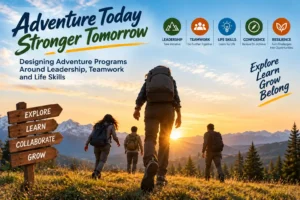
- Leadership: Assign rotating team leaders during group activities.
- Communication: Conduct collaborative navigation and coordination exercises.
- Problem-solving: Introduce group challenges that require collective solutions.
- Resilience: Design appropriately graded outdoor challenges that encourage perseverance.
- Planning: Give teams responsibility for organising specific camp activities.
- Collaboration: Encourage cross-functional teams to complete shared objectives.
A post-activity discussion is equally important. Employees should reflect on what they experienced, what they learned and how they can apply those lessons in their professional roles.
Why Choose Adventure-Based Corporate Camps?
Traditional corporate training programmes have their place, but outdoor experiential learning adds an important practical dimension. Adventure-based corporate programmes take employees away from familiar office routines and place them in environments that encourage interaction, participation and learning through experience. At Wanderin’ Man Adventures, corporate adventure programmes can be designed around organisational objectives, employee capabilities, group size and programme duration. Activities such as trekking, camping, outdoor team challenges and group problem-solving exercises can be incorporated into customised experiences. The emphasis is on creating meaningful learning opportunities while maintaining appropriate safety standards, professional supervision and structured programme delivery.
Conclusion: Take the Lessons from the Mountains to the Workplace
The mountains offer more than adventure. They provide opportunities to understand leadership, teamwork, communication, resilience and responsibility through practical experiences. The lessons from camps for corporates extend beyond the campsite. When employees return to their workplaces, they can bring a stronger appreciation of collaboration, improved interpersonal understanding and a fresh perspective on challenges. For organisations looking to develop stronger teams and more effective leaders, adventure-based experiential learning can be a valuable addition to corporate development programmes.
Step outside the office. Experience the challenge. Bring the learning back to work.
Discover experiential learning and customised corporate adventure programmes with Wanderin’ Man Adventures.