Rise of Micro-Adventures: Why Short Adventures Are Replacing Weekend Vacations?
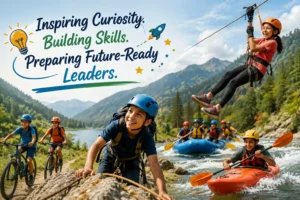
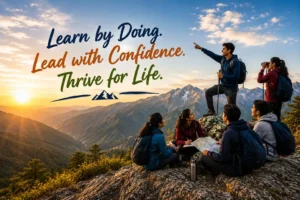
Micro-adventures are changing the way people think about short breaks, outdoor recreation and weekend travel. Instead of waiting for a long holiday to explore the outdoors, travellers can now choose short adventure experiences such as trekking, camping, cycling, nature walks, sunrise hikes and other outdoor activities that fit into a few hours or a day. For busy professionals, families, students and experience-driven travellers, this approach offers an important advantage: adventure does not always require a long vacation. A carefully planned short adventure trip can provide physical activity, exploration, learning and a break from everyday routines without requiring an extended absence from work or home. At the same time, micro-adventures are not simply about doing something quickly. The real value lies in making limited time outdoors more purposeful. This article explores the rise of micro-adventures in India, why short adventure trips are becoming attractive, how they differ from conventional weekend vacations, what activities you can try, and how to plan them responsibly and safely.
What Are Micro-Adventures?
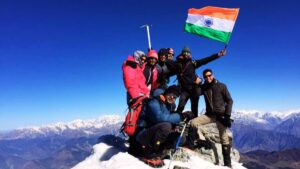
A micro-adventure is a short, accessible outdoor experience designed to fit around everyday life. It may last a few hours, a day or, depending on the activity, a short weekend. The concept is simple: instead of believing that adventure requires a remote destination, expensive equipment or several days away, people can find meaningful outdoor experiences closer to home.
Examples include:
- Short trekking routes
- Sunrise or sunset hikes
- Weekend camping
- Nature walks
- Mountain or recreational cycling
- Outdoor photography trips
- Introductory climbing experiences
- Rappelling programmes
- Kayaking and other water-based activities
- Outdoor skills workshops
- Short family adventure programmes
The important factor is not simply duration. A micro-adventure should provide a genuine opportunity to explore, participate, learn or reconnect with the outdoors.
Why Are Micro-Adventures Becoming Popular?
Modern lifestyles have created a curious contradiction. People increasingly want experiences, nature and physical activity, yet many have limited time to travel. A conventional holiday may require several days of leave, advance planning, transportation and a larger budget. A short adventure can reduce some of those barriers.
Limited Time Is Changing Travel Behaviour
For working professionals, taking a week away from work may not always be practical. However, a Saturday morning trek, one-day camping programme or short cycling adventure may be much easier to accommodate. Therefore, micro-adventures make outdoor recreation more compatible with modern schedules.
People Want Experiences, Not Just Destinations
Travel is also becoming more experience-oriented. Instead of simply visiting a destination, travellers increasingly want to participate in something meaningful. A trail, campsite, river or mountain becomes more than a location when the traveller actively engages with it. This is consistent with the broader transformation of adventure sports in India, where the emphasis is moving beyond adrenaline towards learning, family experiences, personal growth and meaningful outdoor participation.
Are Micro-Adventures Replacing Weekend Vacations?
Not necessarily, It is more accurate to say that micro-adventures are creating another option for short breaks. A conventional weekend vacation may involve travelling to a destination, staying in accommodation, sightseeing, eating out and returning home. A micro-adventure can instead make the activity itself the centre of the experience. For example, a traveller may choose:
Destination-focused weekend:
Travel → hotel → sightseeing → restaurants → return.
Adventure-focused weekend:
Travel → trek/camp/cycle → explore → participate → reflect → return.
Neither approach is inherently better. They simply satisfy different needs. Micro-adventures are particularly attractive when travellers want activity, nature and participation without committing to a long holiday.
Micro-Adventures in India: A Growing Opportunity
India is particularly suited to short adventure experiences because of its geographical diversity. The country offers mountains, forests, rivers, coastlines, deserts, plateaus and rural landscapes. Consequently, outdoor experiences do not have to be limited to long Himalayan expeditions. Depending on location, season, participant ability and operator capability, short adventure experiences can include:
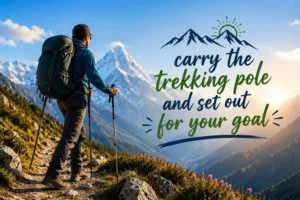
- Himalayan day hikes and short treks
- Weekend camping
- Mountain cycling
- Nature trails
- Forest exploration
- River-based activities
- Outdoor learning programmes
- Family camping
- Introductory climbing experiences
- Team-based outdoor challenges
The opportunity is therefore not simply to create shorter versions of long expeditions. It is to design outdoor experiences specifically for limited time. That distinction is important. A good micro-adventure should have its own objective, route, activity structure, safety plan and participant expectations.
10 Micro-Adventure Ideas for a Weekend
If you want to begin with a short adventure, consider activities that match your location, fitness, experience and available time.
1. Sunrise Hike
A short early-morning hike can combine physical activity with a memorable natural setting. However, participants should understand the route and start time in advance, particularly when travelling in unfamiliar terrain.
2. Short Trek
A half-day or one-day trek can be an excellent introduction to outdoor adventure. Choose the difficulty according to participant fitness and experience rather than selecting a route simply because it looks impressive on social media.
3. Weekend Camping
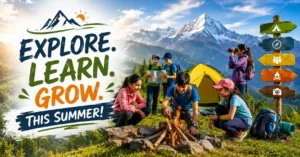
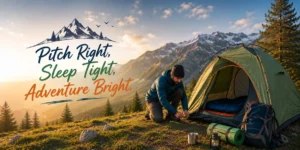
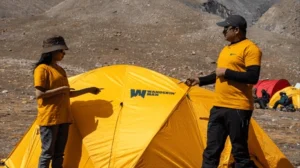
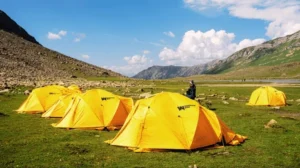
Camping provides a simple way to disconnect from routine while learning practical outdoor skills. A well-designed camping experience can include shelter setup, responsible camp practices, nature observation, outdoor games and group activities.
4. Cycling Adventure
A recreational cycling route can transform a familiar landscape into a new experience. The route should account for terrain, traffic, weather, fitness and access to assistance where necessary.
5. Nature Walk
A nature walk is one of the most accessible forms of micro-adventure. It can also become an educational experience when participants learn about local ecosystems, plants, wildlife and responsible outdoor behaviour.
6. Outdoor Photography Expedition
Photography can provide a reason to slow down and observe landscapes, wildlife and changing light. It works particularly well for people who want an outdoor experience without highly demanding physical activity.
7. Introductory Climbing Experience
Climbing can offer a strong combination of physical challenge, concentration and problem-solving. Because technical activities involve specific hazards, they should be conducted under appropriate supervision using suitable equipment and procedures.
8. Family Camping
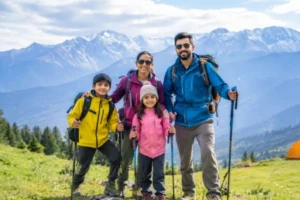
A short family camping programme can give parents and children an opportunity to explore, communicate and participate in activities together. Wanderin’ Man’s existing guidance on family adventure programmes highlights trekking, camping, cycling, nature exploration and age-appropriate outdoor challenges as possible components of a family experience.
9. Outdoor Skills Workshop
Learning to use basic outdoor equipment, understand navigation or participate in a structured camping activity can make a short trip more meaningful. The objective is not simply to spend time outdoors but to develop confidence through participation.
10. Team Adventure Challenge
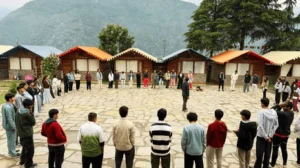
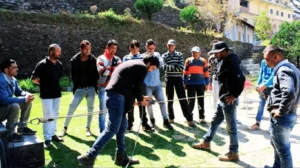
Groups can combine a short outdoor activity with communication, cooperation and problem-solving challenges. This can work particularly well for schools, organisations and corporate groups when activities are designed around clear objectives.
Why Micro-Adventures Appeal to Busy Professionals
Time is one of the biggest barriers to adventure travel. Professionals may have demanding work schedules, family responsibilities and limited opportunities for extended leave. Consequently, short adventure trips can offer a more realistic way to maintain an active outdoor lifestyle. A micro-adventure can provide:
- Physical movement
- Mental separation from routine
- Time in nature
- Social interaction
- A sense of achievement
- An opportunity to learn something new
However, the objective should not be to turn every free weekend into another demanding schedule. The best micro-adventures should leave participants feeling refreshed rather than exhausted.
Why Families Are Choosing Short Adventure Experiences
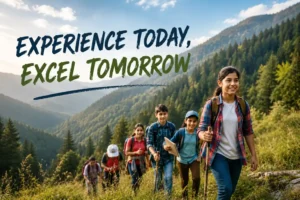
Families often want holidays that provide entertainment as well as meaningful interaction. A short camping programme, nature trail, cycling activity or introductory trek can give parents and children something to accomplish together. Instead of simply consuming entertainment, family members participate. Children can develop confidence by completing age-appropriate challenges. Parents can encourage communication and cooperation. At the same time, everyone gets an opportunity to spend time away from screens and routine. For families looking for more than conventional sightseeing, family adventure activities can turn a short break into a shared experience.
For more ideas on designing meaningful family outdoor experiences, see Wanderin’ Man’s guide to family adventure programmes.
Micro-Adventures Can Support Experiential Learning
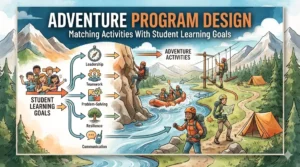
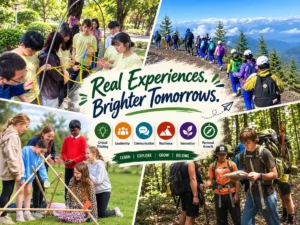
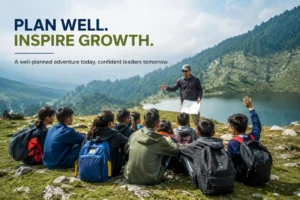
Short outdoor experiences can also become learning environments. Students do not always need a multi-day expedition to experience teamwork, decision-making and problem-solving. A carefully designed short outdoor programme can involve:
- Team challenges
- Nature observation
- Navigation
- Communication exercises
- Leadership tasks
- Reflection activities
- Environmental awareness
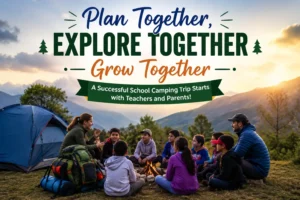
The educational value depends on programme design rather than simply spending time outside. Schools planning a structured adventure experience can also refer to Wanderin’ Man’s guide on planning a successful school adventure camp, which covers objectives, age-appropriate activities, safety planning, emergency preparedness and evaluation.
Micro-Adventures and Personal Growth
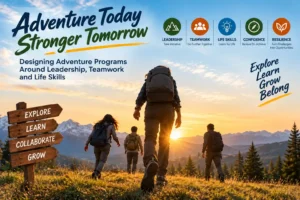
Adventure does not have to be extreme to be challenging. A person trying their first trek may experience uncertainty. A child may feel nervous about camping. A beginner cyclist may have to complete a demanding route. A team may need to solve an unfamiliar outdoor problem. These situations create small opportunities to practise:
- Confidence
- Adaptability
- Perseverance
- Decision-making
- Communication
- Problem-solving
The value comes from the process of facing an appropriate challenge and learning from it. This connects naturally with the broader role of outdoor experiences in developing resilience and life skills.
Safety Comes First in Every Micro-Adventure
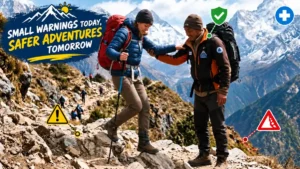
Short does not mean risk-free. Even a few-hour outdoor activity can involve changing weather, difficult terrain, water hazards, equipment issues, fatigue or navigation problems. The Government of India’s National Strategy for Adventure Tourism states that adventure activities involve inherent risk and that adventure-activity providers need to manage those risks appropriately. The strategy also identifies safety-management standards including ISO 21101 and relevant BIS standards as benchmarks.
For this reason, participants and organisers should consider:
Route and Activity Assessment
The activity should match the terrain, weather, participant ability and available time.
Weather Monitoring
Outdoor conditions can change quickly. Weather information should therefore form part of pre-activity planning and decision-making.
Appropriate Equipment
Equipment should be appropriate for the activity and participant. Where technical equipment is required, it should be properly inspected and used according to established procedures.
Trained Leaders
Activities involving technical or environmental risks should be led by appropriately trained and experienced personnel.
Emergency Preparedness
A responsible programme should consider communication, first aid, emergency contacts, evacuation arrangements and contingency planning.
Participant Briefing
Participants should understand the route, activity, equipment, behavioural expectations and relevant safety procedures before starting. These principles are consistent with the purpose of ISO 21101’s adventure-tourism safety management system, which provides requirements for adventure-tourism activity providers and was confirmed as current in 2025.
ATOAI also publishes adventure-tourism SOPs covering safety, quality, sustainability, compliance and training standards.
How to Plan Your First Micro-Adventure
A successful short adventure does not need complicated planning. It does, however, need realistic planning.
Step 1: Define Your Time
Decide whether you have a few hours, one full day or an overnight window. Do not select the activity first and then try to force it into your schedule.
Step 2: Choose the Right Activity
Consider your fitness, experience and interests. Beginners should generally start with manageable activities before progressing to more demanding terrain or technical experiences.
Step 3: Check the Destination
Consider accessibility, weather, terrain, facilities, emergency access and local conditions.
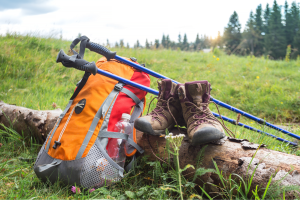
Step 4: Prepare the Essentials
Depending on the activity, this may include:
- Appropriate clothing
- Water
- Food or snacks
- First-aid essentials
- Navigation or communication equipment
- Activity-specific equipment
- Sun and weather protection
- Identification and emergency information
Step 5: Build in Time for Rest
A common mistake is trying to fit too much into a short adventure. A meaningful outdoor experience needs time to pause, observe, eat, hydrate and enjoy the surroundings.
Step 6: Respect the Environment
A short adventure should have a small environmental footprint. Carry waste back where appropriate, avoid damaging vegetation, respect wildlife and local communities, and follow responsible outdoor practices. For a broader sustainability framework, ISO 20611 on sustainable adventure tourism practices provides requirements and recommendations covering environmental, social and economic aspects of adventure tourism.
How to Choose a Micro-Adventure Operator
When an activity involves technical skills, unfamiliar terrain or specific safety risks, choosing the right operator matters. Do not compare programmes only on price. Look for evidence of:
- Experienced programme leaders
- Appropriate activity-specific training
- Clearly explained itineraries
- Safety briefings
- Suitable equipment
- Emergency procedures
- Weather and route assessment
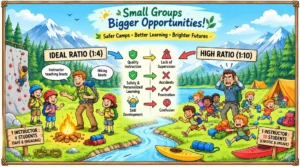
- Appropriate participant-to-leader ratios
- Transparent inclusions and exclusions
- Responsible environmental practices
Ask questions before booking.
Who leads the programme?
What happens if weather conditions change?
What emergency arrangements are available?
Is the activity appropriate for beginners or children?
What equipment and support are included?
A professional operator should be able to explain the programme clearly rather than relying only on attractive photographs or promotional claims.
Micro-Adventures Should Be Designed Around the Participant
There is no universal definition of the perfect micro-adventure. For one person, it may be a quiet nature trail. For another, it could be a demanding mountain trek. A family may prefer camping and outdoor games, while a school may need a structured programme with learning outcomes.
Therefore, the right question is not:
“What is the most exciting adventure?”
It is:
“What adventure is appropriate for these participants, this destination and this amount of time?”
That shift from intensity to suitability is one of the most important principles in responsible adventure programme design.
The Future of Micro-Adventures in India
Micro-adventures are unlikely to eliminate conventional holidays. Instead, they are likely to become another important form of outdoor recreation and short-distance travel. As travellers become more conscious of time, experience and personal wellbeing, short adventure programmes can occupy an increasingly useful space between everyday recreation and extended holidays. The opportunity is particularly strong for experiences that combine:
- Adventure
- Nature
- Learning
- Wellness
- Family interaction
- Teamwork
- Environmental awareness
- Responsible travel
For adventure operators, this means designing programmes differently. The future is not simply about making long adventure programmes shorter. It is about creating purpose-built short adventure experiences that are safe, engaging, accessible and meaningful.
Why Micro-Adventures Matter
The biggest appeal of a micro-adventure is its simplicity. You do not always need a week away from work. You do not always need an expensive holiday. You do not always need to travel hundreds of kilometres. Sometimes, you need a suitable trail, a few hours, good preparation and the willingness to step outside your normal routine. That is the real promise of micro-adventures: making meaningful outdoor experiences more achievable within modern life. For travellers in India, this creates an opportunity to rediscover nearby landscapes, become more active, spend time with family and friends, and experience adventure without waiting for the next long vacation.
Plan Your Next Micro-Adventure With Wanderin’ Man
A short adventure can be simple, but it should still be thoughtfully designed. At Wanderin’ Man Adventures, outdoor experiences can be developed around the participants, destination, duration and purpose. Whether you are looking for a short trek, camping experience, family adventure, student programme or customised outdoor experience, the objective should be to create an experience that is engaging, responsible and appropriate for the people taking part.
Explore Wanderin’ Man’s adventure programmes or discover our school adventure programmes to find an outdoor experience that fits your group.
Your next adventure does not have to be long. It simply has to be meaningful.