Inclusive Adventure Activities for Differently Abled People: Creating Accessible Outdoor Experiences
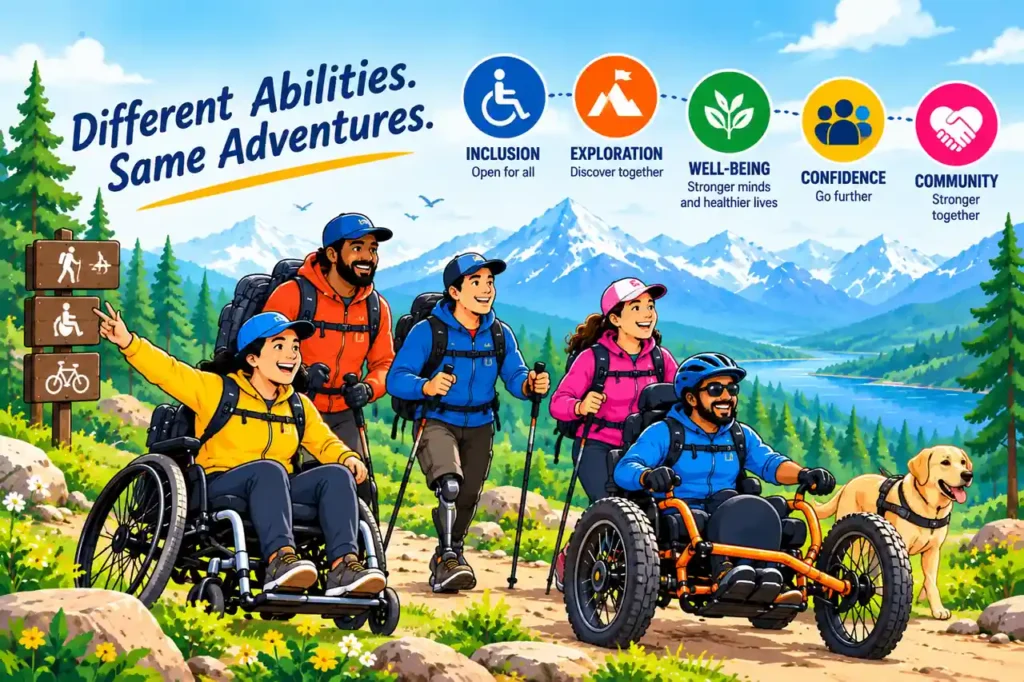
Inclusive adventure activities for differently abled people create opportunities to explore nature, develop skills, and enjoy outdoor experiences with dignity and confidence. However, meaningful inclusion requires more than inviting everyone to participate. It involves understanding individual interests, removing accessibility barriers, adapting activities, and providing appropriate support. From sensory nature walks and adaptive cycling to inclusive team-building, thoughtfully designed experiences can make outdoor recreation more welcoming. Equally important is listening to people with disabilities to understand what excites them, what challenges they want to experience, and how they prefer to participate.
What Are Inclusive Adventure Activities for Differently Abled People?
Inclusive adventure activities are outdoor recreational and experiential learning experiences designed to accommodate people with different physical, sensory, intellectual, and developmental disabilities. Adaptations may include accessible pathways, modified equipment, visual or verbal instructions, flexible participation, and additional support. The objective is not to make every activity suitable for everyone. Instead, it is to provide meaningful choices that respect individual preferences, abilities, independence, and safety. The United Nations Convention on the Rights of Persons with Disabilities recognises the importance of equal participation in recreation, leisure, sport, and tourism under Article 30. Read Article 30.
Why Are Inclusive Outdoor Adventure Programs Important?
Outdoor experiences can create opportunities for social interaction, skill development, physical activity, and personal discovery. When activities are appropriately designed, participants may also develop confidence and a stronger sense of belonging.
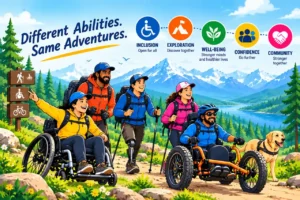
- Confidence: Participants can explore interests, practise skills, and celebrate personal achievements.
- Social inclusion: Cooperative activities encourage communication and meaningful interaction.
- Problem-solving: Group challenges create opportunities to consider options and make decisions.
- Physical well-being: Suitable recreational movement can support health and participation.
- Connection with nature: Outdoor experiences encourage curiosity, exploration, and environmental awareness.
These benefits are not guaranteed or identical for everyone. The experience should be enjoyable and meaningful on the participant’s own terms.
Best Inclusive Adventure Activities for People with Disabilities
The following examples illustrate possible activities and adaptations. Their suitability depends on individual requirements, accessible facilities, equipment, and appropriate supervision.
1. Accessible Nature Walks and Sensory Trails
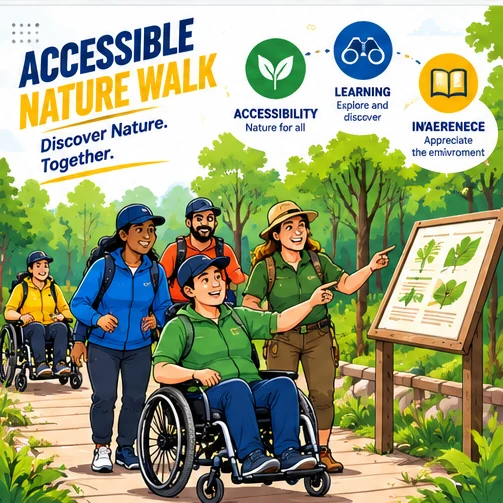
Accessible nature walks can incorporate suitable pathways, resting points, clear directions, and accessible facilities. Sensory trails may include bird sounds, tactile displays, aromatic plants, and opportunities to experience the natural environment in different ways. For participants with visual impairments, verbal descriptions and agreed guidance methods may help. Quiet spaces, predictable routes, and opportunities to pause may benefit people with sensory sensitivities.
2. Adaptive Cycling and Outdoor Mobility Activities
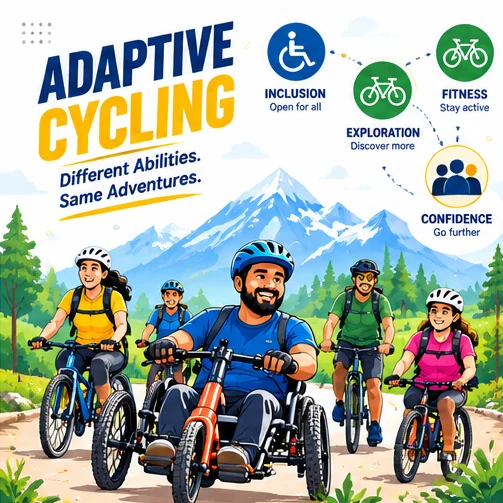
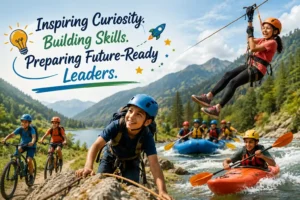
Adaptive cycling may involve handcycles, tandem bicycles, stable tricycles, or other suitable equipment. The appropriate option depends on mobility, balance, posture, control, and personal preference. Routes should be checked for gradients, surfaces, traffic, and safe stopping points. Equipment must fit the participant and be checked before use.
3. Inclusive Trekking and Supported Hiking
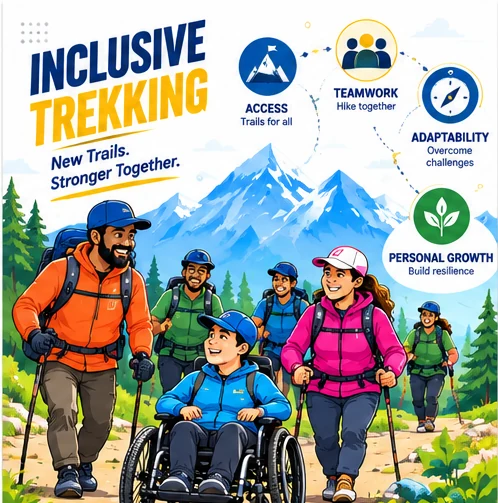
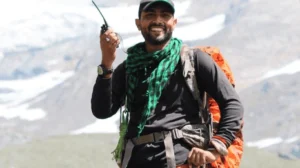
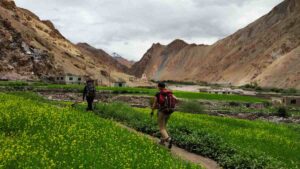
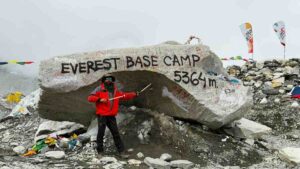
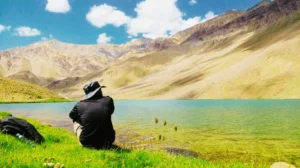
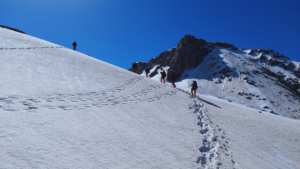
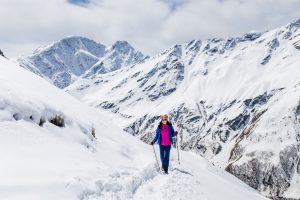
Inclusive trekking can involve short nature walks, accessible trails, supported hiking, or carefully selected outdoor routes. Adaptations may include shorter distances, flexible pacing, rest stops, and suitable mobility equipment. Remote mountain trails require additional caution because uneven terrain, altitude, weather, and limited evacuation access can increase risk. Every proposed route needs an appropriate assessment rather than assumptions about accessibility.
4. Adaptive Kayaking and Water-Based Activities
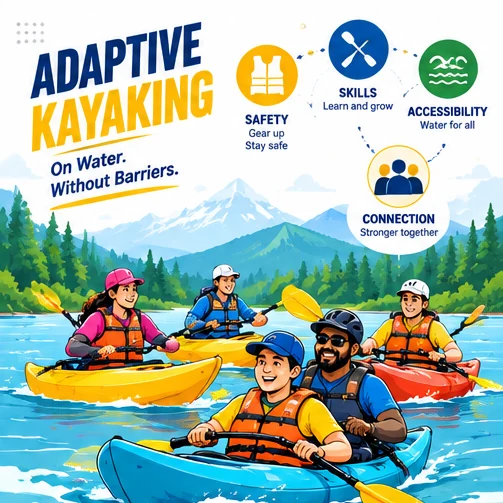
Where suitable facilities and specialist instruction are available, adaptive kayaking may incorporate supportive seating, modified paddles, accessible launch points, and additional assistance. A properly fitted life jacket, suitable water conditions, accessible entry and exit arrangements, and an appropriate rescue plan are essential. Participation should follow an individual suitability and safety assessment.
5. Inclusive Outdoor Games and Team-Building
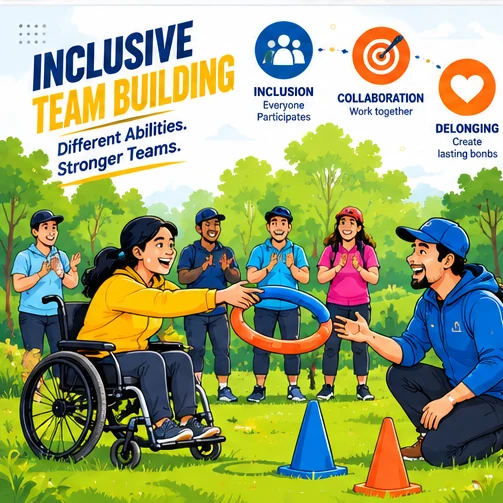
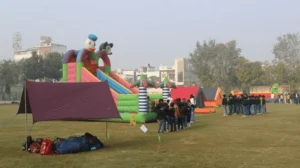
Adapted treasure hunts, cooperative problem-solving games, storytelling circles, and group challenges can provide different ways to participate. Activities may use visual prompts, verbal instructions, tactile materials, flexible roles, or alternative methods of completing a task. The aim is collaboration rather than competition. Each participant should have a meaningful opportunity to contribute.
How to Adapt Adventure Activities for Different Disabilities
Effective inclusive adventure program design begins by asking participants what they need instead of making assumptions based on a diagnosis.
- Physical disabilities: Consider accessible routes, stable surfaces, seating, mobility aids, and suitable adaptive equipment.
- Visual impairments: Offer verbal descriptions, clear directions, tactile resources, and agreed guidance.
- Hearing impairments: Provide written instructions, demonstrations, and visual signals.
- Intellectual and developmental disabilities: Use clear instructions, manageable steps, predictable routines, and appropriate support.
- Sensory sensitivities: Consider noise, crowds, lighting, textures, quiet spaces, and opportunities to pause.
These are possible adaptations, not universal prescriptions. People with similar disabilities may have different interests, abilities, and support needs. Ask before assisting, respect consent, and provide choices wherever possible.
How to Design Safe and Accessible Adventure Programs
Safe inclusive adventure planning considers the entire experience, from transport and arrival to participation and departure.
1. Understand Participants Before Selecting Activities
Discuss participants’ interests, expectations, communication preferences, accessibility requirements, and relevant support needs. Where appropriate, involve families, carers, and qualified professionals with suitable consent.
2. Verify Venue Accessibility
Check pathways, gradients, toilets, transport, activity areas, resting points, and emergency access. Communicate limitations honestly rather than describing a venue as fully accessible without verification.
3. Prepare Equipment and Train Staff
Ensure equipment is appropriate, correctly fitted, and maintained. Staff should understand activity-specific procedures, disability awareness, respectful communication, and emergency response. Higher-risk activities may require specialist training.
4. Assess Risks and Plan Emergencies
Evaluate terrain, weather, water conditions, supervision, first aid, communication, rescue arrangements, and evacuation options. If significant risks cannot be adequately managed, choose an alternative activity. Safety planning should enable informed participation wherever reasonably possible, without treating disability alone as a reason for exclusion.
How Schools Can Benefit from Inclusive Adventure Programs
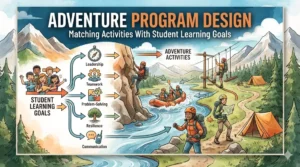
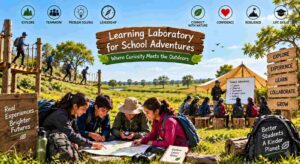
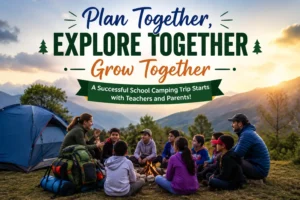
Inclusive school adventure programs can connect outdoor education with teamwork, communication, environmental awareness, and problem-solving. Students can discover different strengths and learn that meaningful contributions do not always require identical abilities or approaches. Schools should define learning objectives, consult students about accessibility, select suitable activities, and coordinate with appropriately qualified providers. Reflection sessions can help students connect practical experiences with classroom learning.
Explore how to plan a successful school adventure camp and experiential school programs for better student learning.
How Adventure Tourism Can Become More Inclusive
Inclusive adventure tourism requires accessible infrastructure, reliable information, appropriate equipment, trained personnel, and consultation with disabled participants. In India, outdoor destinations differ considerably in accessibility. Remote trekking routes, high-altitude environments, and water-based activities may present additional challenges. Providers should verify facilities and explain limitations before a trip is booked. The World Health Organization’s guidelines on physical activity and sedentary behaviour include recommendations relevant to people living with disabilities. Such guidance can support informed planning, but individual activity choices should reflect personal circumstances and professional advice where necessary.
Wanderin’ Man Adventures’ Future Intent for Inclusive Adventure
Wanderin’ Man Adventures intends to explore the development of inclusive outdoor experiences as part of its future direction. The company is building connections with experts who work with differently abled people to better understand their interests, enthusiasm, aspirations, preferences, and support requirements. This engagement is intended to help the company understand not only what activities participants may be able to undertake, but also what they genuinely want to experience. Insights from these discussions can inform the future planning of suitable activities, accessible environments, appropriate equipment, specialist support, and responsible safety arrangements. The intention is to develop experiences around participants rather than expecting participants to fit a predetermined activity. Any future programs will require careful feasibility assessment, appropriate expertise, and suitable safety provisions before implementation.
Frequently Asked Questions
What are the best adventure activities for people with disabilities?
Possible options include accessible nature walks, sensory trails, adaptive cycling, cooperative outdoor games, and specialist-supported water sports. Suitability depends on individual preferences, facilities, and safety assessments.
Can people with disabilities participate in trekking?
Some people with disabilities can participate in suitable nature walks or trekking routes. Terrain, altitude, weather, mobility requirements, and evacuation arrangements must be assessed individually.
How can schools organise inclusive outdoor activities?
Schools should consult participants, assess accessibility requirements, define learning objectives, select suitable activities, and arrange appropriate staff, safeguarding, and emergency procedures.
Why should adventure providers consult disability experts?
Experts can help providers understand accessibility, communication, adaptive equipment, support requirements, and the barriers participants may face. Consultation should also include people with disabilities themselves.
Conclusion: Making Adventure More Accessible to Everyone
Inclusive adventure activities for differently abled people are about creating meaningful choices, removing unnecessary barriers, and respecting individual aspirations. Accessible nature walks, adaptive cycling, suitable trekking, water-based recreation, and cooperative games demonstrate how outdoor experiences can be adapted to different requirements. The strongest approach combines participant consultation, accessible design, trained support, and responsible safety planning. As awareness grows and collaboration improves, more opportunities can be explored to make outdoor recreation welcoming, respectful, and rewarding for people of different abilities.
Adventure should offer the opportunity to explore, participate, and discover—not require everyone to experience the outdoors in exactly the same way.