Corporate Offsite Planning to design an Adventure-Based Team Retreat
Introduction
In today’s fast-paced business environment, organisations need more than conventional meetings and indoor team-building exercises to develop effective teams. Corporate offsites offer employees an opportunity to step away from everyday responsibilities, reconnect with colleagues and explore new ways of working together.
Corporate offsite planning becomes even more impactful when it incorporates adventure-based activities and experiential learning. From trekking and outdoor challenges to rafting and collaborative problem-solving, adventure retreats encourage employees to communicate, build trust and develop leadership skills in unfamiliar environments. A thoughtfully designed adventure-based corporate retreat can transform an ordinary team outing into a meaningful learning experience that strengthens workplace relationships and organisational performance.
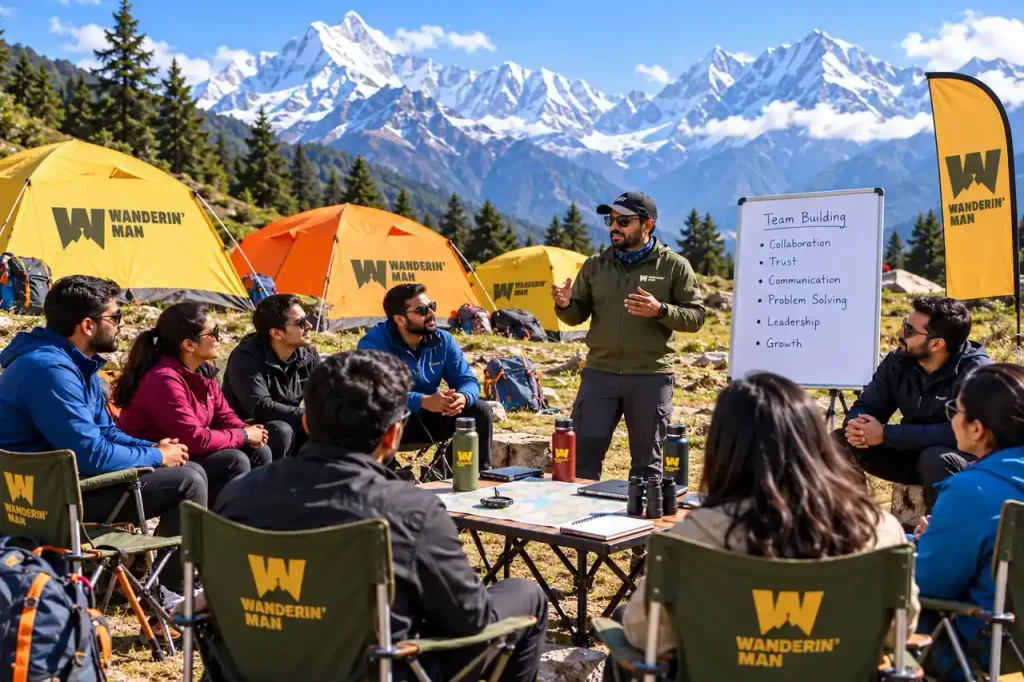
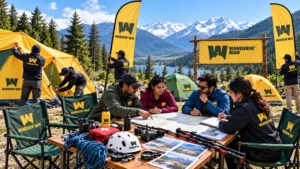
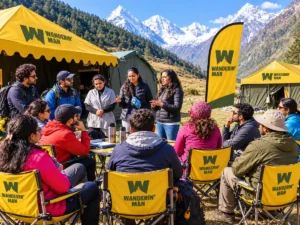
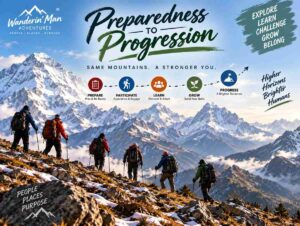
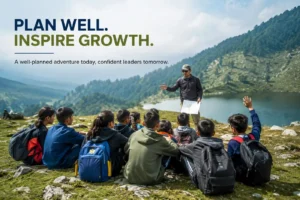
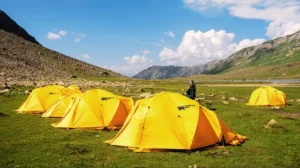
Corporate team participating in an adventure-based corporate offsite in the Himalayas.
Why Choose an Adventure-Based Corporate Offsite?
Traditional corporate outings often focus on relaxation and entertainment. Adventure-based retreats combine recreation with purposeful team development. By taking employees outside their usual workplace environment, organisations create opportunities for individuals to discover their strengths, overcome challenges and collaborate with colleagues. Key benefits include:
- Stronger teamwork: Shared outdoor challenges encourage cooperation and mutual support.
- Improved communication: Team activities help employees communicate clearly and coordinate effectively.
- Leadership development: Participants get opportunities to demonstrate initiative, decision-making and accountability.
- Employee engagement: Meaningful shared experiences can strengthen workplace relationships and morale.
- Creative thinking: New environments encourage employees to approach problems from different perspectives.
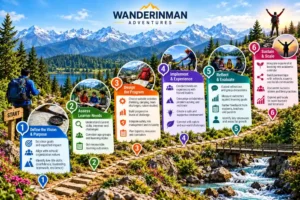
How to Plan an Adventure-Based Corporate Team Retreat
Successful corporate retreat planning requires a clear purpose, suitable activities and attention to employee requirements. The following steps can help organisations design a rewarding experience.
1. Define the Objectives of Your Corporate Offsite
Start by identifying what the organisation wants to achieve. Is the objective to improve team collaboration, develop emerging leaders, reward employees, strengthen interdepartmental relationships or support organisational change?
Clearly defined objectives help determine the retreat’s duration, location, activities and learning outcomes. For example, a leadership development retreat may include navigation challenges and decision-making exercises, while a team integration programme may focus on collaborative outdoor tasks.
2. Understand Employee Needs and Team Dynamics
An effective corporate adventure retreat should be inclusive and suitable for different employee groups. Consider team size, age diversity, fitness levels, accessibility requirements and individual comfort with outdoor activities. Gathering employee feedback before finalising the programme can help create a more engaging experience. The objective is to challenge participants constructively without making anyone feel excluded.
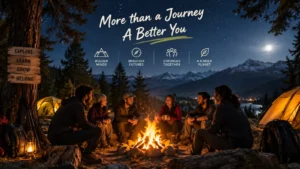
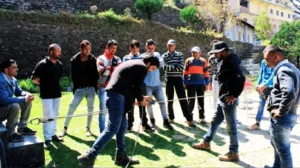
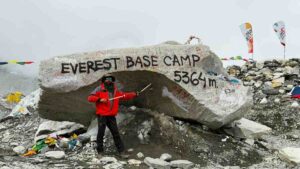
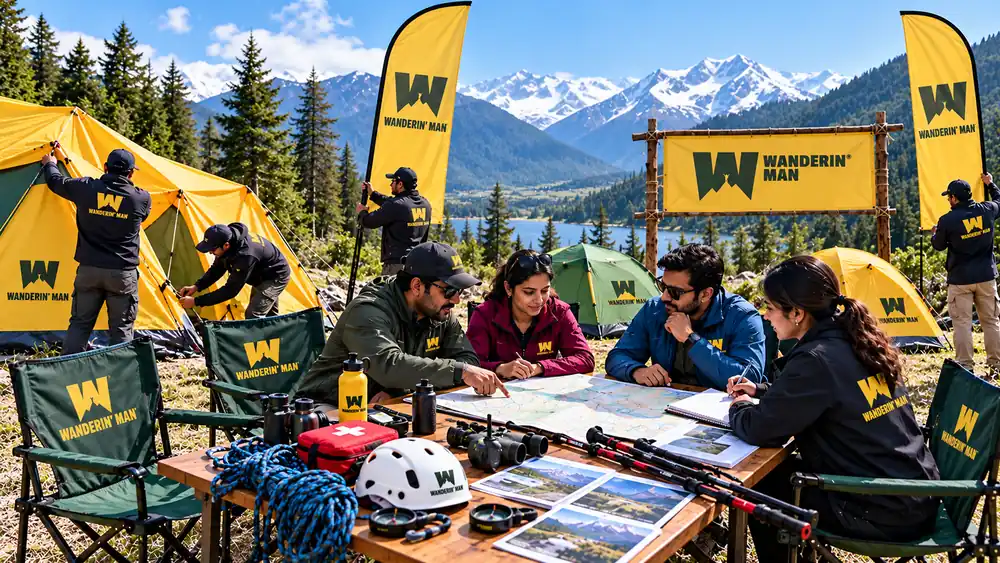
Corporate employees planning an outdoor team adventure together.
3. Select the Right Destination for Your Corporate Retreat
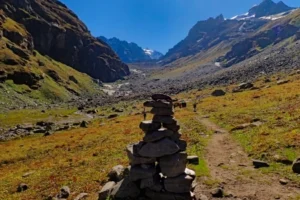
The destination plays an important role in shaping the overall experience. Depending on organisational objectives and travel requirements, companies can consider mountain camps, forest retreats, riverside locations and nature-based adventure destinations. The Indian Himalayas offer opportunities for trekking, camping, nature exploration and outdoor experiential learning. However, accessibility, weather conditions, accommodation, transport and emergency support should influence the final selection. Choose a destination that balances adventure, comfort, safety and programme objectives.
4. Design Engaging Adventure-Based Team Building Activities
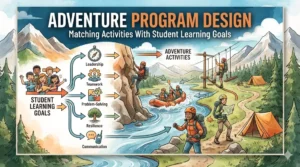
Activities should be selected according to the desired learning outcomes rather than simply their entertainment value. Some effective corporate adventure activities include:
- Trekking and nature trails: Encourage perseverance, mutual support and group coordination.
- Rafting: Develop communication, synchronisation and collective decision-making.
- Navigation challenges: Strengthen strategic thinking and problem-solving.
- Camping activities: Encourage cooperation, adaptability and shared responsibility.
- Outdoor leadership challenges: Help participants practise delegation, initiative and decision-making.
Combining physical challenges with collaborative exercises creates a balanced corporate team retreat.
5. Partner with an Experienced Adventure Programme Provider
Professional programme management is essential for delivering a successful corporate offsite. Work with an experienced adventure company that can manage accommodation, logistics, equipment, trained activity leaders and programme execution. Look for providers with experience in corporate groups, clearly defined safety procedures, suitable equipment, first-aid arrangements and emergency response plans. Wanderin’ Man Adventures designs experiential outdoor programmes that combine adventure, teamwork and leadership development, helping organisations create meaningful outdoor learning experiences.
6. Prioritise Safety and Risk Management
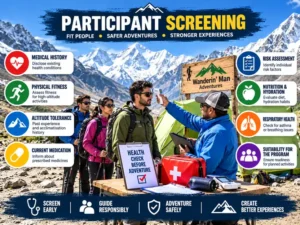
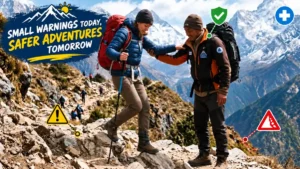
Adventure activities should be challenging but responsibly managed. Before the retreat, assess activity-specific risks, weather conditions, destination accessibility and participant requirements. Ensure appropriate equipment, trained instructors, first-aid support, emergency communication and contingency arrangements are available.A well-planned safety framework allows employees to participate with greater confidence and helps organisations manage operational risks.
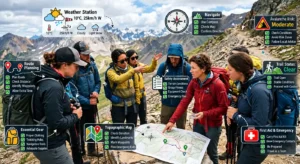
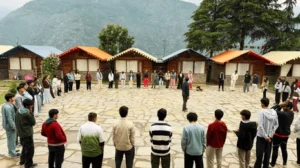
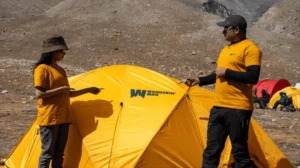
Certified outdoor instructors briefing participants on safety equipment before an adventure activity.
Adventure instructors conducting a corporate outdoor activity safety briefing.
7. Integrate Experiential Learning and Reflection
Adventure activities become more valuable when participants understand how their experiences relate to workplace situations. Include facilitated reflection sessions after important activities. Encourage employees to discuss what worked, how they handled challenges, how leadership emerged and what they learned about collaboration. Connect these insights to everyday professional responsibilities, including communication, conflict resolution, decision-making and accountability. This approach transforms an outdoor retreat into a practical employee development programme.
8. Measure the Impact of Your Corporate Team Retreat
A successful corporate offsite should create value beyond the duration of the event. Collect employee feedback, conduct post-retreat discussions and evaluate whether the programme achieved its original objectives. Organisations can assess improvements in team communication, employee engagement, leadership confidence and cross-functional collaboration over time. Follow-up activities and workplace action plans can help translate the learning experience into sustained organisational benefits.

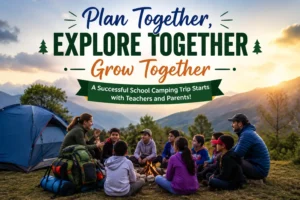
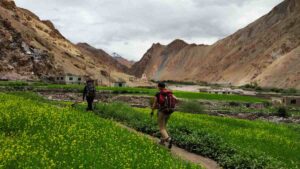
Corporate team reflecting on leadership and collaboration after an adventure retreat.
Common Mistakes to Avoid When Planning a Corporate Offsite
Even well-intentioned corporate retreats can lose their impact without proper planning. Avoid these common mistakes:
- Choosing activities without defining learning objectives.
- Ignoring employee fitness levels and accessibility requirements.
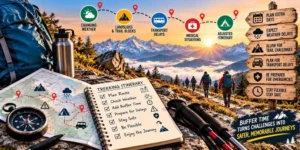
- Underestimating travel time, weather conditions and logistical needs.
- Treating safety arrangements as an afterthought.
- Overloading the itinerary with activities and leaving no time for reflection.
- Failing to evaluate outcomes after the retreat.
A balanced programme should combine adventure, relaxation, structured learning and meaningful interaction.
Conclusion: Transform Your Corporate Offsite into a Team-Building Experience
Corporate offsite planning is an opportunity to create stronger teams, develop leadership capabilities and improve workplace relationships through shared experiences. Adventure-based corporate retreats take employees beyond familiar office environments and encourage them to communicate, collaborate and overcome challenges together. With clearly defined objectives, suitable activities, professional guidance and strong safety arrangements, organisations can turn an ordinary corporate outing into a transformational team development experience.
Looking to organise an adventure-based corporate team retreat? Connect with Wanderin’ Man Adventures to explore customised corporate adventure programmes designed around your team’s objectives, experience levels and development needs.