How to guide Teachers and Parents for Successful School Camping trip?
This guide helps teachers and parents prepare for a successful school camping trip. By learning how to guide teachers and parents for a successful school camping trip, schools can create safe, educational, and memorable outdoor experiences for every student.. How to Plan a School Camping Trip successfully starts with thoughtful preparation and teamwork between teachers and parents. A well-organized school camping trip gives students the opportunity to develop leadership, teamwork, independence, and a love for nature while staying safe in the outdoors. In this guide, you’ll discover practical planning tips, safety checklists, packing advice, and best practices for creating an unforgettable outdoor learning experience.
Why School Camping Is Essential for Student Development
School camping supports experiential learning by taking education beyond classroom walls. Outdoor activities allow students to apply classroom knowledge while developing valuable life skills.
Benefits of school camping include:
- Improved confidence and independence
- Better teamwork and communication
- Leadership development
- Physical fitness and active lifestyles
- Environmental awareness
- Emotional resilience
- Problem-solving abilities
- Social interaction and friendship building
Children often return from camp more responsible, confident, and willing to embrace new challenges.
School Camping Guide for Teachers and Parents: Planning a Successful Camp
Successful school camps begin with careful preparation.
Define the Purpose of the Camp
Identify clear learning outcomes such as:
- Leadership development
- Team-building exercises
- Adventure education
- Environmental education
- Outdoor survival skills
- Character building
Having defined objectives helps schools design meaningful activities.
Choose the Right Camping Destination
Select a campsite that offers:
- Safe surroundings
- Certified adventure instructors
- Medical assistance
- Hygienic food
- Clean accommodation
- Emergency evacuation plans
- Age-appropriate adventure activities
A suitable destination ensures students remain engaged while staying safe.
Prepare Documentation
Before departure, collect:
- Parent consent forms
- Medical history
- Allergy information
- Emergency contact numbers
- Dietary requirements
- Student identification details
Good documentation allows teachers to respond quickly during emergencies.
School Camping Safety Guide for Teachers and Parents
Safety is the foundation of every successful school camp.
Essential safety measures include:
- Conduct detailed risk assessments.
- Verify instructor qualifications.
- Maintain proper teacher-to-student ratios.
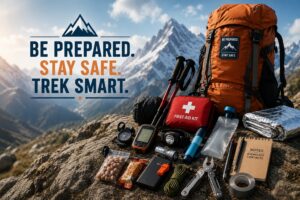
- Carry complete first-aid kits.
- Monitor weather forecasts.
- Conduct safety briefings before activities.
- Ensure emergency communication systems remain active.
- Inspect adventure equipment before every session.
Students should understand safety instructions before participating in outdoor activities.
Preparedness significantly reduces outdoor risks.
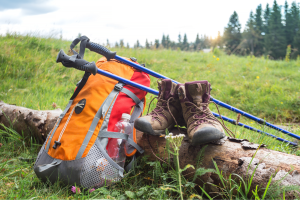
School Camping Packing Checklist for Teachers and Parents
Packing appropriately helps students stay comfortable and prepared.
Clothing Essentials
- Trekking shoes
- Comfortable clothing
- Warm jacket
- Raincoat
- Cap or sun hat
- Extra socks
- Nightwear
Personal Essentials
- Water bottle
- Torch or headlamp
- Sunscreen
- Lip balm
- Personal medicines
- Toiletries
- Hand sanitizer
- Small backpack
Avoid sending:
- Expensive electronics
- Jewelry
- Excess cash
- Sharp objects
- Junk food
Packing light encourages independence and responsibility.
How Parents Can Prepare Children for School Camping
Parents can help children feel confident before camp begins.
Helpful preparation includes:
- Encourage children to pack their own bags.
- Practice basic personal hygiene routines.
- Explain camp rules positively.
- Build excitement about outdoor adventures.
- Discuss homesickness honestly.
- Teach respect for nature and wildlife.
Children who feel emotionally prepared usually adapt faster to camp life.
Teacher Responsibilities During School Camping
Teachers play a critical role throughout the camping experience.
Their responsibilities include:
- Supervising students continuously
- Maintaining attendance records
- Monitoring student health
- Coordinating with instructors
- Managing emergencies calmly
- Supporting anxious students
- Encouraging participation
- Promoting positive behavior
Teachers also create an environment where students feel safe enough to explore and learn.
Best Outdoor Activities for School Camping Programs
Adventure activities should balance excitement with safety.
Popular school camping activities include:
- Nature trails
- Trekking
- Rock climbing
- Zipline
- Rope courses
- Orienteering
- Bird watching
- Campfire learning sessions
- Team-building games
- Environmental conservation activities
- Outdoor cooking demonstrations
Each activity teaches valuable practical and interpersonal skills.
School Camping Builds Lifelong Skills Beyond the Classroom
School camping develops qualities that textbooks cannot teach.
Students learn:
- Leadership
- Responsibility
- Decision-making
- Adaptability
- Cooperation
- Time management
- Resilience
- Self-confidence
These experiences help children become more capable learners and future leaders.
Common School Camping Mistakes Teachers and Parents Should Avoid
Even experienced organizers can overlook important details.
Avoid these mistakes:
- Waiting until the last minute to plan
- Ignoring student medical conditions
- Choosing unsuitable adventure activities
- Overpacking children’s bags
- Poor communication with parents
- Skipping safety orientations
- Underestimating weather conditions
- Neglecting hydration
Good planning prevents unnecessary challenges.
Tips for Making School Camping a Memorable Experience
Small efforts often create lasting memories.
Follow these practical tips:
- Encourage teamwork over competition.
- Celebrate every child’s achievements.
- Allow students to solve simple challenges independently.
- Promote environmental responsibility.
- Maintain flexible schedules.
- Capture memories through group activities rather than excessive screen time.
- End each day with reflection sessions.
A positive camping environment inspires students to appreciate nature while building confidence.
Why Collaboration Between Teachers and Parents Matters
Successful school camps rely on strong communication between schools and families.
Teachers provide structured supervision, while parents prepare children emotionally and practically before departure. When both work together, students feel secure, confident, and ready to embrace new experiences.
Open communication also ensures that medical needs, dietary preferences, and individual concerns are addressed well before the camp begins.
Conclusion
This School Camping Guide for Teachers and Parents demonstrates that successful outdoor education depends on preparation, communication, and safety. A thoughtfully planned school camping program helps students develop confidence, leadership, teamwork, environmental awareness, and lifelong life skills.
For teachers, school camps provide opportunities to inspire learning beyond the classroom. For parents, they offer reassurance that children can grow through safe, supervised adventure. Together, they create memorable experiences that shape young minds long after the tents are packed away.