Confessions of an adventure addict: channeling through challenges
Adventure is more than adrenaline. For an adventure addict, it becomes a way of thinking, living and growing. The thrill of trekking a difficult trail, cycling through unfamiliar terrain or pushing through a physically demanding challenge creates something deeper than excitement—it builds resilience. Every adventure comes with uncertainty. Weather changes, steep climbs, fatigue, fear and unexpected obstacles can test even experienced adventurers. Yet, these challenges are often what make the experience meaningful. This is the real confession of an adventure addict: the challenge is not something to escape; it is something to channel.
What Does It Mean to Be an Adventure Addict?
Being an adventure addict does not necessarily mean constantly seeking extreme sports or dangerous experiences. It means having a strong desire to explore, challenge yourself and step beyond your comfort zone.
The Search for the Next Challenge
An adventure enthusiast often finds ordinary routines predictable. A new trek, cycling expedition, camping experience, rafting trip or mountain adventure introduces uncertainty—and with it, an opportunity to learn. The goal is not simply to collect adventures. It is to discover what you are capable of doing when circumstances become difficult.
Adventure as a Mindset
The adventure mindset extends beyond mountains and trails. It teaches you to approach professional challenges, personal setbacks and unfamiliar situations with curiosity rather than immediate fear. That mindset can transform “I can’t do this” into “How can I get through this?”
Why Do Adventure Addicts Chase Challenges?
The attraction to adventure is rarely just about adrenaline. The deeper motivation often comes from personal transformation.
The Thrill of Stepping Outside Your Comfort Zone
Comfort creates stability, but challenges create growth. Adventure activities deliberately place you in unfamiliar environments where you must adapt. Whether navigating a mountain trail or completing a demanding cycling route, you learn to make decisions while managing fatigue, uncertainty and pressure.
The Satisfaction of Overcoming Fear
Fear is a natural response to unfamiliar situations. Adventure does not eliminate fear; it teaches you how to manage it. A difficult climb can become a lesson in patience. A challenging trek can teach persistence. A demanding expedition can develop confidence. The achievement feels rewarding because you remember how difficult the journey was.
Channeling Challenges Instead of Fighting Them
One of the most important lessons adventure teaches is that obstacles cannot always be controlled. Your response to them can.
Focus on the Next Step
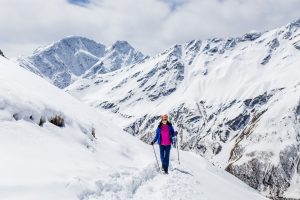
When a trail becomes exhausting, thinking about the entire remaining distance can feel overwhelming. Experienced trekkers learn to focus on the next milestone. The same principle works in everyday life. Break a major challenge into smaller, achievable actions.
One climb. One decision. One step at a time.
Turn Discomfort Into Awareness
Physical fatigue, changing weather and difficult terrain demand attention. Adventure encourages you to listen to your body, observe your surroundings and make thoughtful decisions. This awareness is an important part of responsible adventure travel.
Learn From Setbacks
Not every adventure ends exactly as planned. Sometimes weather forces a change in route. Sometimes physical conditions require a retreat. Turning back is not necessarily failure. In adventure sports, knowing when to stop can demonstrate better judgment than simply pushing forward.
The Psychology Behind Adventure and Resilience
Adventure experiences can strengthen qualities that are useful far beyond outdoor activities.
Building Mental Resilience
Resilience develops when people encounter difficulty and discover that they can cope with it. Adventure activities create controlled opportunities to practise this process. You experience discomfort, assess the situation, adapt and continue.
Developing Self-Confidence
Completing a challenging trek or adventure activity can change how you perceive your own abilities. The memory of overcoming a difficult climb can become a powerful reminder during future challenges: “I have handled difficult situations before.”
Improving Decision-Making
Outdoor adventures often require quick but responsible decisions. Route selection, weather awareness, hydration, pacing and teamwork all require judgment. These experiences can strengthen practical problem-solving skills.
Adventure Is Not About Taking Unnecessary Risks
There is an important difference between adventure and recklessness.
Responsible Adventure Matters
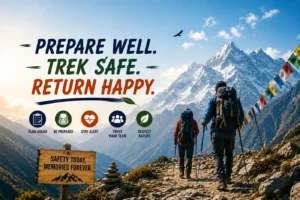
A genuine adventure enthusiast respects safety protocols, weather conditions, equipment requirements and professional guidance. Preparation should include appropriate fitness, clothing, equipment, hydration, nutrition and emergency planning.
Know When to Push and When to Pause
Mental toughness does not mean ignoring warning signs. It means understanding your limits and responding intelligently. Professional instructors and experienced adventure leaders can help participants distinguish between a manageable challenge and an unacceptable risk.
How Adventure Changes the Way We See Life
The impact of adventure often continues long after the trek or expedition ends.
You Become More Comfortable With Uncertainty
Adventure rarely provides complete control. Learning to operate in uncertain environments can make everyday changes feel less intimidating.
You Start Valuing Experiences Over Possessions
A sunrise from a mountain trail, a difficult summit push or a shared campsite conversation can become more memorable than another routine weekend. Adventure creates stories—and stories often become some of our most valuable experiences.
You Discover Your Own Inner Strength
Perhaps the greatest transformation happens when you realise that your limits are not always where you assumed they were. A challenging adventure can reveal patience, courage, leadership and persistence that remained hidden inside your everyday routine.
From Adventure Challenges to Everyday Growth
The lessons of adventure can be applied to work, relationships, education and personal development.
At Work
Complex projects often resemble difficult trails. Progress may be slow, unexpected obstacles appear and the destination can seem distant. The adventure mindset encourages planning, adaptability, teamwork and persistence.
In Personal Life
Life inevitably brings uncertainty. Instead of expecting every situation to be comfortable, you can develop the confidence to face challenges as opportunities to learn.
The Real Confession of an Adventure Addict
An adventure addict does not necessarily chase danger.
They chase growth.
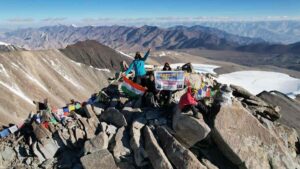
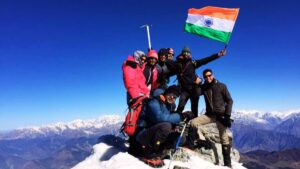
They chase the feeling of standing at the end of a difficult trail and knowing they did not give up. They chase the lessons hidden inside fatigue, uncertainty and discomfort. Adventure teaches us that challenges are not always barriers. Sometimes, they are pathways to a stronger version of ourselves. And perhaps that is the biggest confession of all:
We don’t love adventure because it is easy. We love it because it reminds us what we are capable of.
Conclusion: Keep Exploring, Keep Growing
Adventure sports, trekking, cycling, camping and outdoor challenges can provide much more than excitement. When approached responsibly, they can develop resilience, confidence, decision-making and a stronger connection with ourselves and the world around us. So, if you feel drawn toward the next trail, expedition or outdoor challenge, listen to that instinct—but prepare wisely. Because the greatest adventure may not be the mountain you climb.
It may be the person you become while climbing it.